Trump admin gives Iran ultimatum, stop Hormuz attacks or 'it is not gonna be a great day for them'
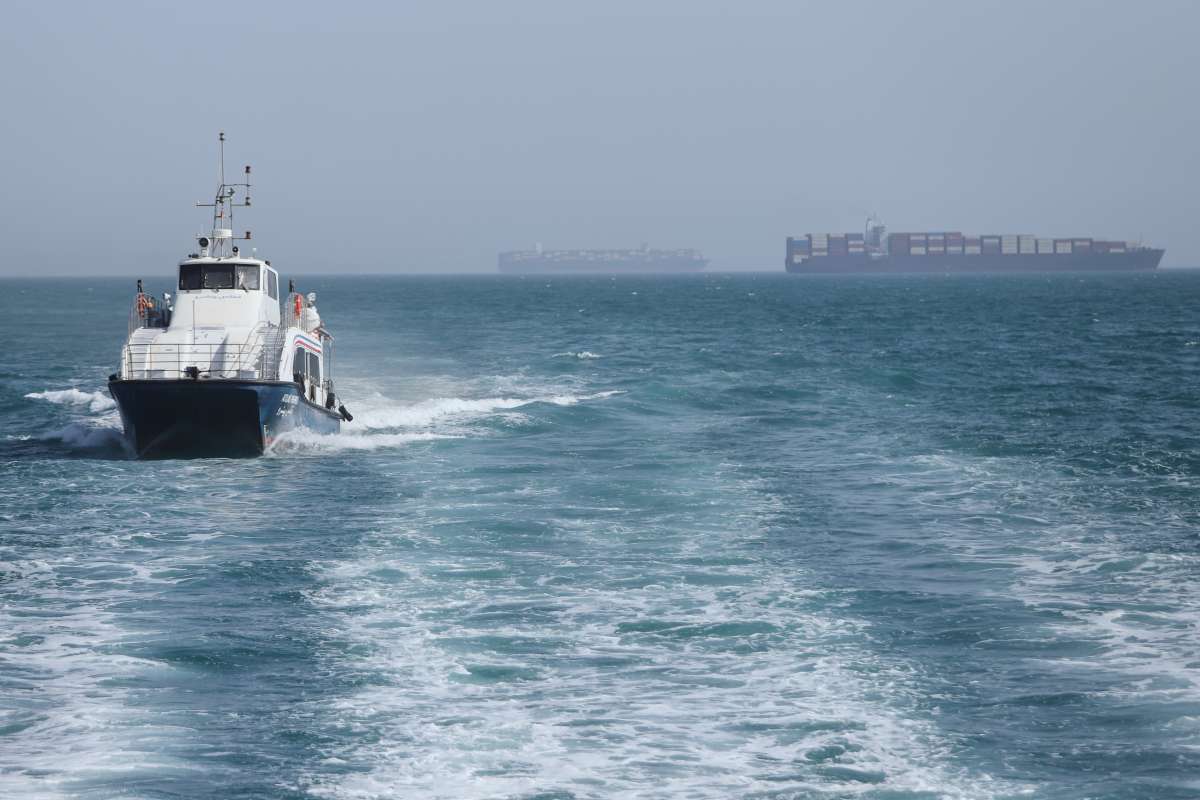
WASHINGTON, DC: The Trump administration has issued a fresh ultimatum to Iran, demanding that Tehran publicly commit to ending attacks on commercial vessels in the Strait of Hormuz and acknowledge that the vital shipping lane will remain open.
US officials said the message has been delivered directly and through regional mediators, warning that failure to do so would trigger further consequences as tensions continue to threaten broader nuclear negotiations.
US demands public commitment as Iran maintains distrust of Washington
According to senior US officials, Washington expects Iran to issue a public statement following discussions scheduled in Muscat on Saturday, July 11.
"We want them to publicly say that they will stop shooting at ships and explicitly, or at least implicitly, acknowledge that they screwed up. We are working on that now," one US official said. "We expect the Iranians to say ... that every channel in the strait will be open and that it will be toll-free."
A second official warned of repercussions if Tehran refuses. "If it is not their position, it is not gonna be a great day for them," the official said. US officials also claimed Iranian representatives privately acknowledged responsibility for the recent escalation. "They came back to the table and said, 'We screwed up. We made a mistake. Let's keep talking.'"
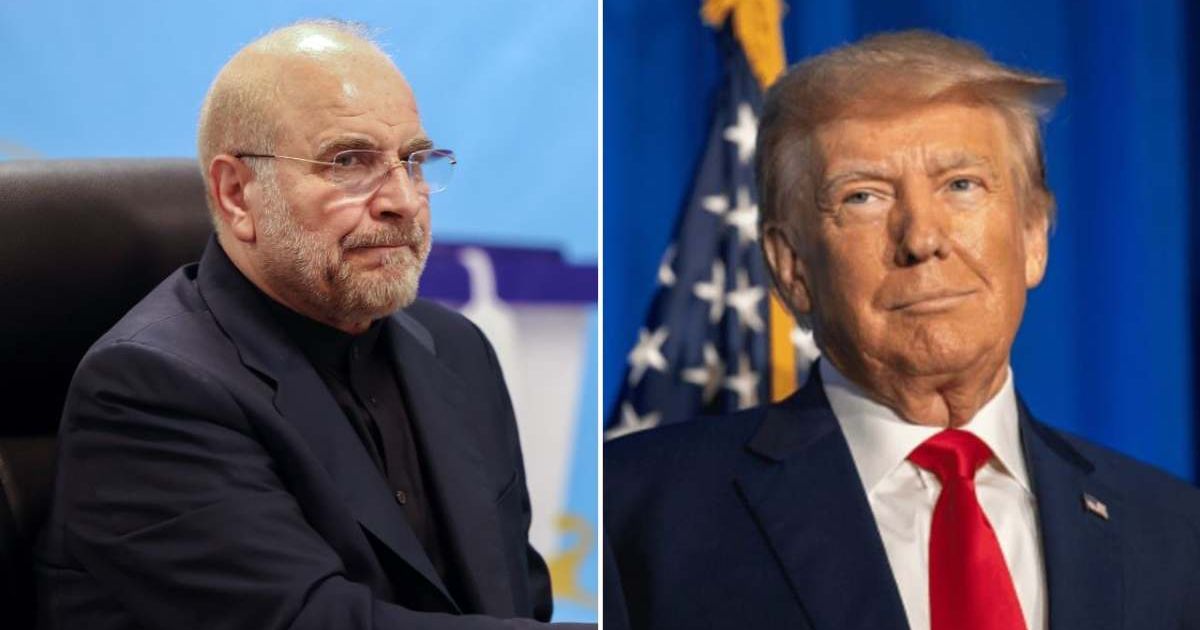
Meanwhile, Iran continued to publicly defend its position. Parliament Speaker Mohammad Bagher Ghalibaf said Tehran remained skeptical of Washington despite indirect negotiations. "We are distrustful of the Americans. During the negotiations, I made it clear to the US vice president that we have no trust in you," Ghalibaf said.
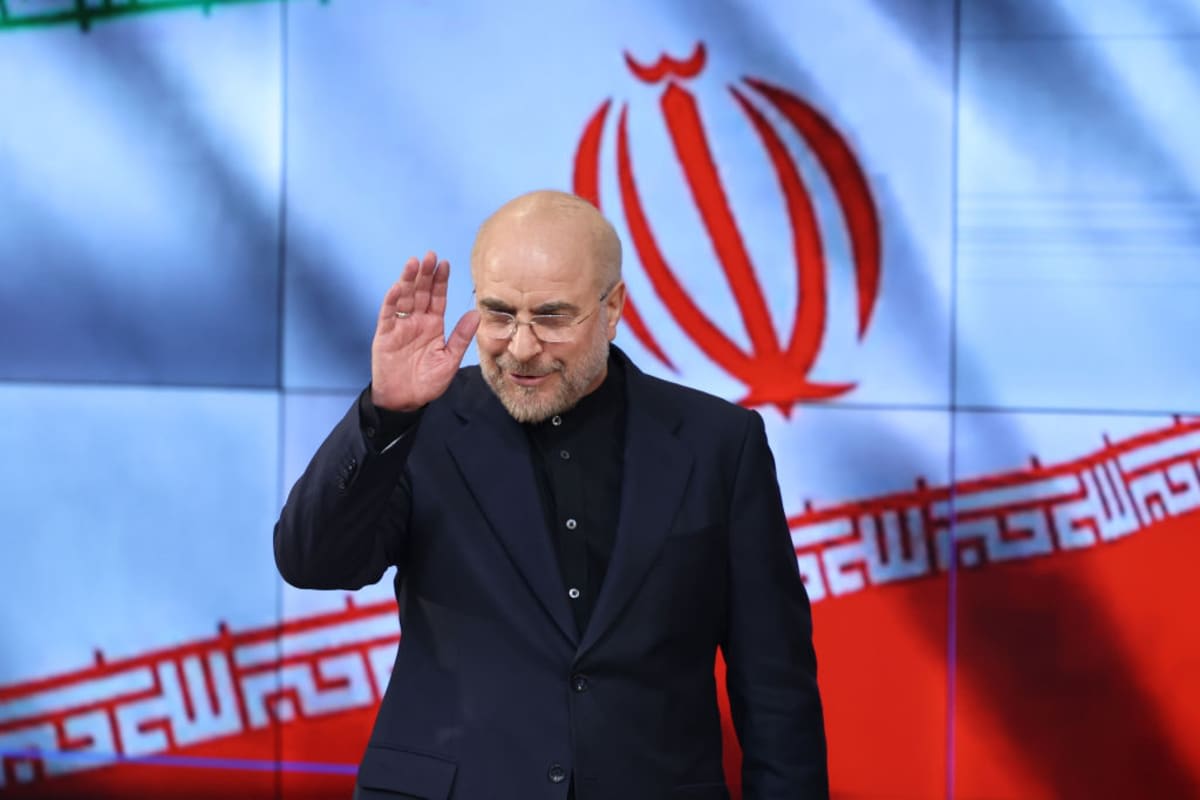
"In my view, only those who are prepared for war can negotiate with the United States," he added, while reiterating that Iran would continue preparing to defend itself and would not "surrender" or "submit to oppression."
Hormuz attacks deepen uncertainty over broader nuclear negotiations
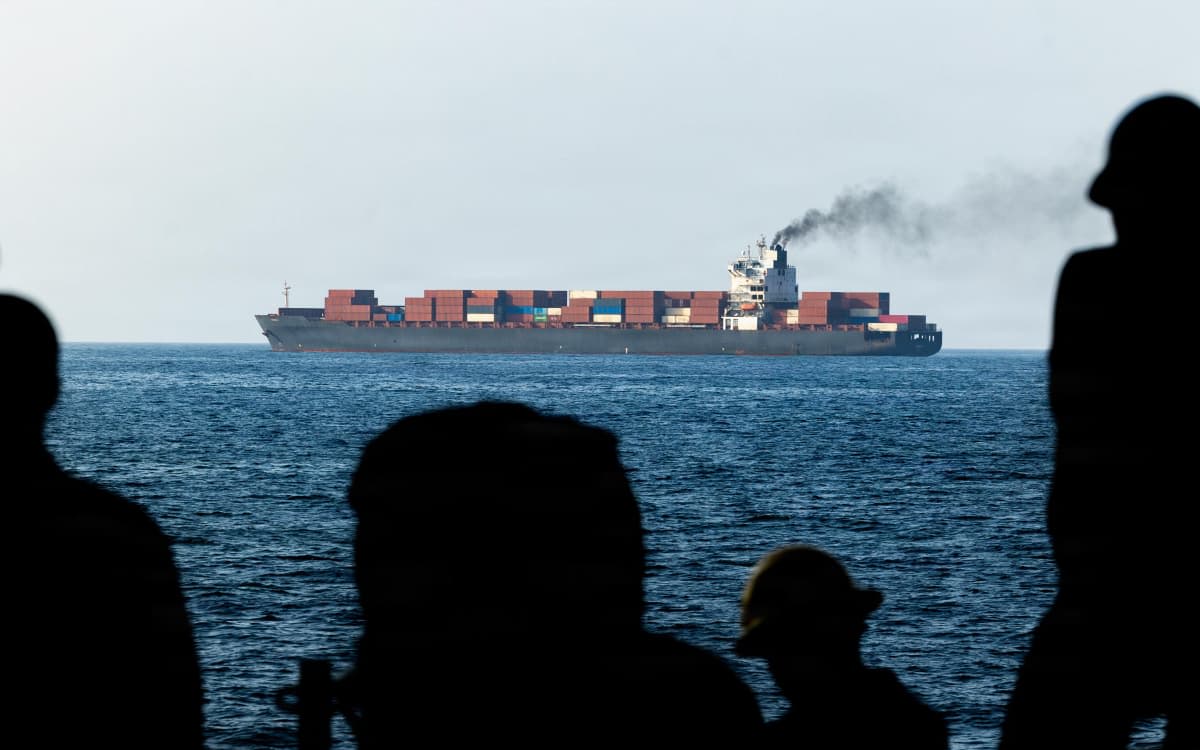
The latest dispute stems from repeated attacks on commercial vessels transiting the Strait of Hormuz, which the Trump administration says violated the memorandum signed last month.
US officials contend Iran had agreed that commercial traffic would move freely through the shipping corridor, including a southern route opened along Oman's coast. According to the officials, Tehran later objected after seeing how quickly commercial traffic shifted through that channel.
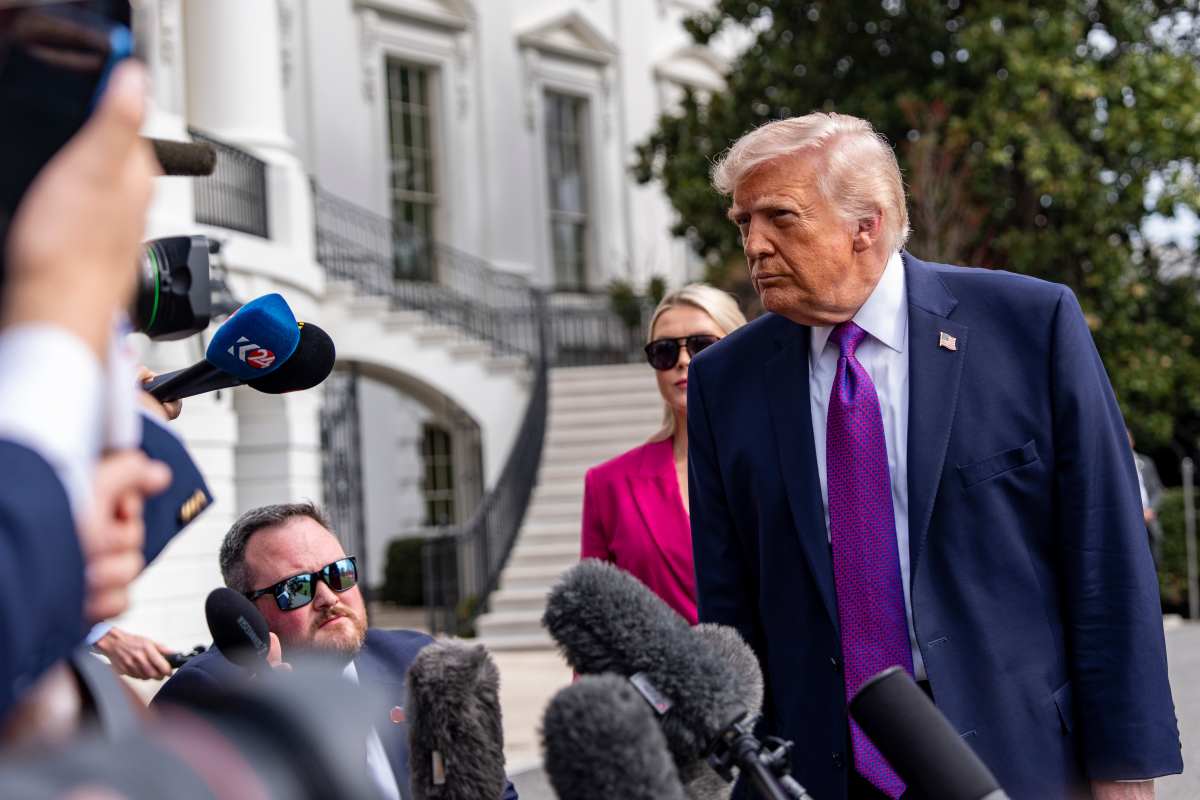
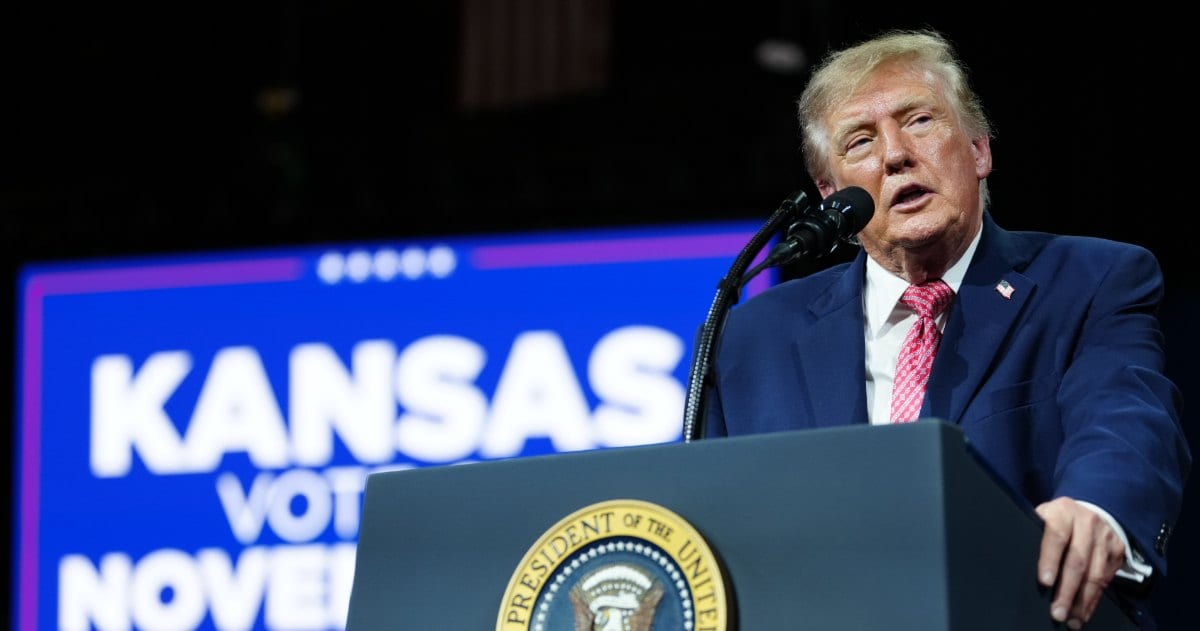
The US has already responded with two rounds of military strikes targeting Iranian military infrastructure, while President Donald Trump declared earlier this week that the ceasefire was effectively "over."
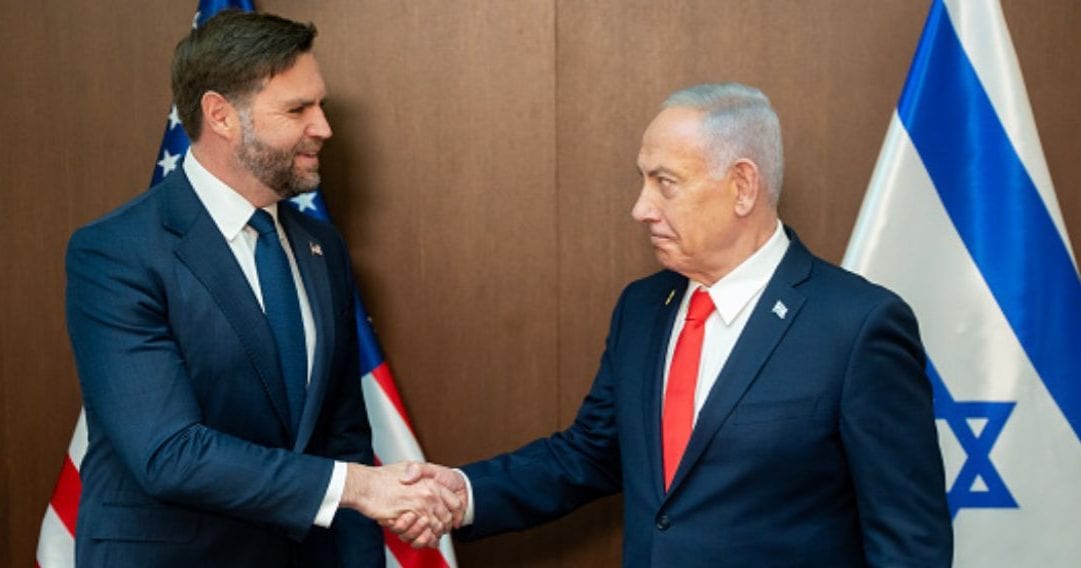
Despite the military exchanges, Trump has instructed Vice President JD Vance, Jared Kushner, special envoy Steve Witkoff and Secretary of State Marco Rubio to continue diplomatic efforts.
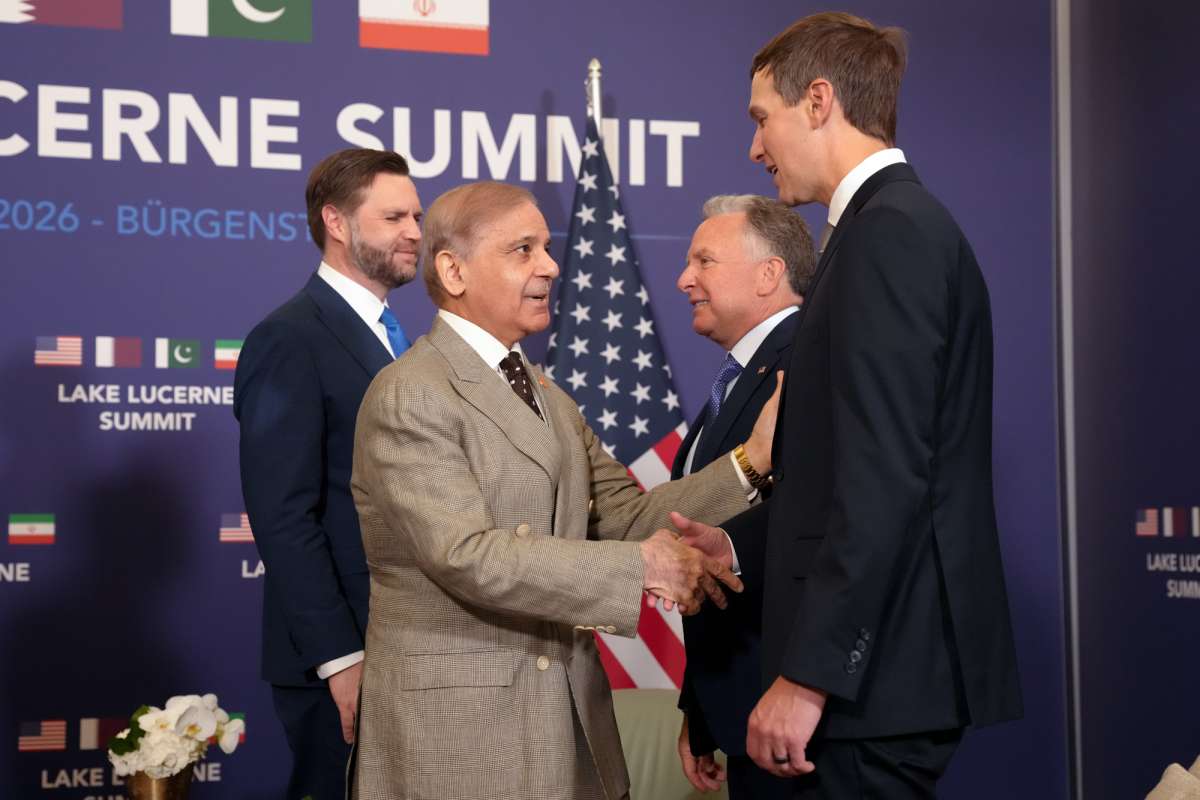
Officials said the administration still prefers to resolve outstanding disputes through negotiations but stressed that time is limited. One official said Trump has given negotiators "space and time" to pursue an agreement, "but not a lot of time."