'The era of bullying is over': Iran warns US after strikes hit 80 targets following Hormuz attacks
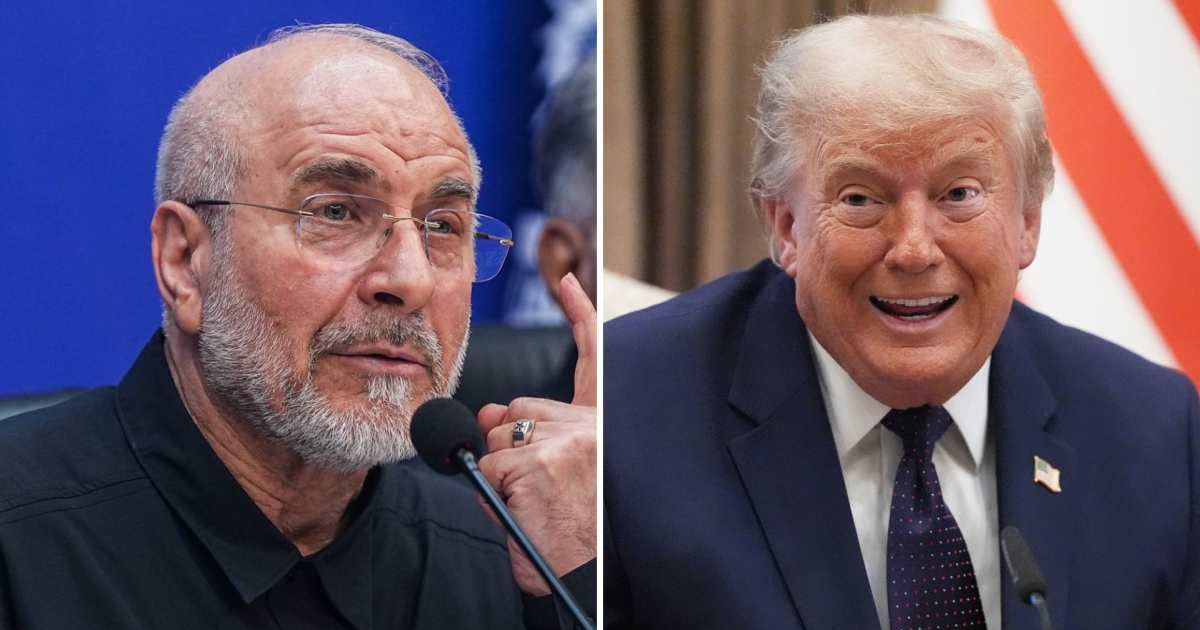
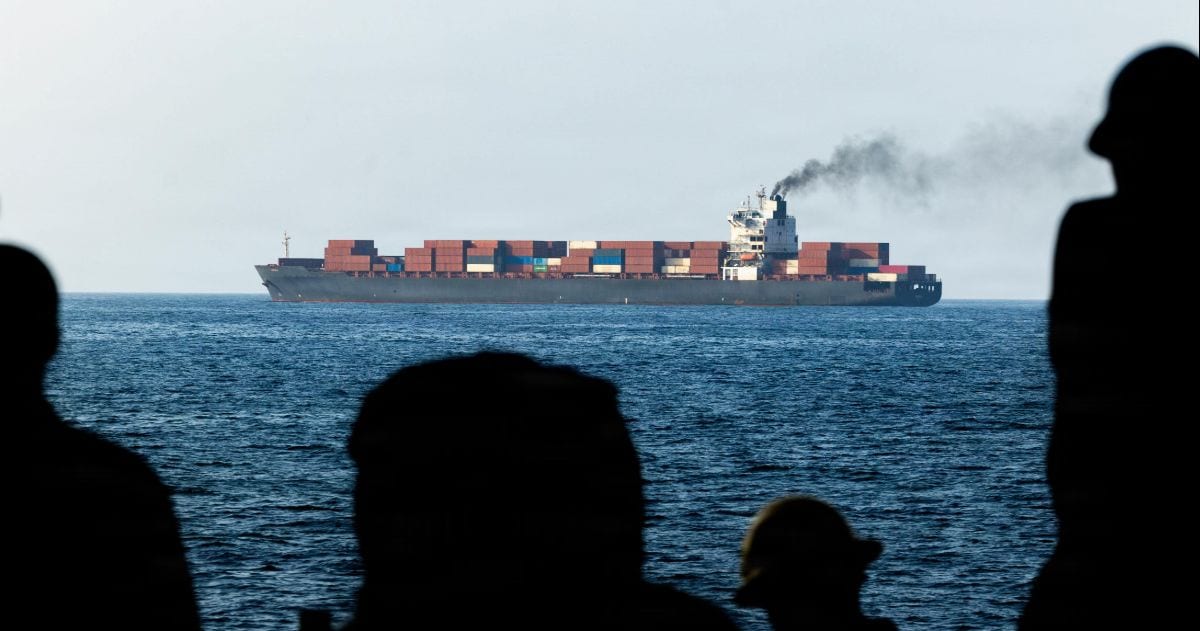
TEHRAN, IRAN: Iran's parliament speaker issued a defiant warning to the United States after US forces struck more than 80 Iranian military targets overnight in retaliation for Tehran's attacks on three commercial vessels in the Strait of Hormuz, with the exchange threatening to unravel the fragile ceasefire agreed between the two countries last month.
The warning came as Bahrain's Interior Ministry sounded missile alert sirens and urged civilians to seek shelter, while Kuwait simultaneously reported that its air defenses were responding to incoming missile and drone threats.
US strikes 80 Iranian military targets
Parliament Speaker Mohammad Bagher Ghalibaf made the statement on X. Qalibaf said that the US campaign “leads nowhere.” “We don’t fold,” he added.
Major MOU Violations by the US:
— محمدباقر قالیباف | MB Ghalibaf (@mb_ghalibaf) July 8, 2026
Violating Iranian adjustments in the Strait
Persistent threats of further strikes
Reinstating oil sanctions
Attacks on southern Iran
Continued Zionist aggression on🇱🇧
The era of bullying and extortion is over. It leads nowhere. We don’t fold.
"The era of bullying and extortion is over. It leads nowhere. We don't fold," Parliament Speaker Ghalibaf wrote on X, accusing the US of violating the memorandum of understanding that had halted hostilities.
US Central Command announced that its forces struck more than 80 military targets in Iran, including air defense systems, command centers, coastal radar installations, anti-ship missiles, and more than 60 small boats operated by the Islamic Revolutionary Guard Corps around the Strait of Hormuz.
U.S. Central Command forces have begun launching a series of powerful strikes against Iran to impose heavy costs for targeting and attacking commercial shipping crewed by innocent civilians in an international waterway. The U.S. strikes are in response to Iranian attacks on three…
— U.S. Central Command (@CENTCOM) July 7, 2026
The strikes targeted infrastructure that Iran was allegedly using to attack commercial ships. CENTCOM said the operation was intended to weaken Iran's ability to threaten international shipping.
Shortly after the strikes, the US Treasury Department revoked a waiver that had allowed Iran to sell oil and petrochemicals, cutting off a significant revenue stream that had been preserved during recent negotiations.
A US official said the move was intended as direct punishment for Tehran's actions. "Iran's actions in the Strait were wholly unacceptable to the United States and will be met with consequences," the official said.
Strikes coincide with Khamenei funeral and NATO summit
Iranian state media reported explosions on Qeshm Island, in the port city of Bandar Abbas, in Sirik, and on Kharg Island, a vital hub for Tehran's oil exports.
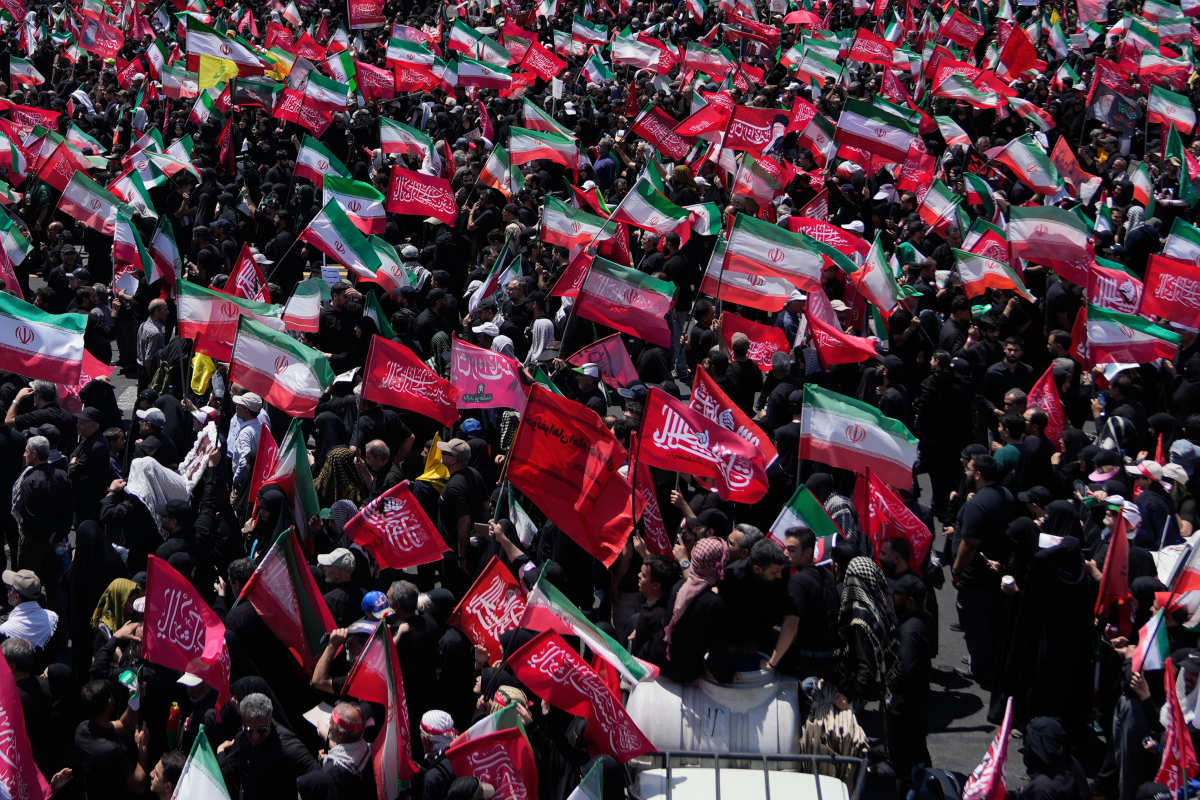
Iran's joint military command, the Khatam al-Anbiya Central Headquarters, warned it would deliver a "crushing response" to what it called US aggression, adding that it would "under no circumstances allow interference in the affairs or management of the Strait of Hormuz."
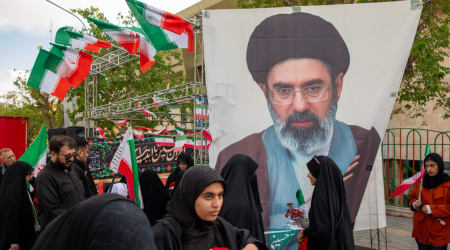
The strikes came at a particularly tense moment, as they occurred during the dayslong funeral for Iran's Supreme Leader, Ayatollah Ali Khamenei, who was killed at the start of Operation Epic Fury in February.
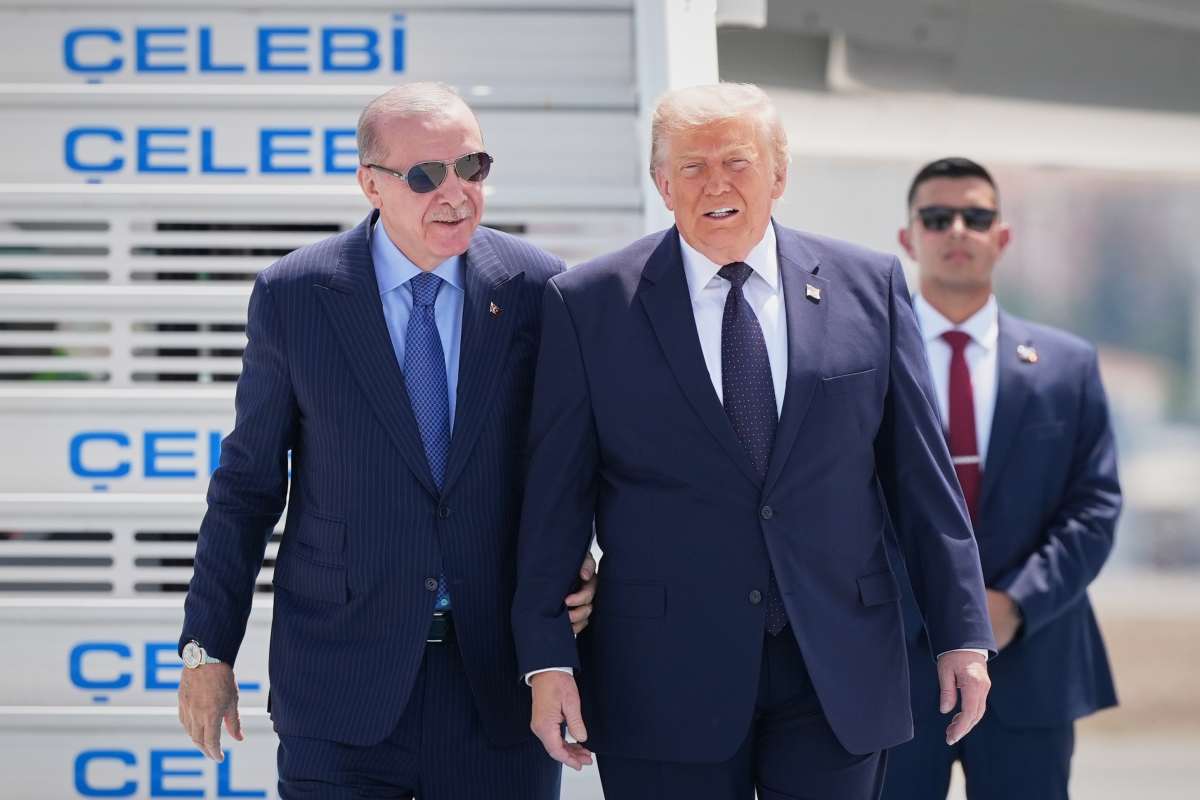
At the same time, Trump was in Ankara for the NATO summit, where security concerns in the Strait of Hormuz were expected to dominate discussions.
The strikes also coincided with ongoing negotiations aimed at permanently reopening the Strait of Hormuz, rolling back Iran's nuclear program, and reaching a lasting end to the war that began on February 28.