US labels Bandar Abbas strike ‘purely defensive’ as fragile Iran ceasefire faces pressure
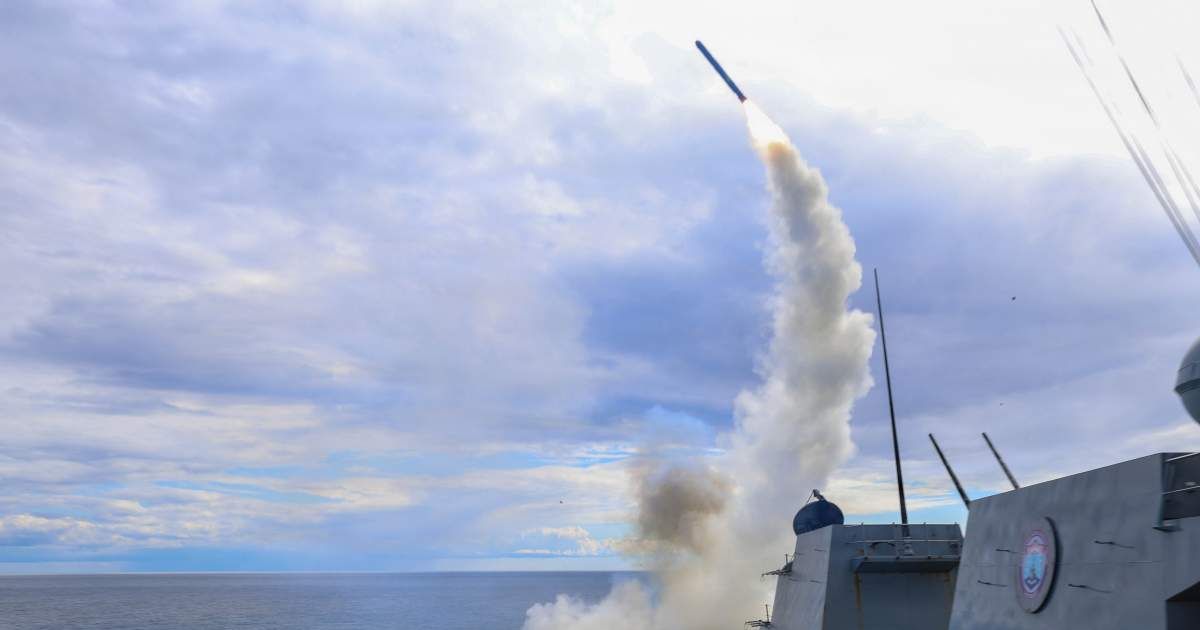
WASHINGTON, DC: The US military shot down four Iranian attack drones near the Strait of Hormuz and struck a drone ground-control station inside Iran on Wednesday, May 27, marking one of the most sensitive flashpoints yet in the fragile ceasefire standoff between Washington and Tehran.
US officials said the strike targeted a launch site in the strategic Iranian port city of Bandar Abbas on the Persian Gulf as the site was preparing to launch a fifth drone toward American forces operating near the Strait of Hormuz.
“These actions were measured, purely defensive, and intended to maintain the ceasefire,” a US official said.
What preceded the latest US strikes on Iran?
The confrontation did not happen in isolation.
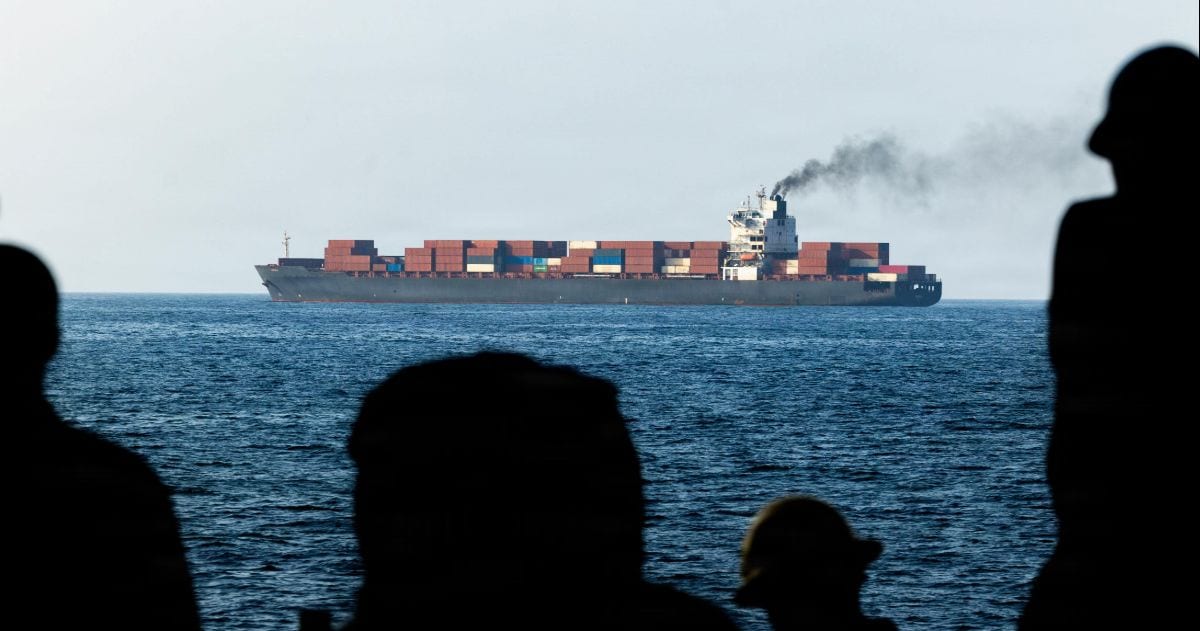
Earlier this week, CENTCOM confirmed a previous round of “self-defence” strikes on southern Iran on May 25, targeting Iranian missile sites and boats allegedly attempting to lay naval mines in the Strait of Hormuz, where thousands of commercial tanker ships remain stranded because of the conflict.
CENTCOM said those earlier strikes were designed “to protect our troops from threats posed by Iranian forces.”
🚨 JUST IN: The US military has STRUCK Iranian drones and destroyed a drone-launching unit, after Iran FIRED at a US commercial ship — Axios
— Eric Daugherty (@EricLDaugh) May 27, 2026
Iran had reported EXPLOSIONS in Bandar Abbas, along the Strait
These are SELF DEFENSE strikes again, and an official told Reuters that… pic.twitter.com/kYIidgIHoF
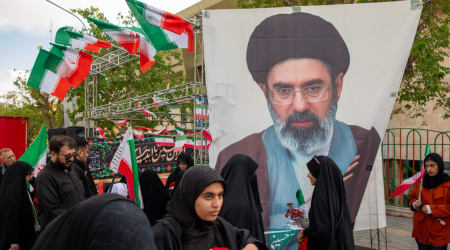
Iran condemned the attacks as “a grave violation of the ceasefire” and warned that the Iranian government “will not leave any act of hostility unanswered.”
At the same time, tensions in the Gulf have steadily intensified after Iranian forces and allied groups threatened maritime traffic following American and Israeli military operations in the region.
Bandar Abbas strike raises Strait tensions
The location of the latest strikes matters enormously. Bandar Abbas sits near the entrance to the Strait of Hormuz, giving Iran enormous strategic leverage during regional confrontations.
The Iranian drones posed a threat around the Strait of Hormuz, the key waterway that the Iranian regime has effectively choked off. Even limited military exchanges near the chokepoint can immediately rattle global oil markets, shipping insurance costs, and broader regional security calculations.
Despite diplomatic messaging from both Washington and Tehran, the latest drone confrontation highlighted how quickly the conflict could spiral again.
US officials argue the ceasefire does not prevent American forces from defending shipping lanes and military assets from Iranian actions. That explains why US officials repeatedly described the strikes as “measured” and “purely defensive.”
Footage of explosions in Bandar Abbas. https://t.co/oueclixmhD pic.twitter.com/QvUTrSyyO8
— Mossad Commentary (@MOSSADil) May 28, 2026
Trump warns Iran as ceasefire tensions grow
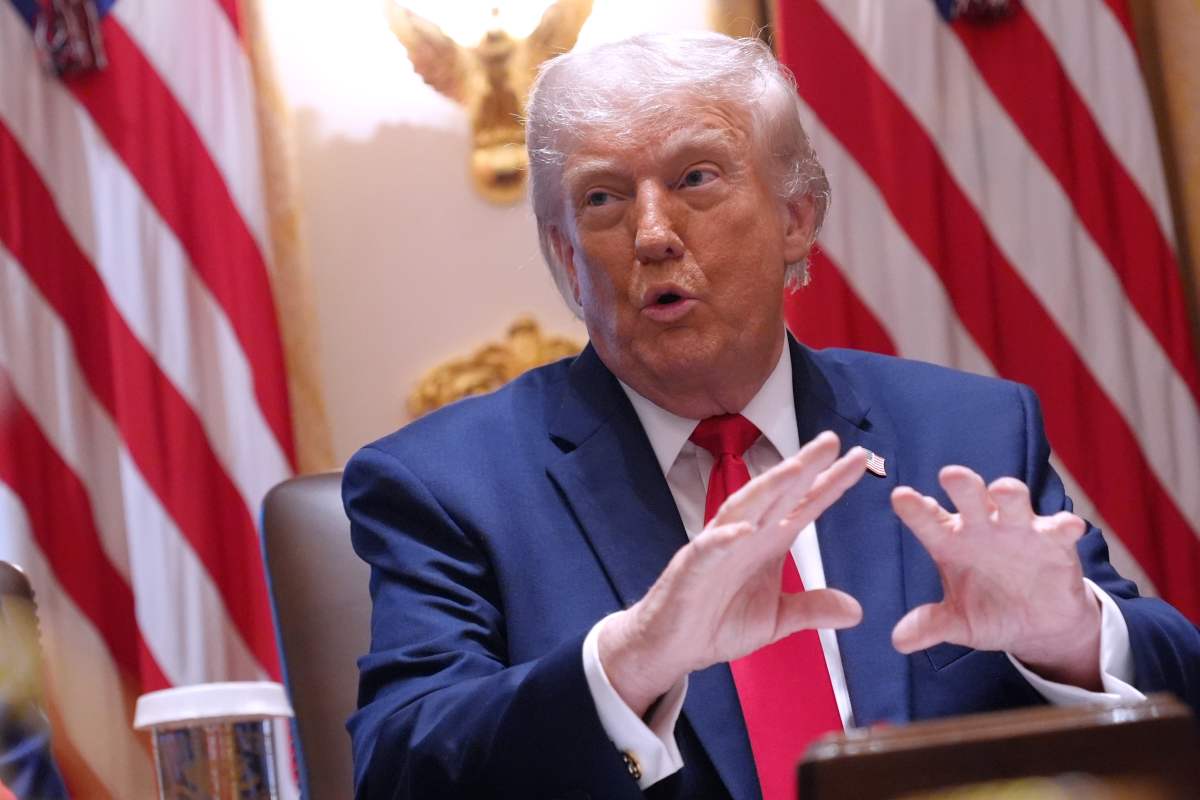
President Donald Trump struck a mixed tone, publicly insisting that Iran was “very much intent” on reaching a deal while simultaneously threatening further military action if negotiations fail.
Trump: Iran is very much intent. They want very much to make a deal. So far they haven't gotten there. We're not satisfied with it, but we will be, either that or we'll have to just finish the job. They’re negotiating on fumes. pic.twitter.com/V0tvuIqfrO
— Acyn (@Acyn) May 27, 2026
The comments came after Iran's state television reported what it said were details of a draft deal, including reopening the Strait of Hormuz and withdrawing US forces from the region.
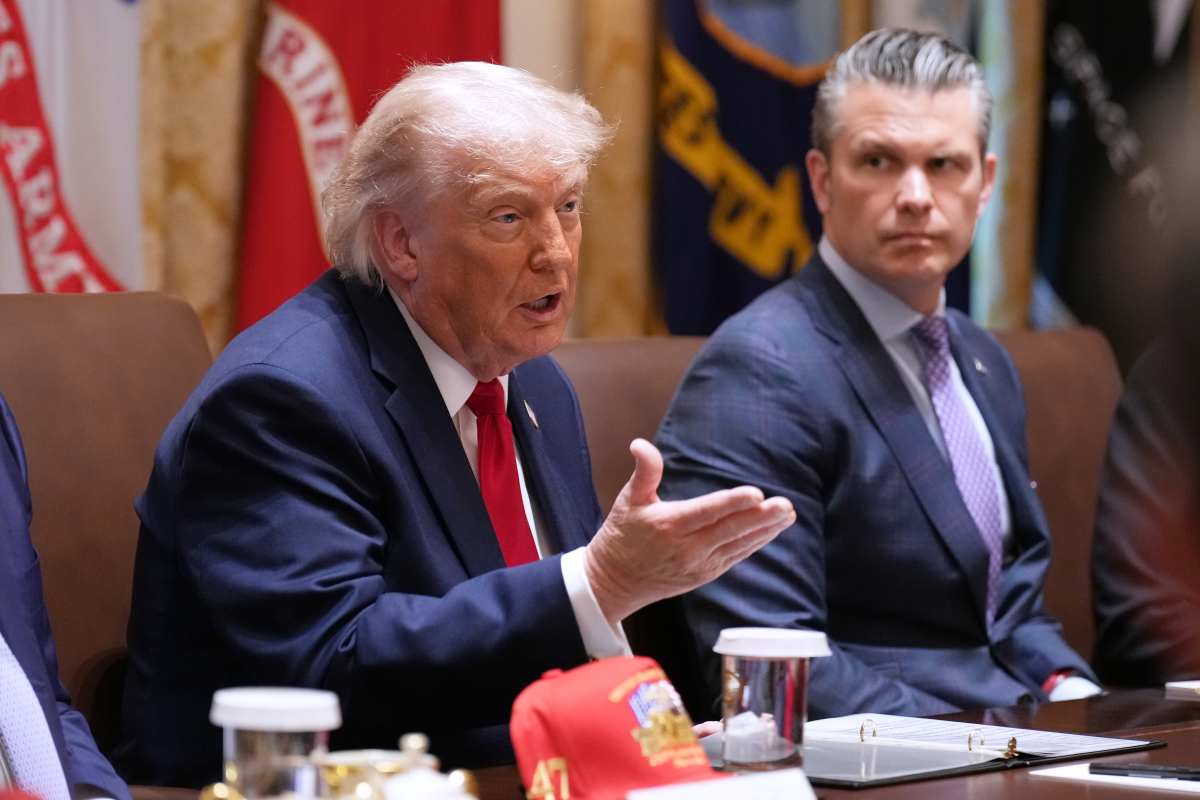
“They are starting to give us the things they have to give us, and if they do, that’s great, and if they won’t, then the man on my left will have to finish them off,” Trump said during a Cabinet meeting, referencing Defense Secretary Pete Hegseth.
Trump also said Iran was “negotiating on fumes.” “So far they haven’t gotten there. We’re not satisfied with it, but we will be, either that or we’ll have to just finish the job,” he added.
Secretary of State Marco Rubio separately acknowledged there had been “some progress” toward a potential agreement with Tehran.

What could Iran do after US strikes?
Right now, everyone’s watching Tehran, wondering if it will strike back or hold off.
Iran has made it clear it will not sit quietly if its territory is attacked, especially after the US strikes near the Strait of Hormuz earlier this week.
Now, after the American strike on Bandar Abbas, Iran’s leaders are likely feeling even more uneasy. The attack signals that Washington is willing to continue military pressure inside Iran while simultaneously discussing peace.
That creates the risk of a dangerous cycle in which each side claims it is acting defensively while military exchanges continue escalating.
As ceasefire talks continue, the drone confrontation showed just how thin the line between containment and wider conflict has become in the Persian Gulf.