US revokes Iran oil sales waiver after tanker attacks in Strait of Hormuz
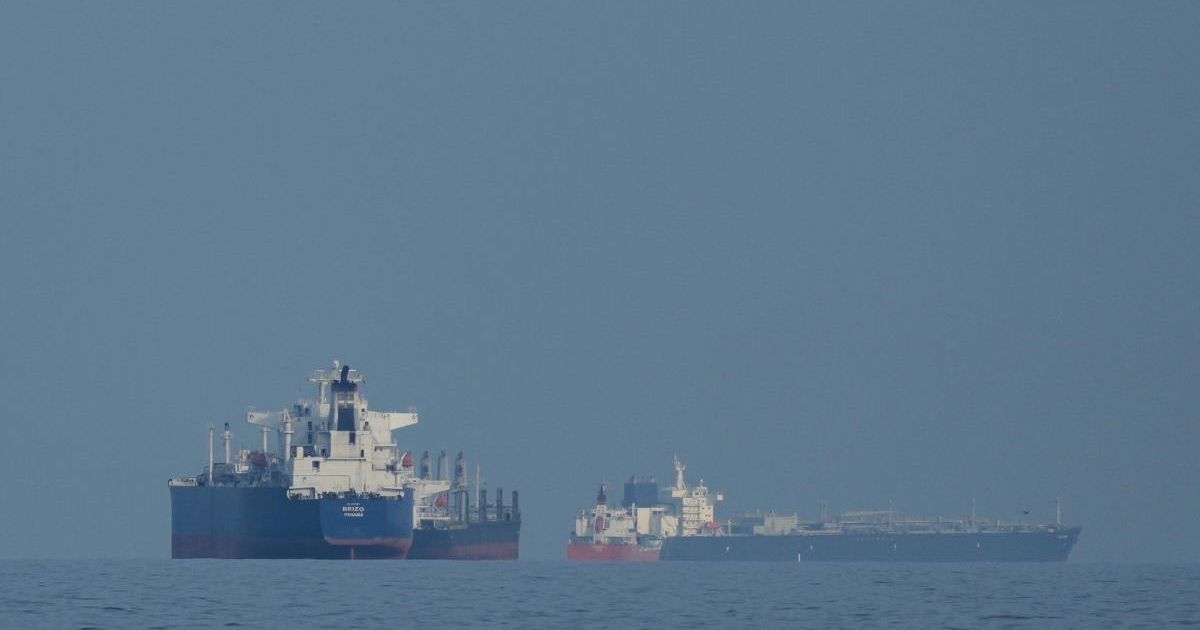
WASHINGTON, DC: The US Treasury Department has revoked its authorization allowing Iranian oil sales after a series of tanker attacks in the Strait of Hormuz this week, marking a sharp shift in Washington's policy toward Tehran.
The decision, announced on Tuesday, July 7, came just weeks after the two countries reached an interim agreement aimed at reopening one of the world's most important shipping lanes.
US officials said the attacks crossed a line and warned that Iran would now face consequences for its actions in the strategic waterway.
US withdraws Iran oil authorization after attacks on commercial tankers
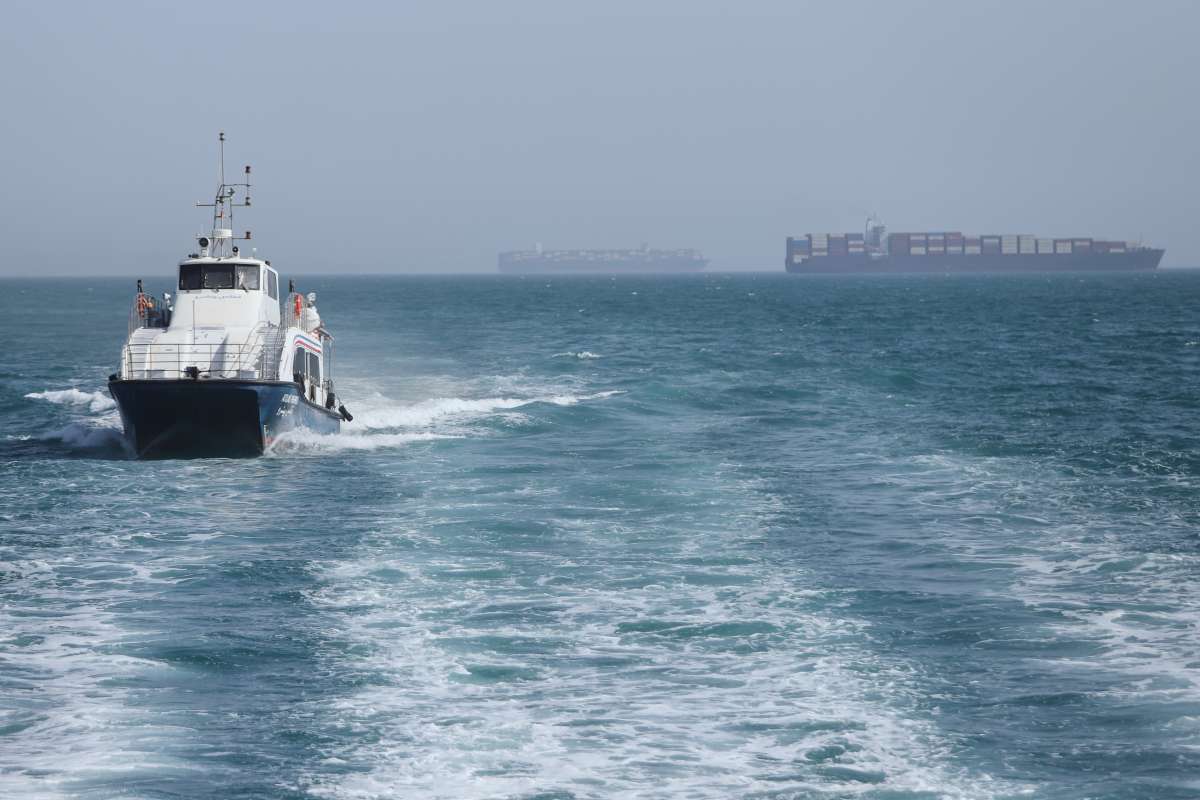
The Treasury Department's move follows attacks targeting multiple vessels operating in or near the Strait of Hormuz.
According to the Joint Maritime Information Center, a US-led naval organization that provides security updates for merchant ships in the Middle East, a liquefied natural gas tanker, an oil supertanker, and a third unidentified vessel all came under attack on Tuesday.
Following those incidents, the center raised its threat assessment for ships operating through the strait to "severe," warning mariners that hostile action by Iran is now considered likely.
A US official explained why Washington decided to revoke the authorization that had temporarily eased sanctions on Iranian oil.
"Iran will only reap benefits if they exhibit good behavior," the official told CNBC while speaking on condition of anonymity because the discussions were private.
"Iran's actions in the Strait were wholly unacceptable to the United States and will be met with consequences."
The decision effectively ends the sanctions relief that had allowed Iranian crude oil to be imported into the United States while also permitting payments to Tehran in US dollars under the temporary agreement.
Interim US-Iran agreement unraveled after shipping route dispute
The authorization had been scheduled to remain in place through August 21 after Washington and Tehran reached an interim deal last month to reopen the Strait of Hormuz.
As part of that agreement, Iran pledged to ensure safe passage for commercial vessels traveling through the critical shipping route.
However, according to the information provided, Tehran later insisted that ships should instead travel along a northern corridor under Iranian control.
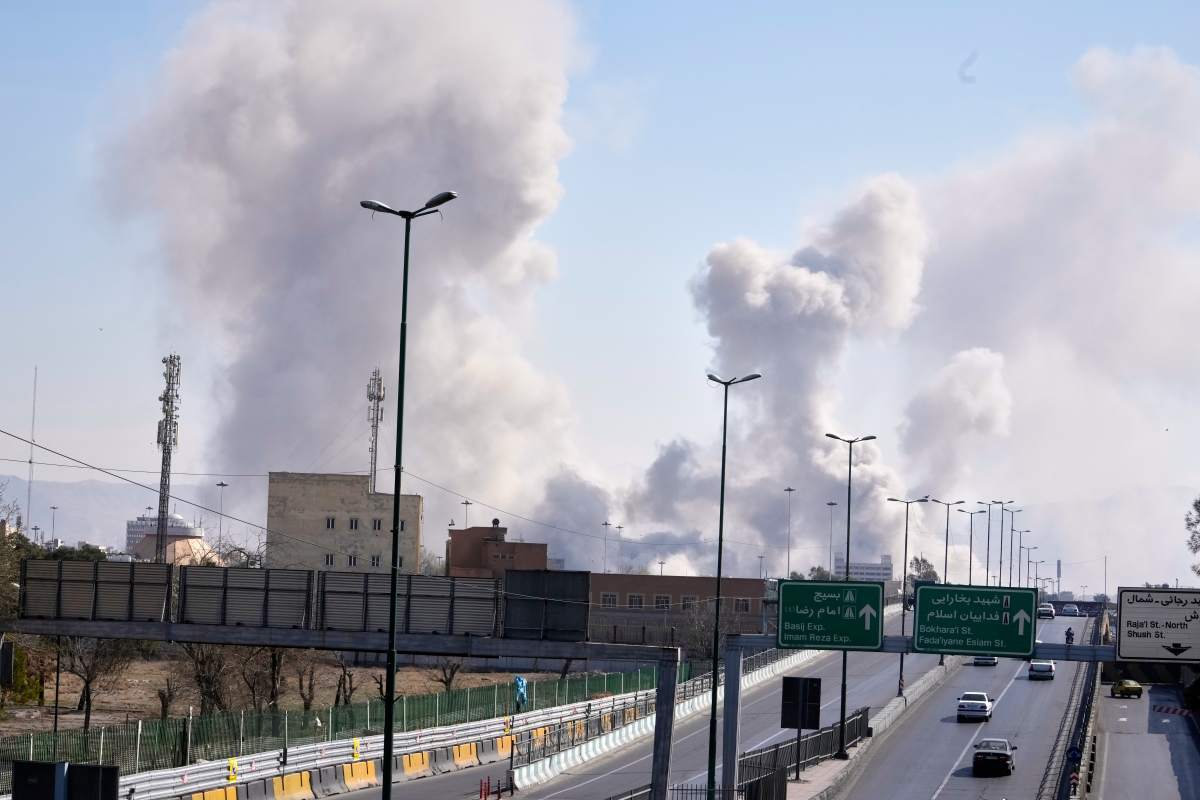
The report says Iran subsequently attacked vessels using the US Navy-protected shipping route along the coast of Oman, raising tensions and placing renewed pressure on the agreement reached only weeks earlier.
The latest developments represent a significant breakdown in the understanding that had temporarily eased restrictions on Iranian oil exports.
Critics had already described the sanctions waiver as a major concession to the Islamic Republic before it was ultimately revoked.
Maritime security concerns continue to grow in the Strait of Hormuz
The latest attacks have added to growing concerns about maritime security in one of the world's busiest energy corridors.
Michelle Wiese Bockmann, senior maritime intelligence analyst at Windward, said the attacks appear to be part of a broader effort by Iran to pressure neighboring oil producers.
"This is part of this sporadic targeted campaign by Iran to destabilize that southern corridor and send a message to Gulf state producers that are not sending their oil via that northern corridor," she said.
Her assessment suggests the attacks are aimed not only at disrupting shipping but also at influencing which routes commercial vessels choose when traveling through the region.