US strikes Iran days after Trump says Tehran was given 'a week off' for Khamenei funeral
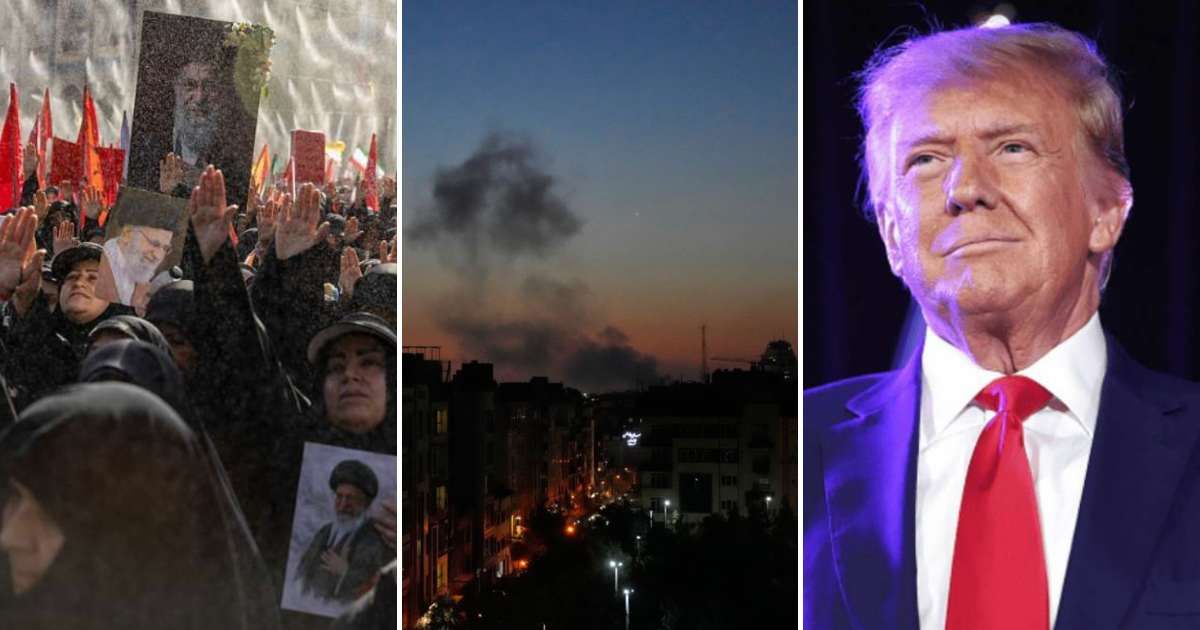
WASHINGTON DC: The United States on Tuesday, July 7, launched a series of military strikes against Iran after accusing Tehran of attacking commercial vessels transiting the Strait of Hormuz, escalating tensions just weeks after both countries signed a memorandum of understanding (MoU) aimed at reducing hostilities.
US Central Command (CENTCOM) said the operation was intended to impose "heavy costs" following attacks on three commercial ships in the strategic waterway. Iranian officials condemned the strikes, accusing Washington of violating the agreement and warning that Tehran would take "decisive measures" to protect its national interests.
CENTCOM says strikes respond to attacks on commercial shipping
CENTCOM announced in a statement posted on X that American forces had begun carrying out what it described as a series of "powerful strikes" against Iran.
"US Central Command forces have begun launching a series of powerful strikes against Iran to impose heavy costs for targeting and attacking commercial shipping crewed by innocent civilians in an international waterway," CENTCOM said.
U.S. Central Command forces have begun launching a series of powerful strikes against Iran to impose heavy costs for targeting and attacking commercial shipping crewed by innocent civilians in an international waterway. The U.S. strikes are in response to Iranian attacks on three…
— U.S. Central Command (@CENTCOM) July 7, 2026
"The US strikes are in response to Iranian attacks on three commercial vessels that were transiting the Strait of Hormuz. Iran's demonstrated aggression was unwarranted, dangerous, and a clear violation of the ceasefire," the command added.
A US official said that the military operation was a "direct result" of what Washington described as international acts of extremism against commercial vessels. "The Iranians know the consequences to their ridiculous actions, yet they still chose to carry out these attacks," the official said.
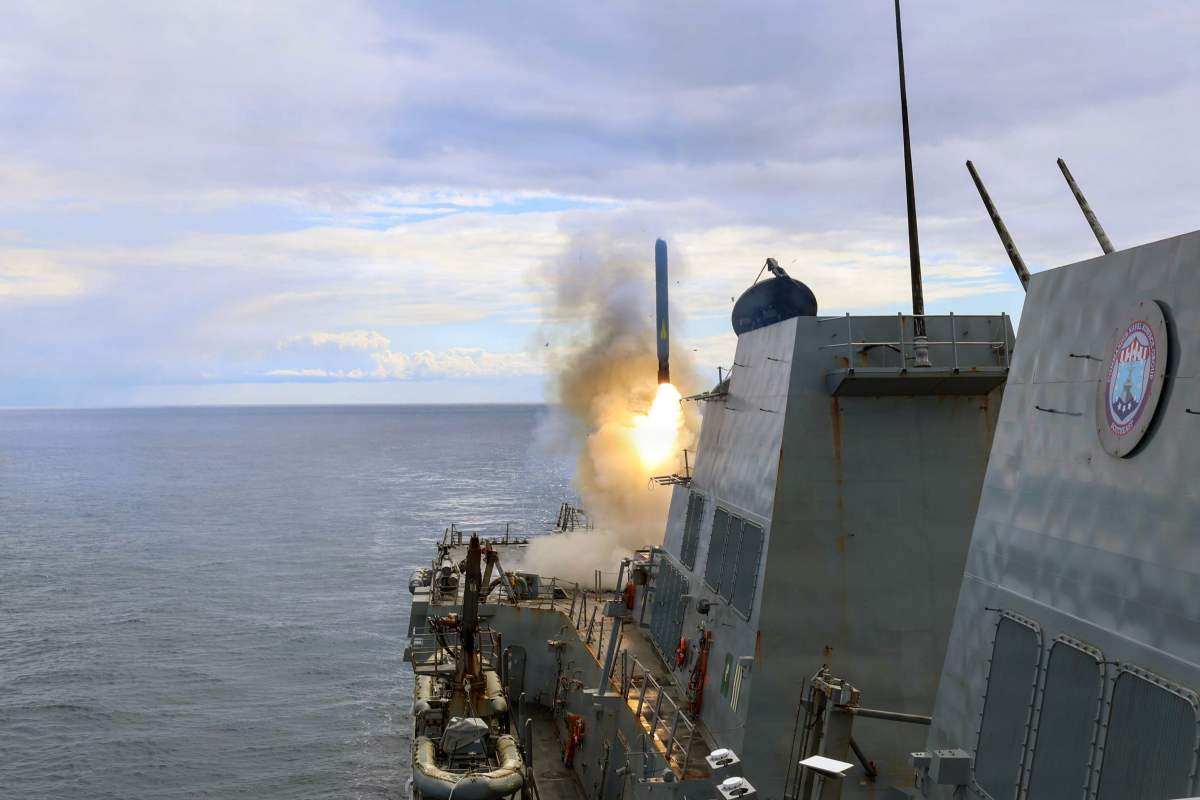
The latest escalation followed multiple reported attacks on commercial tankers in and around the Strait of Hormuz. The United Kingdom Maritime Trade Operations (UKMTO) previously reported vessels sustaining damage after being struck by projectiles while transiting the waterway.
UKMTO WARNING 082-26
— UKMTO Operations Centre (@UK_MTO) July 7, 2026
Click here to view UKMTO Products⤵️https://t.co/WONv2QkMJu#MaritimeSecurity #MarSec pic.twitter.com/mJIxl6Y93G
Iranian state media reported that strikes hit Qeshm Island, Bandar Abbas, and Sirik, with several people reportedly injured by shrapnel. No fatalities had been reported so far.
Iran accuses US of violating agreement, as Trump previously signaled pause
Iran's Deputy Foreign Minister Kazem Gharibabadi condemned the US operation and earlier revocation of an oil sanctions waiver, arguing both actions violated the memorandum of understanding signed between Washington and Tehran last month.
Gharibabadi described the sanctions decision as a "blatant violation" of the agreement and said Iran would take "decisive actions" to safeguard its national security and interests. Iran's foreign ministry also criticized Washington for what it called repeated violations of the understanding and accused the United States of acting in "bad faith."
اقدام آمریکا در لغو اسقاطیه تحریم فروش نفت ایران، مصداق نقض فاحش بند ۱۰ و عملیات های نظامی بعدی این کشور علیه ایران نیز مصداق نقض جدی بندهای ۱ و ۲ یادداشت تفاهم اسلام آباد میباشد. (۱)
— Gharibabadi (@Gharibabadi) July 7, 2026
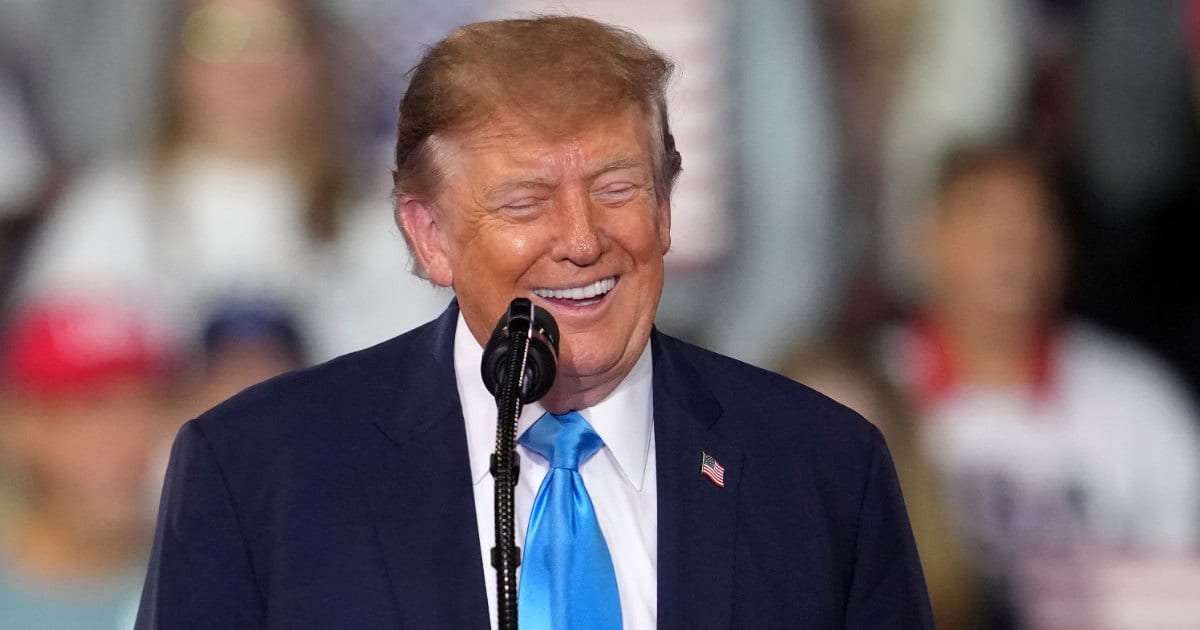
The strikes came shortly after President Donald Trump suggested the US had delayed action during Iran's mourning period. Speaking during America's 250th Independence Day celebrations, Trump said, "We gave them a week off because we're nice."
Trump "We dismantled Iran, gave them a week's break for the funeral because we're nice"
— Hananya Naftali (@HananyaNaftali) July 4, 2026
Well, you're not supposed to be nice with your enemies. pic.twitter.com/XbHORIaweE
Trump's remarks referred to the funeral period following the death of Iran's late supreme leader, whose burial ceremonies have continued in recent days.
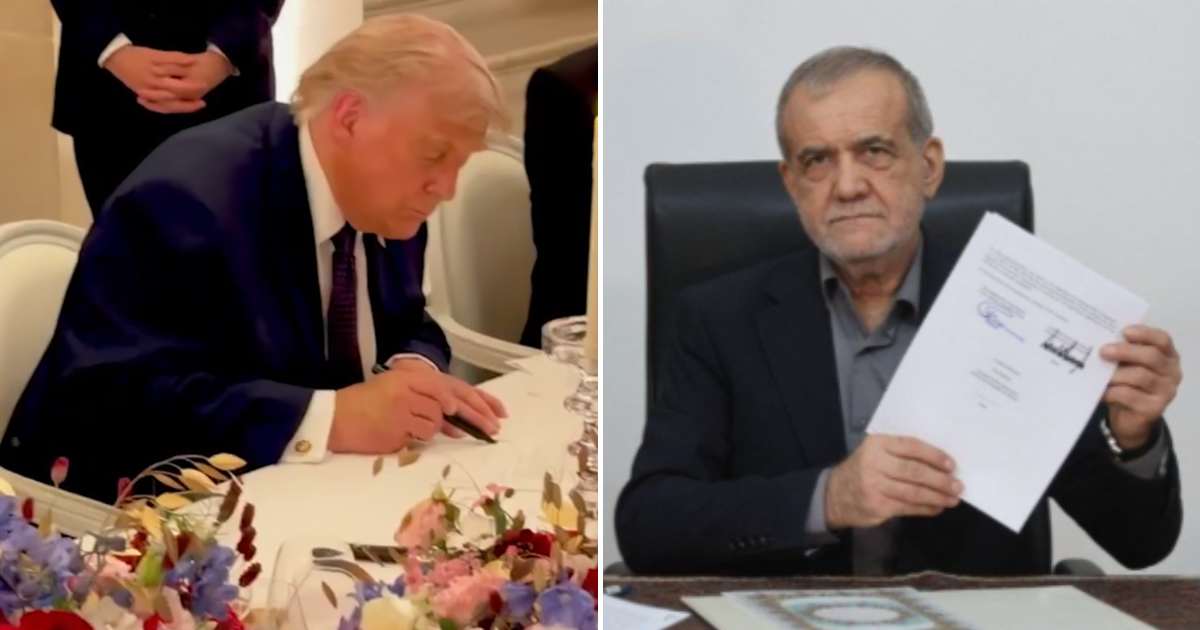
The MoU signed last month had extended a ceasefire between the two countries and included commitments related to maritime security and future discussions over the administration of the Strait of Hormuz, one of the world's busiest energy shipping routes.