Trump proposes US as 'Guardian of Hormuz Strait,' seeks 20% cargo reimbursement
WASHINGTON, DC: President Donald Trump unveiled one of his most ambitious foreign policy proposals since the Iran conflict, declaring the United States the new "Guardian of the Hormuz Strait" while announcing the reinstatement of what he called an "Iranian blockade."
In a Truth Social post, Trump said the strategic waterway would remain open for international commerce but proposed that the US receive reimbursement equal to 20% of all cargo shipped through the strait in exchange for providing maritime security.
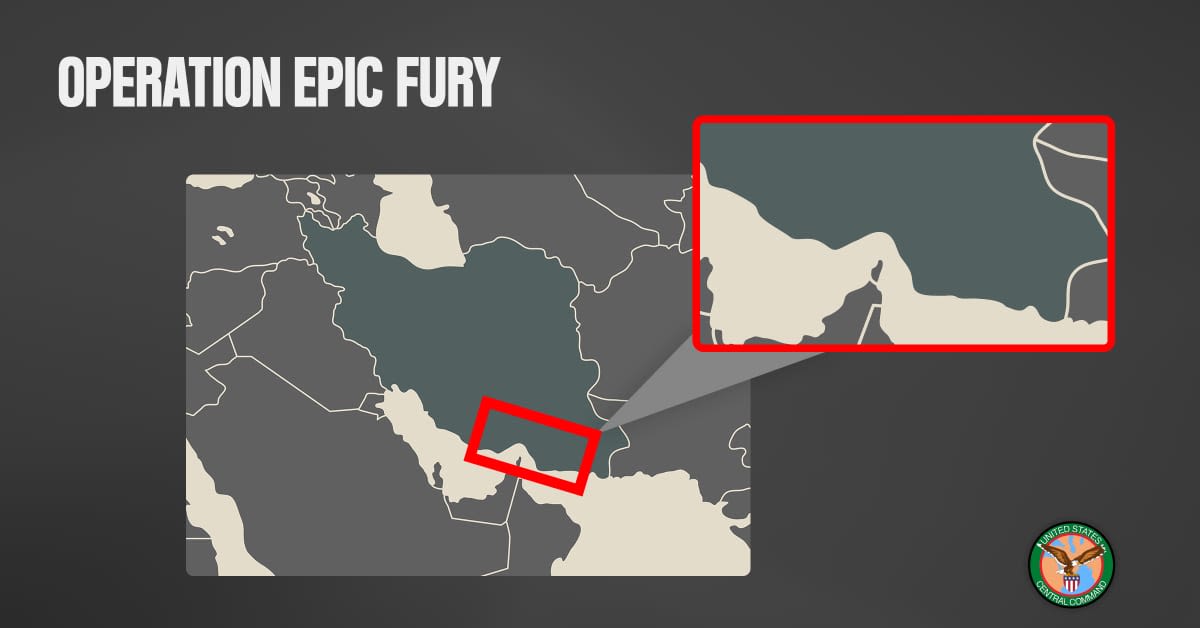
The announcement comes after weeks of heightened tensions with Iran and repeated attacks on commercial vessels near the Strait of Hormuz, one of the world's most critical energy corridors through which roughly one-fifth of global oil supplies pass.
Trump unveils sweeping maritime plan
Trump said the Strait of Hormuz would remain open "with or without Iran" and insisted the new blockade would target only Iranian ships and customers.
"The Hormuz Strait is OPEN, and will remain OPEN, with or without Iran," Trump wrote. "We are reinstating the Iranian Blockade, so named because it is only stopping Iran's ships or customers from entering or leaving."
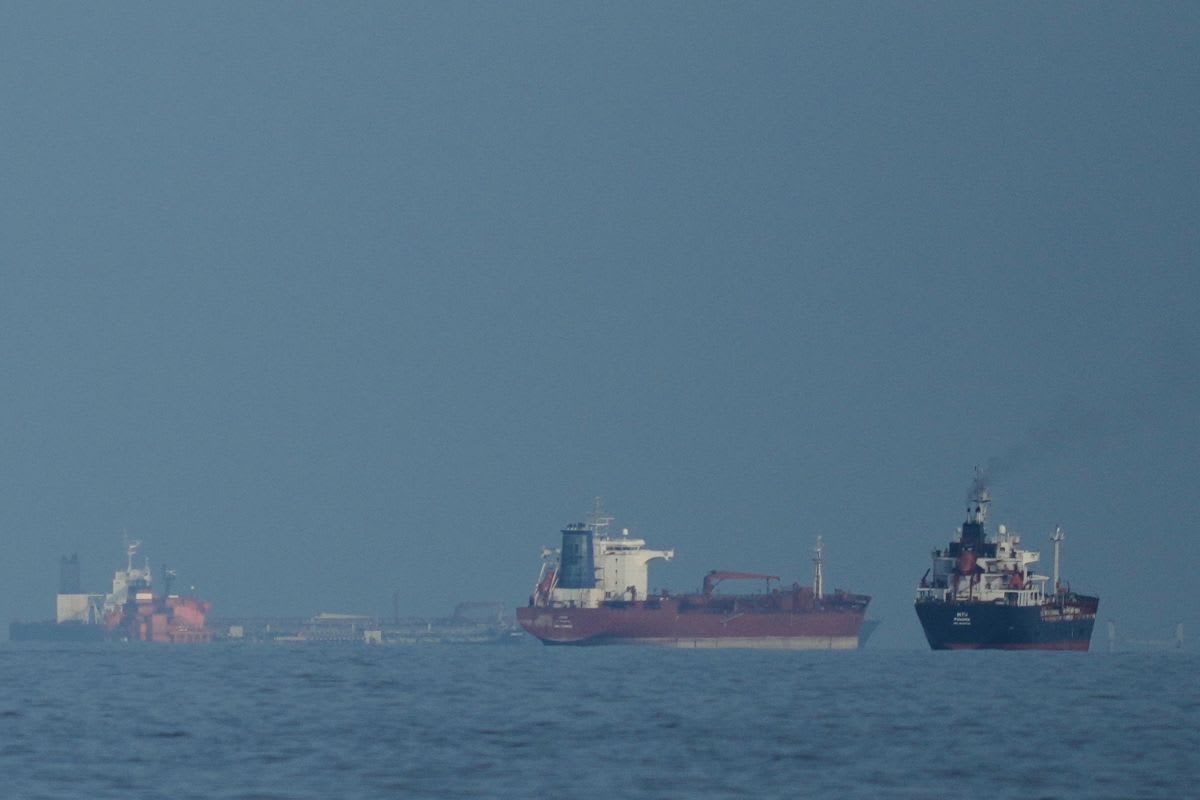
He added that all other countries would continue to enjoy unrestricted access to the waterway while the United States assumes responsibility for protecting commercial traffic.
Trump also announced that the US would now be known as the "Guardian of the Hormuz Strait," describing the mission as necessary to preserve global shipping through what he called a volatile region.
Twenty percent cargo fee proposed
The most striking element of Trump's announcement was his proposal that the United States receive reimbursement equivalent to 20% of all cargo moving through the strait.
According to Trump, the payment would compensate Washington for the military and logistical costs of safeguarding one of the world's busiest maritime chokepoints.
"The U.S.A. will... be reimbursed, at the rate of 20% on all cargo shipped, for any and all costs necessary to do the job of providing safety and security," he wrote, adding that implementation would begin immediately.
Trump did not explain how such payments would be collected, whether they would require agreements with foreign governments, or under what legal authority the reimbursement system would operate.
Global trade implications emerge
The Strait of Hormuz connects the Persian Gulf with the Gulf of Oman and the Arabian Sea, making it one of the world's most strategically significant shipping lanes. Major oil exporters including Saudi Arabia, Iraq, Kuwait, Qatar and the United Arab Emirates rely heavily on the passage to transport crude oil and liquefied natural gas to international markets.
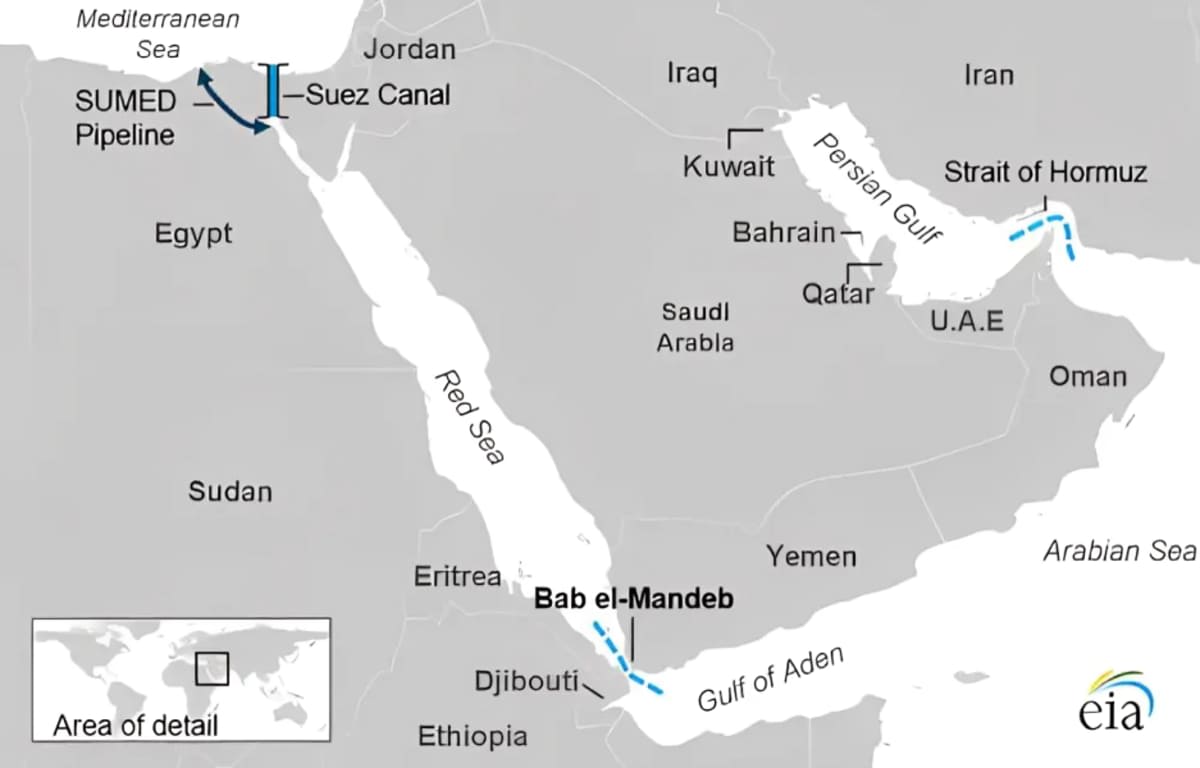
Trump's proposal therefore carries implications extending well beyond US-Iran relations, potentially affecting energy markets, international shipping companies and America's allies that depend on uninterrupted access to the route.
It also marks another escalation in Trump's post-conflict approach toward Iran, following recent statements declaring the previous understanding with Tehran effectively over while pledging to keep pressure on the Iranian government.
Questions remain over implementation
While Trump's announcement immediately drew attention because of its sweeping scope, key operational questions remain unanswered.
The president did not specify whether allied naval forces would participate in the mission, how ships would qualify for unrestricted passage, or whether Congress or international partners would have any role in authorizing the reimbursement proposal.