Israel’s Beirut strike derails Iran-US talks, raises risk of regional conflict
WASHINGTON, DC: Iran has suspended negotiations with the United States following Israel’s latest strike on Hezbollah-controlled areas of Beirut, casting fresh uncertainty over a diplomatic process that had been viewed as a possible path toward easing tensions across the Middle East.
According to Iran’s semi-official Tasnim news agency, Tehran halted all "talks and exchanges of texts through mediators" after concluding that ceasefire conditions linked to Lebanon had been violated.
The move comes at a particularly sensitive moment for regional diplomacy, with recent US-Iran contacts focused on preventing a broader conflict and reducing threats to critical international shipping lanes.
Araghchi says ceasefire covers all fronts
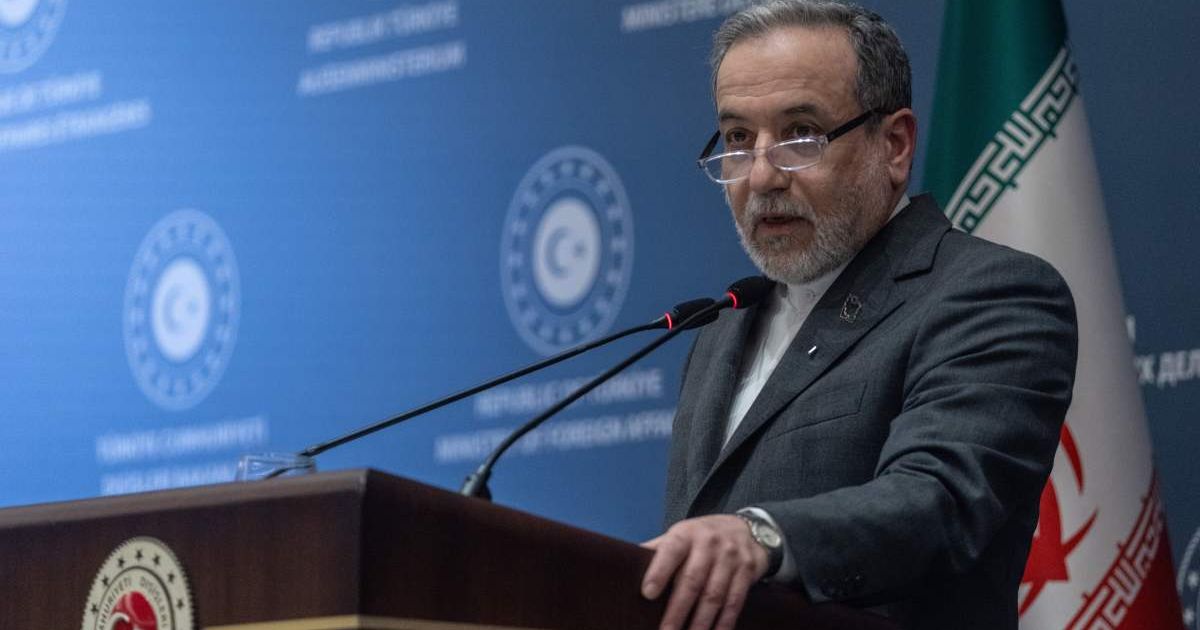
Iranian Foreign Minister Abbas Araghchi escalated tensions Monday by warning that the ceasefire between Tehran and Washington applies not only to Iran but also to regional theaters, including Lebanon.
For immediate attention:
— Seyed Abbas Araghchi (@araghchi) June 1, 2026
The ceasefire between Iran and the US is unequivocally a ceasefire on all fronts, including in Lebanon.
Its violation on one front is a violation of the ceasefire on all fronts.
The US and Israel are responsible for the consequences of any violation.
In a post on X, Araghchi said that "its violation on one front is a violation of the ceasefire on all fronts," adding that both the United States and Israel would be responsible for any consequences arising from breaches of the agreement.
The statement came shortly after Iran suspended talks with the US, signaling that Israel's strike on Beirut could have wider implications for ongoing diplomatic efforts.
Beirut strike triggers diplomatic freeze
Tasnim reported that Iran's negotiating team decided to suspend communications with the United States following what it described as the continuation of Israeli military operations in Lebanon.
Iran argued that developments in Lebanon were tied directly to ceasefire understandings and said those conditions had now been breached.
🇮🇱🇱🇧 Israeli Prime Minister Benjamin Netanyahu:
— HOT SPOT (@HotSpotHotSpot) June 1, 2026
“There will be no situation where Hezbollah attacks our cities and our citizens while the terror headquarters in Dahieh remain off limits. We continue to deepen our activity on the ground in southern Lebanon and eliminate… pic.twitter.com/9Az75Xbhq2
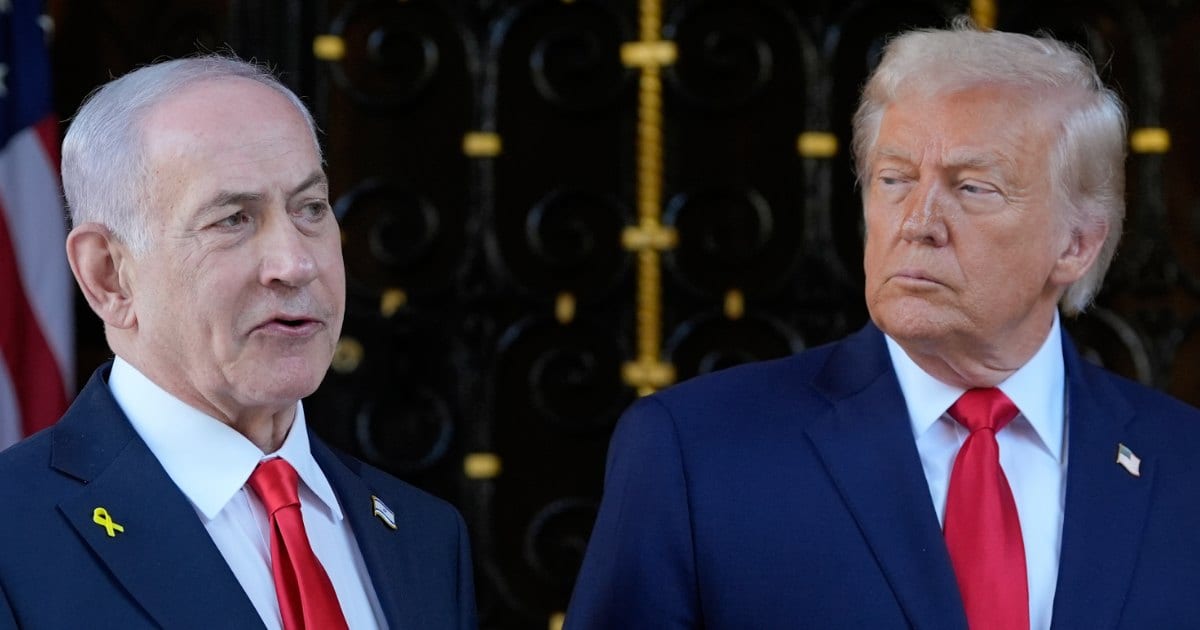
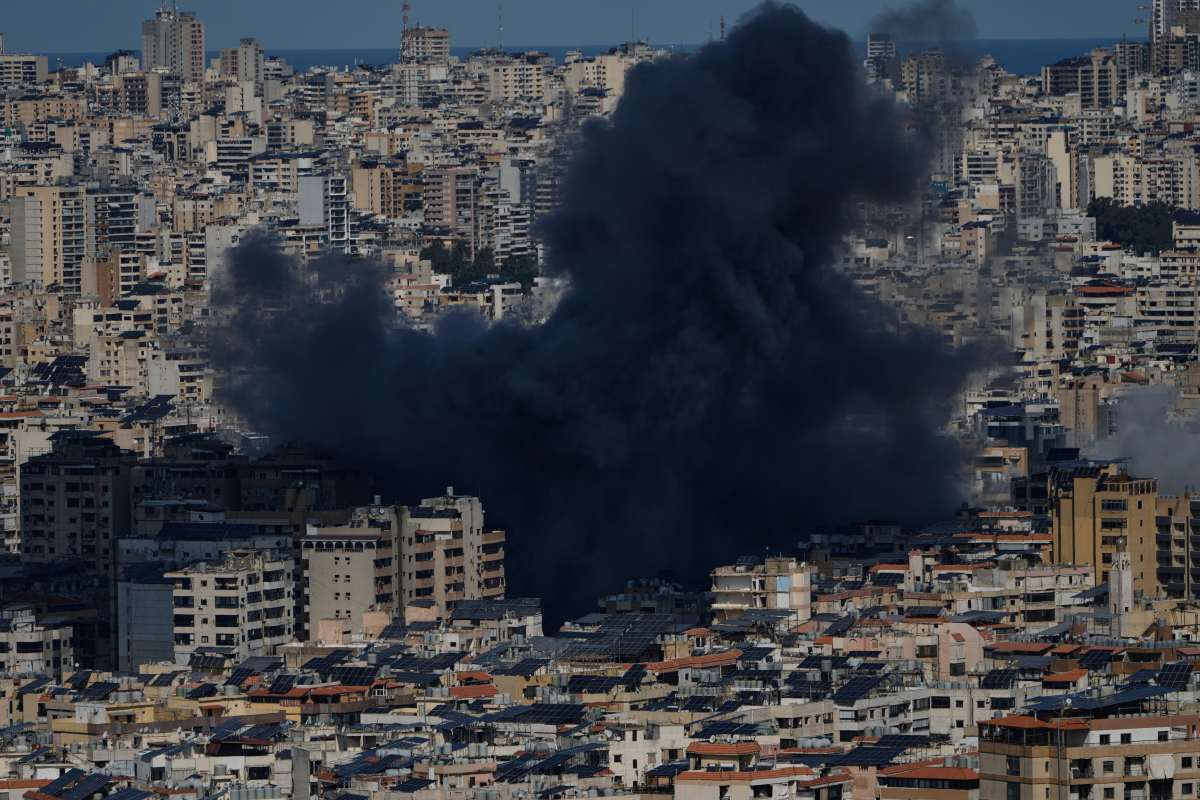
Earlier Monday, Israeli Prime Minister Benjamin Netanyahu instructed the Israeli military to carry out a strike on Beirut's Dahieh district, a southern suburb widely regarded as a Hezbollah stronghold.
An Israeli official said that plans for the strike were coordinated with the United States. The White House has not publicly commented on Iran's decision.
Tehran links Lebanon and Gaza
Iran is now demanding an immediate halt to Israeli military operations in both Gaza and Lebanon, according to Tasnim.
The report said Tehran also wants a full Israeli military withdrawal from Lebanon before any negotiations can resume. Until those conditions are met, Iran has indicated that diplomatic engagement will remain suspended.
The development raises questions about the future of ongoing diplomatic efforts and whether recent military actions could derail attempts to prevent a wider regional confrontation.
Iran has also recently criticized US actions targeting Iranian radar and drone-related sites, adding another layer of friction between Washington and Tehran as negotiations stall.
Hormuz threat raises regional fears
Tasnim reported that Tehran and allied groups have placed the "complete closure of the Strait of Hormuz" on their agenda, alongside possible action involving the Bab el-Mandeb Strait at the southern entrance to the Red Sea.
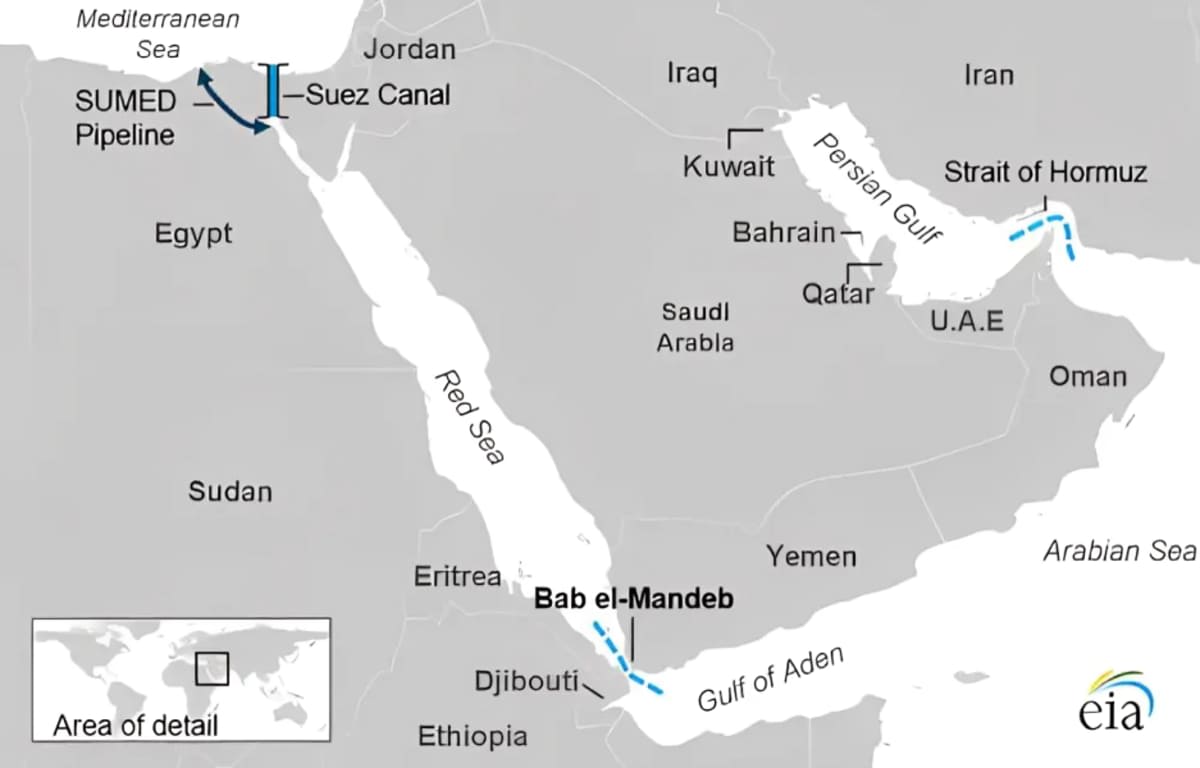
The Bab el-Mandeb waterway has previously been targeted by Yemen's Iran-backed Houthi movement, which has launched attacks against commercial shipping.
The renewed threat against two of the world's most important maritime chokepoints is likely to intensify concerns that the fallout from the Beirut strike could extend beyond Lebanon and draw additional actors into the conflict.
For now, the suspension of talks has placed the US-Iran diplomatic track on hold, while raising fresh questions about whether the region is moving toward renewed escalation rather than a negotiated settlement.