Graham calls Trump’s Abraham Accords expansion ‘most significant Middle East shift in years’
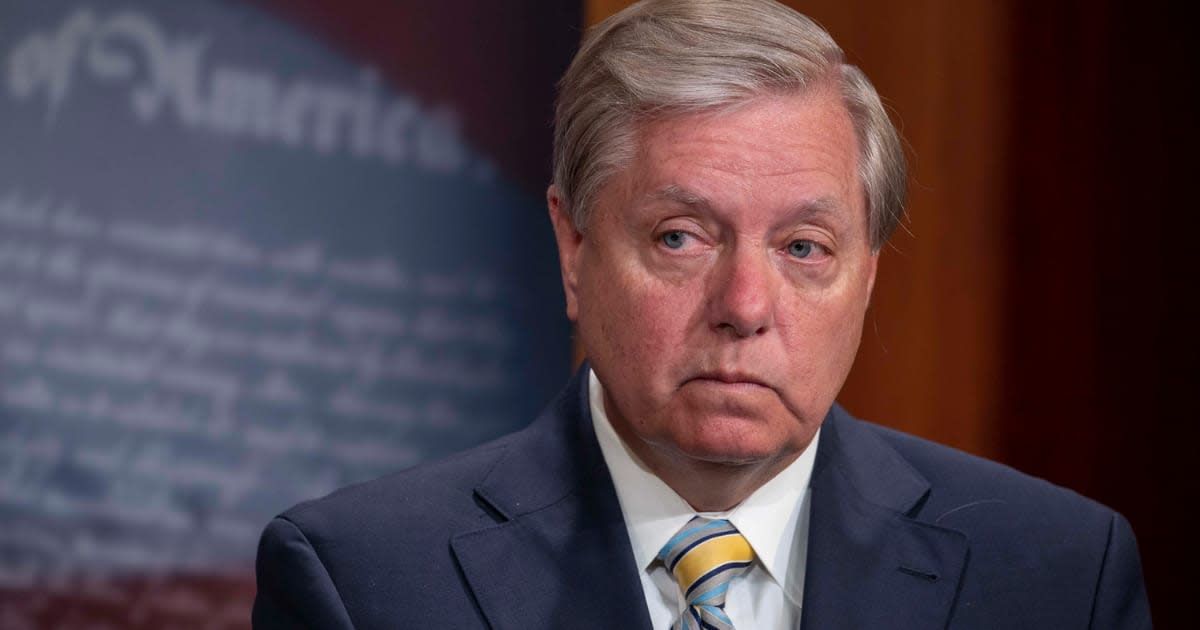
WASHINGTON, DC: Senator Lindsey Graham (R-SC) has delivered a ringing endorsement of the administration's high-stakes foreign policy strategy, praising President Donald J Trump’s new executive demand to force multiple Arab and Muslim nations into the Abraham Accords.
Labeling the aggressive diplomatic maneuver as "simply brilliant," Graham declared that tying an impending Iran peace settlement to a sweeping regional pact represents a historic opportunity to reshape international relations.
President Trump’s most recent proposal requiring expansion of the Abraham Accords as part of a negotiated settlement to the Iran conflict is simply brilliant and would result in the most significant change in the Middle East in thousands of years.
— Lindsey Graham (@LindseyGrahamSC) May 25, 2026
With Saudi Arabia and others…
Writing on the social platform X, the senior lawmaker asserted that the integration plan would completely transform the regional map.
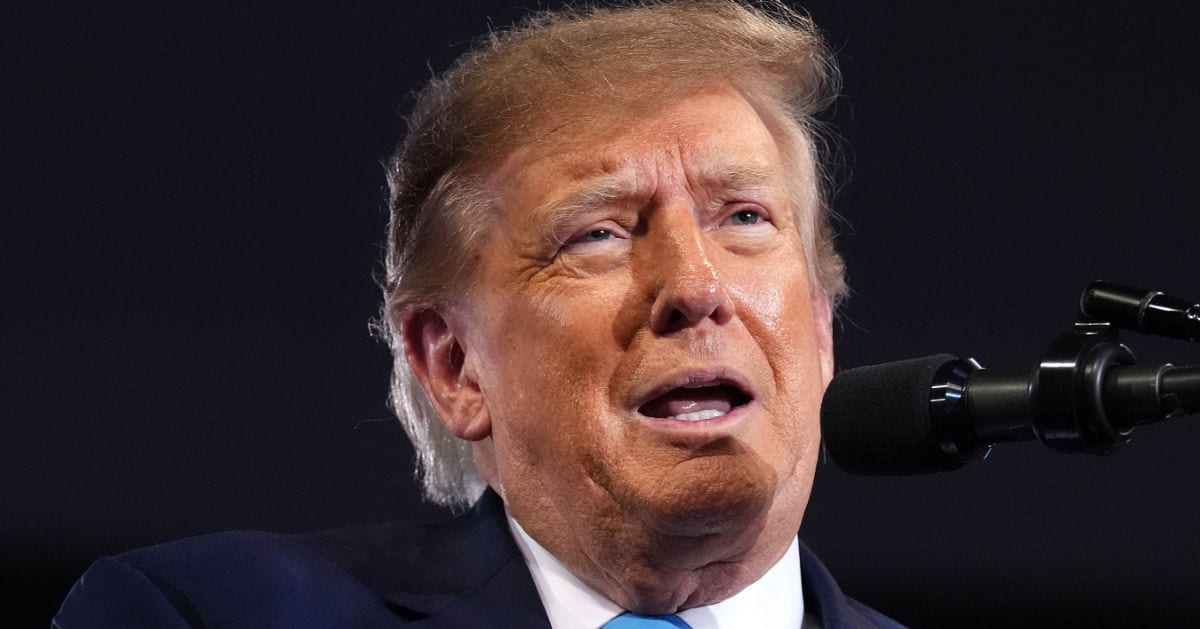
"President Trump’s most recent proposal requiring expansion of the Abraham Accords as part of a negotiated settlement to the Iran conflict is simply brilliant and would result in the most significant change in the Middle East in thousands of years," Graham stated.
He added that drawing non-signatory nations into a unified pro-Israel framework would unlock a level of regional stability never dreamed of before, shifting the zone from a dangerous powder keg into a permanent economic powerhouse.
White House issues normalization directives
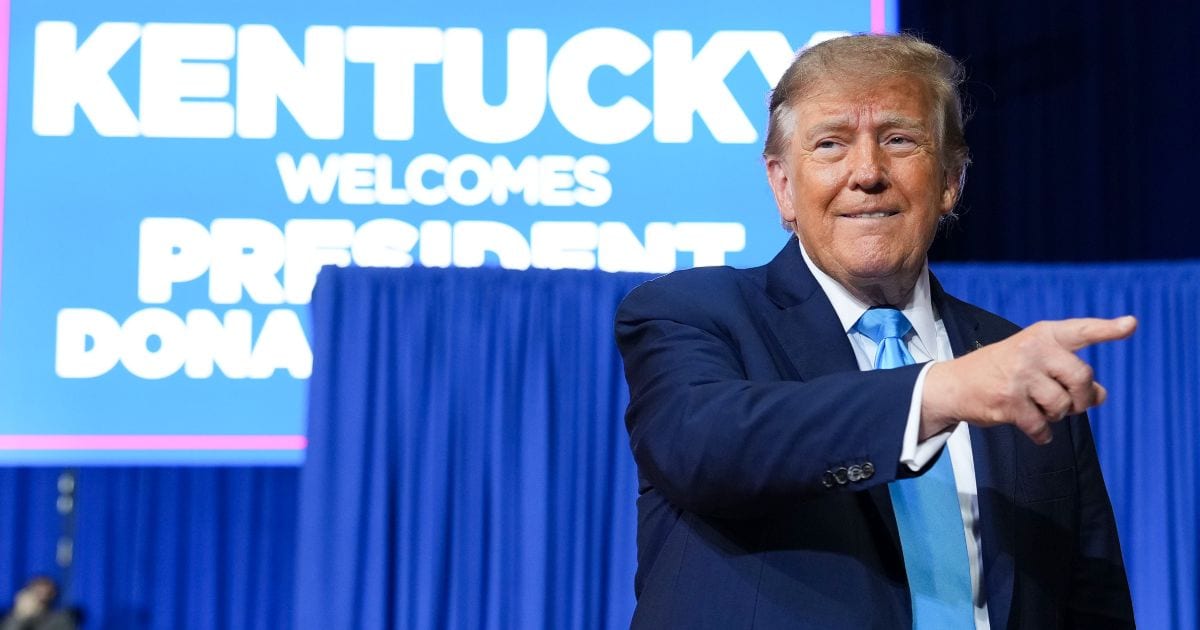
The congressional backing follows an explicit directive issued by Trump on Truth Social on Monday, where the President revealed the inner mechanics of his high-level Saturday conference call.
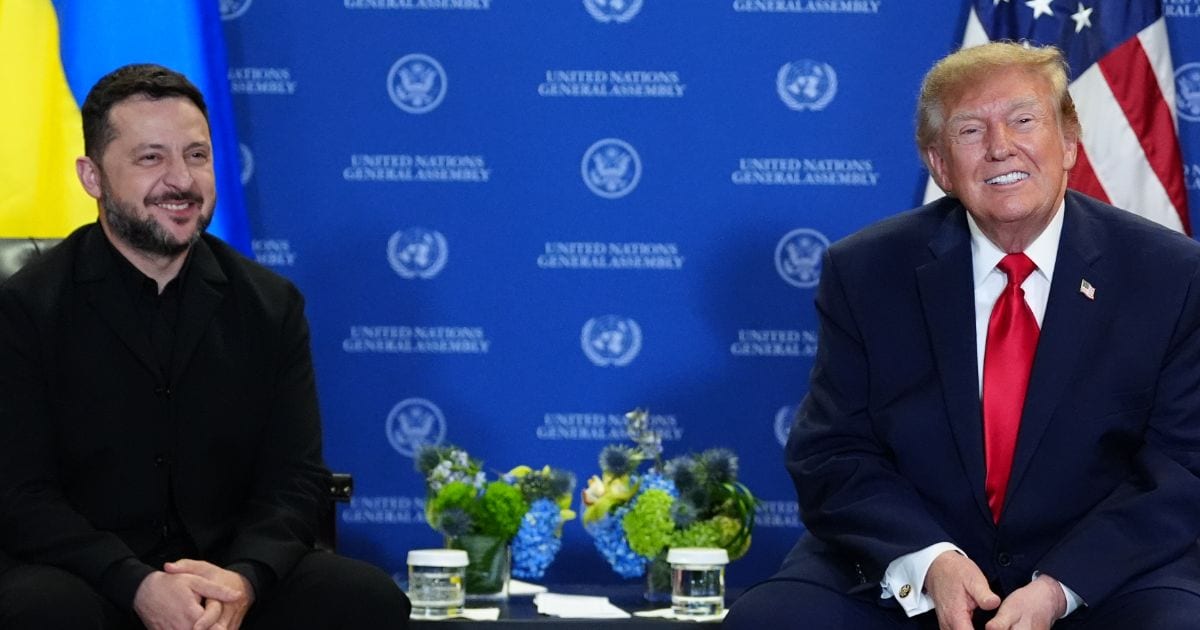
Trump confirmed he held detailed discussions with the leaders of Saudi Arabia, the United Arab Emirates, Qatar, Pakistan, Turkey, Egypt, Jordan, and Bahrain to piece together a complex diplomatic puzzle.
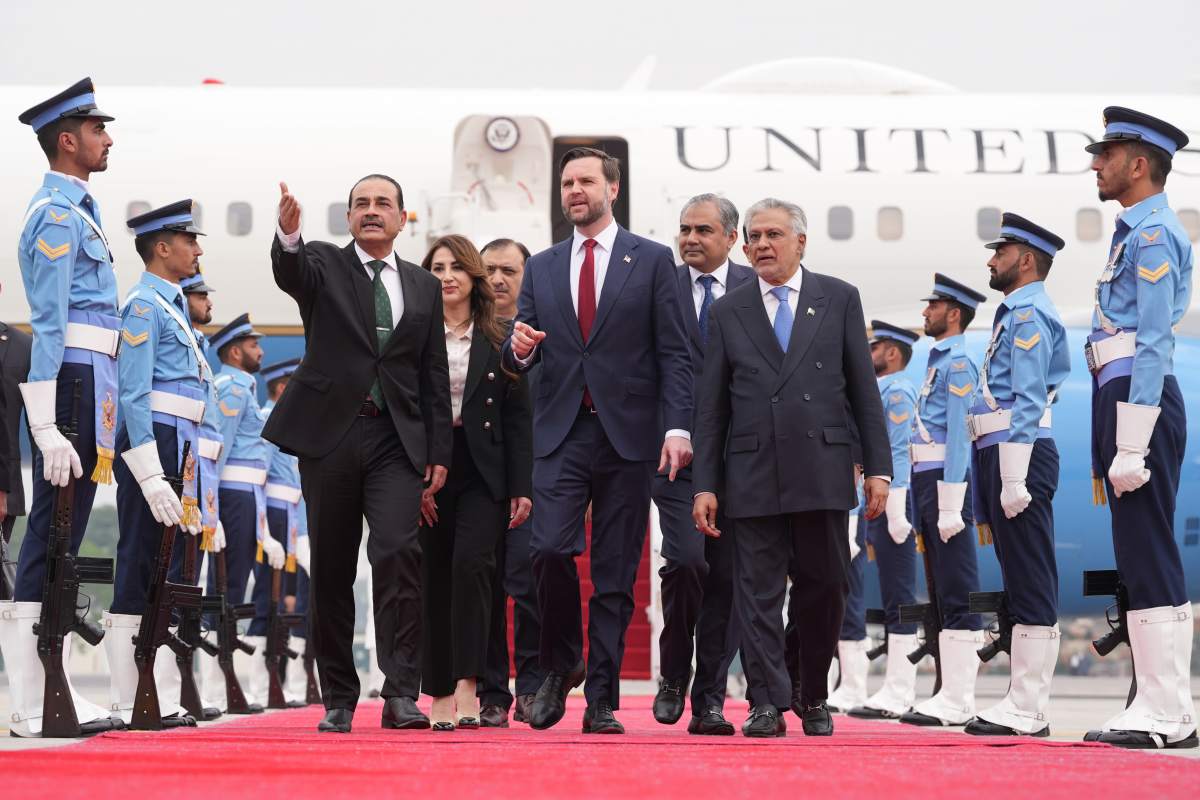
Trump announced that after the extensive security work executed by the United States to end the war, it should be mandatory for all participating countries to simultaneously sign onto the normalization pacts.
While acknowledging that one or two nations might possess specific domestic reasons for a temporary delay, the President asserted that the vast majority must be ready, willing, and able to comply.
Trump announced that he has formally directed his representatives to begin and complete the expanded signing process immediately.
Riyadh, Doha face alignment demands
The administration's geopolitical playbook explicitly dictates that the expansion must begin with the immediate signing by Saudi Arabia and Qatar.
Trump warned that any nation refusing to enter the normalized alliance should be completely excluded from the broader benefits of the final Iran settlement, stating that non-compliance highlights a distinct display of bad intentions.
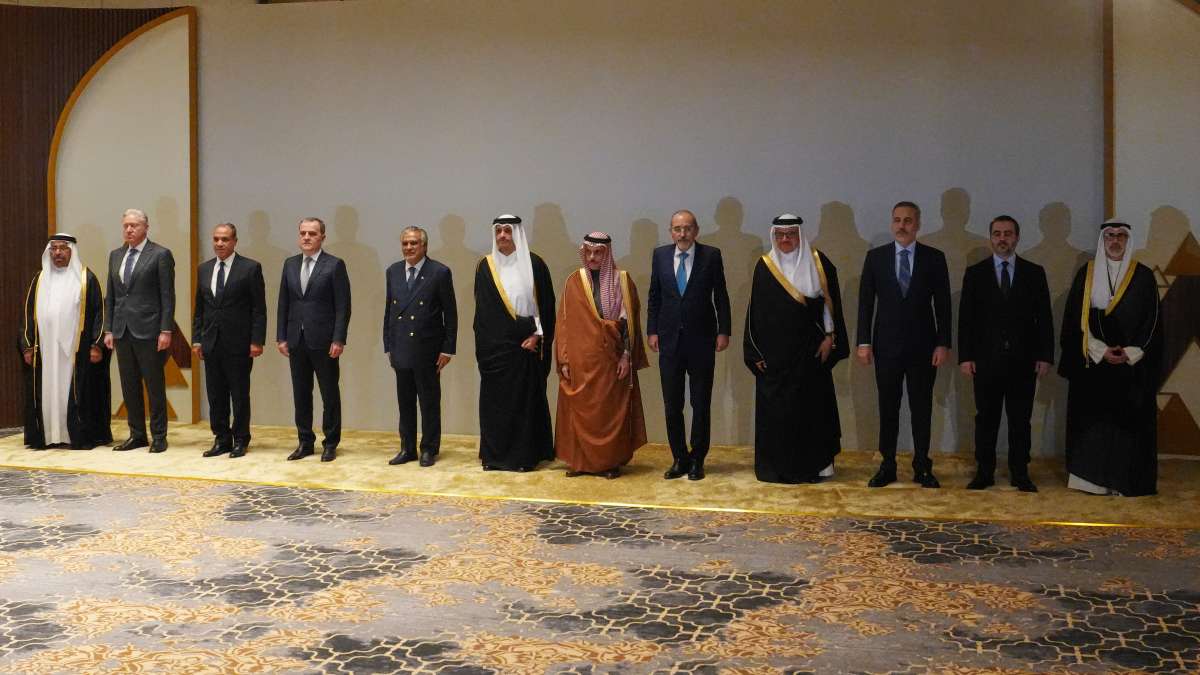
Trump even suggested the possibility of Iran eventually joining the alliance.
The President claimed that multiple regional heads of state would be deeply honored to welcome a transformed Tehran into what he described as an unparalleled world coalition, creating a permanent document of international prestige.
Capitol sets policy consequences for non-compliance

Graham moved swiftly to reinforce the White House's mandatory timeline, warning regional allies that rejecting Trump's normalization plan will carry severe operational consequences for future diplomatic relationships with Washington.
The senator emphasized that a refusal to go down the path of integration would render the entire pending peace proposal unacceptable to Capitol Hill, framing any hesitation by Arab partners as a major historical miscalculation.