'Are you still there': Trump links Abraham Accords to Iran war talks in surprise move
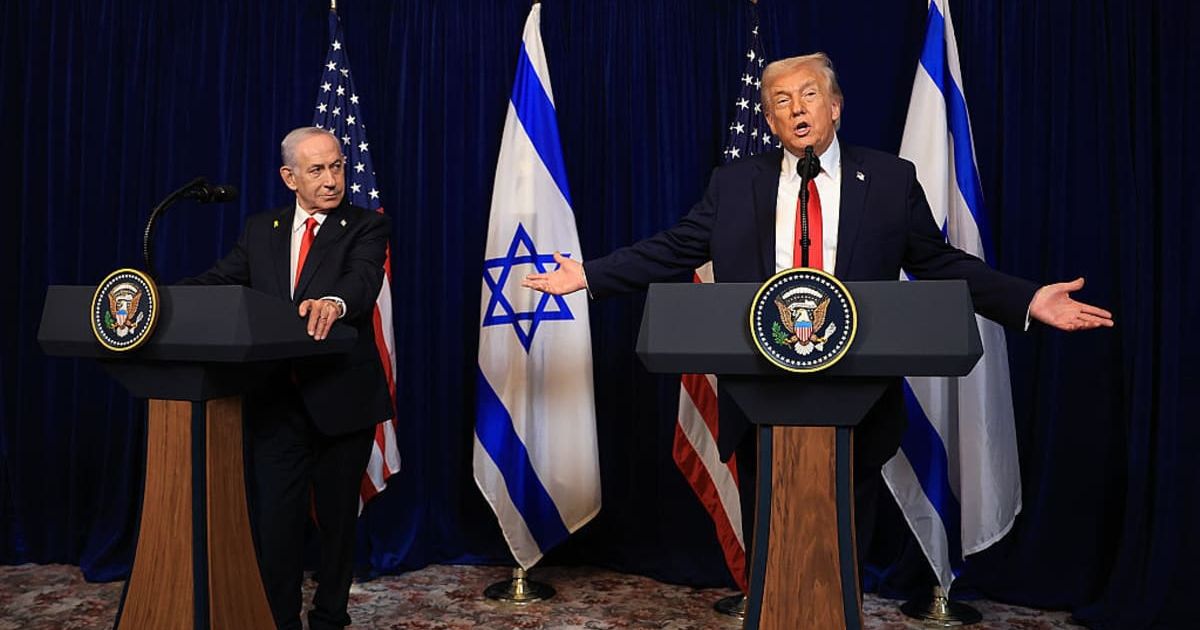
WASHINGTON, DC: President Donald J Trump has launched a high-stakes diplomatic gambit to leverage ongoing Iran war negotiations into a massive expansion of the Abraham Accords.
During a crucial Saturday, May 25, conference call intended to finalize a deal ending the conflict, Trump explicitly urged multiple Arab and Muslim leaders to normalize relations with Israel.
The unexpected mandate caught several participants completely off guard, signaling the administration's intent to use the security crisis to force a total Middle East realignment.
The high-level phone call included the leaders of Saudi Arabia, the United Arab Emirates, Qatar, Pakistan, Turkey, Egypt, Jordan, and Bahrain.
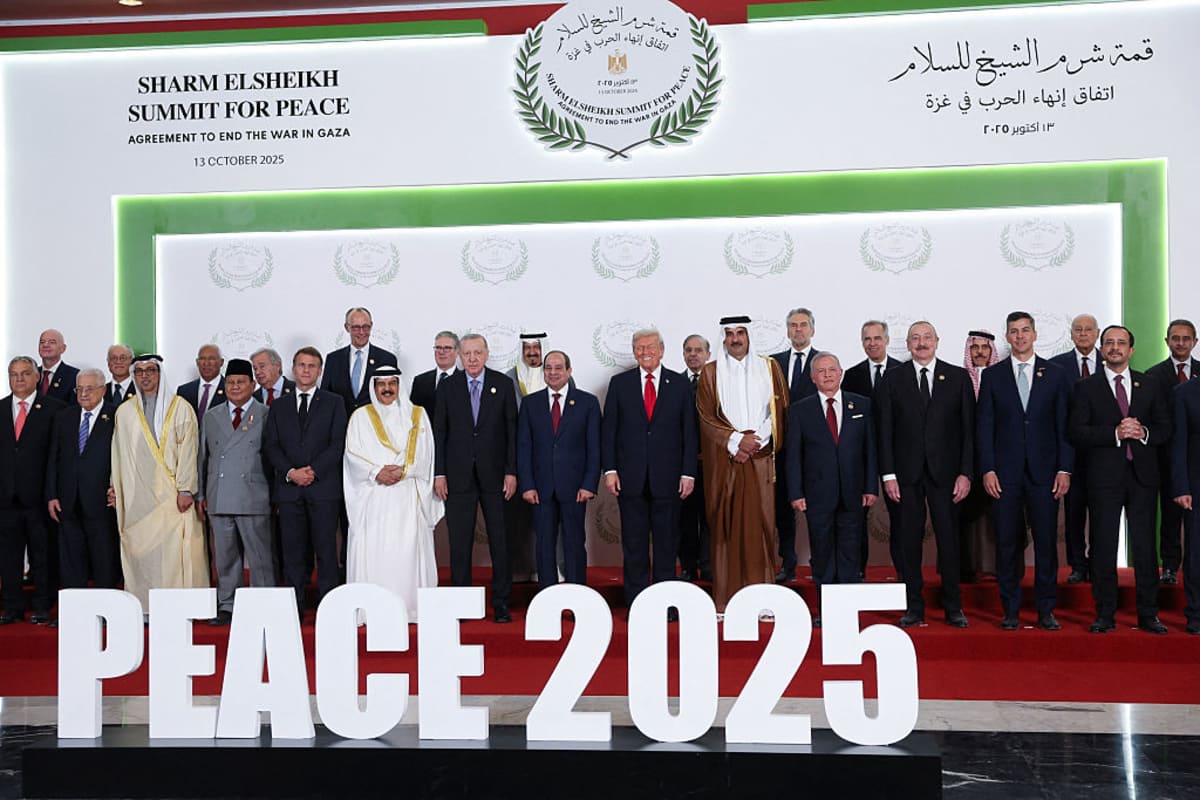
While hawkish participants, including UAE President Mohammed bin Zayed, expressed full solidarity regarding the emerging Iran pact, the atmosphere reportedly shifted when Trump linked post-war stability to Israeli normalization.
Two US officials confirmed that Trump’s request was met with dead silence on the line, prompting the president to joke and ask if the leaders were still there.
Envoys mobilize for historic normalization pacts
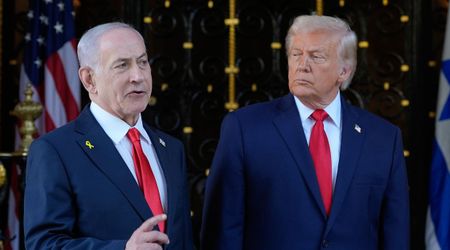
Trump informed the regional leaders that he intends to contact Israeli Prime Minister Benjamin Netanyahu next, expressing hope that Israel's leader would soon join them on a unified call.
The president stressed that nations currently lacking formal diplomatic ties with Israel must prepare to sign the accords once hostilities conclude.
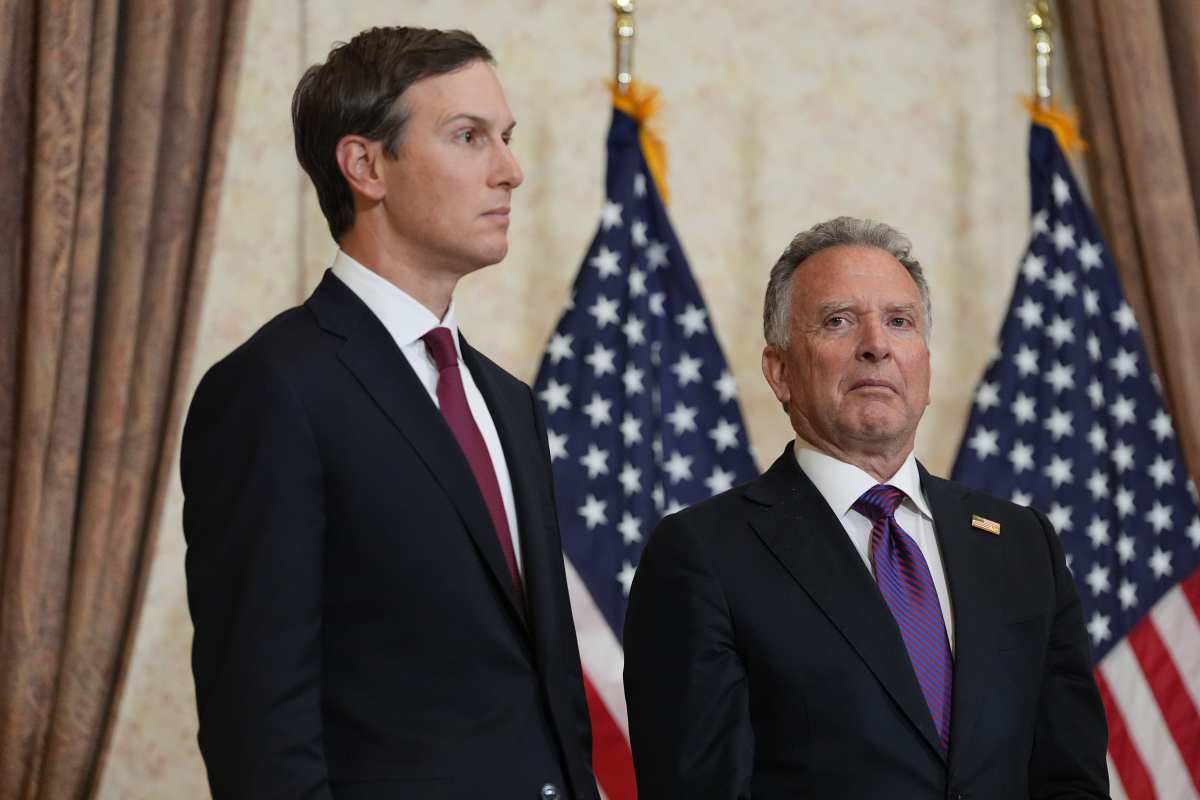
To maintain momentum, Trump announced that his top envoys, Jared Kushner and Steve Witkoff, will directly follow up on the normalization directive over the coming weeks.
Riyadh resists pressure ahead of elections
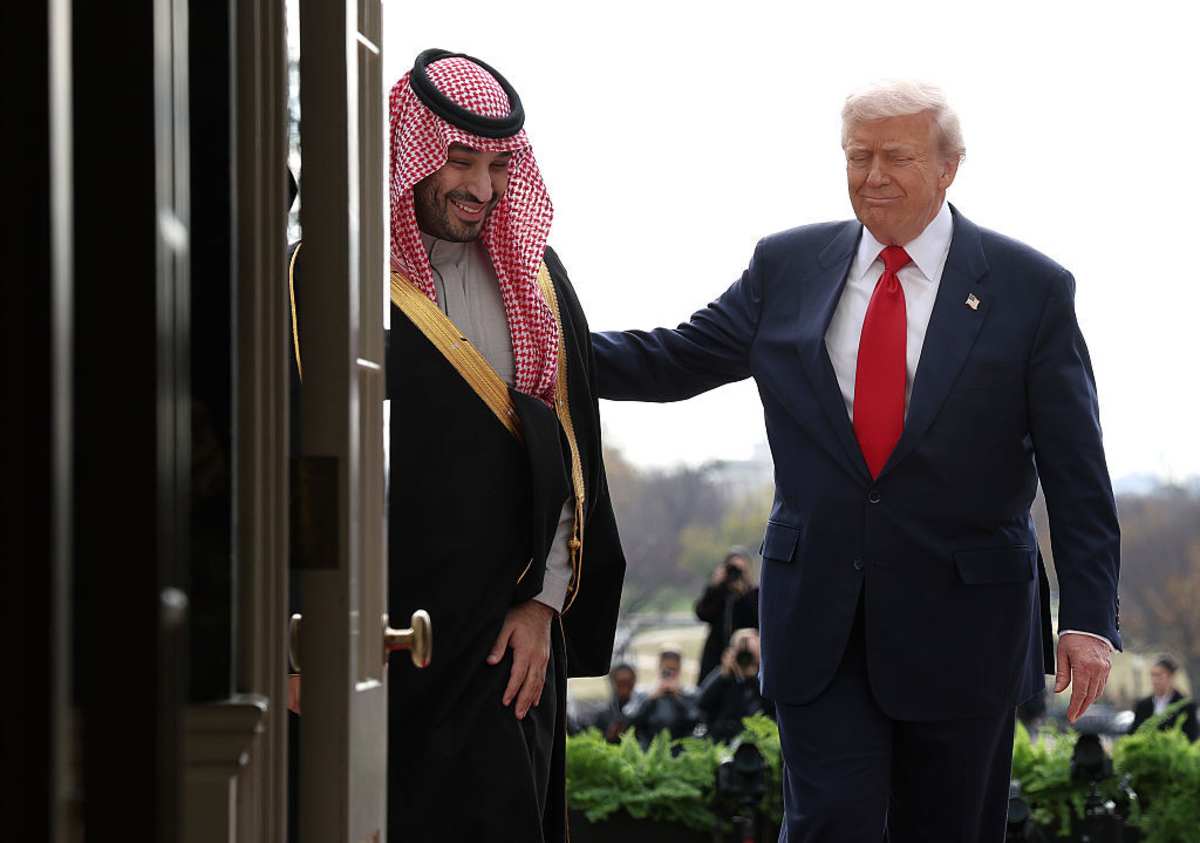
The administration's primary objective is a historic Saudi-Israel peace agreement, but the regional political climate remains deeply unfavorable.
Saudi Arabia's Crown Prince Mohammed bin Salman previously pushed back against Trump on this issue during a tense Oval Office meeting last November.
The conflict, coupled with a deep rift between Saudi Arabia and the UAE, has driven Riyadh to adopt a much tougher stance against Israel's far-right government.
Saudi officials continue to demand an irreversible path to a Palestinian state, a condition the Israeli government rejects. Analysts believe Riyadh will freeze any major diplomatic steps ahead of Israel's upcoming elections in September.
Capitol leadership backs enforcement of terms
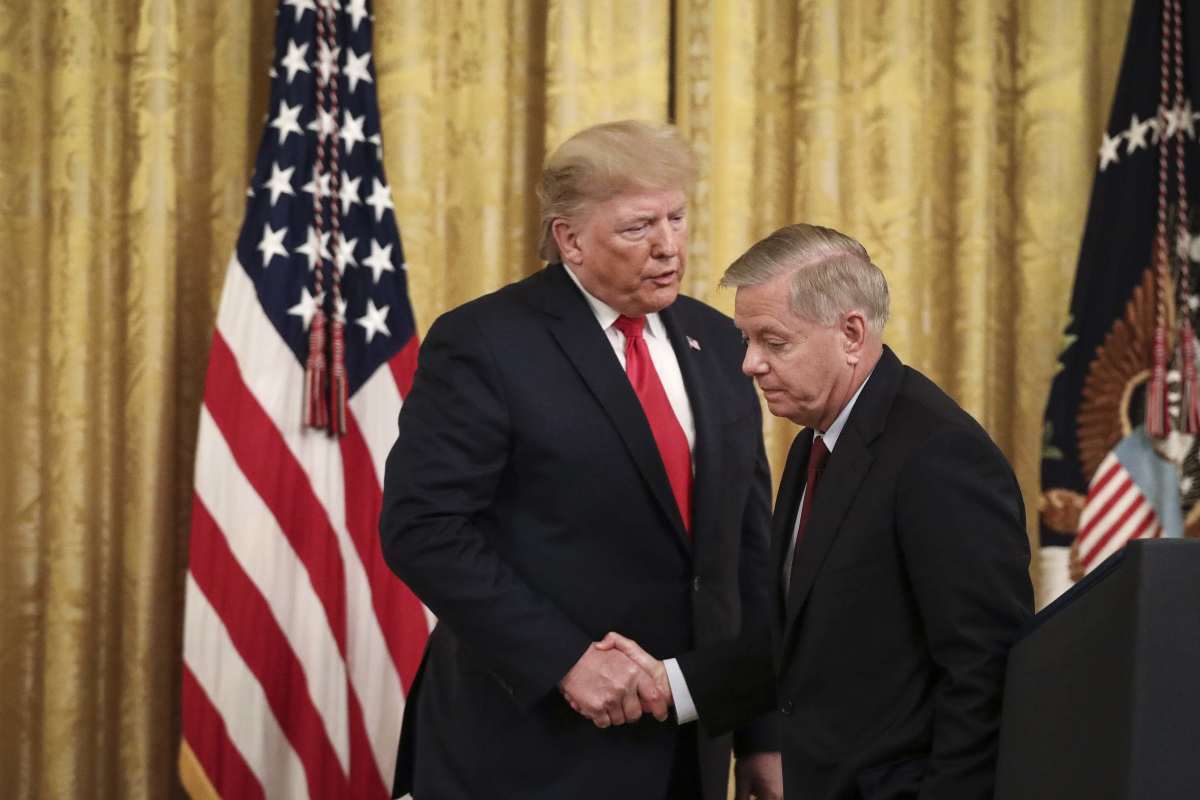
Despite these deep systemic hurdles, Trump doubled down publicly on Sunday via Truth Social, thanking Middle Eastern nations for their cooperation while floating the highly controversial idea of Iran eventually joining the Abraham Accords.
In Congress, Senator Lindsey Graham firmly backed the president's play, warning that a refusal by Arab and Muslim allies to adhere to Trump's normalization request would carry severe repercussions for future relationships with Washington and stand as a massive historical miscalculation.