Vance says Iran could access $300B reconstruction fund if nuclear commitments are met
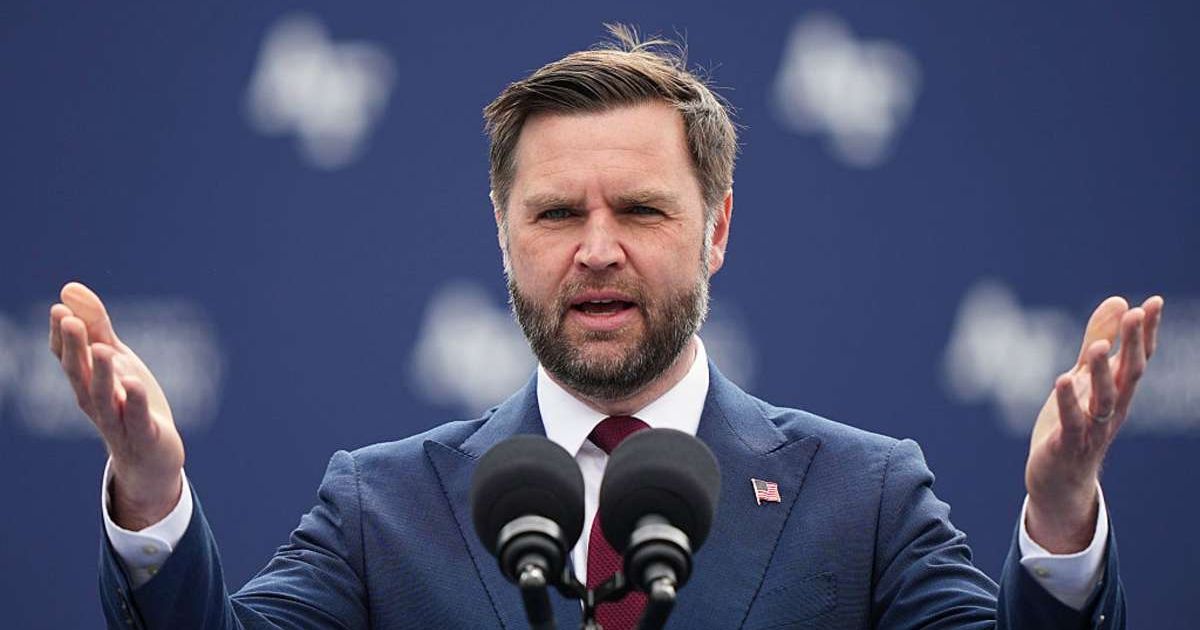
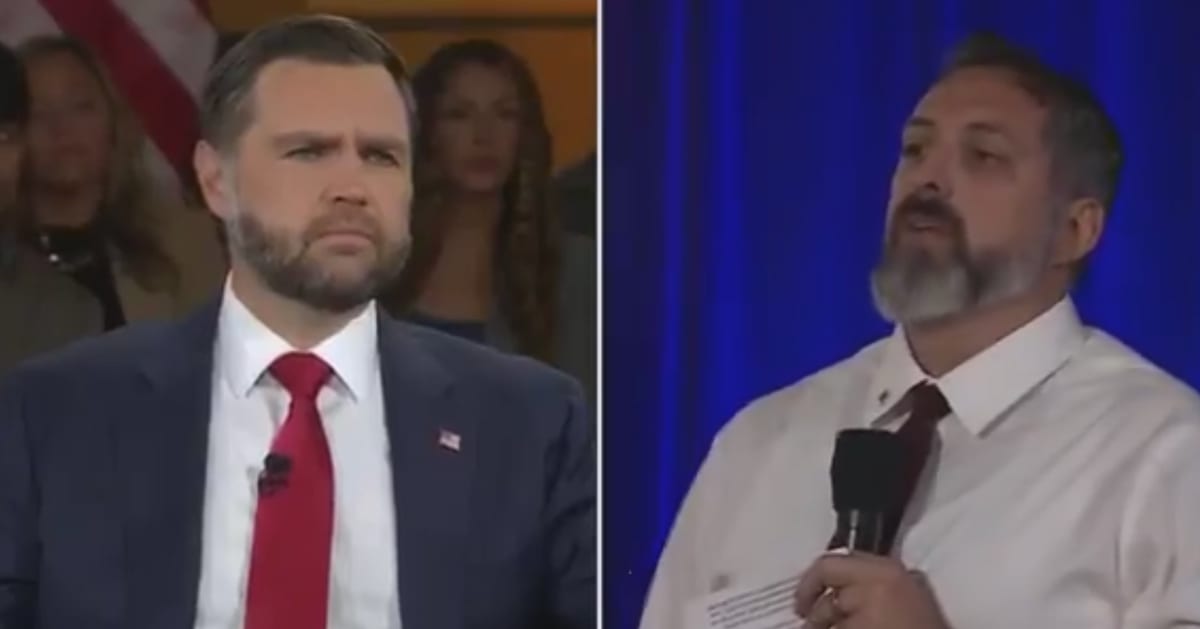
CBS: The Iranians are saying they're gonna have access to a $300 billion reconstruction fund. True or false?
— Aaron Rupar (@atrupar) June 15, 2026
JD VANCE: That's the sort of things they could have access to so long as they honor their end of the obligation pic.twitter.com/30Ip8CGItn
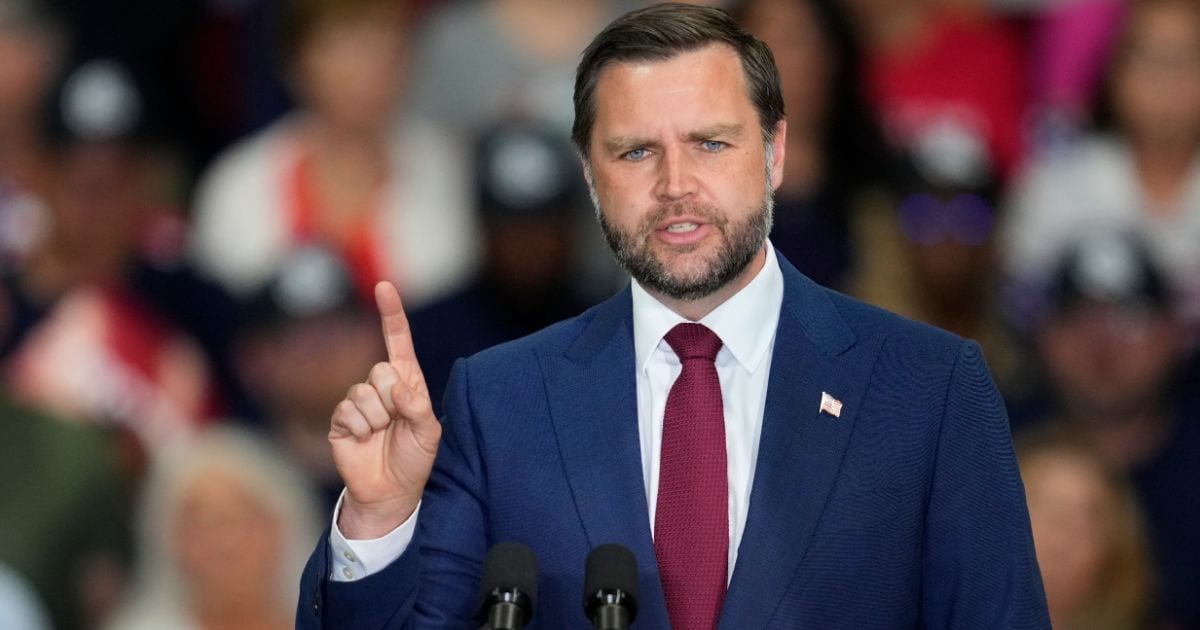
WASHINGTON, DC: Vice President JD Vance said on Monday, June 15, that Iran could gain access to a massive $300 billion reconstruction fund as part of a broader agreement with the United States and its regional partners, provided Tehran fulfills its commitments under the deal.
Speaking in a television interview, Vance said the proposed fund would be financed by Gulf nations and would only become available if Iran complies with its obligations.
“That’s the sort of thing they could have access to, funded by the Gulf coalition, so long as they honor their end of the obligation,” Vance said.
The remarks offered one of the clearest indications yet of the economic incentives being discussed as negotiators work toward implementing a broader understanding between Washington and Tehran.

Warning against misreading the deal
Vance cautioned that hardline factions within Iran could attempt to portray the agreement as overwhelmingly beneficial to Tehran while downplaying the concessions required to secure those benefits.
According to the vice president, Iranian leaders would need to meet significant conditions before gaining access to any economic relief or reconstruction assistance.
He argued that critics and supporters alike should evaluate both the incentives and the obligations contained within the agreement.
Frozen funds not part of current agreement
Addressing speculation surrounding the possible release of Iranian assets, Vance denied reports that the agreement includes provisions granting Tehran access to $24 billion in frozen funds.
The vice president noted that the full text of the agreement has not yet been publicly released and said discussions remain ongoing regarding specific implementation measures.
CBS Mornings: “[Iran] say[s] they're going to get $24B in frozen funds if they hit certain benchmarks. Is that true?
— RedWave Press (@RedWavePress) June 15, 2026
Vice President JD Vance: “We're open to a lot of things that are on the table, but that that $24B just doesn't appear anywhere in any of the texts that we've… pic.twitter.com/MzM5G4Sgoc
His comments come as some foreign policy hawks and Iran critics closely scrutinize any proposal that could provide Tehran with additional financial resources.
Opponents of previous agreements have argued that sanctions relief and asset releases risk strengthening Iran and its regional allies.
Nuclear commitments central to any relief
Vance repeatedly stressed that economic benefits would depend on Iran honoring long-term commitments related to its nuclear program.
“We’re willing to talk about unfreezing assets,” he said. “But a much bigger deal is unsanctioning their economy so long as they make the long-term commitments on the nuclear program.”
He added that many technical and detailed aspects of the agreement would continue to be negotiated after the initial signing, emphasizing that compliance would determine whether Iran ultimately gains access to economic incentives and reconstruction assistance.