Jack Keane outlines US goals in Iran talks, rules out 'unfreezing Iranian assets'
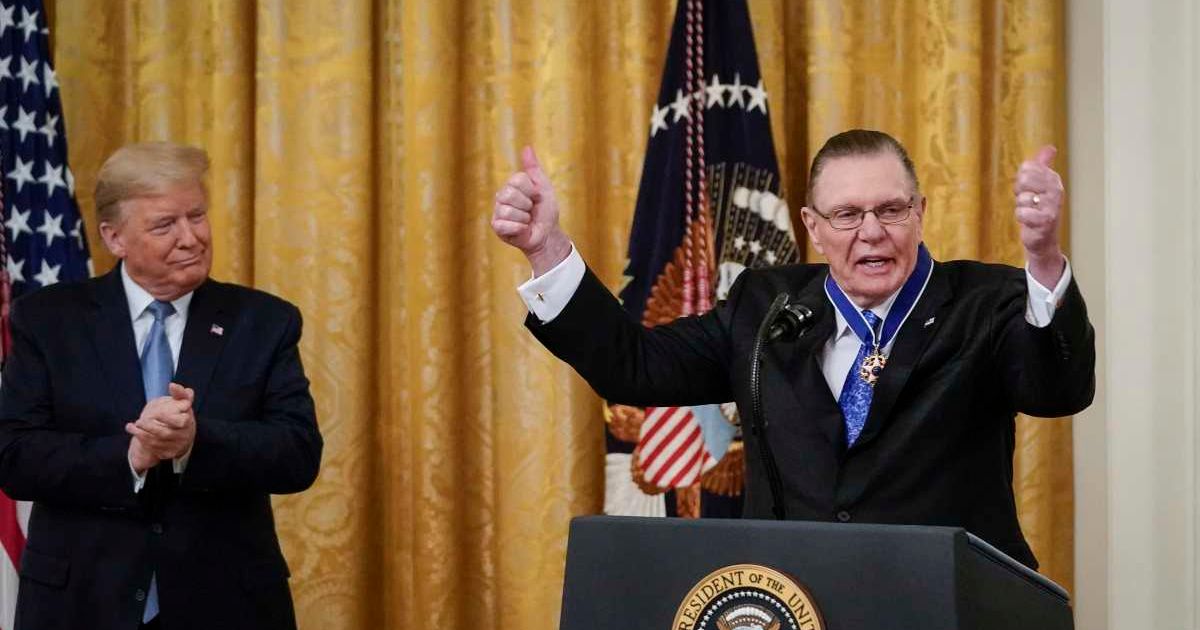
WASHINGTON, DC: A day after a senior advisor of the Supreme Leader Ayatollah Mojtaba Khamenei, Mohsen Rezaei, said that the peace talks between the US and Iran have hit a deadlock over the demand to release frozen assets, retired General Jack Keane gave insight into the US’s objectives of negotiation with Tehran.
In an exclusive interview with CNN, the Iranian advisor said that the ball is in the US’s court and affirmed that the talks would not move forward until the Trump administration agrees to release $24 billion in frozen Iranian assets, warning that the US would “enter into a dark corridor” should it resume fighting.
What US wants from peace talks with Iran
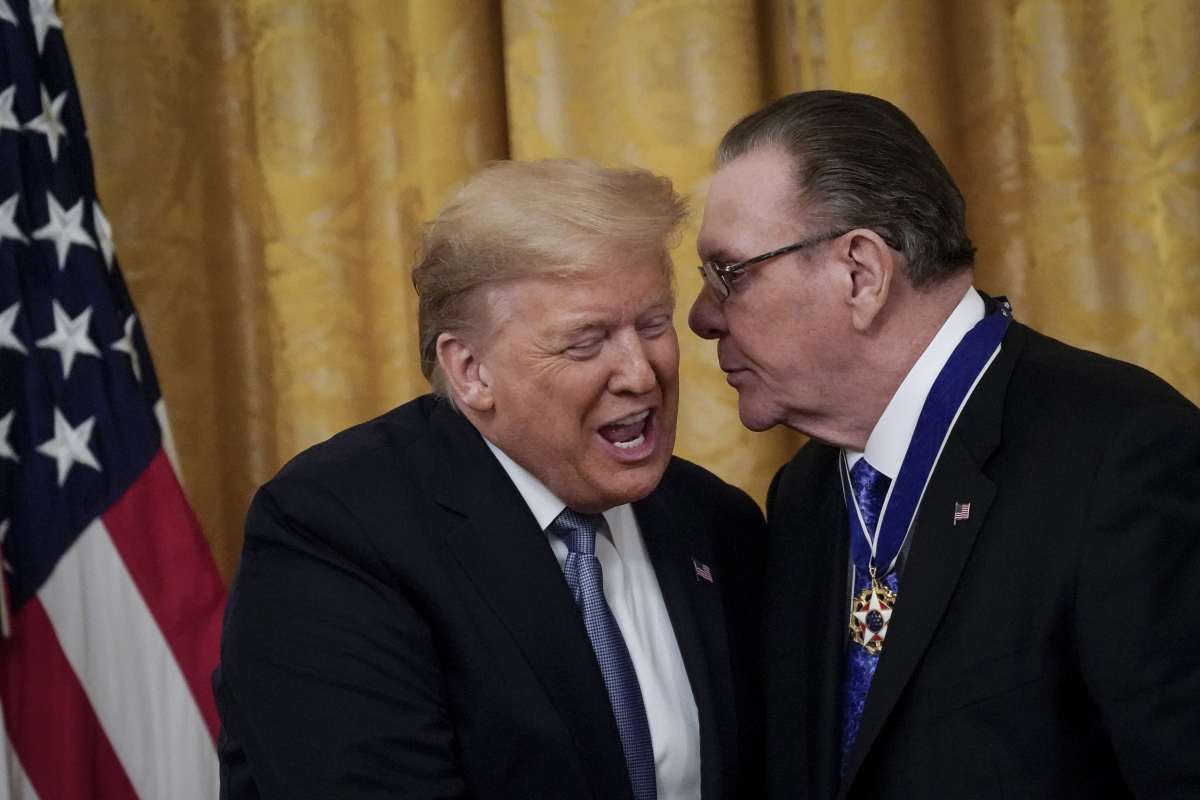
Retired Gen Jack Keane said the United States is seeking to achieve through negotiations the same objectives it would pursue through military action, while ruling out any move to unfreeze Iranian assets.
Speaking on Fox News’ Saturday In America, Keane argued that Washington should not offer Tehran financial relief as part of the ongoing talks.
"What we're trying to achieve in the negotiations is pretty simple; We want our maximalist demands that we would achieve if we were using military force. That is what we want from the regime," Keane said.
He added that the US should not provide Iran with resources that could help it recover economically and undo the effects of any agreement.
"We don't intend to throw then a lifeline and unfreeze frozen assets to them and give them billions of dollars so that they can recover, reverse the tenants and implementations of the deal and go back to where they were," he concluded.
Iran accuses the US of breaking ceasefire
The Iranian Foreign Ministry accused the United States on Saturday, June 6, of completely fracturing the region's shaky April 8 ceasefire following overnight American airstrikes on its coastal defense infrastructure.
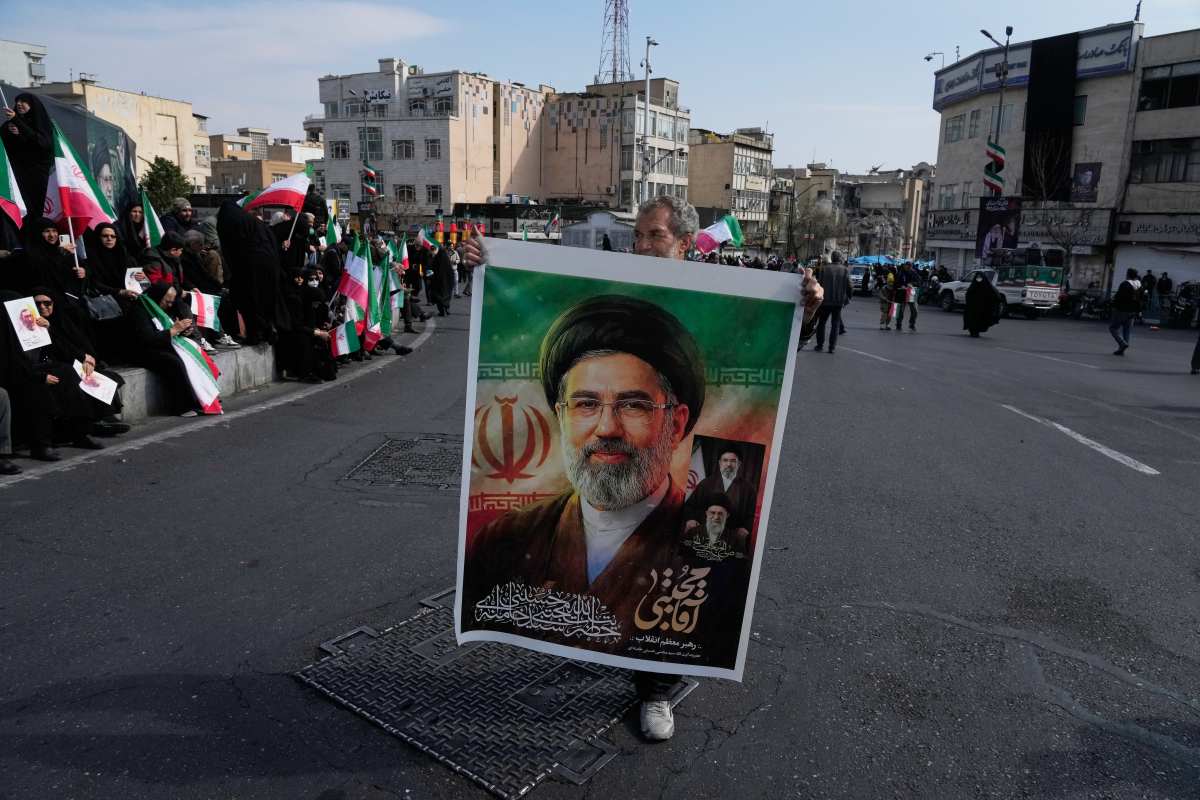
Challenging Washington's official timeline of the escalation, Tehran asserted its inherent right to self-defense, marking a dangerous rhetorical shift where both warring governments are now deploying nearly identical international legal frameworks to justify active combat operations.
The dispute escalated after the US military carried out targeted strikes on Iranian coastal surveillance radar sites in the city of Goruk and on Qeshm Island.
Iranian officials strongly defended the facilities, saying they play a legitimate role in border security and the safe navigation of international waterways.