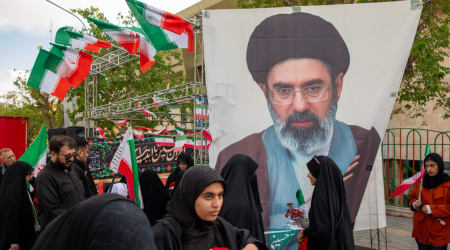
Tehran says US can be a ‘very good friend’ if Trump follows an ‘America First’ approach
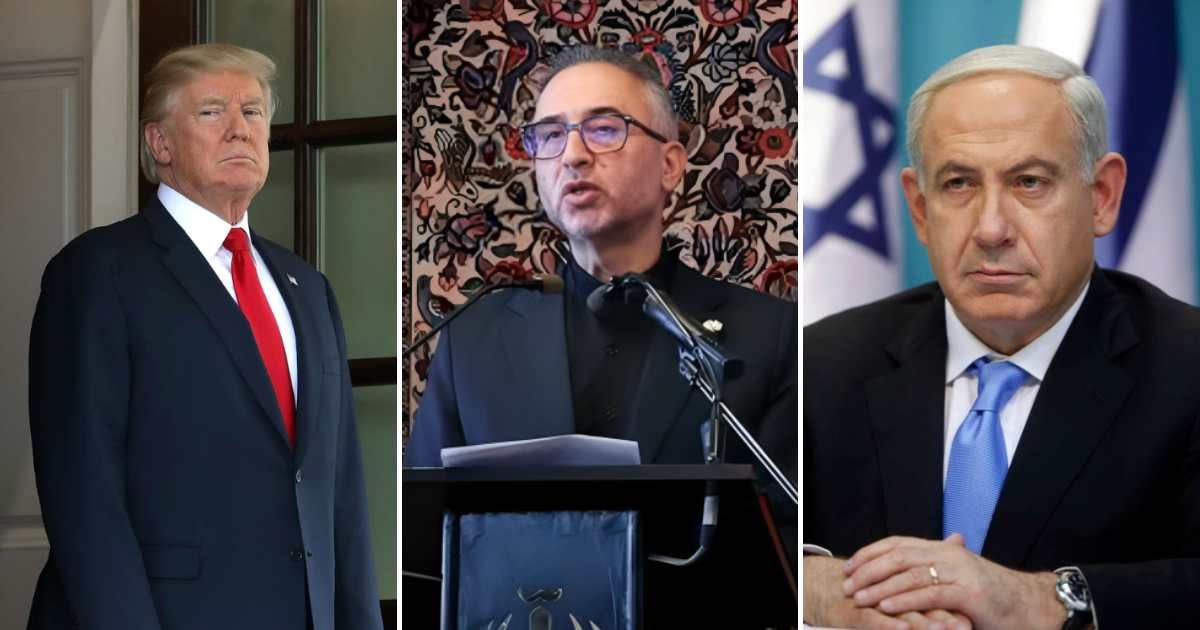
MEXICO CITY, MEXICO: Iran’s Ambassador to Mexico, Abolfazl Pasandideh, has delivered an unusually conciliatory message toward Washington, signaling that the United States and Tehran could establish a mutually beneficial friendship if President Donald Trump actively prioritizes American economic interests over his traditional alliance with Israel.
Speaking via a translator at a World Cup promotional expo, the senior diplomat urged the White House to ignore external regional pressures, opening an intriguing tactical window into how Iranian leadership intends to reshape Trump’s thinking as backchannel peace negotiations reach a critical milestone.
NEW: I spoke with the Iranian Ambassador to Mexico Abolfazl Pasandideh:
— Sophia Cai (@SophiaCai99) June 13, 2026
- His message to Trump: “If the U.S. closes its eyes to Israel’s interests, Iran and the U.S. can be very good friends.”
- Says Iran's presence in the U.S. for the World Cup should be read as a gesture of…
"If the US closes its eyes to Israel’s interest, Iran and the US can be very good friends," Pasandideh stated.
The envoy added that an America-first approach would yield favorable diplomatic results, arguing that Prime Minister Benjamin Netanyahu’s government does not seek outcomes that align with genuine American security goals.
Divergent allied objectives complicate peace talks
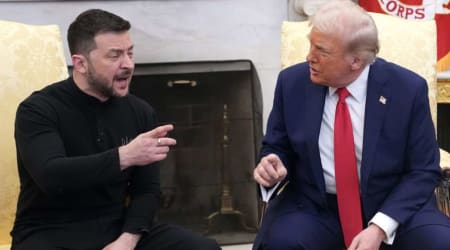
The remarkable rhetoric lands precisely as Trump asserts total personal authority over the terms of a prospective Persian Gulf treaty.
The president recently told the Financial Times that Israel would have no choice but to accept the looming settlement, flatly declaring, "I call the shots. He doesn’t call the shots."
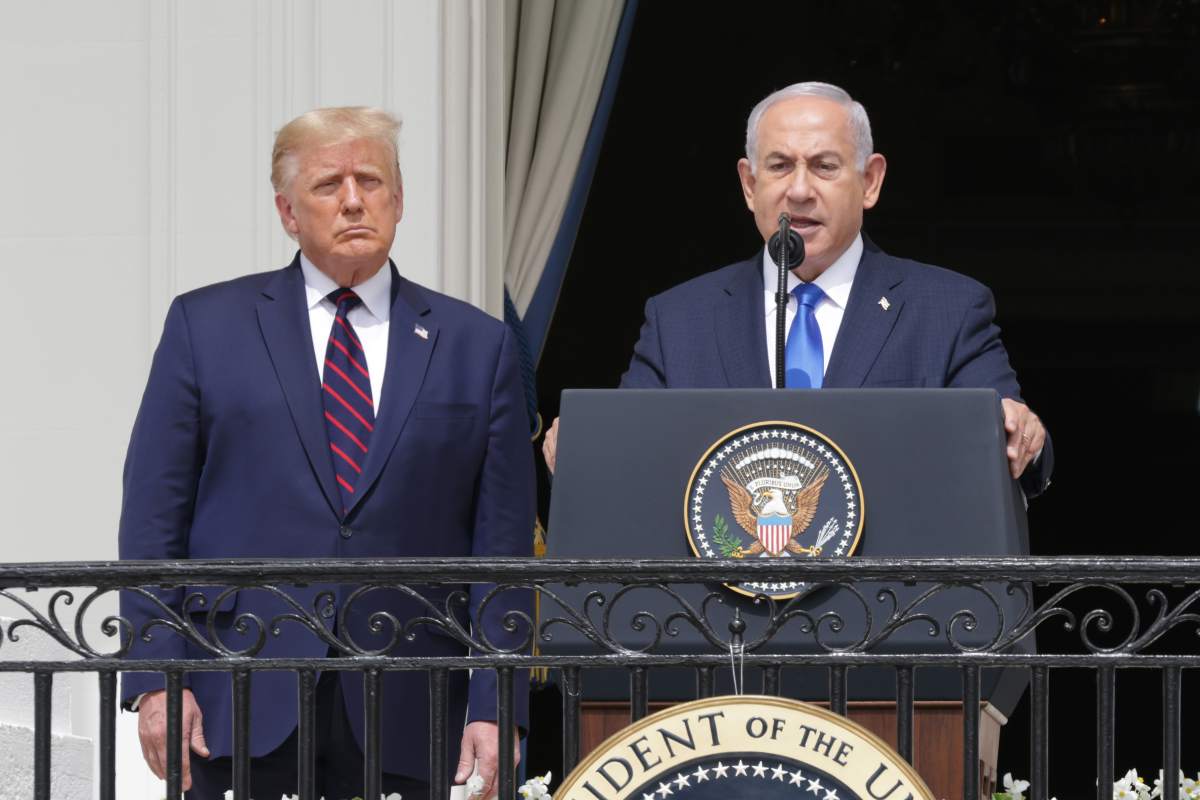
However, former diplomats point to a widening structural rift between Washington and Jerusalem.
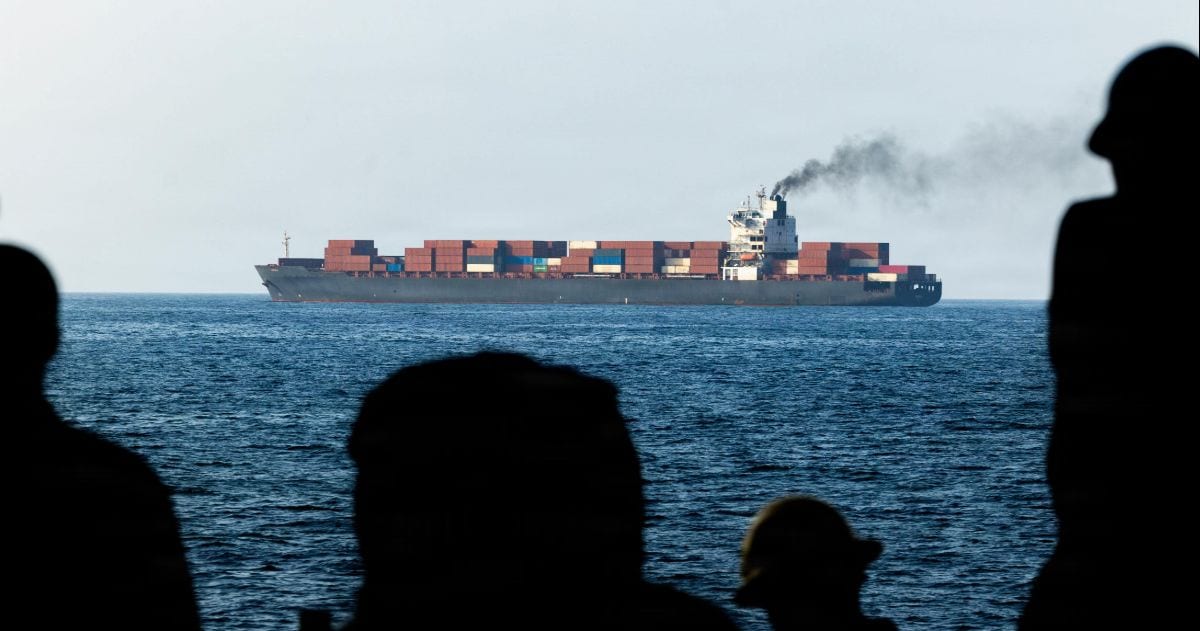
While Trump is fiercely determined to wind down the 100-day war to reopen the blockaded Strait of Hormuz and deflate global oil spikes, Israel's primary focus remains the absolute eradication of Tehran's proxy networks and regional ballistic capabilities.
This policy mismatch has repeatedly threatened to shatter ongoing truce talks.
Sports serve as backchannel diplomacy
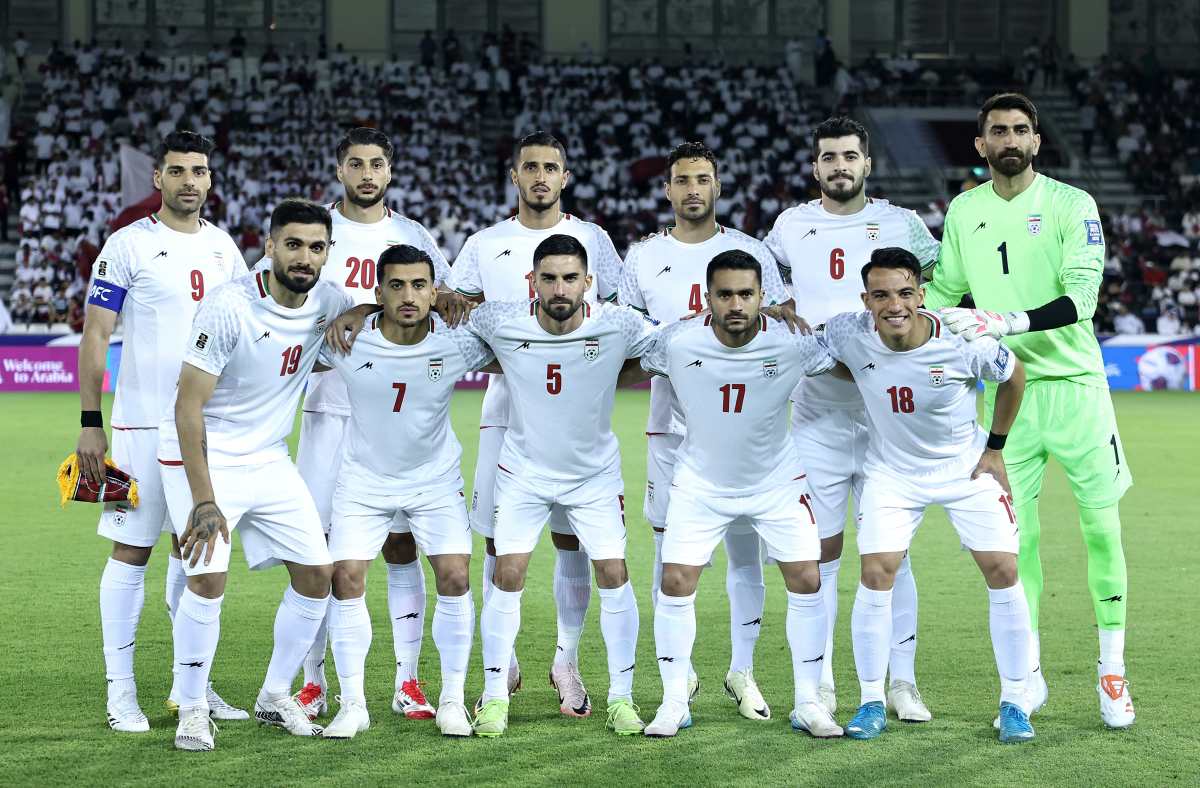
The shifting geopolitical maneuvering is unfolding directly against the backdrop of the 2026 FIFA World Cup.
Pasandideh emphasized that Iran’s deliberate decision to send its national football team to compete on North American soil represents a humanist signal aimed at promoting global peace, insisting that Tehran harbors zero animosity toward the American public.
Visa restrictions force emergency training relocations
Despite the ambassador's friendly posturing, deep-seated institutional friction remains highly visible on the ground.
The State Department's recent refusal to grant entry visas to fifteen key Iranian coaching and administrative staff members triggered a furious diplomatic row, forcing the team to abandon its planned training camp in Tucson, Arizona.
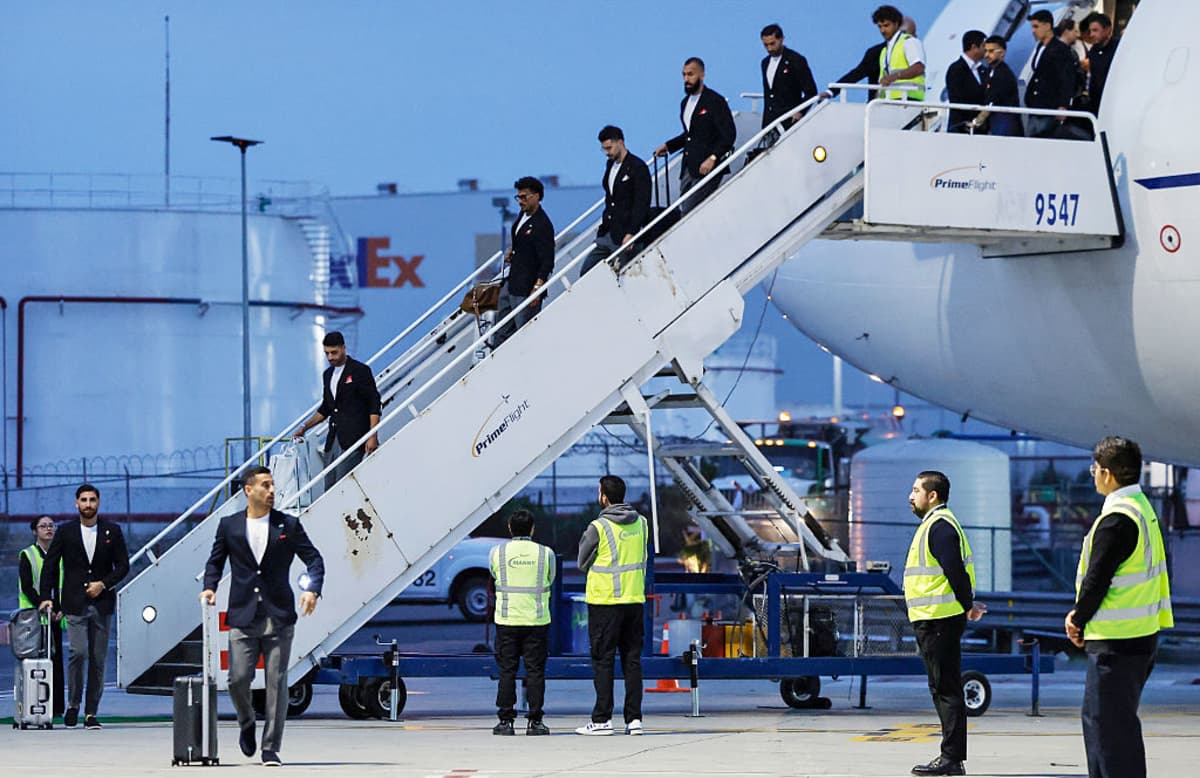
Under highly unusual security restrictions, the squad is currently operating out of Tijuana, Mexico.
It must enter and leave US territory on the same day as its scheduled Group G matches.
While these strict immigration constraints continue to generate severe operational stress for the players, the delegation's willingness to navigate the hurdles reinforces Tehran's desire to leverage the tournament to advance its broader diplomatic agenda.