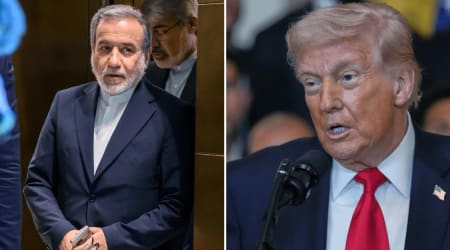
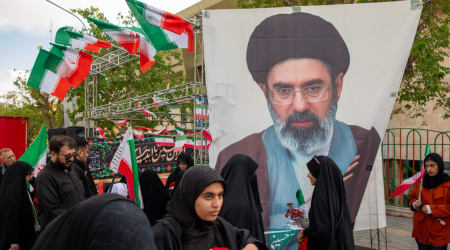
Iran says US must release funds, end military operations before 60-day nuclear negotiations begin
TEHRAN, IRAN: Iran said on Sunday, June 14, that it will only enter a proposed 60-day negotiation process with the United States after Washington fulfills several commitments outlined in a memorandum of understanding expected to be signed later this week.
Iranian officials said the agreement would require steps including the release of frozen Iranian assets, the lifting of restrictions on maritime activity, and an end to military operations before formal negotiations begin.
The comments came as Tehran confirmed that a signing ceremony is scheduled for Friday, June 19, in Switzerland.
Iran demands US concessions before negotiations
Iranian Deputy Foreign Minister Kazem Gharibabadi said Tehran's participation in the planned negotiations would depend on Washington implementing agreed-upon measures.
Those commitments include “lifting and ending the naval blockade,” “ending the state of war and military operations,” and “releasing Iran’s frozen funds,” Gharibabadi said, according to remarks carried by Iranian state media. “Entry into the 60-day negotiations is conditional on US implementation of its commitments,” he said.
Iranian Deputy Foreign Minister Kazem Gharibabadi says the lifting of all sanctions on Iran, including primary and secondary sanctions as well as Security Council and Board of Governors resolutions, will be among the issues negotiated during the 60-day period. He added that all… pic.twitter.com/UIgAgekXyw
— Moshe Schwartz (@YWNReporter) June 14, 2026
According to Gharibabadi, Iran would verify the implementation of those measures before technical working-group discussions begin.
He added that preliminary arrangements had already been discussed and that additional meetings in Switzerland would address the structure of the negotiations, the formation of working groups, and other procedural matters.
🇮🇷🇺🇸 Iran’s Supreme National Security Council statement:
— Mario Nawfal (@MarioNawfal) June 14, 2026
"The Islamic Republic of Iran, under the leadership of its martyred leader, has completed its success over the American-Zionist enemy"
War and military operations on all fronts, including Lebanon, end immediately and… https://t.co/kB98UI0d6I pic.twitter.com/nOR1Ab9jcB
Iran's Supreme National Security Council also issued a statement describing the agreement as a diplomatic success for Tehran. "The Islamic Republic of Iran, under the leadership of its martyred leader, has completed its success over the American-Zionist enemy," the council said.
The council added that warfare and military operations would end immediately under the framework and stated that the naval blockade would also be lifted.
MOU includes asset release, nuclear provisions
Iranian state-affiliated media outlets reported that the draft memorandum consists of 14 points and includes provisions related to sanctions relief, reconstruction assistance, and future nuclear negotiations.
According to Mehr News Agency, the agreement calls for the release of $24 billion in frozen Iranian assets during the proposed 60-day negotiation period. The report said half of that amount, approximately $12 billion, would be made available before negotiations begin.
Iranian Mehr News Agency has published the supposed 14 clauses of the MOU
— Open Source Intel (@Osint613) June 14, 2026
$12 billion of Iran's frozen funds to be released before negotiations begin, with another $12 billion during the 60-day final negotiation window.
Oil and petrochemical sanctions suspended.
Full naval…
Iranian media reports said the draft also includes commitments related to lifting certain oil and financial sanctions, reopening maritime trade routes, and restoring access to the Strait of Hormuz.
Other reported provisions include reconstruction assistance and a reaffirmation by Iran of its obligations under the Nuclear Non-Proliferation Treaty.
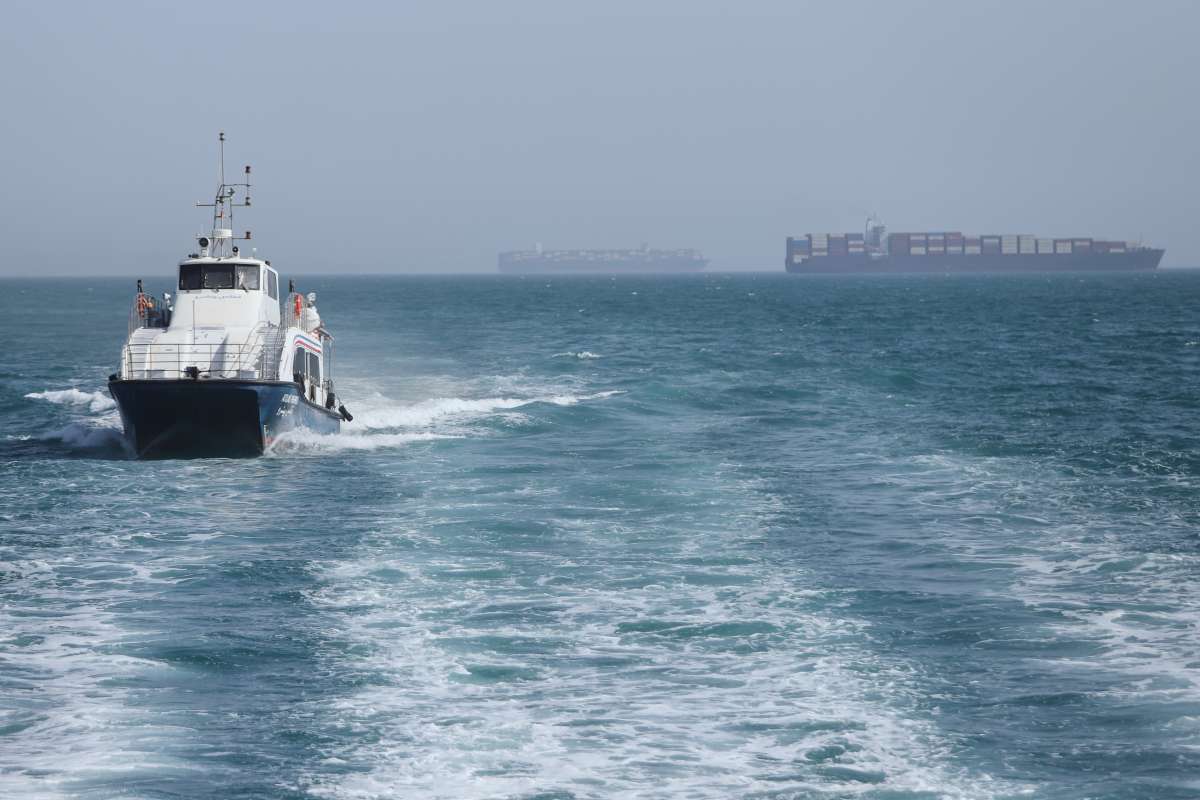
The draft reportedly limits future negotiations to nuclear enrichment activities, sanctions relief, and issues related to Iran's reconstruction following the conflict.
Gharibabadi confirmed that the memorandum text has been finalized and is scheduled to be signed in Switzerland. He emphasized that the agreement should not be viewed as a sign of trust.
Iranian Deputy Foreign Minister Kazem Gharibabadi:
— Global OSINT (@GlobalOSINTHQ) June 14, 2026
This memorandum of understanding does not mean we trust the enemy and was written despite distrust.
We will monitor the implementation of the U.S. commitments.
Wherever we see a shortfall in the other side’s implementation of…
According to Tasnim News Agency, Gharibabadi said the agreement “does not signify trust in the enemy and was drafted in an atmosphere of continued distrust.”