Iran rebuffs Trump peace deal claim as fresh Middle East strikes cloud talks
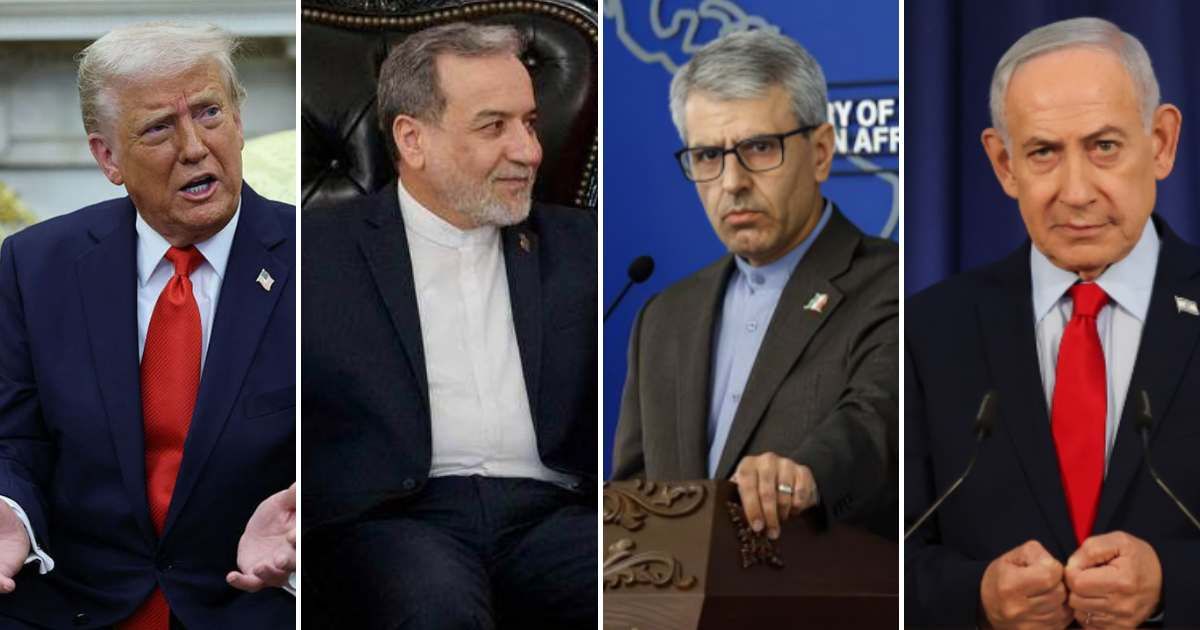
WASHINGTON, DC: A major diplomatic disconnect has erupted between Washington and Tehran over the timing of a prospective Persian Gulf ceasefire, exacerbated by a sudden escalation of Israeli military operations that has injected severe instability into the backchannel negotiations.
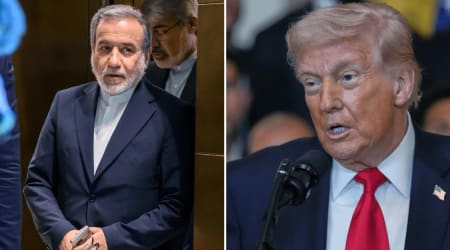
While President Donald Trump confidently declared on Saturday, June 13, that a sweeping maritime agreement was scheduled to be signed electronically today, June 14, Iranian foreign ministry officials have flatly disputed the executive timeline.
.@USAmbUN: "There will not be upfront 'cash,' so to speak, that we saw in the Obama deal, in the JCPOA, with literally pallets of cash... and secondarily, this is all about verification... I can promise you that we are not going to have these massive loopholes, whether it's… https://t.co/Ah7GsMfuYS pic.twitter.com/LnVh813KGX
— Rapid Response 47 (@RapidResponse47) June 14, 2026
The intense geopolitical friction comes at a highly delicate moment for the administration, which has heavily staked its foreign policy agenda on a definitive breakthrough to end the 14-week conflict.
Despite assurances from the US Ambassador to the United Nations, Mike Waltz, that the White House remains confident in finalizing the treaty framework immediately, the stark operational realities on the ground suggest the deal is facing significant structural headwinds before it can be executed.
Military escalation strains fragile truce
The prospects of an immediate diplomatic resolution were severely complicated on Sunday morning when the Israeli Defense Forces (IDF) abruptly resumed heavy aerial strikes on the central Beirut suburb of Dahieh.
Israeli Prime Minister Benjamin Netanyahu and Defense Minister Israel Katz issued a defiant joint statement defending the operations as an immediate response to ongoing cross-border actions by Hezbollah.
🚨The Israeli Air Force carried out airstrikes against Hezbollah terror targets in the Dahiya area of Beirut on Sunday afternoon in response to the drone attacks on Israel earlier in the day.
— Moshe Schwartz (@YWNReporter) June 14, 2026
Prime Minister Netanyahu and Defense Minister Katz issued a joint statement saying that… pic.twitter.com/aBKeYtOHOp
The sudden military resurgence directly threatens the fragile peace initiative, as Lebanon's stabilization was explicitly integrated into the broader Pakistani-mediated memorandum of understanding.
Source intelligence confirmed that the destruction of the command center has generated severe friction between American and Iranian interlocutors.
The military escalation effectively undercuts the authority of Qatari mediators, who flew directly into Tehran on Sunday in a desperate bid to salvage the structural parameters of the pact.
Domestic pressure rattles Iranian negotiators
The diplomatic gridlock has triggered volatile internal political blowback within Iran, severely limiting the regime's capacity to accept immediate Western terms.
The Iranian 🇮🇷 Foreign Minister Abbas Araghchi went on live tv and said this about the deal:
— Andz (@Andzace) June 12, 2026
"If the other party does not abide by the initial understanding, we will not enter into the fundamental negotiations to reach a final agreement." pic.twitter.com/Mes2CfXSWo
Following a Friday state television interview where Foreign Minister Abbas Araghchi outlined the prospective deal, which trades a full lifting of the US naval blockade for a strict freeze on atomic development, furious hardline protests erupted across major municipal centers.
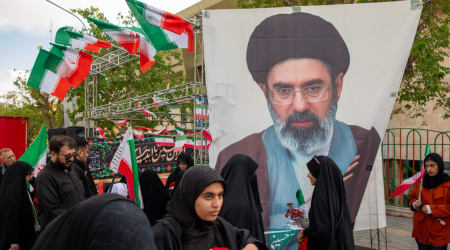
Demonstrators gathered outside foreign ministry facilities in Tehran and the northeastern city of Mashhad, waving red and black flags while loudly chanting, "Death to the compromiser," and demanding Araghchi’s immediate resignation.
The internal popular unrest has forced the state apparatus into a highly cautious defensive posture.
Conflicting treaty terms cloud outlook
The domestic friction highlights a deep divergence over the actual terms governing the draft document.
While Trump posted overnight that Iran has formally agreed to permanently surrender its nuclear ambitions in exchange for an immediate reopening of the Strait of Hormuz, local state media networks continue to broadcast highly contradictory details.
🚨BREAKING
— IRIB (Islamic Republic of Iran Broadcasting) (@iribnews_irib) June 13, 2026
Baghaei, Iran’s FM spokesperson:
We must wait for the exact timing of the agreement’s signing. It will NOT happen tomorrow, but it could take place in the coming days.
Due to the other side’s #inconsistency, we must remain cautious in commenting on the process.
Senior Iranian officials claim the draft protocol requires Washington to immediately unfreeze $25 billion in restricted sovereign assets and completely waive energy sanctions before any permanent dismantling of enrichment centrifuges occurs.
With regional crowds burning effigies in the streets and Israeli operations continuing to pound Beirut, the administration's premature celebration of a comprehensive victory faces an increasingly fraught path to validation.