Wall Street rallies as Trump’s Iran deal push sends oil prices tumbling
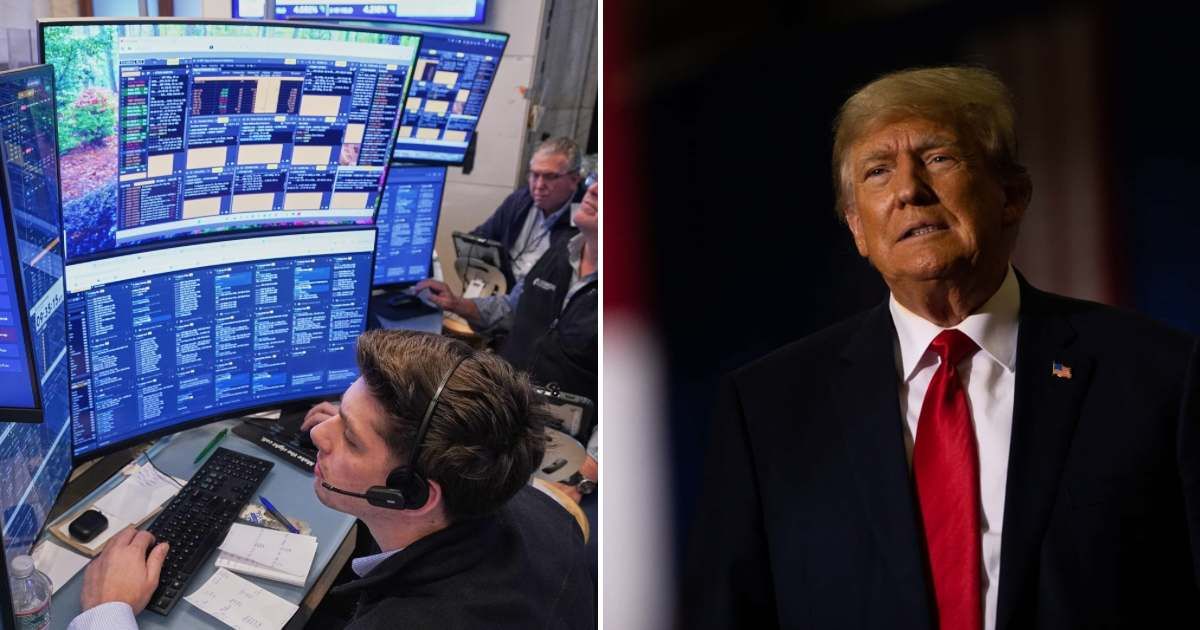
NEW YORK, NY: Global financial markets surged into early Friday, June 12, trading as Wall Street bulls aggressively wagered on a swift diplomatic end to the 100-day Persian Gulf conflict.
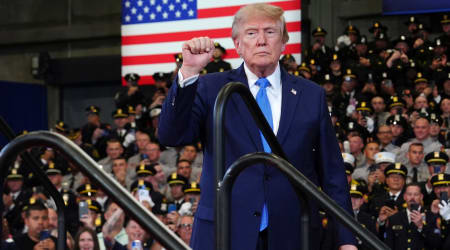
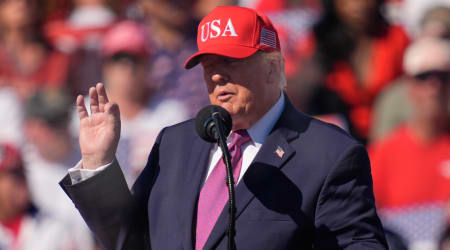
Investor optimism roared back after President Donald J Trump claimed a breakthrough in backchannel negotiations, asserting he had called off scheduled military strikes following a "great settlement of the war with Iran."
The executive pronouncements instantly reversed a week of severe market declines, sparking an extensive equity rally.

Futures for the S&P 500 climbed 0.6% before the opening bell, while the Dow Jones Industrial Average added 0.7% and Nasdaq futures rose 0.5%.
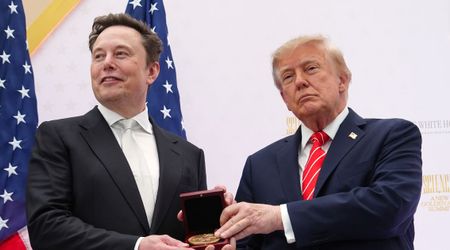
The market upswing was further energized by immense anticipation surrounding the historic Wall Street debut of Elon Musk's SpaceX, which is slated to become the largest initial public offering on record by raising approximately $75 billion.
Oil markets react to peace hopes
The strongest market reaction came from energy markets, where traders rapidly priced in the possibility that shipping through the Strait of Hormuz could soon normalize.
The strategic waterway, which carries a significant share of global oil and gas exports, has faced months of disruption since fighting erupted in late February.
Concerns over supply shortages had helped push energy prices sharply higher throughout the conflict.
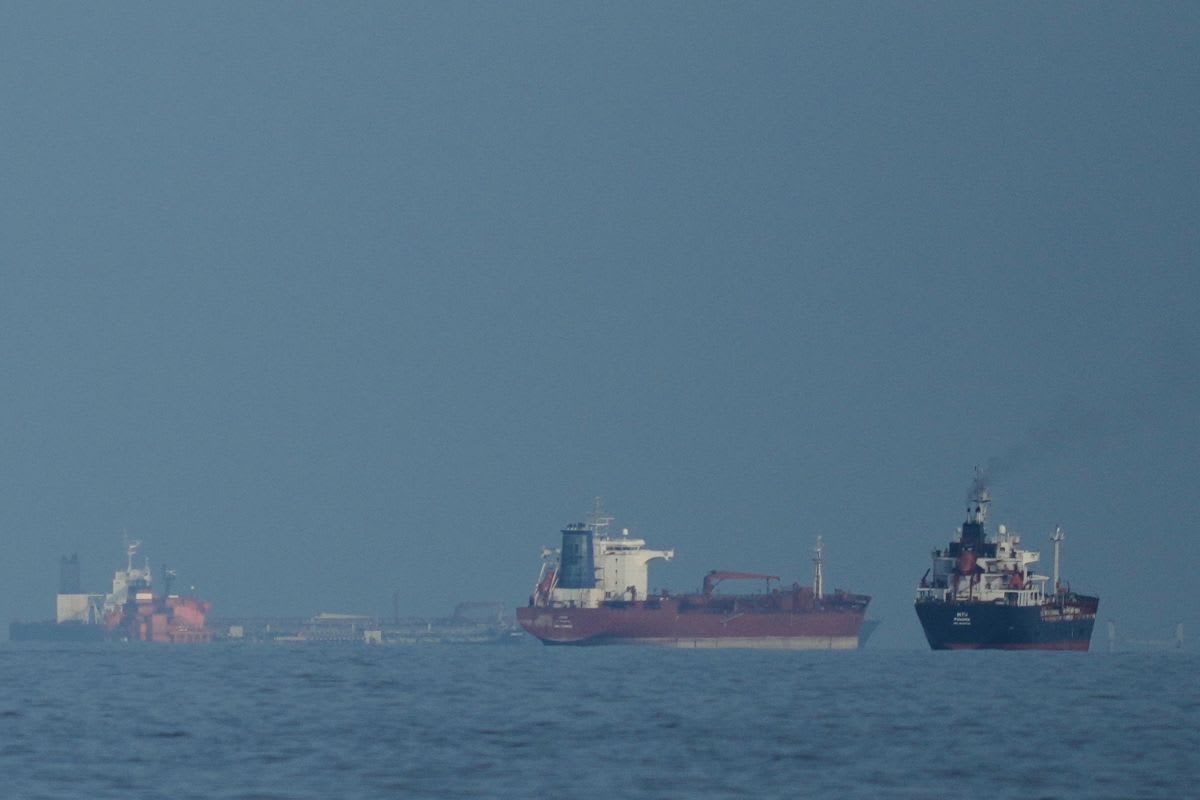
Brent crude dropped $2.94 to $87.44 a barrel, while US benchmark crude fell $3.05 to $84.66.
Despite the decline, both benchmarks remain well above the roughly $70 levels seen before the outbreak of hostilities.
The rally was also supported by anticipation surrounding SpaceX’s Wall Street debut.
Elon Musk’s rocket company is expected to raise approximately $75 billion, making it the largest initial public offering in market history.
Diplomatic reality tempers investor enthusiasm
Despite Friday’s surge, uncertainty surrounding the negotiations remains significant.
Trump appeared to undercut some of the market optimism when he rejected a description of the proposed agreement published by Iranian state media.
The contradiction highlighted the gap between investor expectations and the complex diplomatic realities still facing negotiators.

Markets had retreated sharply earlier in the week as fears of renewed military escalation intensified.
While traders are increasingly betting that both sides want a negotiated settlement, conflicting public statements suggest that major details remain unresolved.
For now, Wall Street is betting that diplomacy will prevail. Whether the negotiations can deliver a formal agreement remains the question investors are watching most closely.