Vance promises sanctions relief if Iran abandons its nuclear program
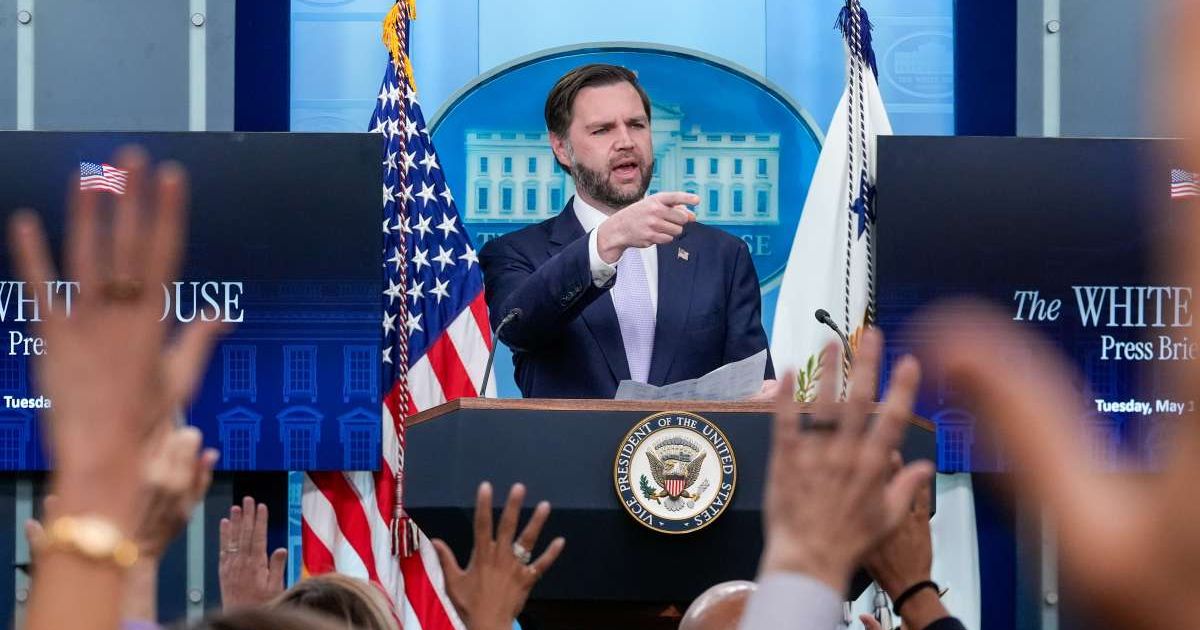
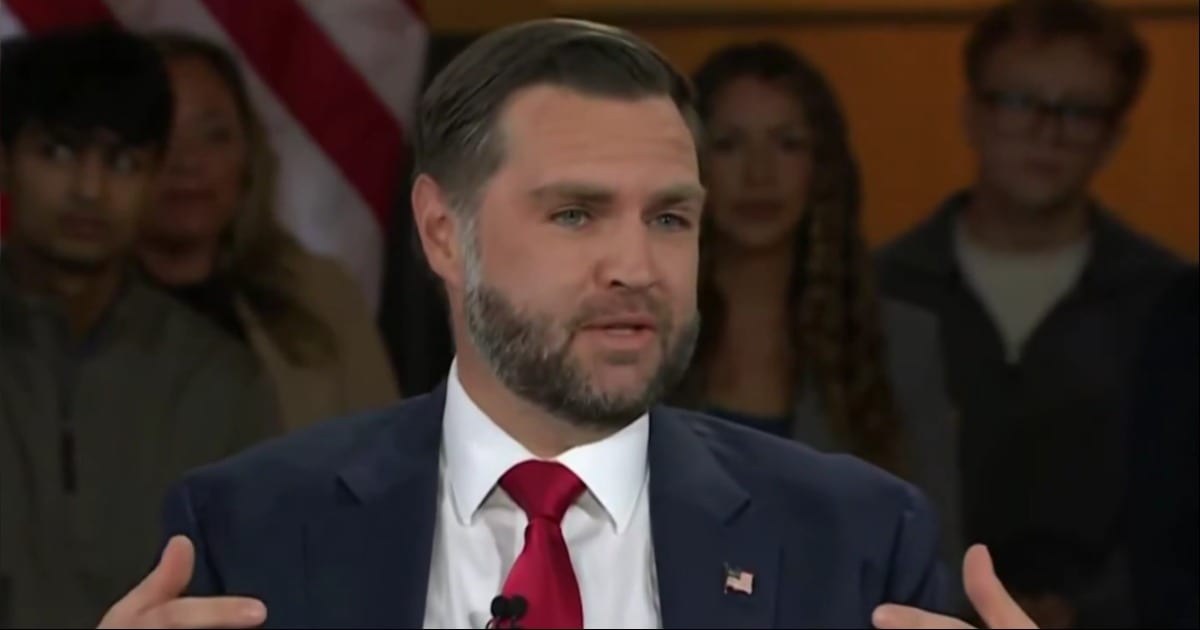
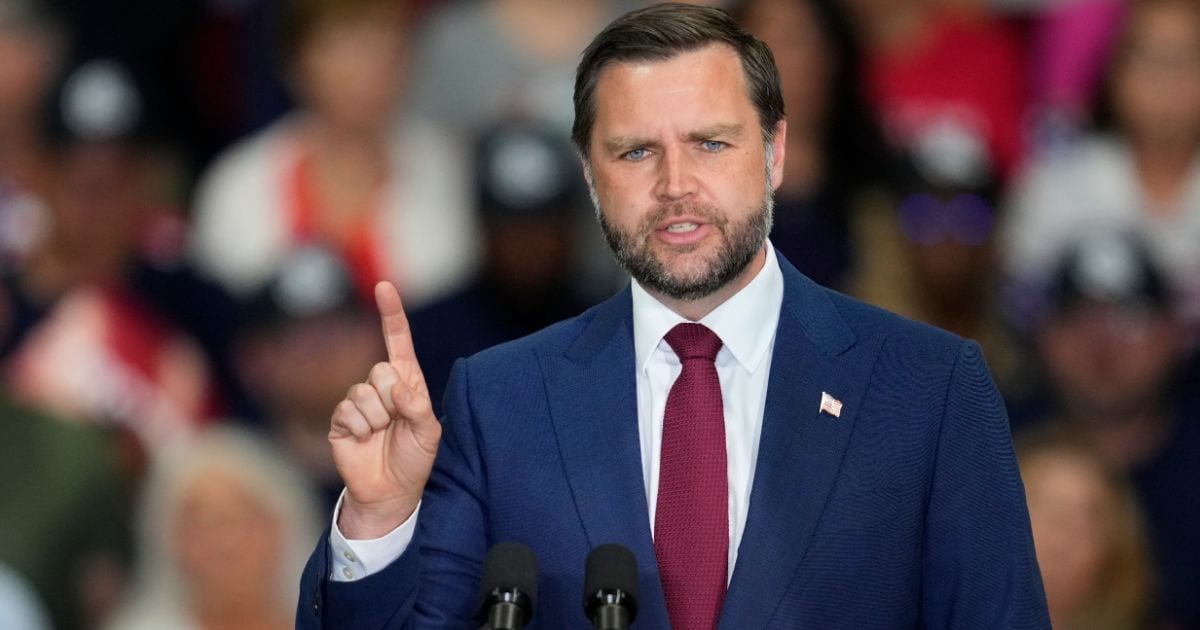
WASHINGTON, DC: Following the announcement of the US-Iran agreement, Vice President JD Vance appeared on multiple morning news programs on Monday, June 15, to discuss the tentative settlement.
The agreement would initiate 60-days of technical negotiations aimed at securing a permanent ceasefire and bringing an end to the nearly four-month conflict.
The US has announced that a tentative Memorandum of Understanding has been digitally signed between Washington and Tehran. The MoU signing ceremony will be held on Friday, June 19.
Sanction relief tied to Iran nuclear exit
In line with such appearances, Vance spoke to ABC News on “Good Morning America,” the Vice President reiterated that a signing ceremony will be held on Friday, June 19.
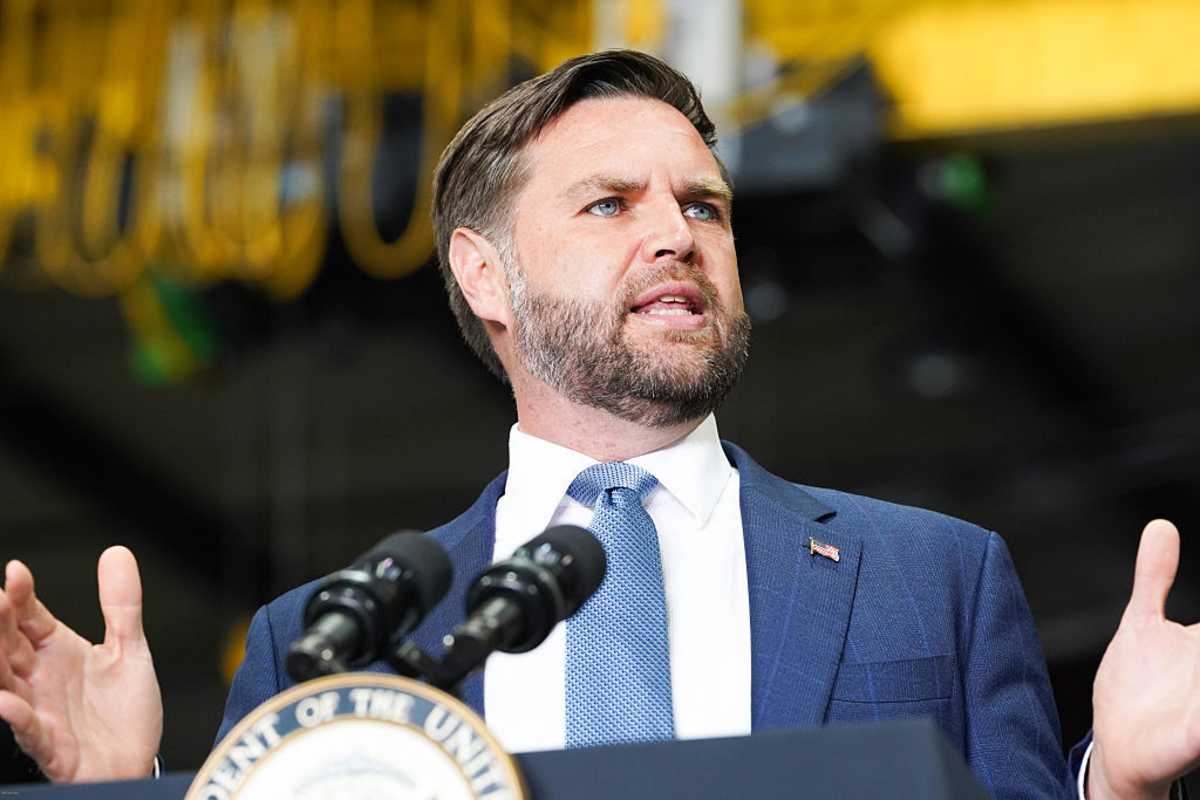
When ABC News co-anchor George Stephanopoulos pressed Vance about whether President Trump is going back on promises that Iran would need to provide “unconditional surrender.”
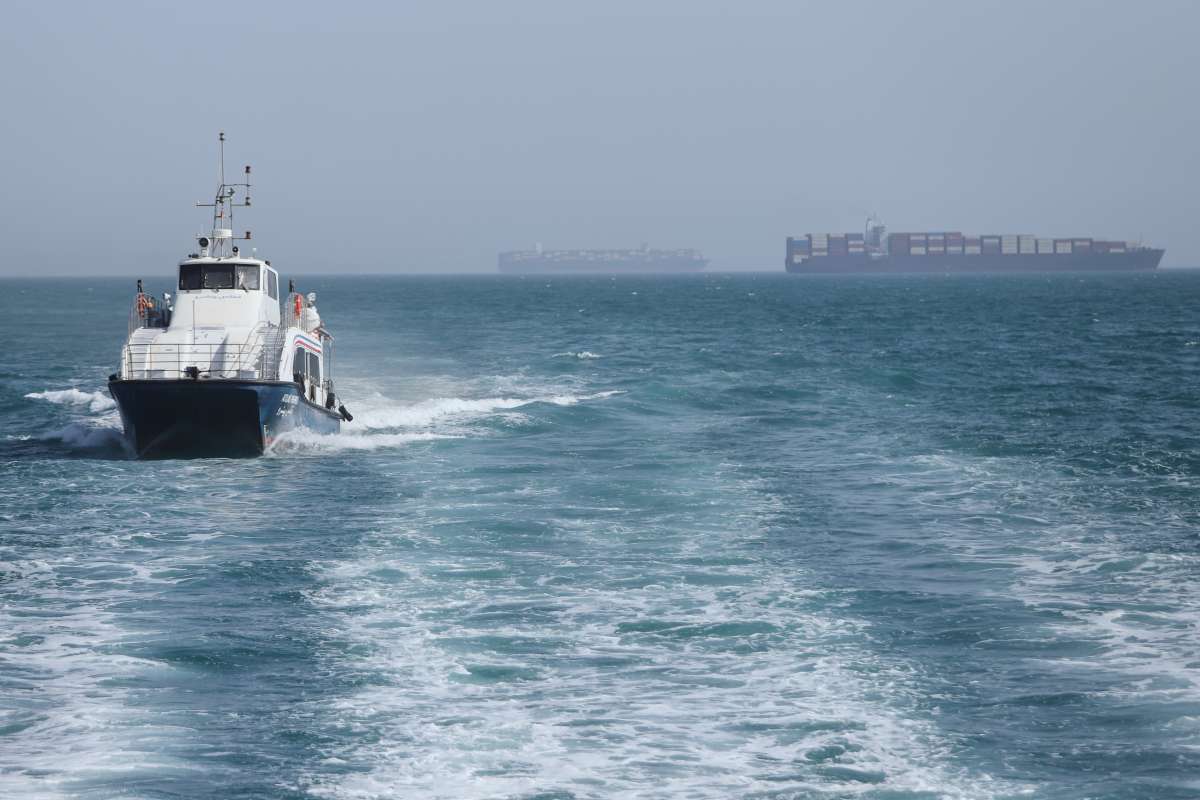
In a reply to the question, Vance said, "What this deal fundamentally does is it reopens the Straits of Hormuz.”
“You see, oil prices have already come down substantially just in the last 24 hours.”
He further underscored the possible deal terms between the sides, saying that the US is willing to offer Iran significant sanction relief if the Islamic Republic gives up on the Nuclear program.
“We’re willing to give significant sanctions relief if the Iranians make the kind of long-term commitments that are necessary to be a normal country to give up their nuclear weapons program to stop funding terrorist activities all over the Middle East," Vance said.
Vance, US holds upper hand in Iran deal
Appearing on CNBC's "Squawk Box," Vance described the preliminary agreement reached Sunday as a major victory for the United States, calling the moment “a great day for the American people.”
Vance projected confidence that the Trump administration enters the next phase of negotiations with overwhelming leverage and a clear path toward preventing Iran from ever obtaining a nuclear weapon.
"We have the leverage. We have the diplomatic, economic, and military leverage."

The agreement extends the current ceasefire for 60 days while negotiators work through technical details involving sanctions relief, nuclear inspections, enriched uranium stockpiles, and long-term security guarantees.