'1 of 2 things will happen': Trump sets Iran deadline as Netanyahu pushes for new wave of strikes
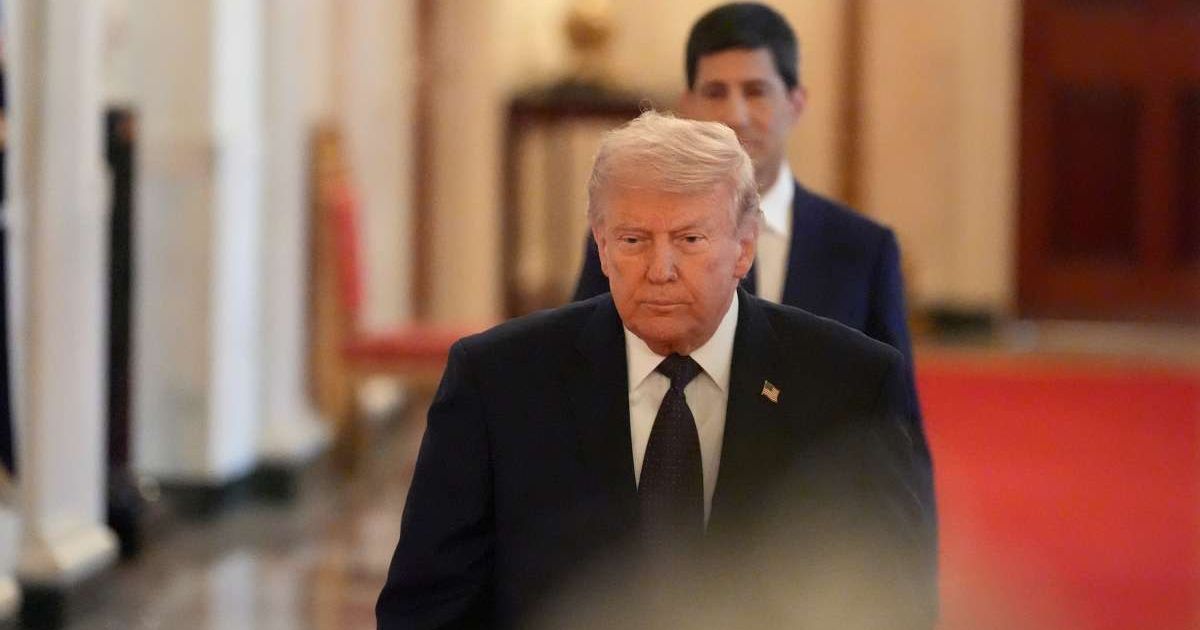
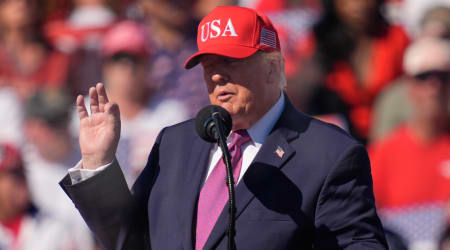
WASHINGTON, DC: In an explosive ultimatum following the February launch of the joint US-Israel military campaign 'Operation Epic Fury', President Donald J Trump has revealed that the United States is standing on a knife-edge between a comprehensive regional truce and catastrophic aerial escalation.
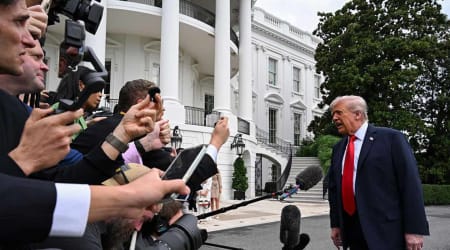
Speaking exclusively to Axios on Saturday, May 23, the president declared there is a "solid 50/50" chance as to whether he will finalize a peace treaty or resume wide-scale airstrikes against the Islamic Republic.
The president announced he will likely make his final determination by Sunday, bringing weeks of volatile cross-strait negotiations to a head. The White House is treating the deadline as an absolute baseline.

"I think one of two things will happen: either I hit them harder than they have ever been hit, or we are going to sign a deal that is good," Trump stated, confirming he will not allow the current standoff to linger without an immediate resolution.
Envoys review emergency Pakistani mediation draft
The sudden escalation follows a flurry of regional diplomacy culminated by Pakistani Field Marshal Asim Munir, who has been actively mediating between the warring nations. Munir departed Tehran on Saturday after presenting an updated text layout to top Iranian officials.
While a final treaty was not completed on the ground, Pakistani authorities confirmed encouraging progress toward a final understanding, yielding a new draft that Trump intends to personally review during high-stakes weekend meetings.
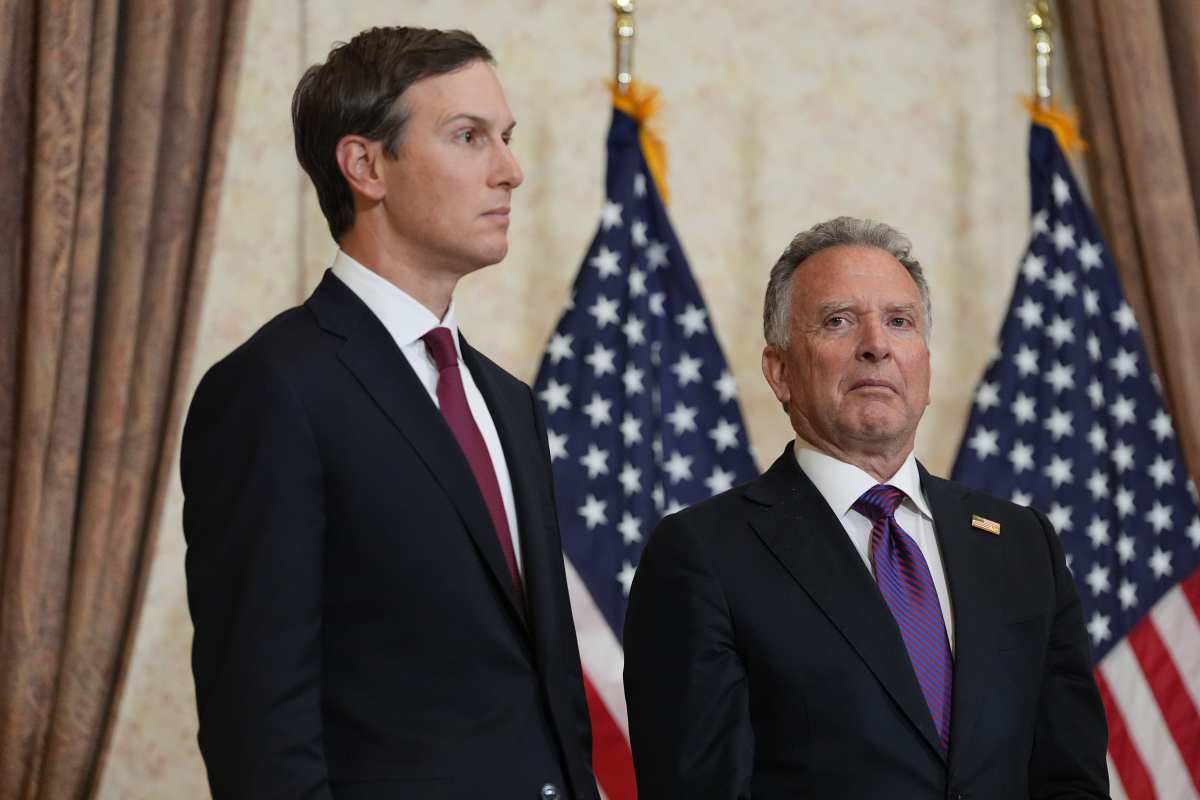
Trump is scheduled to convene an emergency session later Saturday with his core negotiating team, including special envoy Steve Witkoff and Jared Kushner, with Vice President JD Vance also expected to join.
Simultaneously, the president will conduct a critical conference call with key Gulf leaders, including the heads of state from Egypt, Jordan, and Turkey, to discuss the immediate operational landscape before the Sunday deadline expires.
Tehran outlines terms for ending blockades
Iran’s foreign ministry spokesperson confirmed Saturday that the two sides are in the final stage of discussions regarding a formal Memorandum of Understanding (MOU) to end the war.
According to the Iranian framework, the preliminary MOU would lay the groundwork for a subsequent 30-to-60-day period of in-depth negotiations to ink a detailed agreement.
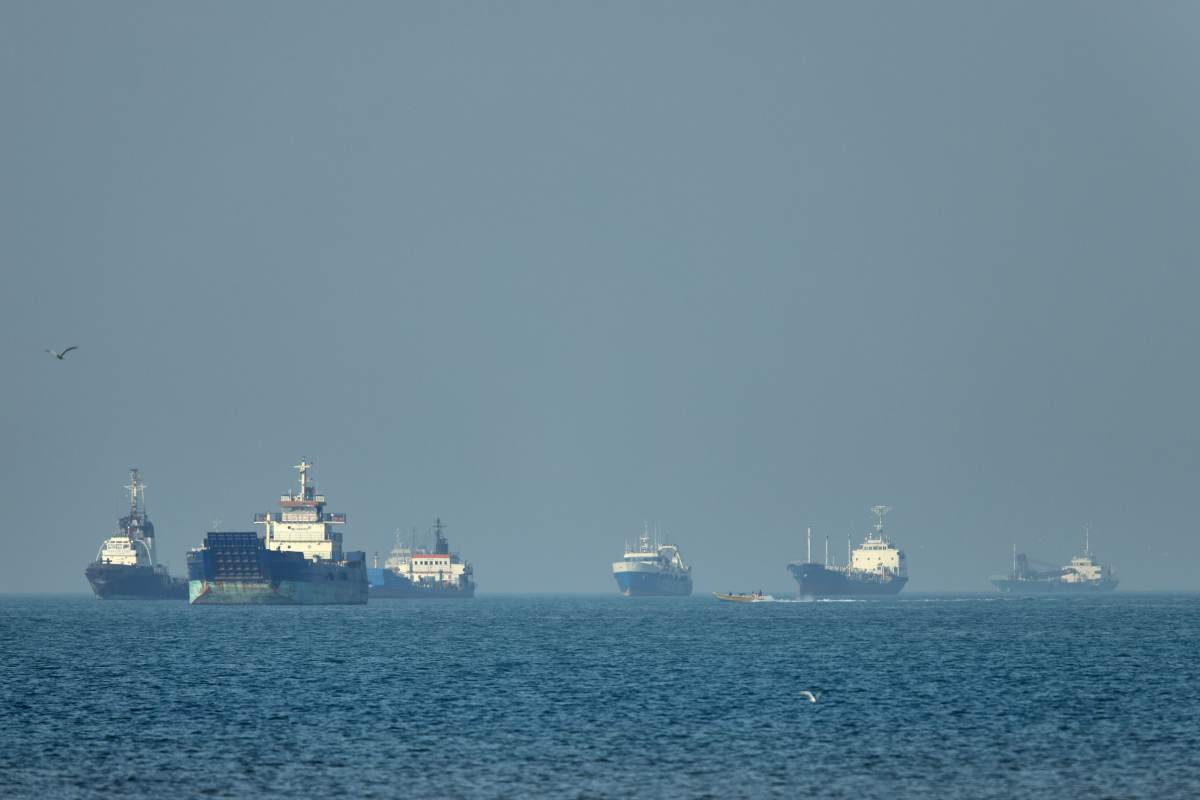
The Iranian ministry stated that the initial memorandum would establish a blueprint to gradually reopen the Strait of Hormuz, lift the crippling US naval blockade, and release billions in frozen Iranian assets.
However, significant friction remains as Trump insists he will only accept a deal that establishes immediate caps on uranium enrichment and dictates the final fate of Iran's existing nuclear stockpile, technical complexities that are unlikely to be resolved within a baseline memorandum.
Allies deeply divided over strategic targets
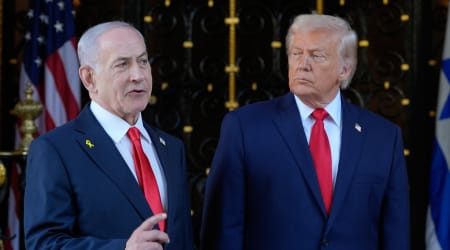
The impending decision has exposed deep divisions among regional allies, with Trump describing Israeli Prime Minister Benjamin Netanyahu as highly torn over the current parameters.
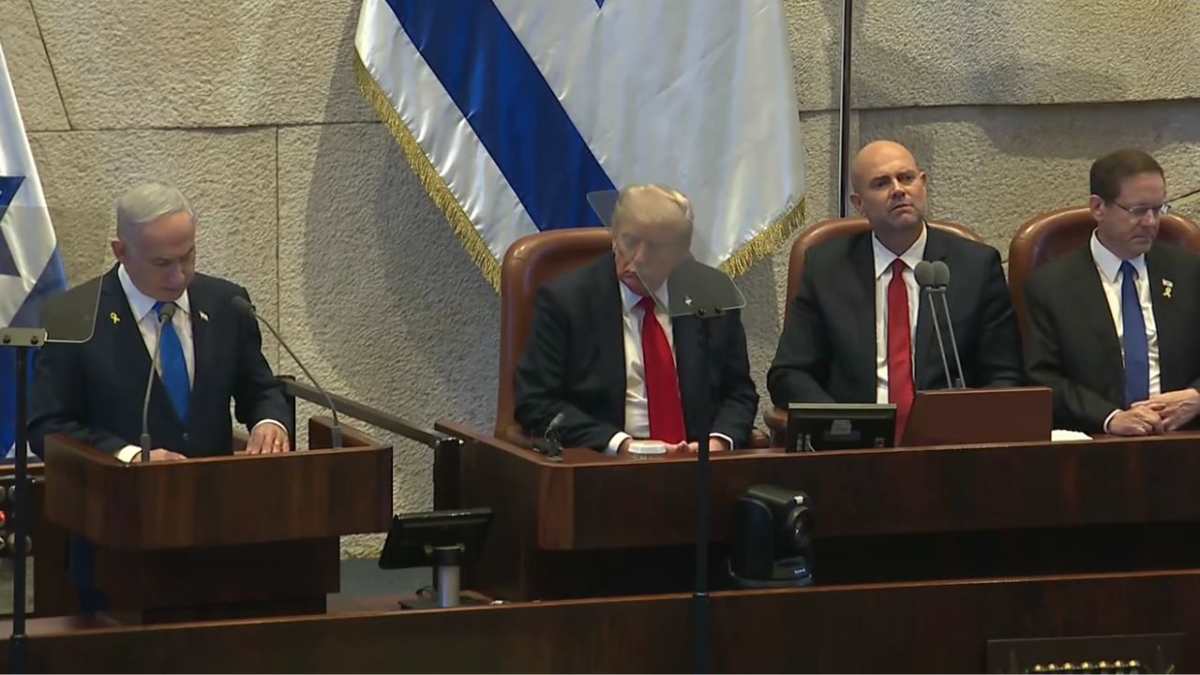
While Trump rejected assertions that Netanyahu was worried about a potential soft deal, Israeli defense officials confirmed the prime minister remains highly concerned about the text under discussion and has explicitly urged the White House to launch a new wave of heavy strikes.
Meanwhile, Secretary of State Marco Rubio confirmed that regional mediators, including Qatar and Saudi Arabia, have been scrambling to bridge the gaps between Iranian Foreign Minister Abbas Araghchi and US envoys. Rubio noted that while progress has been made, Washington's core demands remain unyielding.
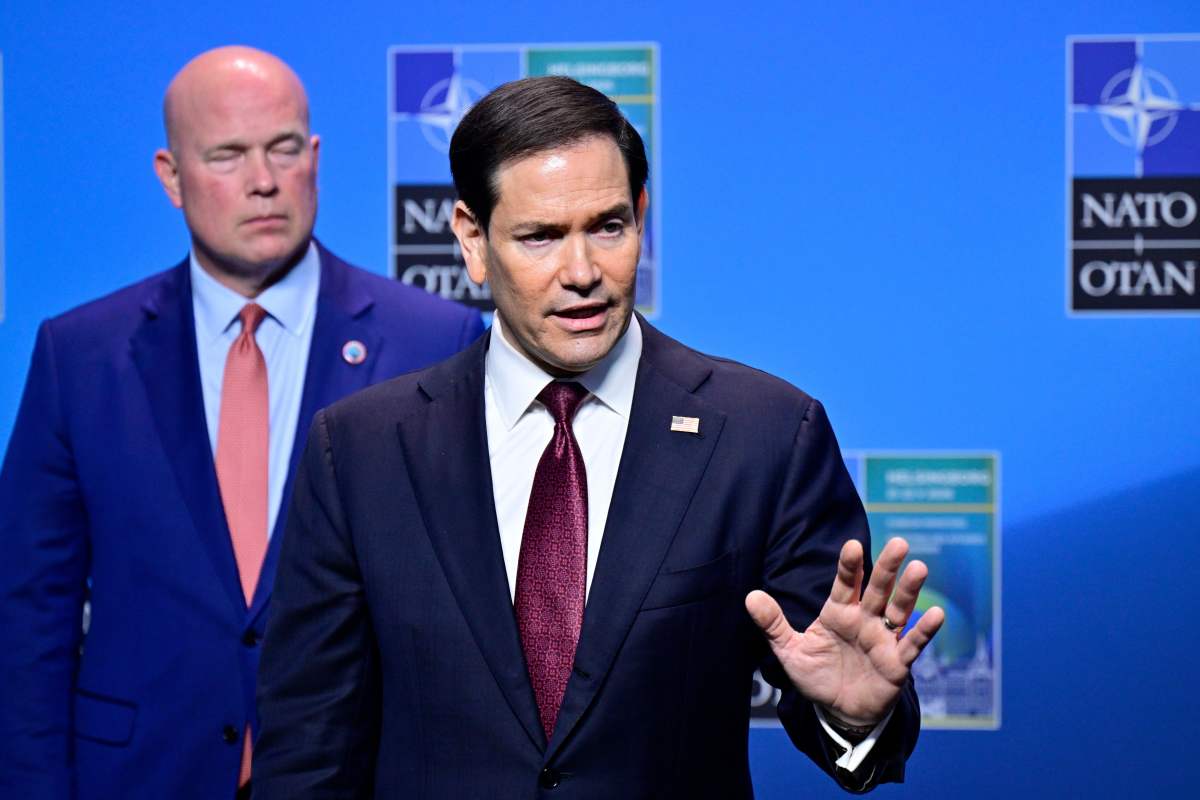
The secretary of state clarified that Iran can never possess a nuclear weapon, must completely surrender its enriched uranium, and must allow the Strait of Hormuz to be permanently reopened without any sovereign tolls.