Court blocks Trump's national parks order, calls display removals ‘censorship’
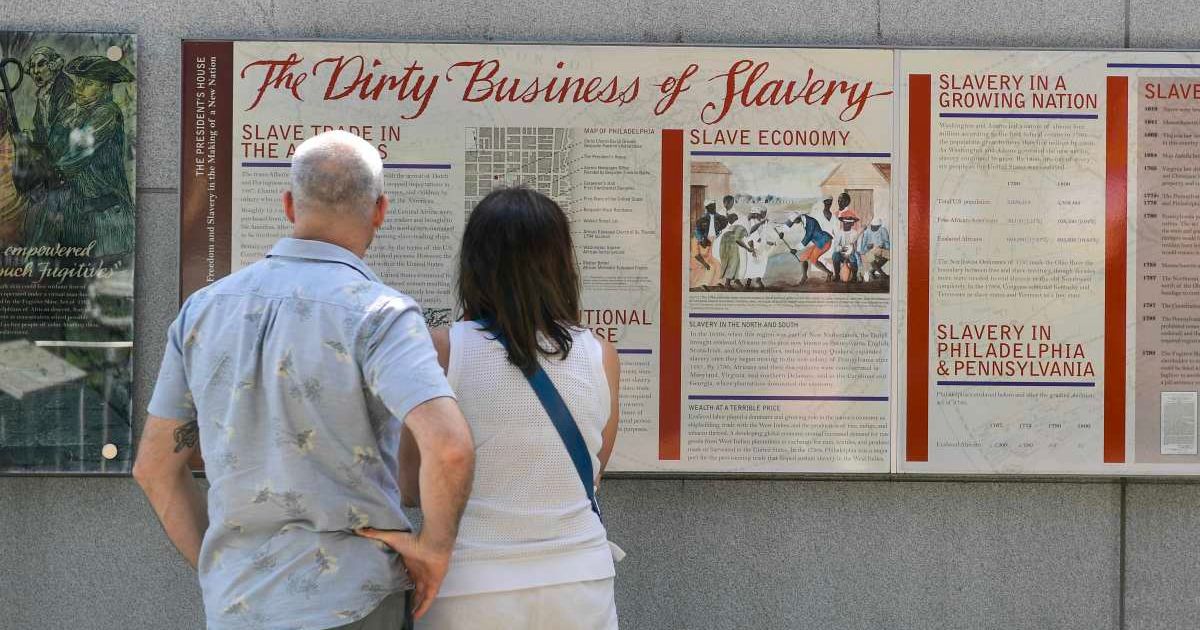
WASHINGTON, DC: A federal judge on Friday, June 12, ordered the Trump administration to restore exhibits, signs, and interpretive materials that had been removed from national parks and monuments as part of a review of historical and scientific content.
The ruling requires the Interior Department to reinstall the materials within 21 days, ahead of events marking the United States’ 250th anniversary. US District Judge Angel Kelley issued a preliminary injunction against the administration, finding that the government’s actions risked presenting an incomplete version of American history.
Judge says national parks must present full history
Kelley ruled that removing displays related to topics such as slavery, civil rights, immigration, women’s suffrage, labor history, and climate change undermined the purpose of the National Park System.
“Removing these signs not only undermines ‘the integrity of the National Parks; it sets a dangerous precedent of censorship and sanitization,’” Kelley wrote in her decision. In a 63-page order, the judge said the administration had sought to remove materials that did not fit its preferred interpretation of history
BREAKING: Judge Angel Kelley blocks Interior Sec. Doug Burgum's “Restoring Truth and Sanity to American History” Order as "a dangerous precedent of censorship and sanitization" and orders DOI to "restore and reinstall" removed materials "forthwith."
— Chris “Law Dork” Geidner (@chrisgeidner) June 12, 2026
ORDER:… pic.twitter.com/VShTGBOiZ1
“Under the guise of promoting American dignity, this Administration seeks to share a limited history by ordering the removal of all signs, displays, and interpretive exhibits at National Parks that do not align with its preferred narrative, thereby telling half-truths,” Kelley wrote.
The lawsuit was brought by several organizations, including the National Parks Conservation Association, the American Association for State and Local History, and other groups representing historians, scientists, and park advocates. They argued that federal officials had engaged in a “sustained campaign to erase history and undermine science.”
🚨 A federal judge in Massachusetts blocked the Trump administration from continuing to remove or alter National Park signs, exhibits, and educational materials under its "Restoring Truth and Sanity to American History" policy. pic.twitter.com/hTdOuCopuk
— SCOTUS Wire (@scotus_wire) June 13, 2026
Examples cited in court filings included exhibits discussing slavery at Philadelphia’s Independence National Historical Park and signage describing climate-related threats at Fort Sumter National Monument in South Carolina.
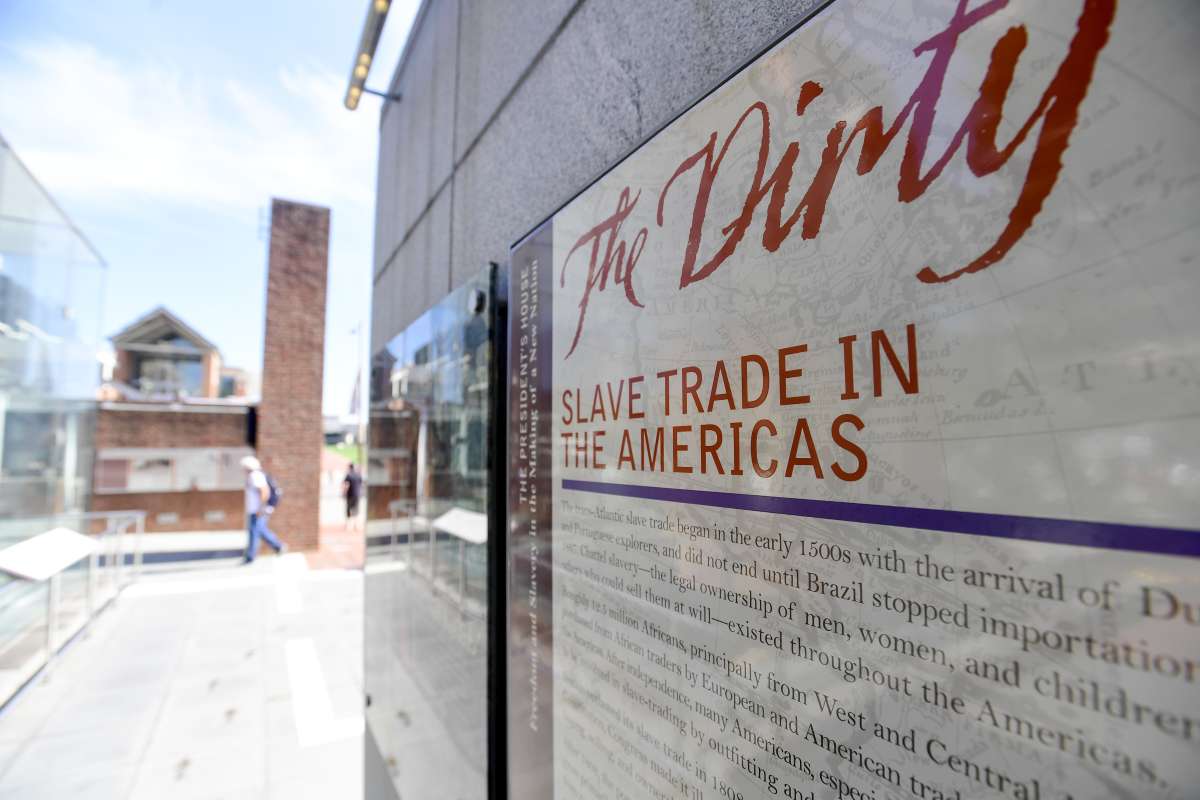
Kelley ordered officials to “take all necessary steps forthwith to restore and reinstall all interpretive materials” within 21 days.
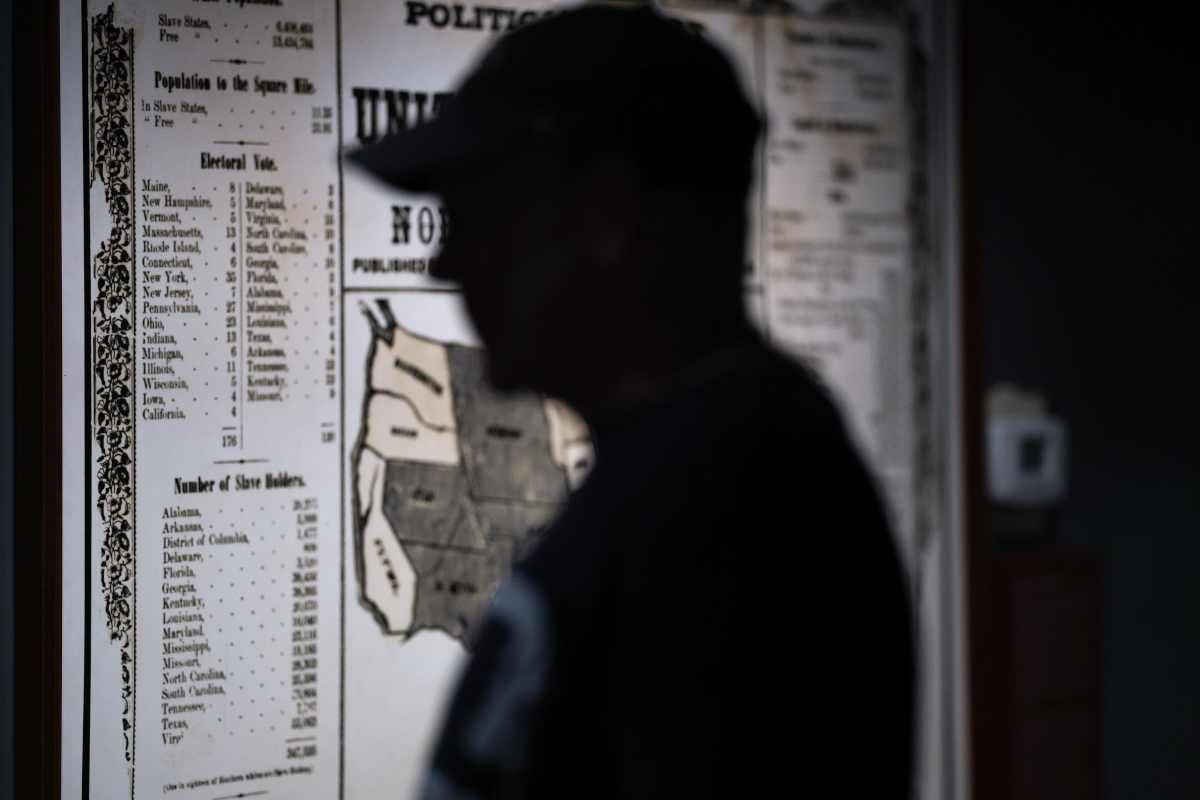
“Because Defendants deemed it important to strip the parks of these undeniable truths in anticipation of the 250th Anniversary of our great Nation, it is equally important that our shared history be honestly told and fully restored by the 250th Anniversary to properly honor the remarkable achievements of the United States,” she wrote.
Dispute stems from Trump order targeting ‘revisionist’ history
The case traces back to an executive order signed by President Donald Trump in March 2025 directing the Interior Department to review monuments, memorials, and historical sites for what the administration described as a “false revision of history.”
Trump’s order targeted what he called a “revisionist movement” that portrayed the United States as “inherently racist, sexist, oppressive, or otherwise irredeemably flawed.” The administration said national parks should “tell the full and accurate story of American history.”
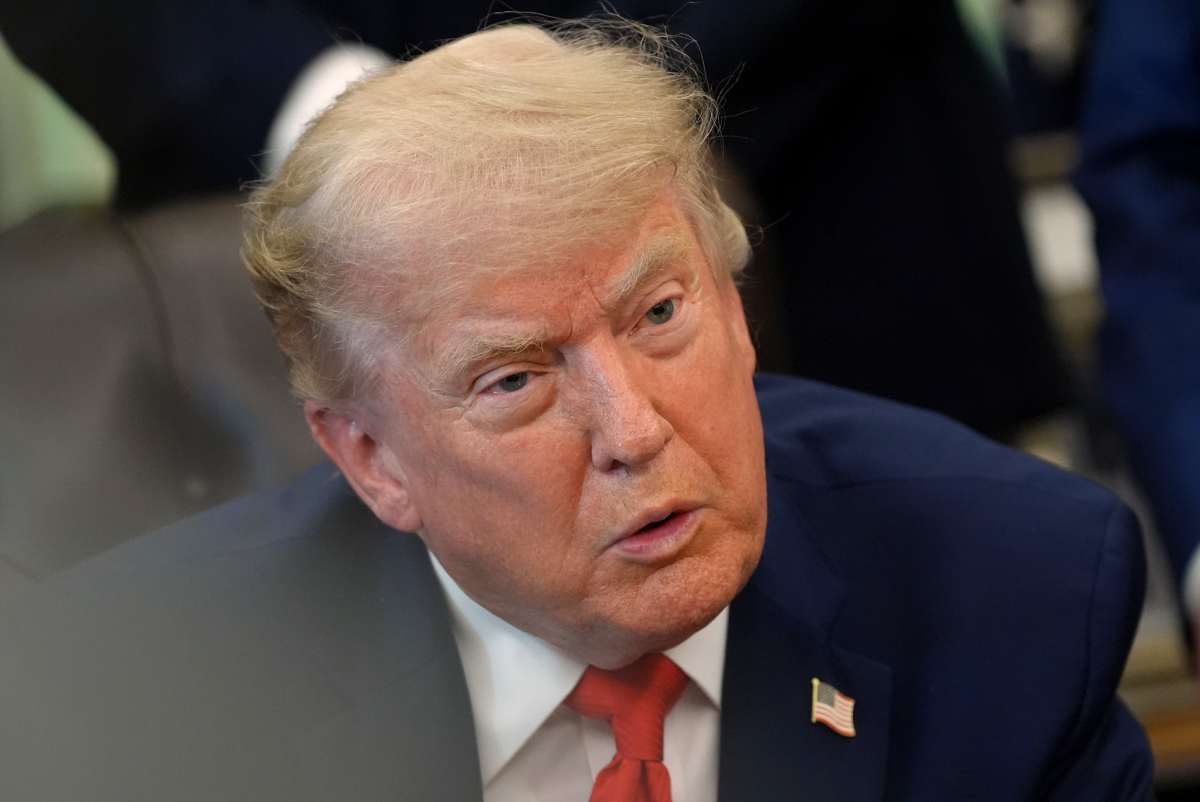
The Interior Department indicated on Friday, June 11, that it is reviewing its legal options. A department spokesperson criticized the ruling, saying, “This ruling is from a liberal activist judge.” Advocacy groups welcomed the ruling, arguing that national parks should preserve and present the broadest possible account of American history.