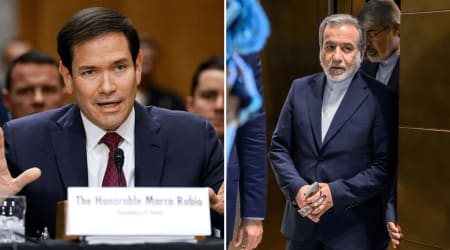
Trump lays out Iran endgame with sanctions tied to nuclear rollback
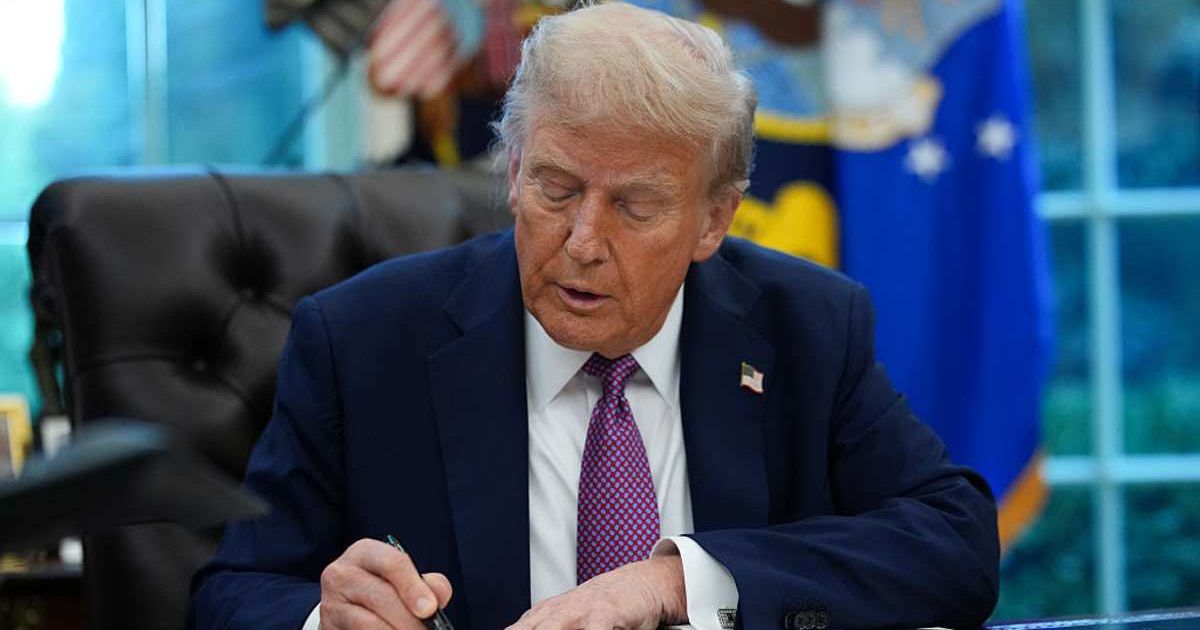
WASHINGTON, DC: A senior United States administration official has exposed the definitive operational framework of a prospective bilateral agreement between Washington and Tehran, revealing the explicit baseline conditions required to bring a permanent end to the 100-day war.
The high-stakes diplomatic disclosure moves the international community entirely past raw geopolitical speculation, outlining a strict transactional blueprint that trades sweeping financial restoration for the comprehensive, verified dismantling of Iran’s entire atomic development infrastructure.

The executive endgame directly establishes that any potential memorandum of understanding will operate strictly on an action-for-action basis, flatly rejecting any immediate upfront concessions to the Iranian regime.
According to the senior official, negotiators intend to maintain current maritime leverage until compliance is independently verified, ensuring that economic benefits only accrue if the targeted facilities are systematically decommissioned.
Maritime concessions follow enforcement push
The central pillar of the White House proposal promises the full physical reopening of the Strait of Hormuz alongside the complete lifting of the unyielding United States naval blockade presently strangling Iranian sovereign ports.
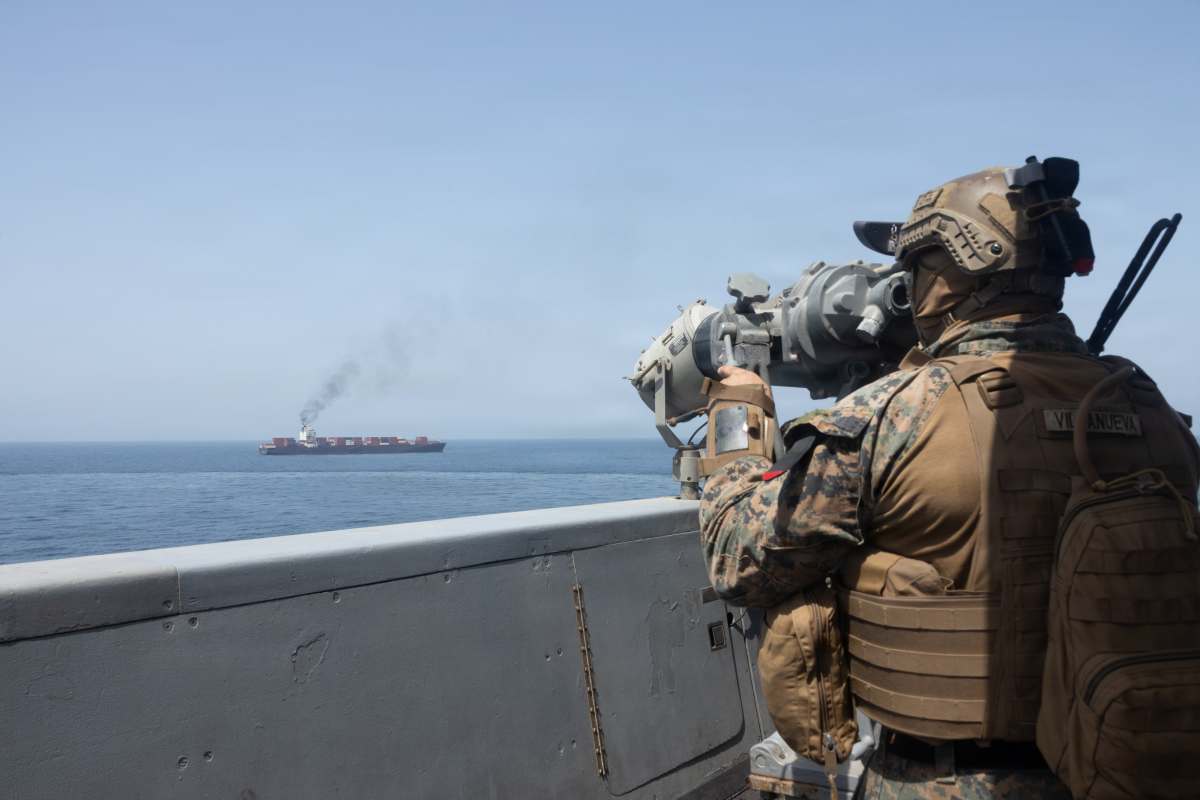
The closure of the vital shipping artery since February 28 has paralyzed approximately 20% of global petroleum transit, triggering extreme market volatility and driving domestic consumer inflation prints to a three-year high of 3.8%.
By putting a verified end to the naval interdiction on the table, the administration is offering an exit ramp to restore regional trade lines in exchange for immediate strategic compliance.
Stockpiles face total on-site destruction
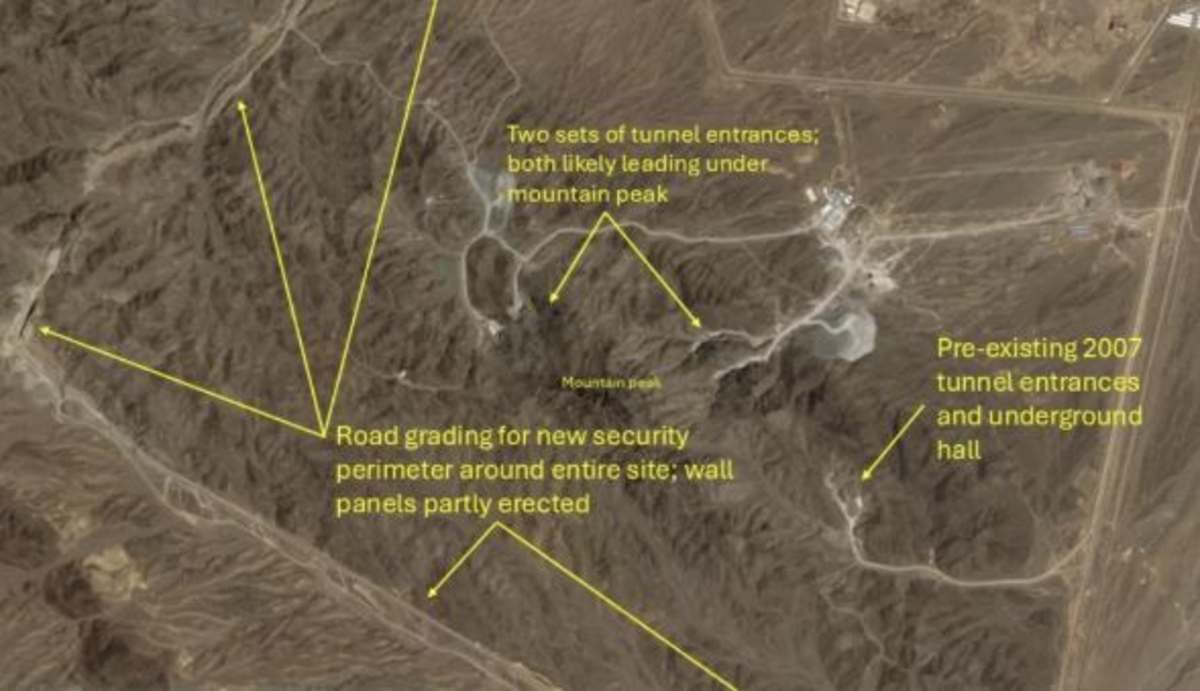
In return for maritime liberation, the White House demands the total forfeiture of Tehran's nuclear capabilities.
The framework stipulates that the United States must obtain all active enriched material, which will be destroyed directly on-site by international inspectors before being permanently extracted from the country.
Financial relief will be unlocked sequentially: turning over nuclear material triggers specific economic rewards, while dismantling structural facilities yields separate funding lifelines.