'Real pain begins': Iran warns of economic fallout for Americans after 'war of choice'
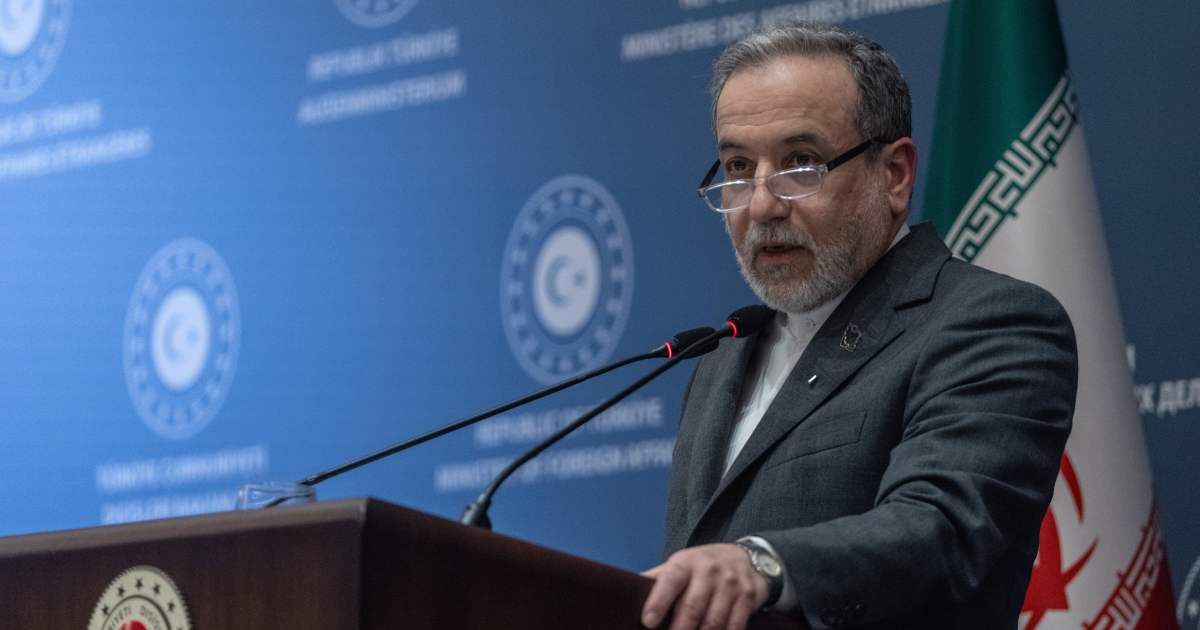
WASHINGTON, DC: Amid the intense diplomatic efforts underway to secure a peace deal to end the conflict between the United States and Iran, and continued rejection of the peace proposals by the parties, Iran warned Americans on Friday, May 16, of the economic cost of the “war of choice.”
The hopes of a near-term breakthrough in the brutal 10-week conflict were crushed when President Donald Trump rejected Iran’s “totally unacceptable” response to a US proposal for peace talks.
Iran's foreign minister warns US of rising economic costs
The Foreign Minister of Iran Abbas Araghchi, warned that the US would face growing economic consequences from its “war of choice” on Iran.
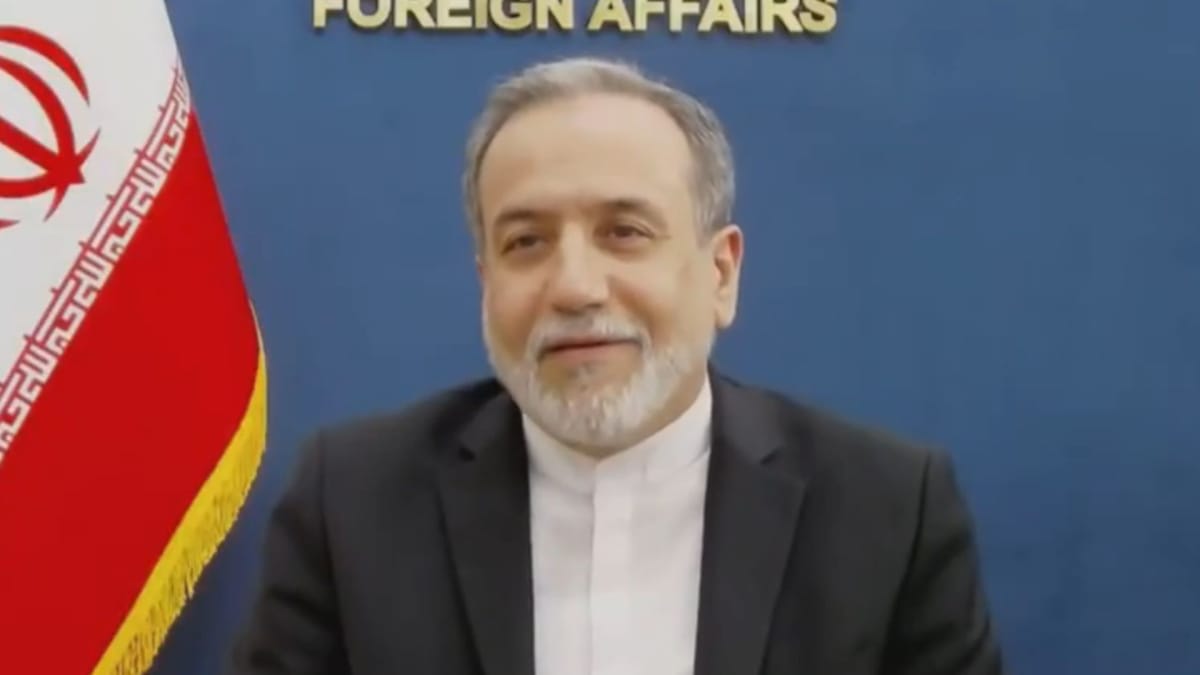
Posting on X, Abbas Araghchi said that the US would be forced to bear the cost of war with Tehran, adding that “Americans are told that they must absorb rocketing costs.”
“Put aside gas price hike and stock market bubble. Real pain begins when US debt and mortgage rates start to jump," he added. "This was all avoidable."
Americans are told that they must absorb rocketing costs of war of choice on Iran.
— Seyed Abbas Araghchi (@araghchi) May 15, 2026
Put aside gas price hike and stock market bubble. Real pain begins when U.S. debt and mortgage rates start to jump. Auto loan delinquencies are already at 30+-year high.
This was all avoidable. pic.twitter.com/dhjcdzTOHc
The statement comes amid the soaring cost of oil as the uncertainty around the reopening of the Strait of Hormuz continues.
Iran plans new system to regulate Hormuz
Ebrahim Azizi, head of the Iranian parliament’s national security committee, said Iran is preparing a new system to control and manage ship movement through the Strait of Hormuz, one of the world’s most important oil shipping routes.
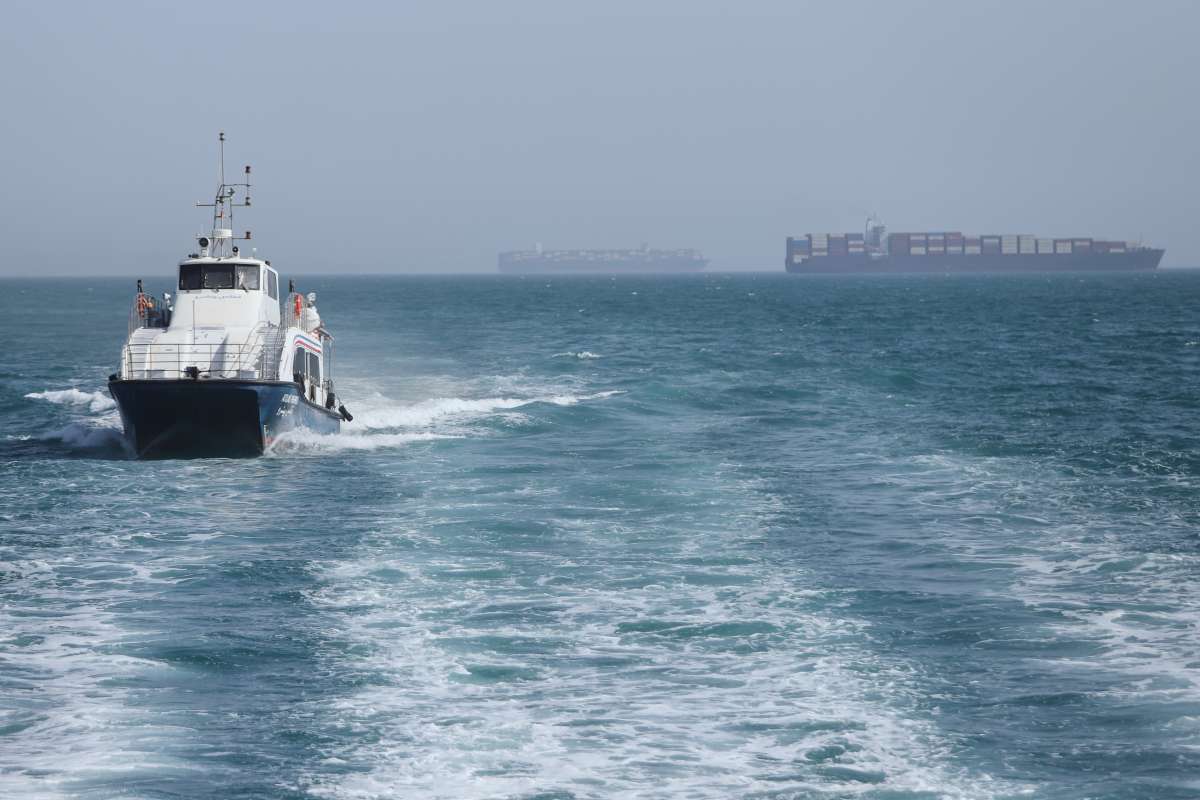
Speaking on Saturday, Azizi said Tehran would soon announce a designated maritime route for vessels traveling through the Strait.
According to Azizi, the new arrangement would mainly favor commercial ships and countries that cooperate with Iran.
Iran, within the framework of its national sovereignty and the guarantee of international trade security, has prepared a professional mechanism to manage traffic in the Strait of Hormuz along a designated route, which will be unveiled soon.
— ابراهیم عزیزی (@Ebrahimazizi33) May 16, 2026
In this process, only commercial…
He also said Tehran plans to charge fees for certain specialized services provided under the system, signaling that Iran could seek greater control and economic benefit from traffic moving through the strategically critical waterway.
Trump rejects Iran's response to proposed peace talks
Days after the US floated an offer in hopes of reopening negotiations, Iran sent a proposal through mediators in Pakistan, focused on ending the war on all fronts, especially Lebanon, and on the safety of shipping through the blockaded Strait of Hormuz, Iran’s semi-official Tasnim news agency said.
However, President Trump has rejected the "totally unacceptable" proposed text for negotiation, calling on the US Office of Foreign Assets Control to lift sanctions on Iranian oil exports for 30 days and demanding an end to the naval blockade imposed on Iran.
"I have just read the response from Iran’s so-called 'Representatives.' I don’t like it — TOTALLY UNACCEPTABLE! Thank you for your attention to this matter." -President DONALD J. TRUMP pic.twitter.com/MIQDS9Ujjy
— The White House (@WhiteHouse) May 10, 2026
The reports also claimed that Iran’s demands include “Iranian management of the Strait of Hormuz if certain commitments are undertaken by the US.”
Trump, on May 10, said that he had examined Iran’s reply to the US peace proposal for ending the Middle East conflict, but ultimately rejected it, calling the response “totally unacceptable.”
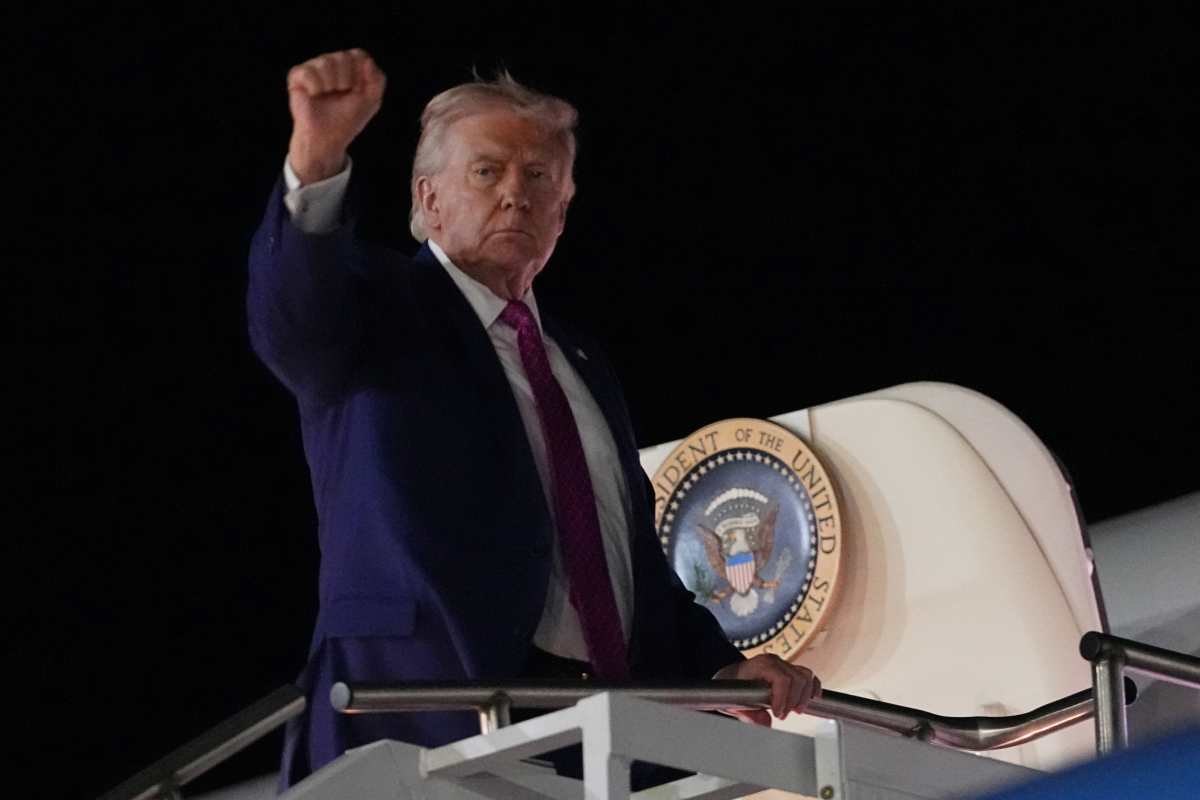
“I have just read the response from Iran’s so-called 'Representatives.' I don’t like it — TOTALLY UNACCEPTABLE!” he wrote in a post on Truth Social.