Trump floats 20-year pause on Iran nuclear program instead of permanent ban in major policy shift
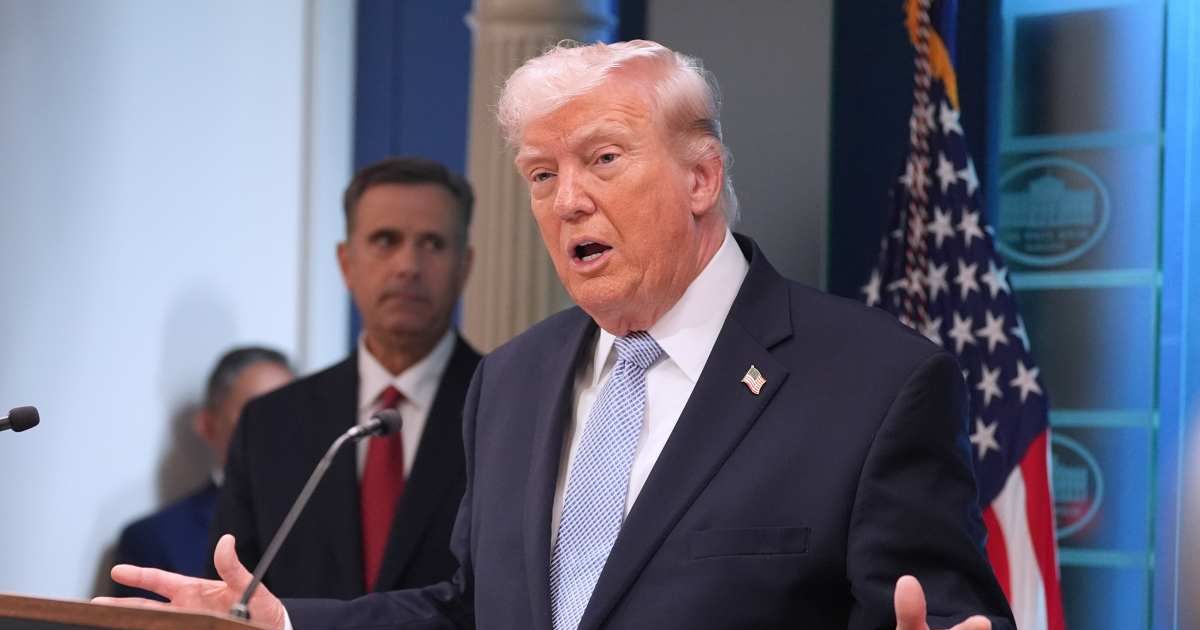
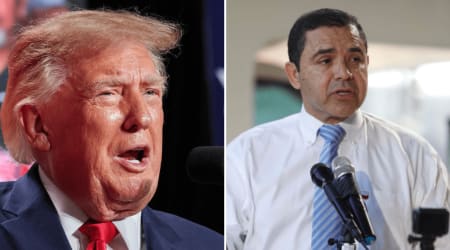
WASHINGTON, DC: Donald Trump has sparked fresh debate over his Iran policy after suggesting that a 20-year suspension of Tehran’s nuclear programme would be acceptable, a major shift from his earlier demands for a permanent end to Iran’s uranium enrichment activities.
Trump made the remarks while discussing the ongoing conflict involving Iran, Israel, and the United States, as diplomatic talks continue with little sign of a breakthrough.
His comments have drawn attention because they appear to soften his previous hardline position that Iran should never be allowed to continue nuclear enrichment under any circumstances.
BREAKING: Trump indicated he could accept a 20-year halt to Iran’s nuclear activity:
— Clash Report (@clashreport) May 15, 2026
20 years is enough. But the level of guarantee from them… it's got to be a real 20 years. pic.twitter.com/cic86rTAuC
Donald Trump says Iran nuclear freeze must be a ‘real 20 years’
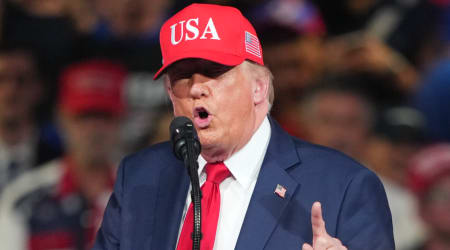
Speaking to reporters, Trump said he would support a long-term suspension of Iran’s nuclear activities, but insisted the agreement would need strong guarantees.
“Twenty years is enough, but the level of guarantee from them, in other words it's got to be a real 20 years,” Trump said.
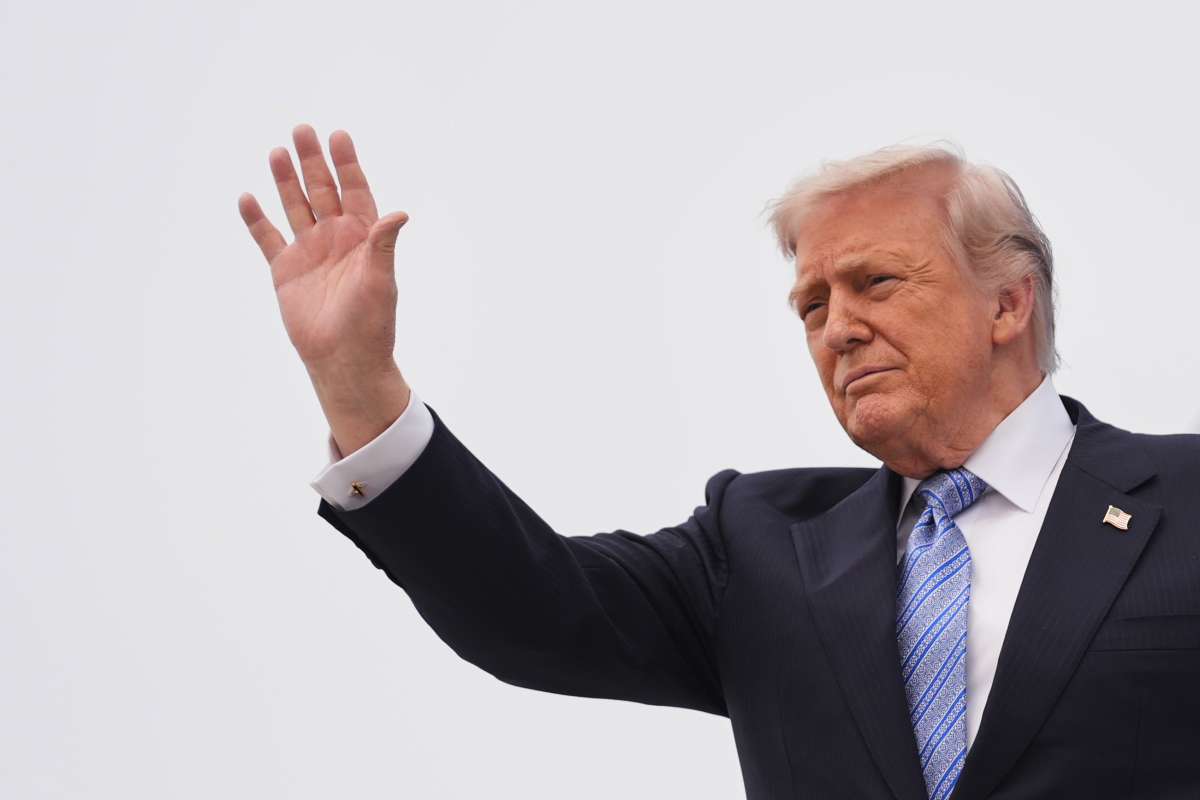
The president did not explain what those guarantees would involve, but his comments immediately stood out because he had previously pushed for Iran to permanently stop enriching uranium, which is considered one of the key stages in developing nuclear weapons.
Trump also warned that his patience with Iran was wearing thin as negotiations remain stalled.
The comments came as tensions continue to simmer in the Middle East following massive Israeli and US air strikes against Iran that began on February 28. Although a ceasefire has largely held since last month to allow negotiations to move forward, both sides continue to reject each other’s latest proposals.
Pakistan has reportedly been acting as a mediator during the talks, but the negotiations appear far from settled.
Iran proposal reportedly demanded end to attacks and naval blockade
According to Iranian media reports, Tehran’s proposal included several major demands tied to ending the conflict.
Iran reportedly called for an immediate stop to the war on all fronts, including attacks linked to Hezbollah in Lebanon, which is backed by Iran.
The proposal also reportedly demanded an end to the US naval blockade of Iranian ports and guarantees that no further attacks would be carried out against Iran.
At the same time, Trump revealed that discussions involving Xi Jinping included agreement that Iran could not be allowed to possess nuclear weapons.
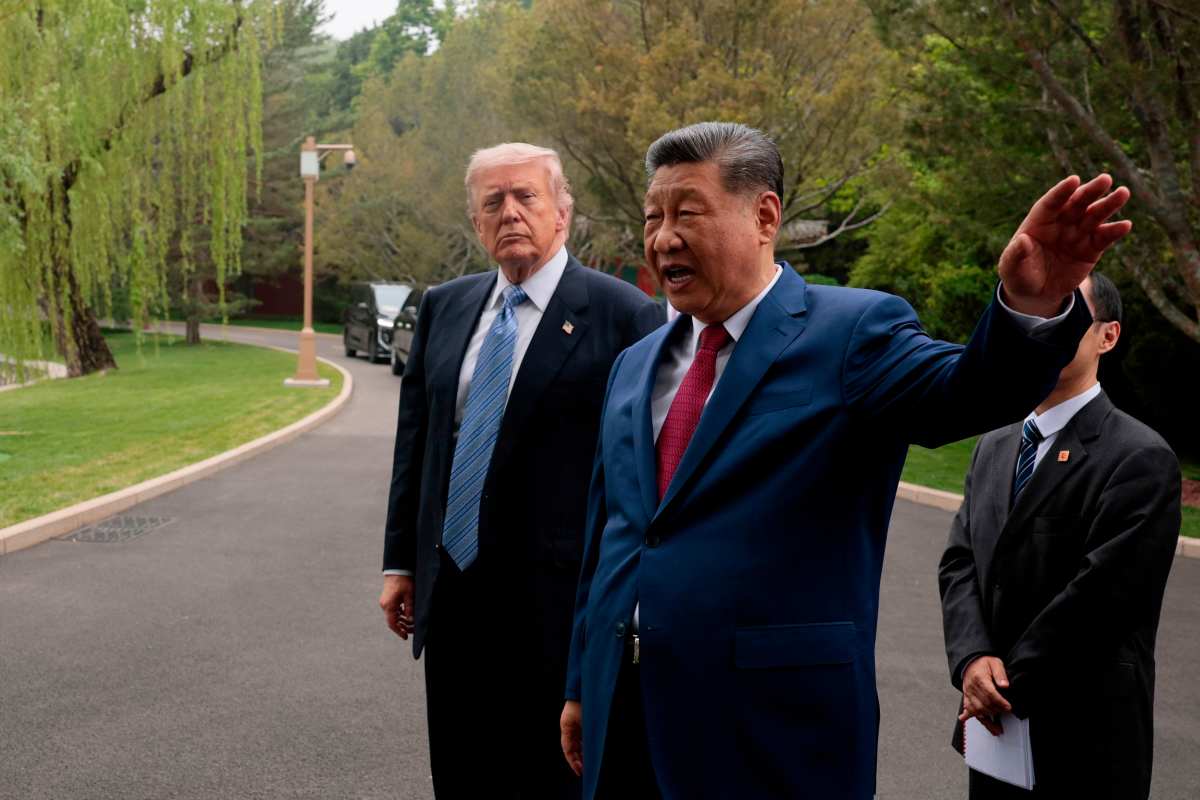
Trump also insisted that Iran must reopen the Strait of Hormuz, which remains blocked and has contributed to rising global oil prices.
The Strait of Hormuz is considered one of the world’s most important oil shipping routes, and concerns over disruptions there have already triggered fears about energy markets and economic instability.
Despite Trump’s apparent openness to a temporary suspension rather than a permanent shutdown, there remains a significant gap between the positions held by Washington, Tehran, and Israel.
JD Vance reportedly pushed for 20-year ban during earlier talks
US media reports earlier this year claimed that during negotiations held in Islamabad, JD Vance rejected an Iranian proposal that called for suspending uranium enrichment for only five years.
According to those reports, Vance insisted that any agreement would need to include a minimum 20-year suspension period.
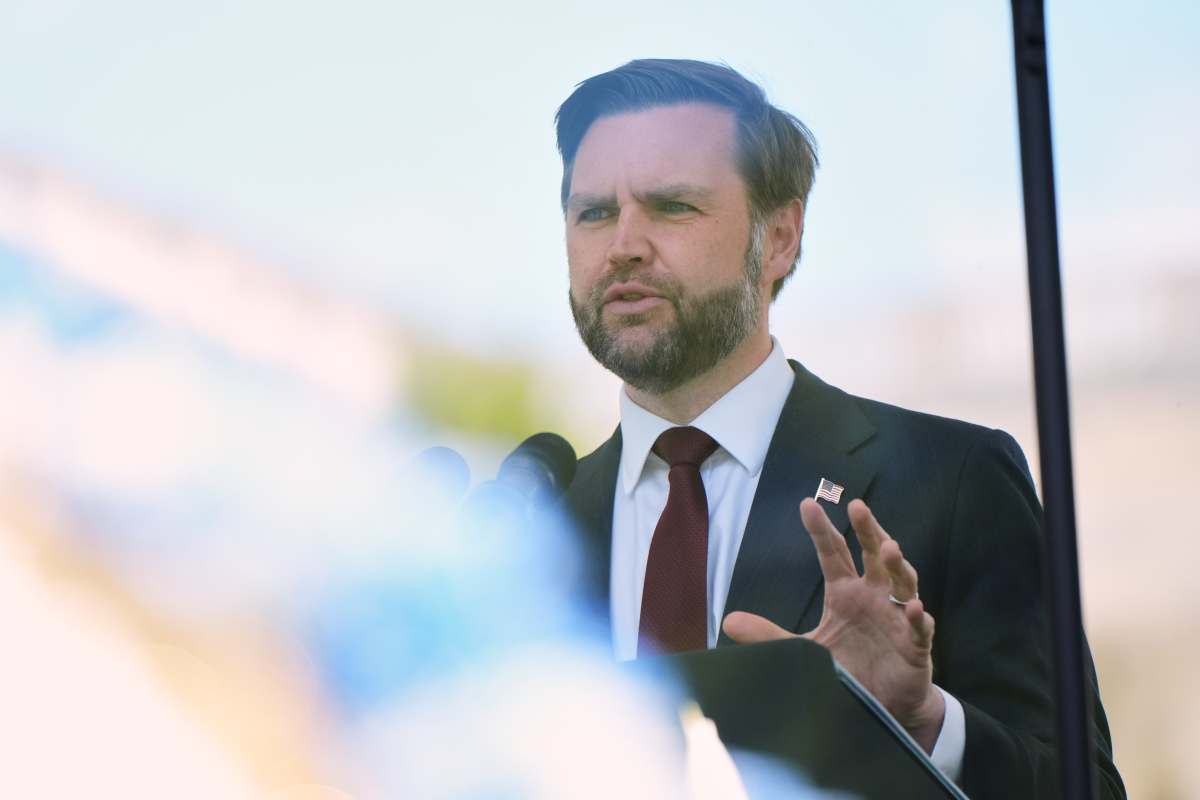
However, this appears to be the first time Trump himself has publicly mentioned the same timeframe, adding to speculation that the administration may now be considering a compromise position instead of demanding a total dismantling of Iran’s nuclear programme.
The shift is especially notable because Trump strongly opposed the 2015 nuclear agreement reached during the Obama administration.
At the time, Trump criticized the deal partly because of its so-called “sunset clauses,” which would have allowed some restrictions on Iran’s nuclear programme to expire over time.
So far, Benjamin Netanyahu has not publicly responded to Trump’s latest comments.
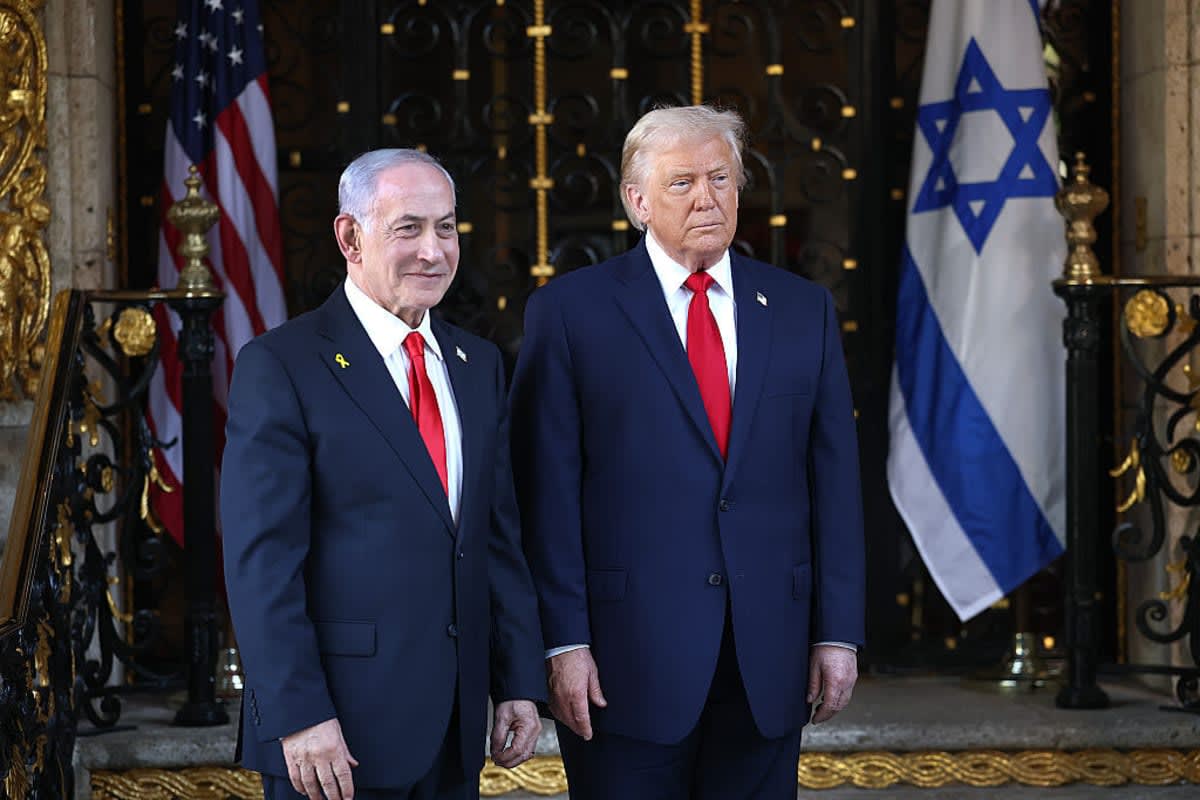
Netanyahu has repeatedly argued that Iran’s stockpile of enriched uranium must be completely removed before any conflict with Iran can truly be considered over.
The Israeli prime minister was also one of the strongest critics of the 2015 nuclear deal, warning that temporary restrictions would still leave open the possibility of Iran eventually developing nuclear weapons.