House Republicans move to make Trump’s ‘Department of War’ rename permanent
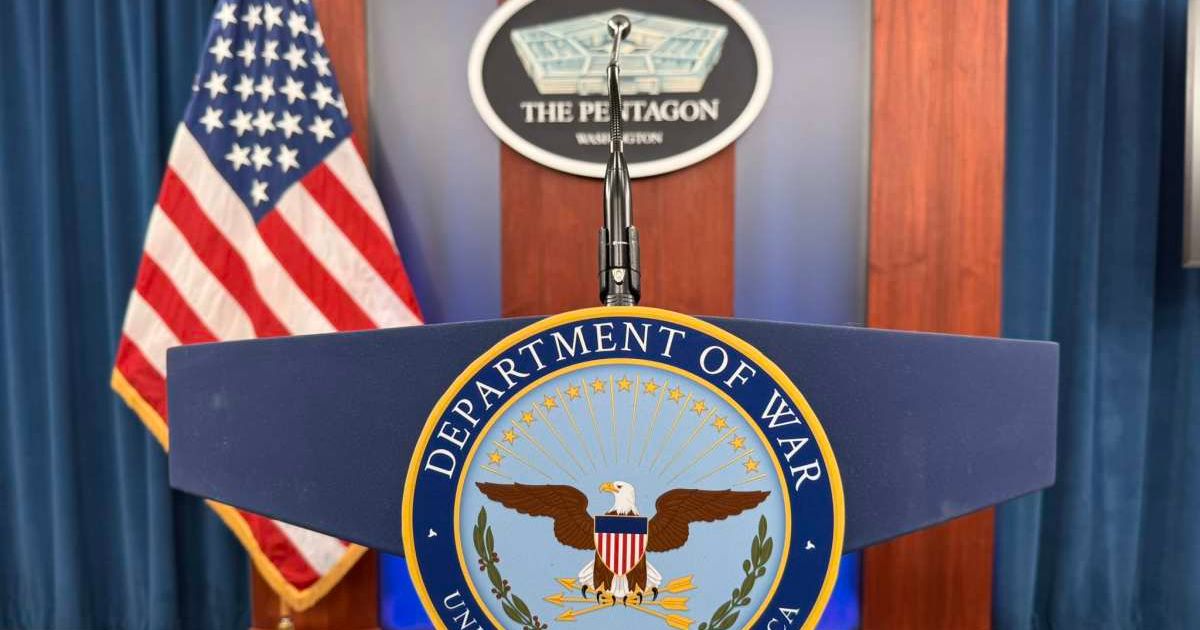
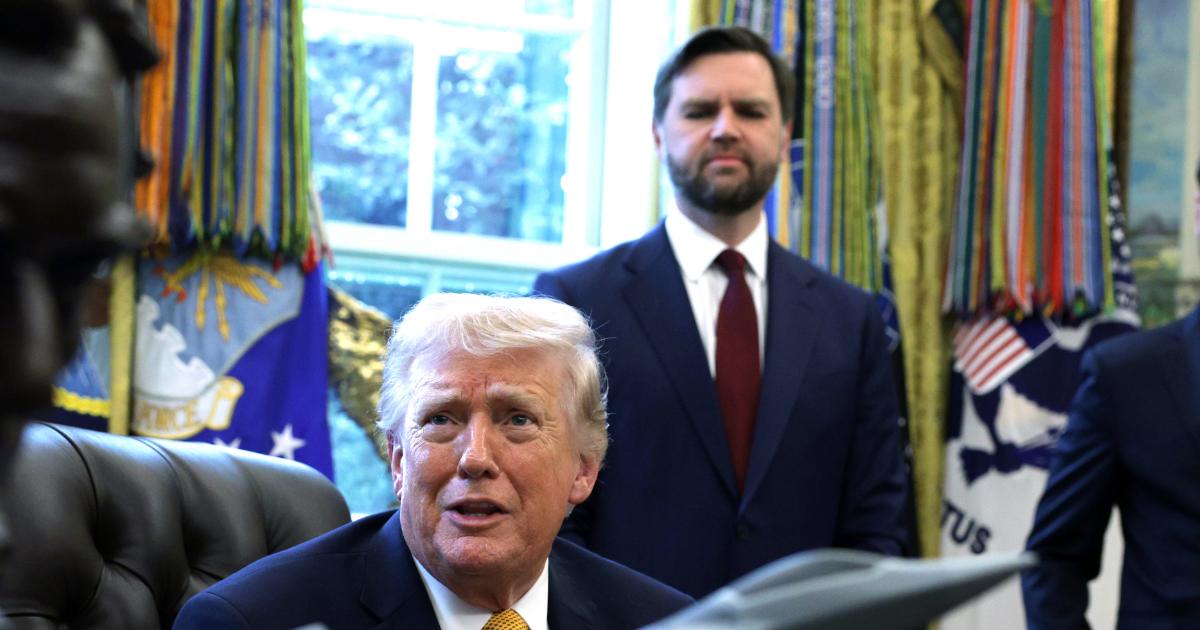
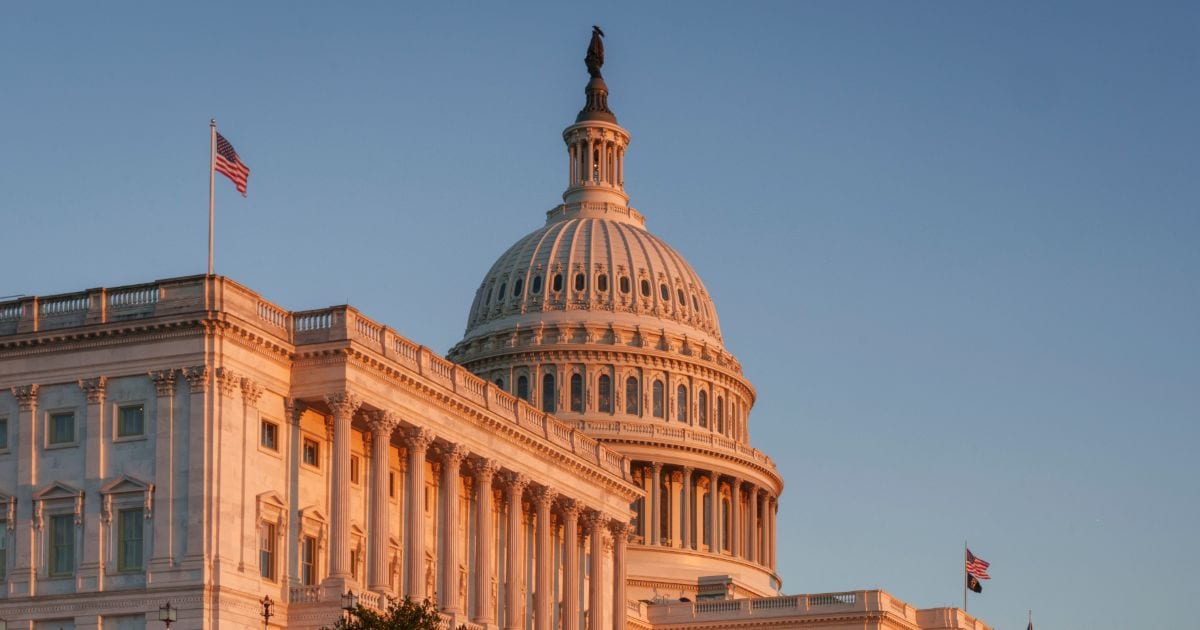
WASHINGTON, DC: President Donald Trump's long-running push to rename the Defense Department took a significant step forward this week after House Republicans approved an amendment that would make the change permanent.
The proposal, backed by Republicans on the House Armed Services Committee during a Thursday, June 4, night meeting, would officially rename the Defense Department as the "Department of War," reviving a title the agency carried for more than 150 years before it was changed in 1947.
🚨 House Armed Services votes to formally adopt Trump’s move to rename the Department of Defense to the Department of War.
— Connor O'Brien (@connorobrienNH) June 5, 2026
Party line vote. And I’ll just note a couple Rs who predicted it wouldn’t have the votes to pass supported it. pic.twitter.com/1JlbUFyhgB
Ronny Jackson leads Republican effort to rename Defense Department
Rep Ronny Jackson of Texas spearheaded the effort by introducing the amendment as part of the proposed $1.15 trillion National Defense Authorization Act.
Making the case for the change, Jackson argued that the name would project strength and send a message to America's adversaries.
"Restoring the name Department of War sends an unmistakable signal to the world," Jackson said.

He continued by emphasizing what he sees as the importance of military deterrence.
"Deterrence only works when adversaries believe America is willing to fight and win to secure its interests," he said.
The proposal received support from fellow Texas Republican Rep Pat Fallon, who reportedly held up a Pentagon logo featuring the proposed name during committee discussions.
Jackson also encouraged lawmakers to embrace the rebranding effort, telling them they could "see firsthand how beautiful it actually is."
The committee ultimately approved the amendment along party lines, setting the stage for a fight in Congress over whether Trump's preferred name should become law.
Donald Trump's executive order sets stage for latest push
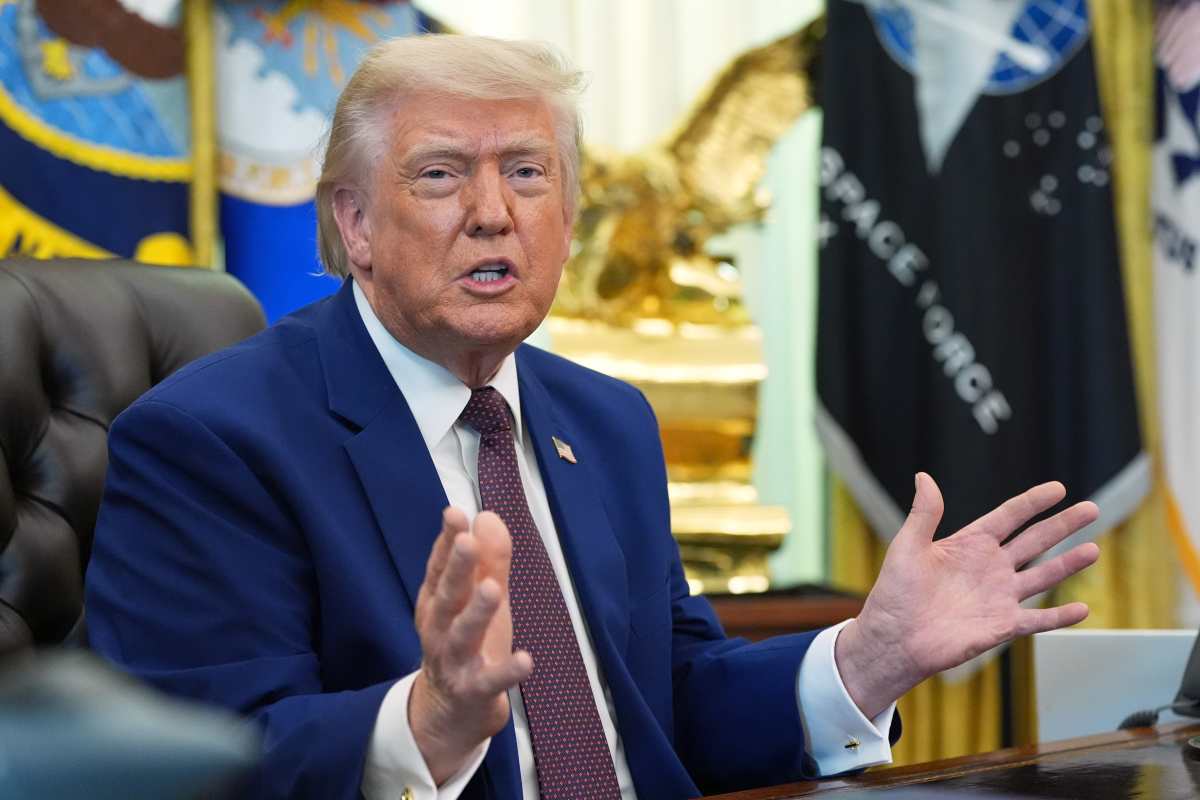
The congressional effort follows action Trump took last year when he signed a non-binding executive order directing the agency to use the "Department of War" name.
That order came only days after Trump publicly floated the idea while praising Defense Secretary Pete Hegseth.
Speaking to reporters at the time, Trump explained why he believed the old name was more appropriate.

"I think because, you know, Department of Defense, we won World War I, World War II, it was called the Department of War. And to me, that's really what it is," Trump said.
The title is not new. The federal agency responsible for military affairs was known as the Department of War from 1789 until President Harry Truman signed the National Security Act of 1947.
That landmark legislation reorganized the nation's military structure and also created the CIA and the National Security Council.
Trump's executive order did not legally change the department's name, making congressional approval necessary if the administration wants the change permanently codified.
In late April, the Pentagon formally asked Congress to take that step.
Democrats mock proposal as unnecessary and costly
Democrats on the committee were quick to criticize the amendment and question both its purpose and its cost.
Rep Adam Smith of Washington, the ranking Democrat on the House Armed Services Committee, delivered one of the sharpest rebukes.
"I really think this is one of the dumbest things that has been done by this administration," Smith said.
.@RepRonnyJackson, very close to Trump who has expressed interest in a HASC chair bid, now offering an amendment to officially rename "The Department of War."
— Anthony Adragna (@AnthonyAdragna) June 5, 2026
"Names matter," he says. @RepAdamSmith: "This is one of the dumbest things that's been done by this administration."
Rep Pat Ryan of New York was equally dismissive, reportedly describing the proposal as "performative bull***t."
For opponents, the debate is less about symbolism and more about whether taxpayer money should be spent on changing the name of one of the federal government's largest agencies.
Questions about the financial impact have followed the proposal since it first surfaced.
A December report from the Congressional Budget Office estimated that implementing the name change could cost anywhere from several million dollars to potentially hundreds of millions, depending on how broadly the rebranding is carried out.
The Pentagon later estimated that the effort would cost approximately $52 million.
The debate has also spilt beyond Capitol Hill and into popular culture.
Soon after Hegseth embraced Trump's preferred title, the proposal became the subject of public mockery and satire.
One of the most widely discussed examples came during a November episode of "South Park," which poked fun at the secretary and referenced the renaming effort.