Trump signals temporary suspension of federal gas tax amid rising fuel prices
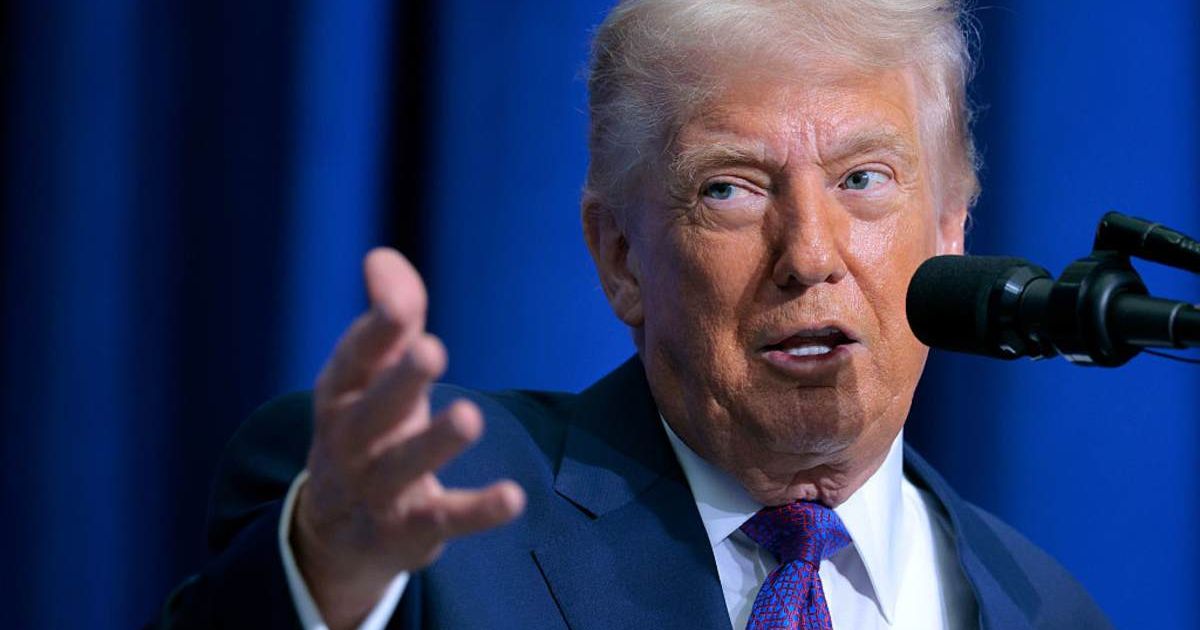
WASHINGTON, DC: As gasoline prices soar following the Iran conflict and disruptions in the Strait of Hormuz, President Donald Trump says he wants to temporarily lift the federal gas tax while warning Tehran that the US could intensify military operations in the Gulf.
President Donald Trump said on Monday that he intends to suspend the federal gas tax temporarily in an effort to ease the burden on American consumers grappling with soaring fuel prices linked to the escalating crisis in the Middle East.
In a phone interview with CBS News chief White House correspondent Nancy Cordes, Trump said the administration was preparing to act on fuel taxes and would restore them only after prices stabilize.
“And yep, we’re going to take off the gas tax for a period of time, and when gas goes down, we’ll let it phase back in,” Trump said. “But no, we’re gonna, we’ll, we’ll be doing something on that. Yes.”
Trump pushes temporary gas tax relief
The proposal would require congressional approval because the federal excise tax, currently 18.4 cents per gallon on gasoline and 24.4 cents per gallon on diesel, is established by federal law.
Lawmakers in Congress, however, have shown little enthusiasm so far for suspending the levy despite mounting pressure over rising fuel costs.
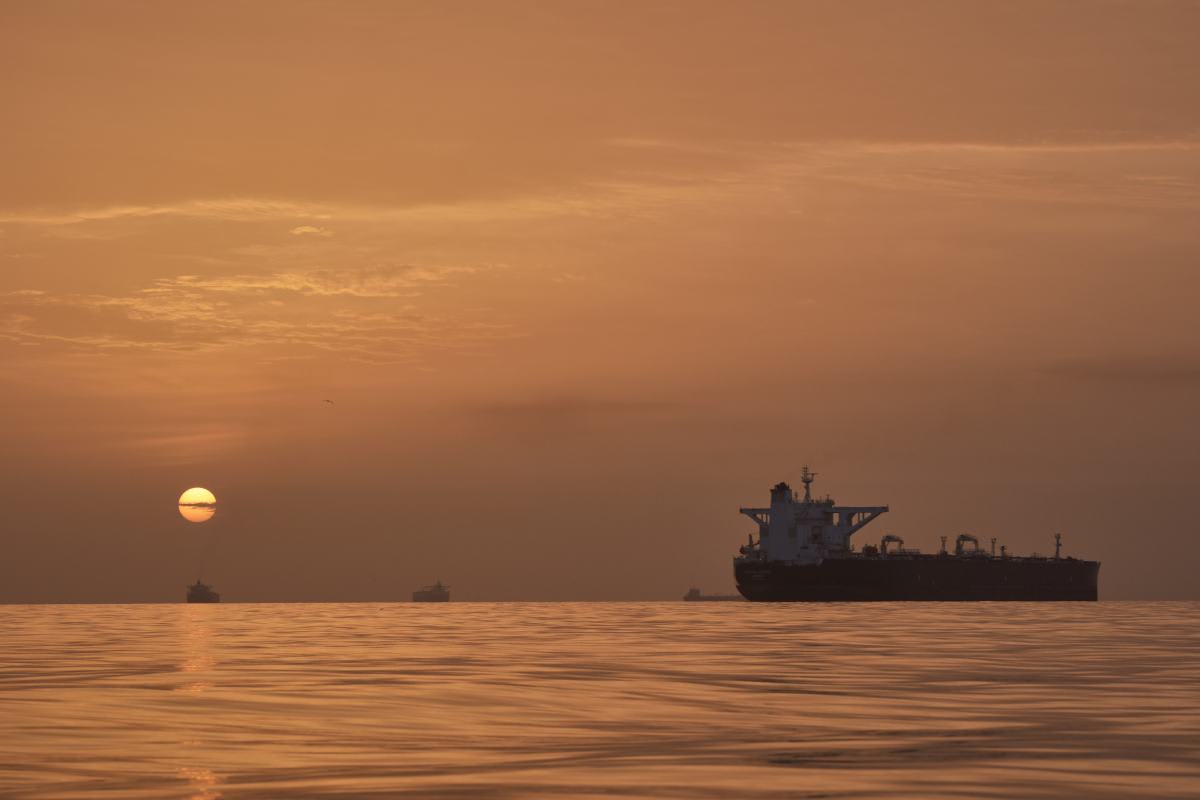
Fuel prices spike amid Hormuz crisis
The president’s remarks came as Americans continue to face rapidly climbing gasoline prices following the outbreak of the Iran conflict on Feb 28.
According to AAA, average gas prices have surged by more than 50% since the war began, reaching over $4.52 per gallon on Sunday.
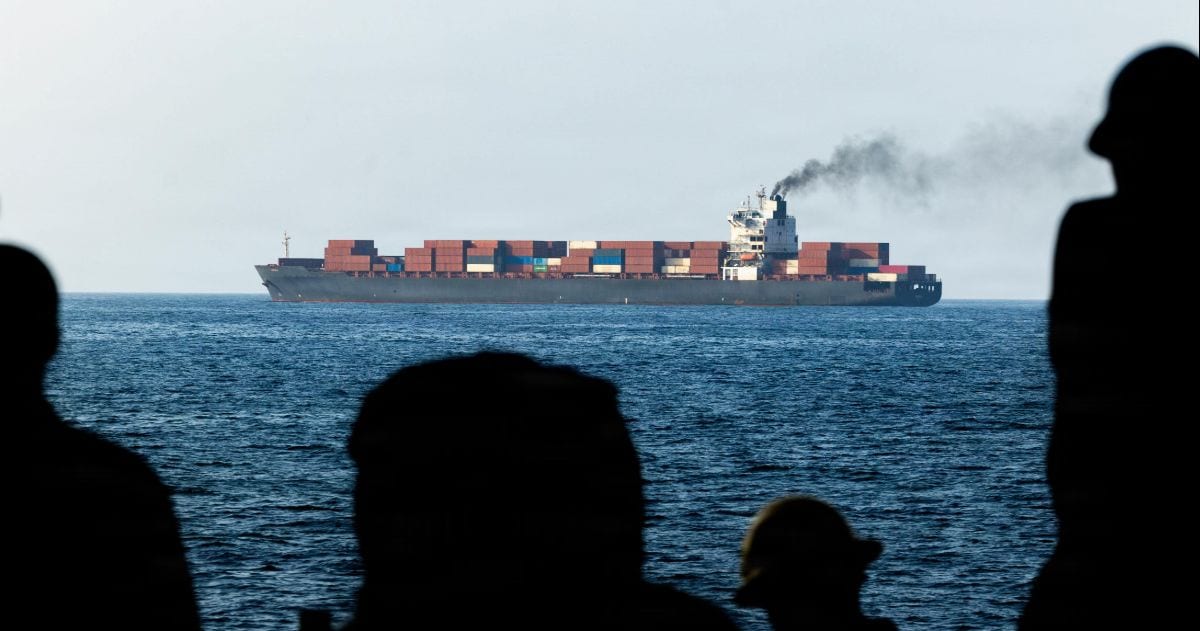
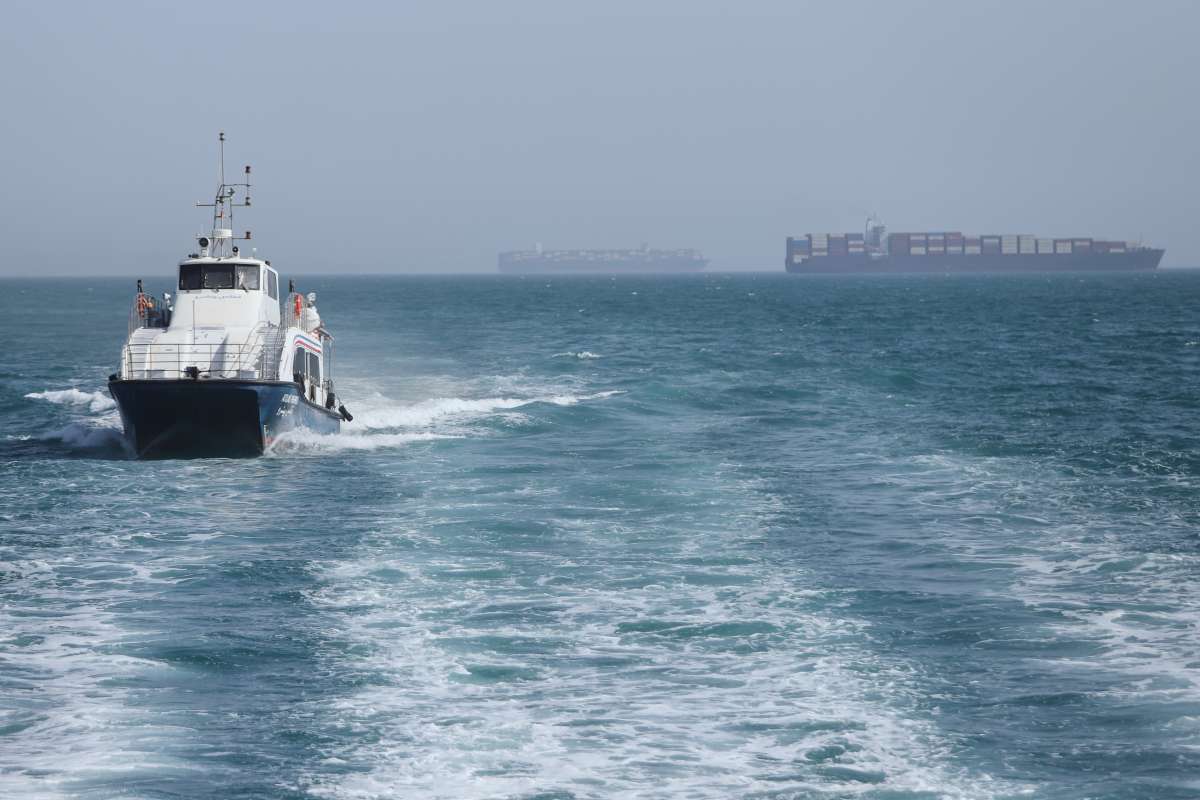
Energy analysts warn that prices may remain elevated as long as Iran continues disrupting maritime traffic through the Strait of Hormuz.
The strategic waterway is one of the world’s most critical energy corridors, handling a significant share of global oil shipments.
Iran has effectively restricted access to the strait through military threats and operations targeting commercial shipping in retaliation for joint US-Israeli strikes earlier this year.
The resulting supply uncertainty has rattled global energy markets and intensified fears of prolonged inflationary pressure on transportation and consumer goods.
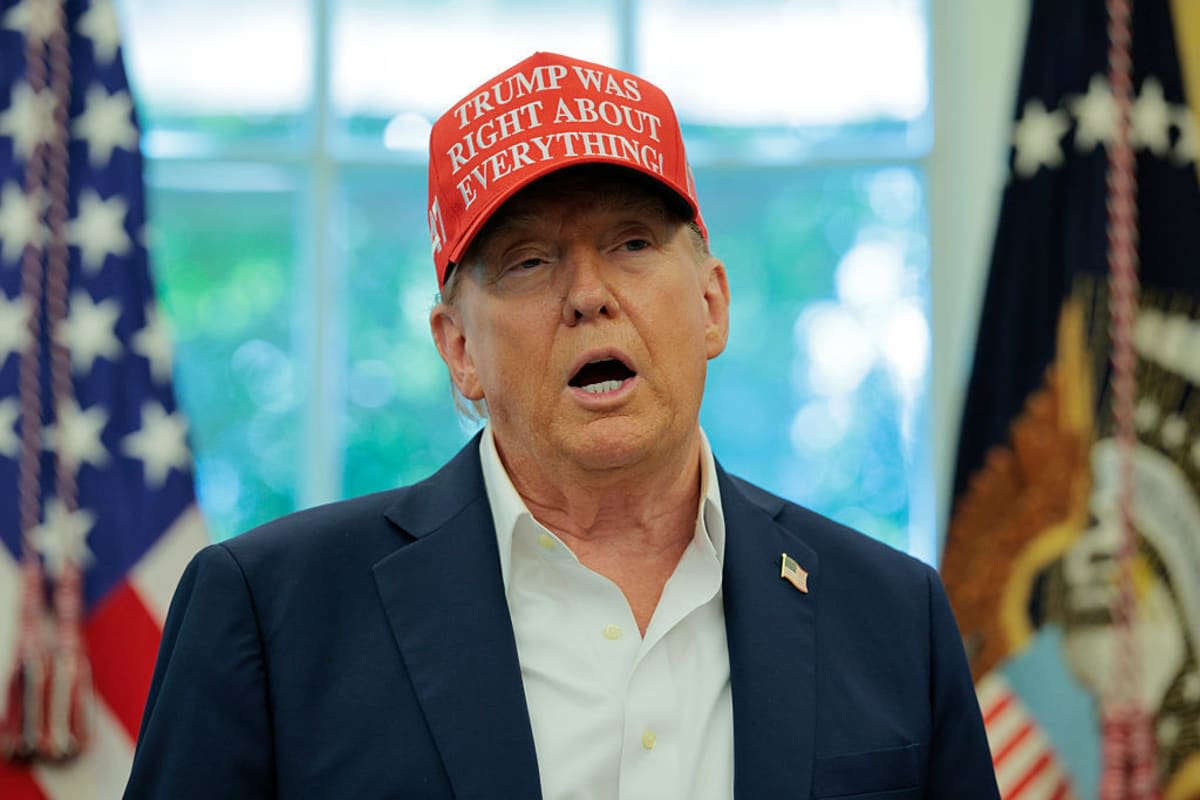
Trump dismisses Iran’s peace proposal
Trump also used the interview to criticize Iran’s latest response to a US-backed peace proposal, saying Tehran had offered some concessions regarding its nuclear activities but had failed to go far enough.
The president described the proposal as “very stupid,” despite acknowledging that Iran had shown limited flexibility on aspects of its nuclear program.
His comments signaled continued deadlock in diplomatic efforts aimed at securing a ceasefire and restoring stability in the Gulf region.
Negotiations between Washington and Tehran have faced repeated setbacks in recent weeks, with both sides accusing the other of refusing to compromise on key security and military demands.
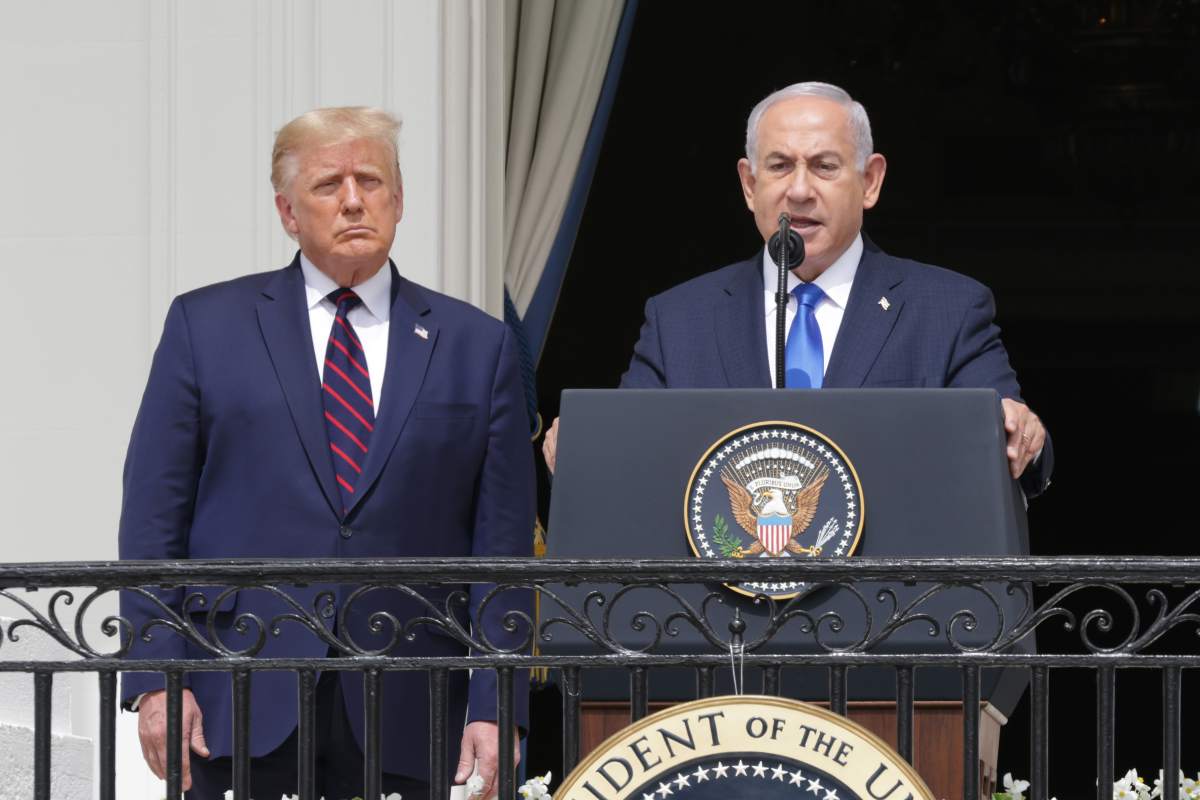
(Alex Wong/Getty Images)
Trump claims he predicted Hormuz shutdown
The president also responded to recent comments made by Israeli Prime Minister Benjamin Netanyahu during an appearance on “60 Minutes,” where Netanyahu said that “nobody had perfect foresight” regarding the closure of the Strait of Hormuz. Trump pushed back strongly against that characterization.
“I did. I knew they closed it. That’s the only weapon they have,” he said.
Trump further stated that the United States had previously been capable of reopening the crucial shipping lane under “Project Freedom,” the military initiative launched to escort and protect vessels navigating the strait during the height of the crisis.
While the operation was eventually scaled back, Trump suggested Washington could restart it if necessary, and warned that any renewed intervention would be significantly tougher.
“He said it could resume and it would be much more severe,” according to the interview.