Iran issues Strait of Hormuz warning as Rubio's Qatar talks raise more questions than answers
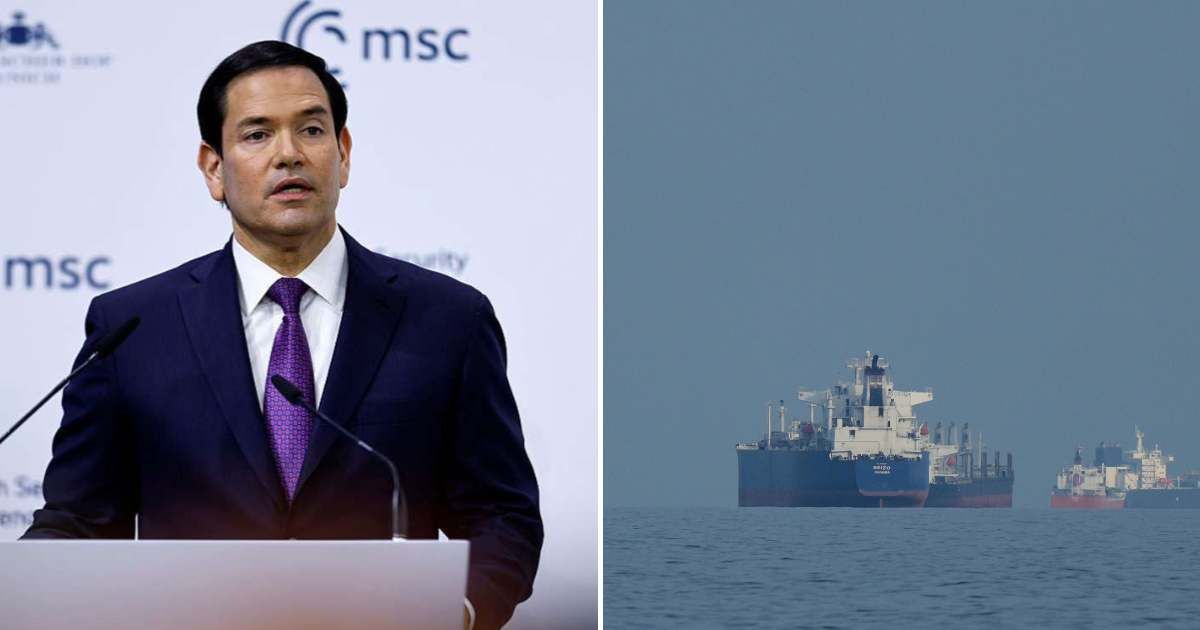
WASHINGTON, DC: A senior Iranian military official has warned that countries enforcing sanctions against Iran could “face problems” when their vessels pass through the strategically vital Strait of Hormuz, according to Iranian state media, in the latest sign of escalating tensions in the Gulf.
The warning comes amid heightened military activity and growing fears over the security of one of the world’s most important oil transit routes.
The Strait of Hormuz handles a significant share of global energy shipments, and any threat to navigation through the narrow waterway risks rattling international markets and deepening regional instability.
Iran has repeatedly accused Western nations and their regional allies of waging economic warfare through sanctions, while also warning that pressure campaigns could trigger retaliatory measures affecting maritime security in the Gulf.
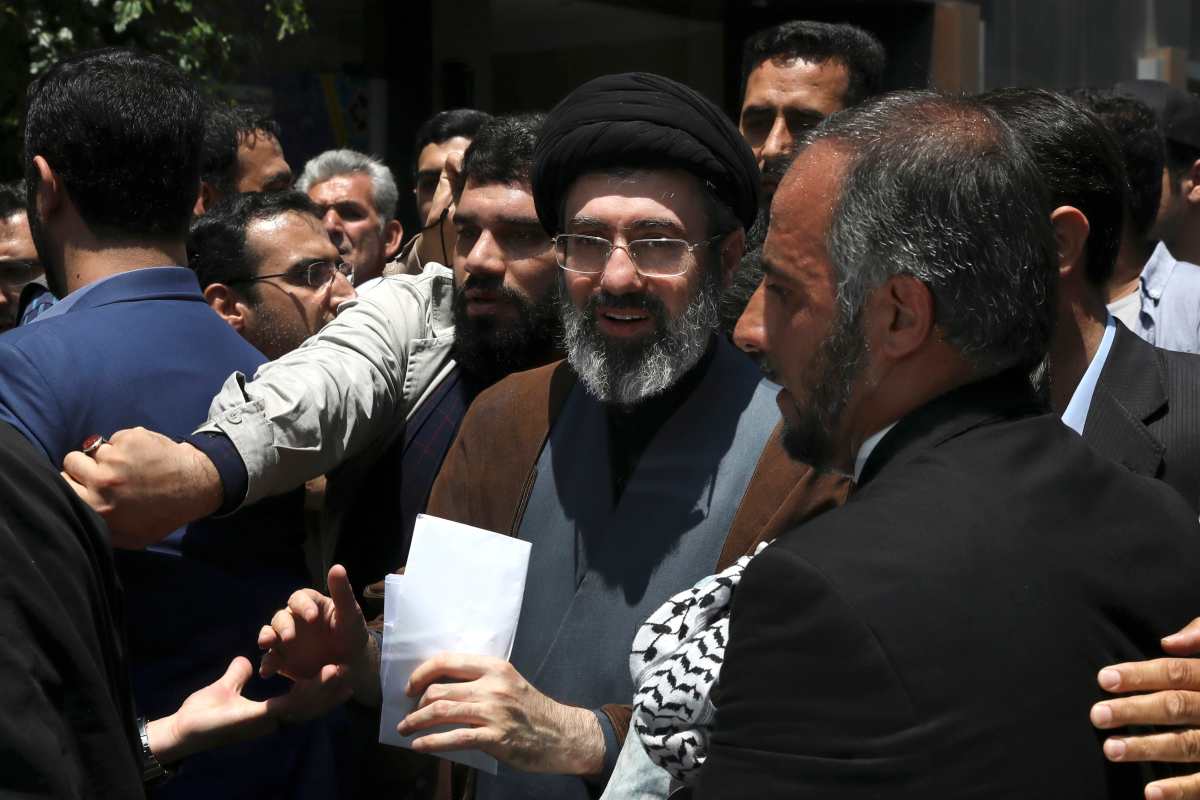
Mojtaba Khamenei holds second high-level military meeting
Amid the worsening crisis, Iran’s Supreme Leader Mojtaba Khamenei, reportedly held another in-person meeting with a senior military commander, according to Iranian state media.
The meeting marks the second such appearance by Khamenei within days, underscoring the seriousness of the unfolding confrontation involving Iran, the United States and regional powers.
Iranian leadership has increasingly projected military readiness as tensions rise over attacks on shipping, sanctions enforcement and the growing presence of US military assets in the Gulf region.
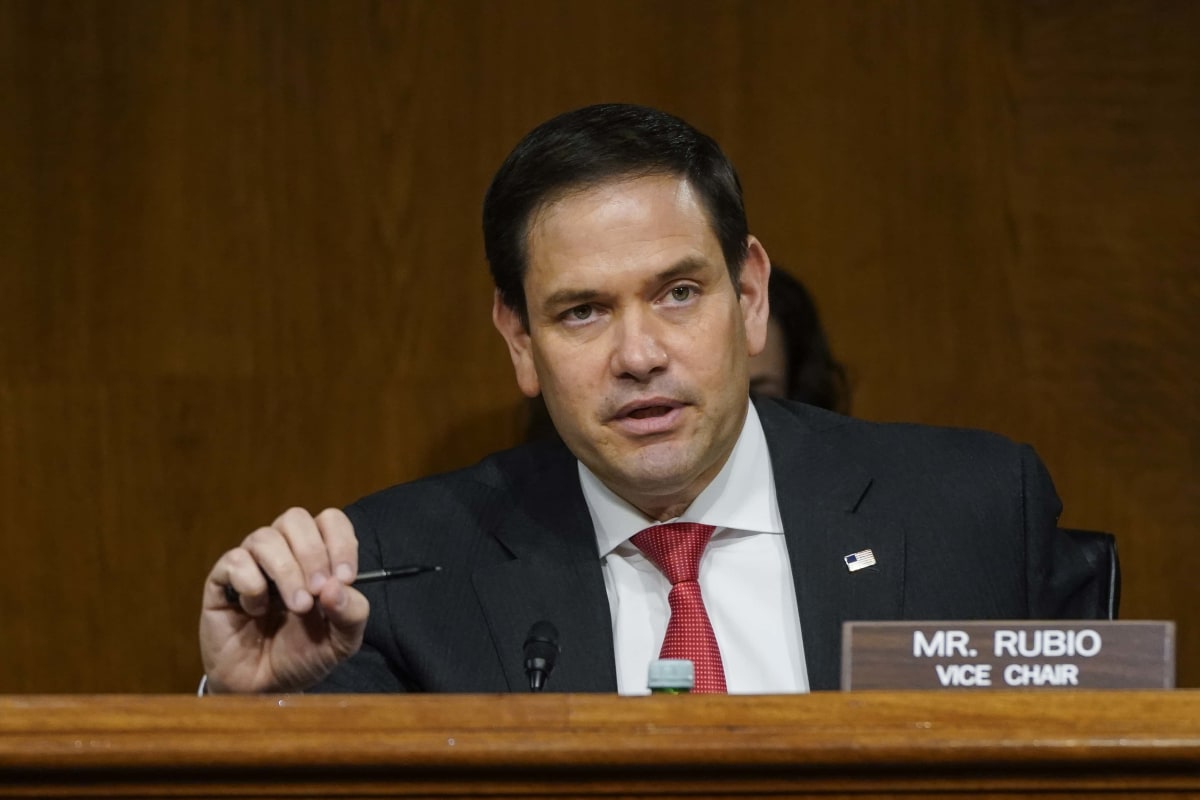
Qatar pushes diplomacy during Marco Rubio meeting
Diplomatic efforts continued behind the scenes as Qatar’s Prime Minister met US Secretary of State Marco Rubio in Miami on Saturday, May 9.
During the talks, Qatar emphasized that the roots of the Gulf crisis should be addressed “through peaceful means and dialogue,” signaling Doha’s continuing attempt to position itself as a mediator amid the rapidly deteriorating security environment.
Qatar has often played a balancing role in regional disputes, maintaining ties with both Washington and Tehran while advocating negotiated solutions to conflicts in the Middle East.
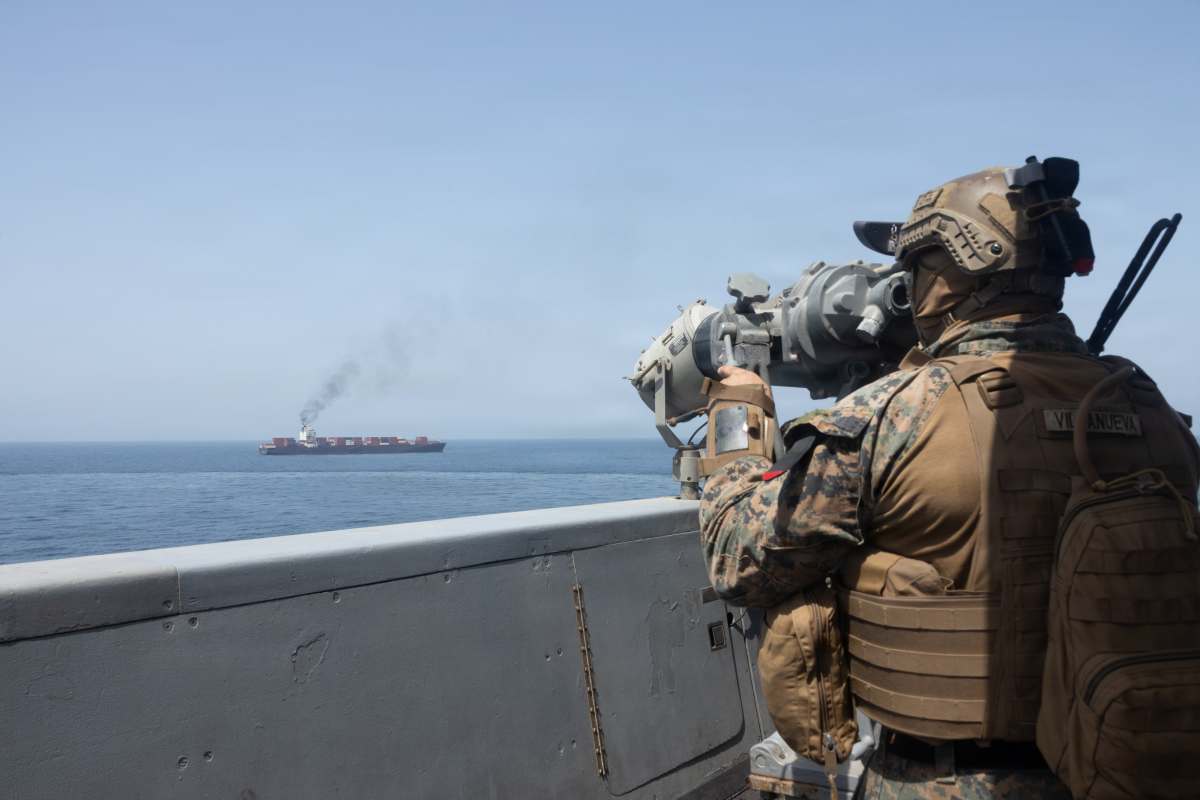
Maritime security concerns mount across Gulf waters
Security fears intensified further after a bulk carrier sailing in the Persian Gulf reported being struck by an unidentified projectile on Sunday morning local time, according to the UK Maritime Trade Operations Center (UKMTO).
The incident adds to a growing list of maritime confrontations in Gulf waters as commercial vessels increasingly find themselves caught in the crossfire of regional hostilities.
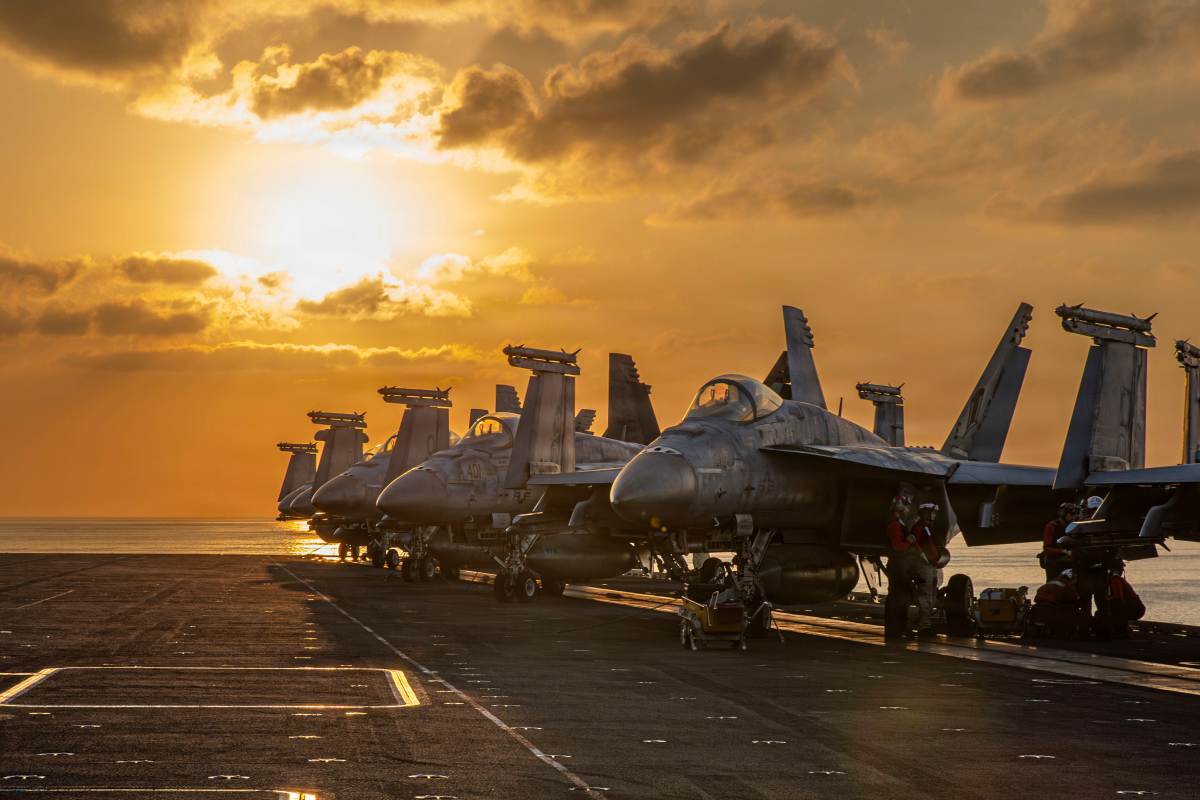
Meanwhile, satellite imagery released on Saturday showed smoke still billowing from one of two Iranian-flagged tankers recently attacked by a US fighter jet.
The vessels became the second and third Iranian ships struck by a US F/A-18 fighter aircraft in recent days, highlighting the widening scope of military engagement at sea.
Israeli strikes and drone activity add to regional volatility
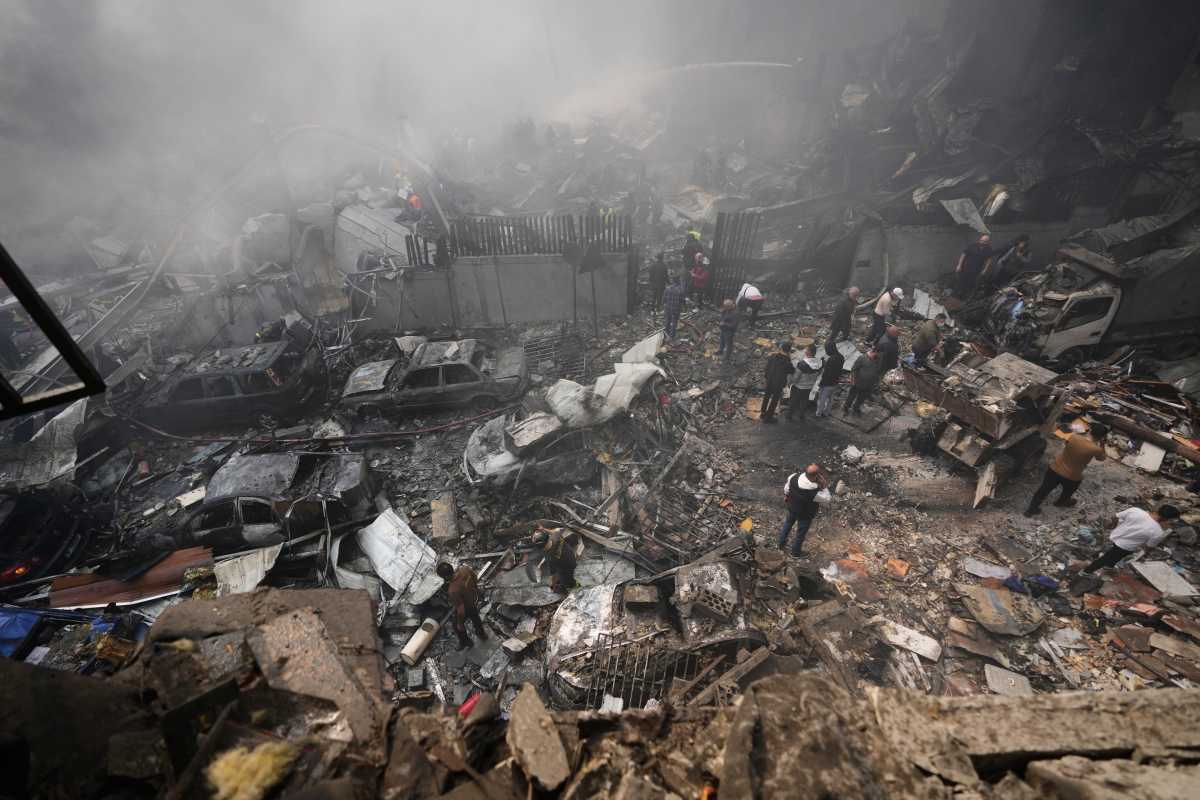
Elsewhere in the region, violence continued along the Israel-Lebanon border. Israeli attacks in Lebanon killed at least 22 people on Saturday, according to Lebanon’s state-run National News Agency.
The Israeli military said it had killed 10 members of the Iran-backed Hezbollah group and targeted around 40 Hezbollah infrastructure sites in southern Lebanon.
At the same time, Kuwait reported new aerial security concerns after several “hostile drones” entered Kuwaiti airspace early Sunday.
Kuwait’s Defense Ministry said the drones were “dealt with in accordance with approved procedures,” without providing further operational details.