Injured and out of sight, Khamenei is still believed to be guiding Iran's war and peace talks
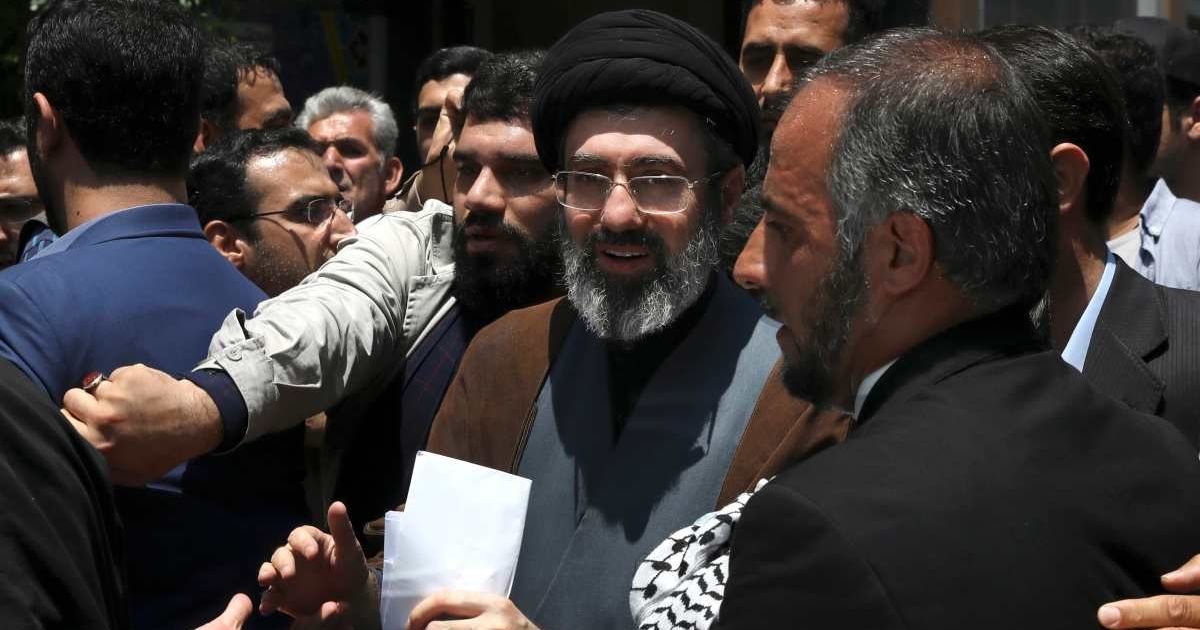
WASHINGTON, DC: US intelligence agencies assess that Iran’s new Supreme Leader Mojtaba Khamenei continues to play a significant role in shaping the country’s war strategy and diplomatic posture, despite being out of public view following injuries sustained earlier in the conflict, according to multiple sources familiar with the assessments.
The reports indicate that while Iran’s leadership structure remains fractured, Khamenei is believed to be helping guide negotiations with the United States aimed at ending the conflict.
The assessment comes as a fragile ceasefire between Washington and Tehran has stretched beyond a month.

US intelligence points to Mojtaba Khamenei's continued role in strategy
Mojtaba Khamenei assumed Iran’s top leadership position after an early wartime strike killed his father and several senior military officials. Since then, US intelligence agencies have been trying to assess his condition and authority within the Iranian political structure.
According to sources familiar with the intelligence, Khamenei has not appeared publicly since sustaining injuries in the strike, and US officials have not been able to visually confirm his location.
Part of the uncertainty, officials said, stems from his communication methods. Intelligence assessments indicate Khamenei has avoided electronic communication, relying instead on face-to-face meetings and courier-delivered messages.
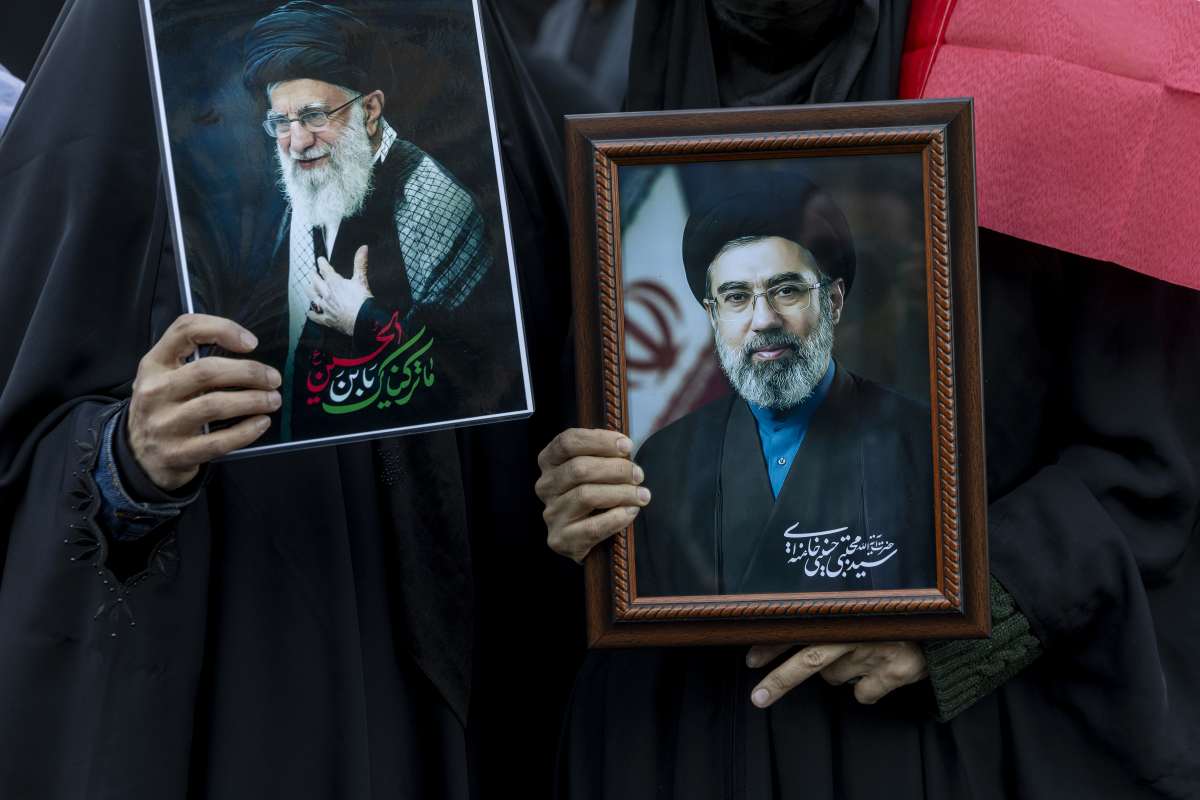
US officials say much of their understanding of his role comes from individuals who claim to be in contact with him, although analysts remain cautious about whether some figures inside Iran may be invoking his authority to advance their own agendas.
“There is no indication he is actually giving orders on any ongoing basis, but nothing proving he is not,” one source familiar with the intelligence assessments said.
Iranian officials, however, have pushed back on reports questioning Khamenei’s health. Mazaher Hosseini, who oversees protocol in the office of Iran’s supreme leader, said on Friday, May 8, that Khamenei is recovering.
Mazaher Hosseini, a senior official in the office of Iran’s leader, said on Friday Mojtaba Khamenei suffered minor injuries to his kneecap, back and behind his ear in the Feb. 28 airstrikes that killed his father and wife, insisting he is now in “full health” and dismissing… pic.twitter.com/9kQYp0EIPw
— Iran International English (@IranIntl_En) May 8, 2026
“Thank God, he is in good health,” Hosseini said, adding that the injuries involved his foot, lower back and minor shrapnel wounds. He also urged patience over Khamenei’s public absence, saying, “He will speak to you when the time is right.”
Iran's fractured leadership complicates ceasefire negotiations
US intelligence assessments suggest that while Khamenei remains involved in strategic discussions, day-to-day operations are increasingly being handled by senior Islamic Revolutionary Guard Corps officials and parliamentary leadership.
One source familiar with the intelligence said Khamenei appears to be “fairly removed” from regular operational decisions and only accessible intermittently.
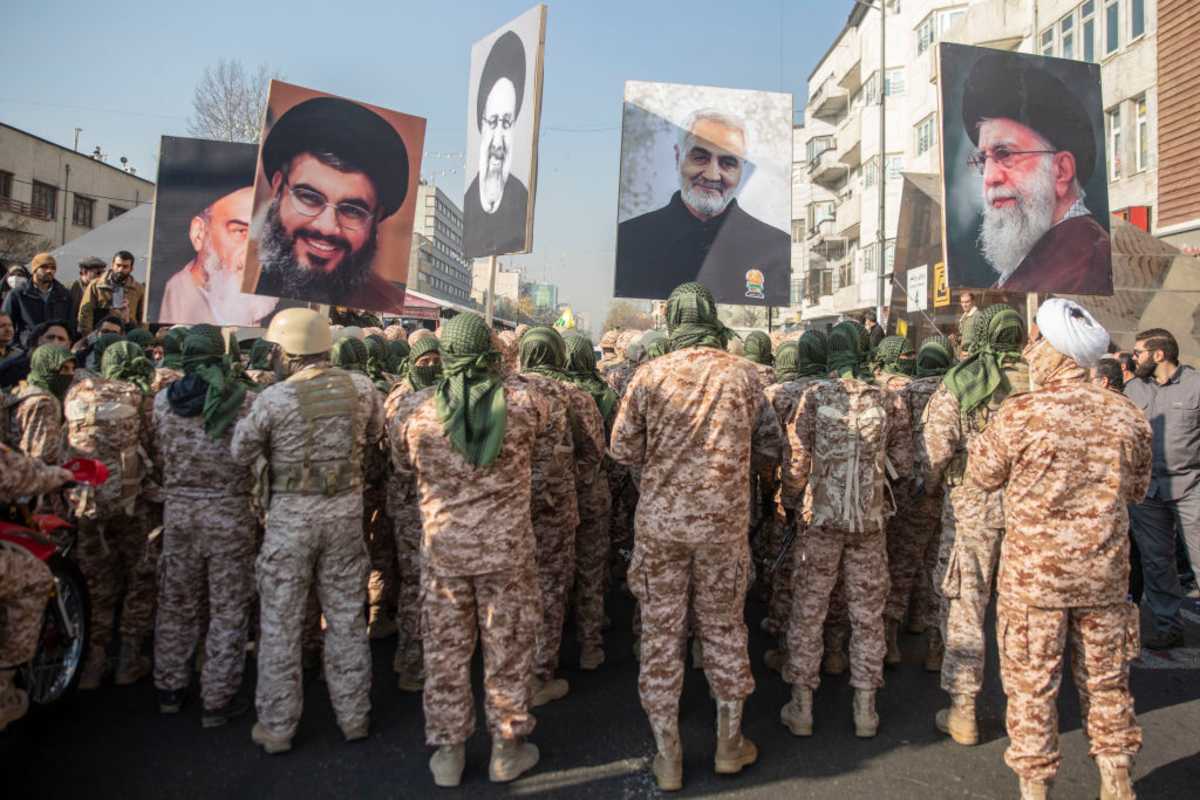
That fragmented structure has complicated diplomatic efforts, US officials say, as Washington awaits Iran’s response to a proposal aimed at extending the ceasefire into a broader agreement.
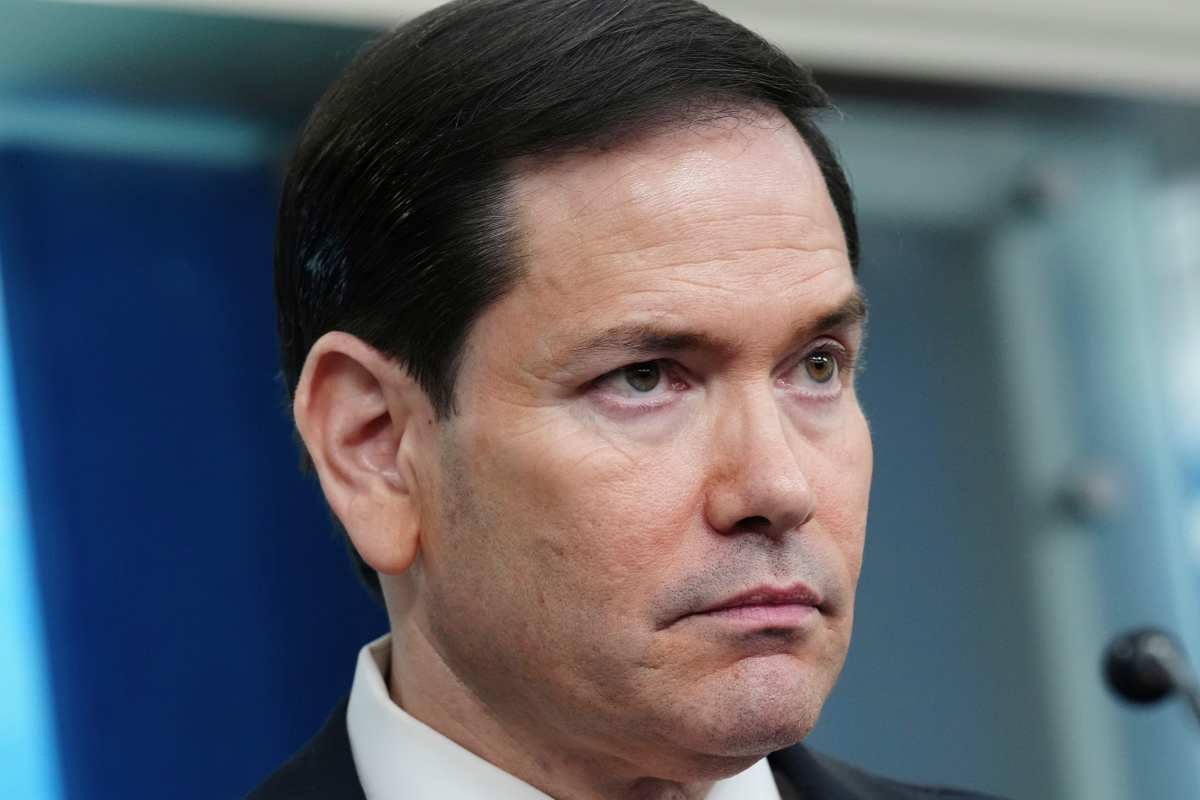
Secretary of State Marco Rubio acknowledged the uncertainty, saying, “Their system is still highly fractured, and it’s dysfunctional as well, so that may be serving as an impediment.”
Separate US intelligence reports indicate Iran’s military capabilities remain weakened but operational.
Recent assessments found that roughly two-thirds of Iran’s missile launch systems remain functional, a higher estimate than earlier wartime calculations, partly because the ceasefire has allowed Iran time to recover and reposition equipment.
A CIA assessment also concluded that Iran’s economy could withstand up to four more months of the current US blockade without total destabilization.