Iran's reclusive new leader held a 2-hour private meeting and the president just described it
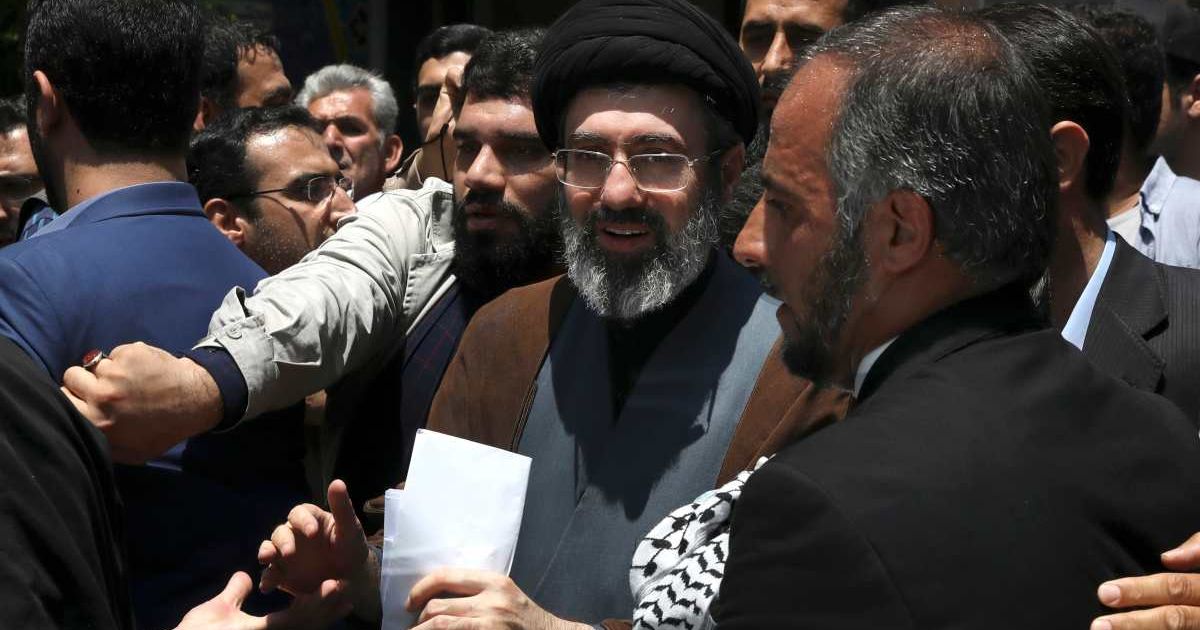
TEHRAN, IRAN: Iranian President Masoud Pezeshkian has revealed that he held a two-and-a-half-hour meeting with Iran’s new Supreme Leader Mojtaba Khamenei in what appears to be the first publicly reported in-person meeting between the reclusive leader and a senior Iranian official.
According to Iran’s semi-official Fars news agency, Pezeshkian spoke about the meeting while stressing the need to “strengthen unity, trust, and solidarity within the country’s leadership structure.” The report did not specify when the meeting took place.
The disclosure is significant because Mojtaba Khamenei has not appeared publicly since assuming power in March following the death of his father, former Supreme Leader Ali Khamenei. The elder Khamenei was killed during US-Israeli strikes earlier this year, triggering a major leadership transition in Iran.
Questions over the supreme leader's absence
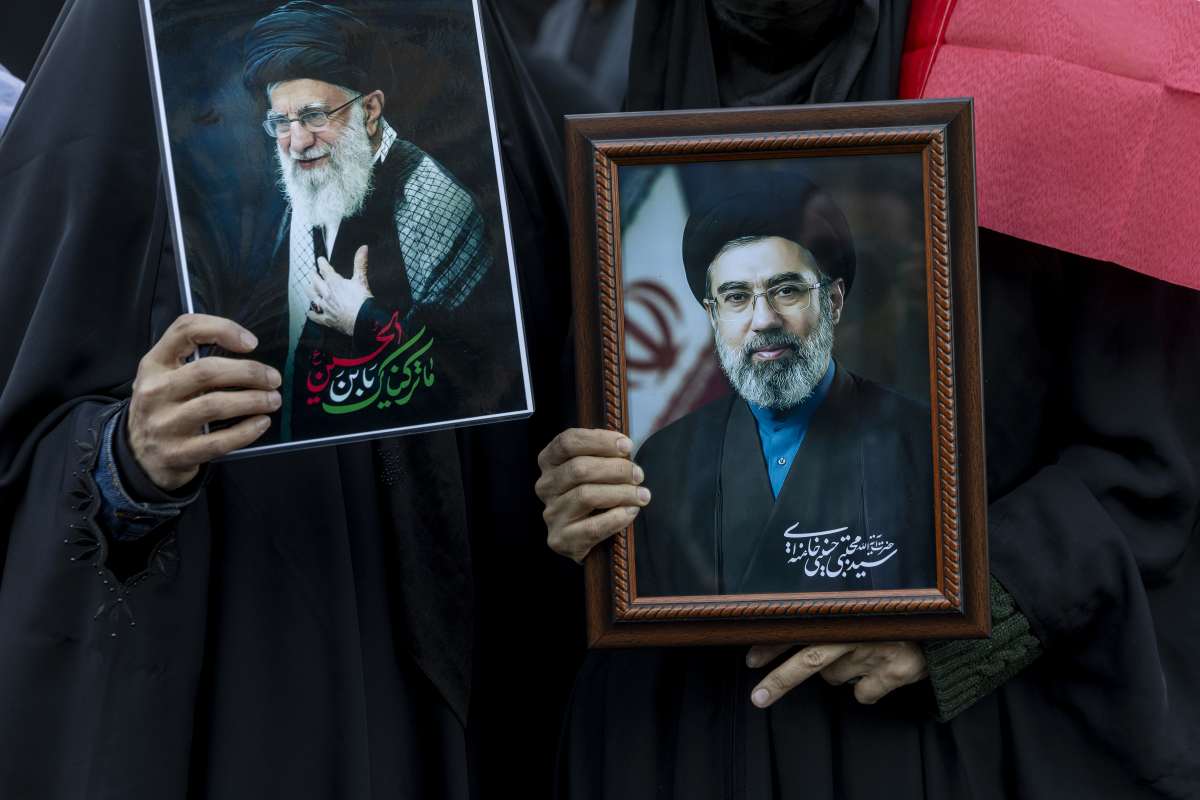
The new supreme leader’s prolonged absence from public view has fueled widespread speculation inside and outside Iran regarding his health, security situation and political standing.
Until now, all statements attributed to Mojtaba Khamenei had been delivered indirectly through presenters on Iranian state television, with no visual confirmation of his activities or meetings.
Pezeshkian’s comments, therefore, mark the first indication that the supreme leader has been actively engaging with senior state officials behind closed doors.
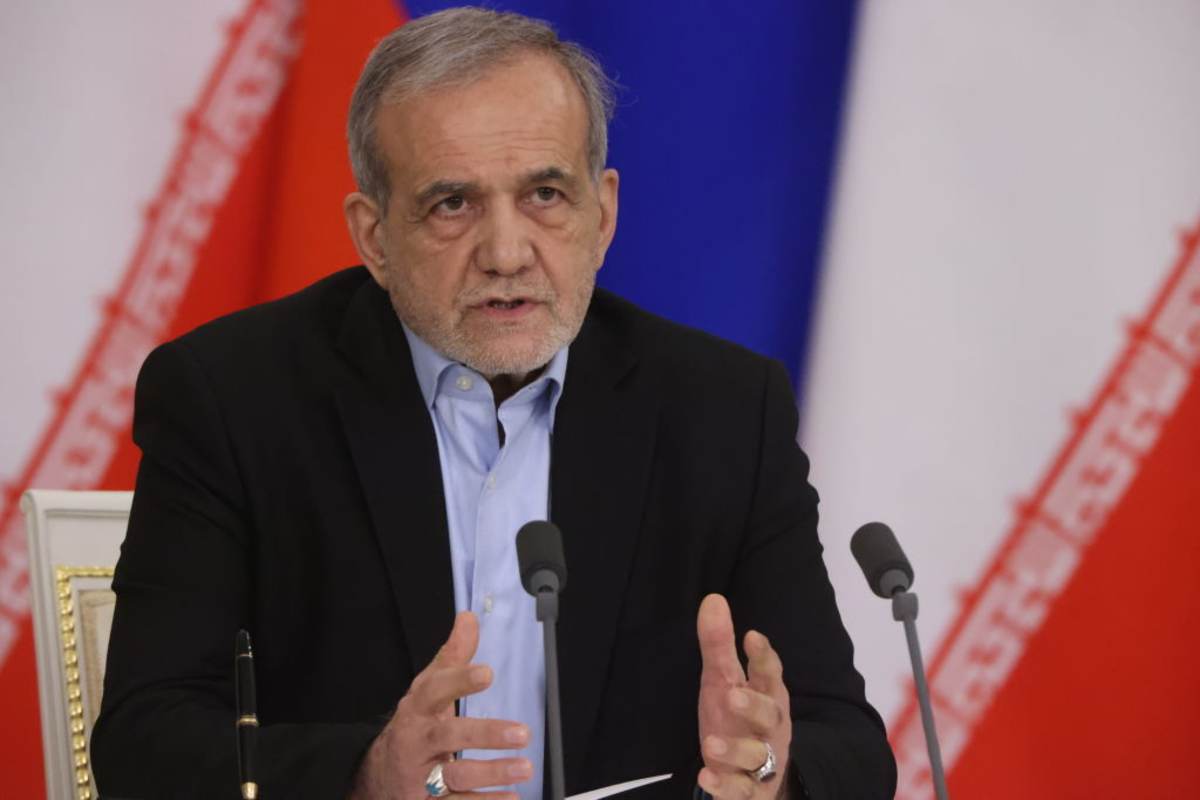
The Iranian president described the atmosphere of the meeting in unusually personal terms, portraying Khamenei as approachable and modest despite holding the country’s highest authority.
“Khamenei participated in the meeting with a spirit based on simplicity, humility, sincerity, and mutual respect,” Pezeshkian was quoted as saying. “The atmosphere was completely direct, open, and accompanied by a sense of closeness and trust.”
Leadership unity emphasized amid diplomatic momentum
The timing of the revelation comes amid growing optimism within Tehran that Iran and the United States could be moving closer toward a broader understanding after months of heightened regional tensions.
Iranian officials have increasingly emphasized internal political cohesion as diplomatic contacts and indirect negotiations with Washington continue in the background.
Pezeshkian suggested that Khamenei’s leadership style could influence the broader functioning of the Iranian state.
“When the highest-ranking official in the country interacts with people and officials with such ethics, humility, and a people-oriented spirit, this behavior can naturally become a model for the country’s administrative and management system as well,” he said.

A carefully managed transition
Mojtaba Khamenei’s rise to the position of supreme leader marked one of the most consequential political transitions in Iran since the 1979 Islamic Revolution.
Long viewed as an influential figure within the Iranian establishment, he had maintained a relatively low public profile for years before succeeding his father.
Since taking office, however, Iranian authorities have tightly controlled information surrounding the new leader, limiting public appearances and releasing only carefully scripted statements.

Pezeshkian’s account of their meeting may therefore be intended not only to project stability within Iran’s ruling establishment but also to reassure political elites and the public that the new leadership remains actively engaged in governing the country during a sensitive regional and diplomatic moment.