Pope Leo XIV warns AI could make humanity 'less human', demands 'disarming' tech
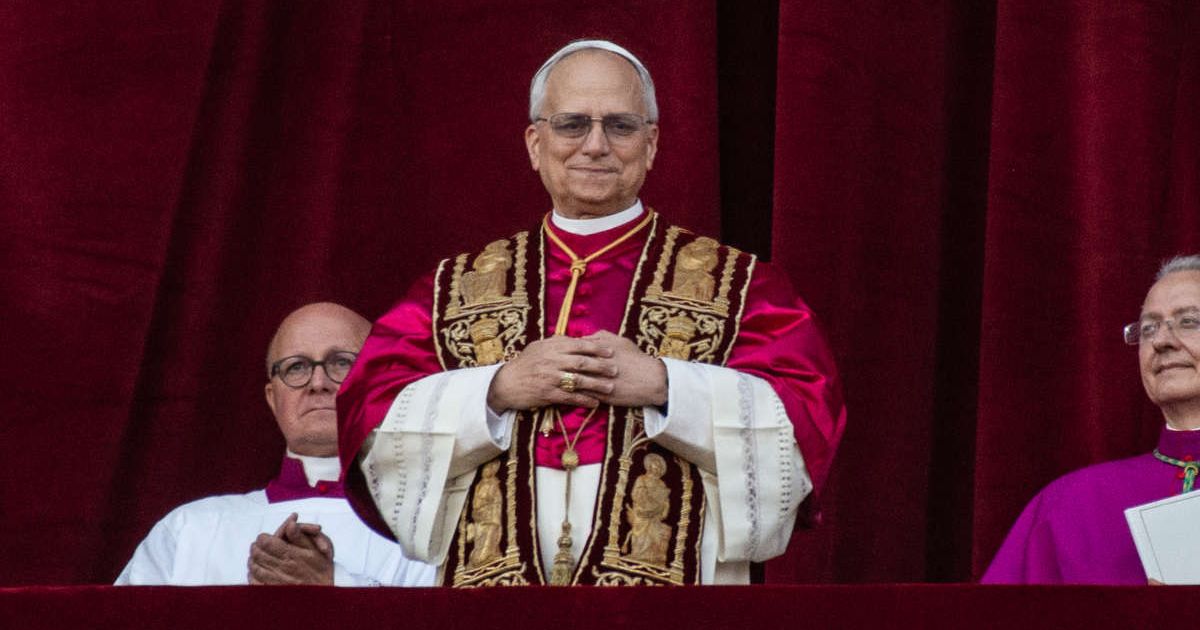
Pope Leo XIV issued a major document called Magnifica Humanitas, warning that the rise of AI could make human civilization itself 'less human'
Pope Leo XIV warned that major technology companies were becoming powerful enough to rival governments (Ivan Romano/Getty Images)

VATICAN CITY, VATICAN: Pope Leo XIV, who has recently been in a clash with President Donald Trump over Iran and US officials’ religious justification of it, urged “disarming” of AI as he warned against the implications of the rise of Artificial Intelligence on humanity.

The Bishop of Rome, on Monday, May 25, issued a major document on the impact of AI on human beings and humanity, cautioning that the rise of AI could make civilization itself "less human."

"Today, more than ever, without prejudice to the right to self-defense in the strictest sense, it is important to reaffirm that the 'just war' theory, which has all too often been used to justify any kind of war, is now outdated," he wrote in the Magnifica Humanitas (Magnificent Humanity), an 82-page teaching known as an encyclical.
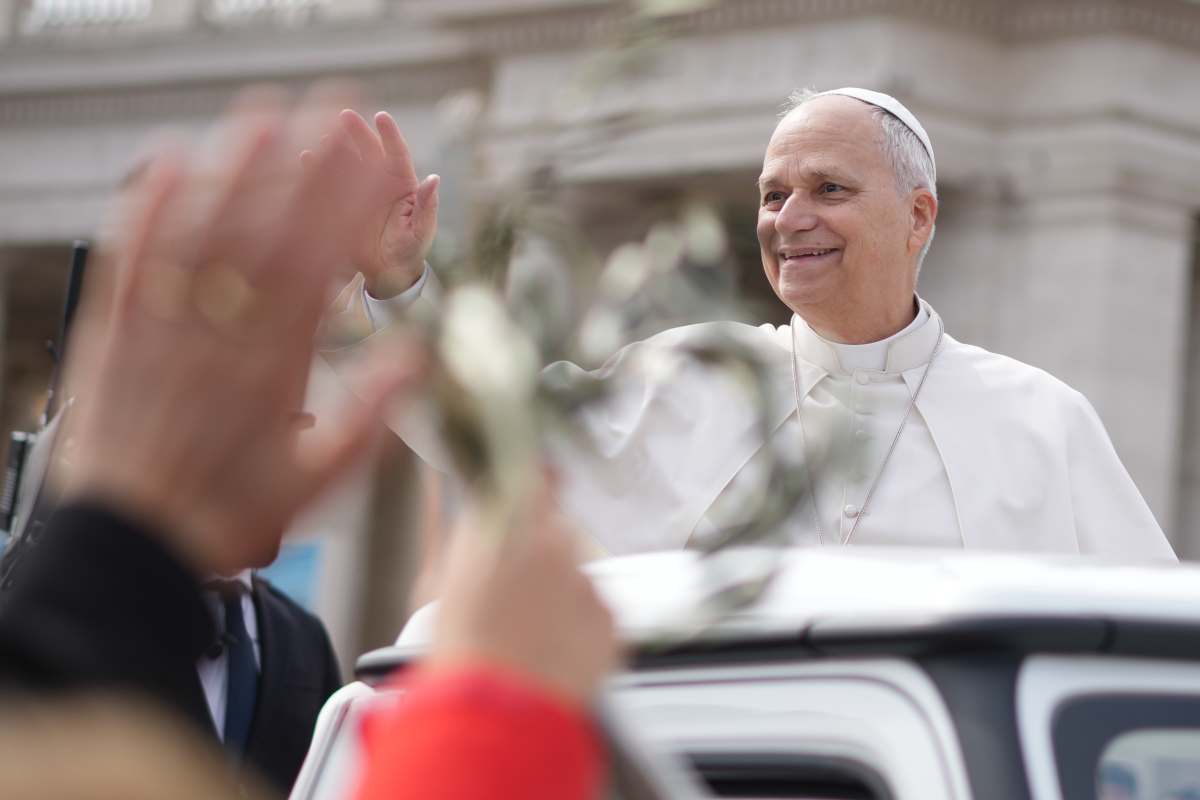
Pope Leo XIV leaves after presiding over Mass in St. Peter's Square at the Vatican on the Catholic feast of Palm Sunday, commemorating Jesus' arrival in Jerusalem, Sunday, March 29, 2026. (AP Photo/Andrew Medichini)
Pope Leo XIV leaves after presiding over Mass in St Peter's Square at the Vatican on the Catholic feast of Palm Sunday, commemorating Jesus' arrival in Jerusalem, Sunday, March 29, 2026 (AP Photo/Andrew Medichini)

Pope Leo XIV calls for human-centered approach to AI

The Pope warned that the rise of AI poses a risk of making civilizations "less human" by hollowing out work, concentrating wealth, and reducing people to systems driven by data and efficiency rather than dignity and morality.

"The pressing duty," Pope Leo wrote, is "to remain profoundly human."

Pope Leo further urged the “disarmament” of AI, saying that the technology could fuel "a race for ever more powerful algorithms and larger datasets, driven by the desire to secure geopolitical or commercial dominance."
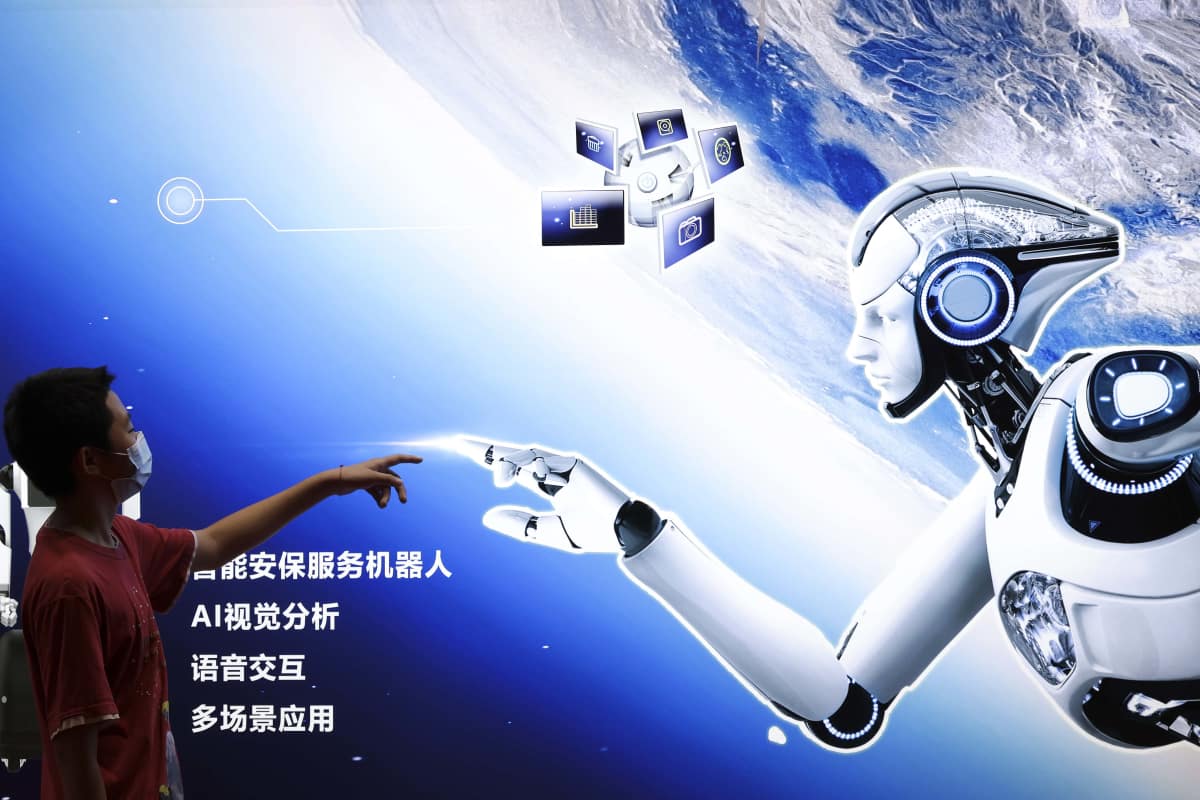
BEIJING, CHINA - AUGUST 18: A boy points to the AI robot Poster during the 2022 World Robot Conferen
A boy points to the AI robot Poster during the 2022 World Robot Conference at Beijing Etrong International Exhibition on August 18, 2022, in Beijing, China (Lintao Zhang/Getty Images)

"Please note that the encyclical is not about AI," Cardinal Michael Czerny, one of the Vatican officials who helped present the document, told CBS News. "It's about the human condition during the time of AI."

In unusually blunt language for a Vatican document, Pope Leo XIV warned that large tech companies are becoming powerful enough to rival governments. At the same time, he stressed that technology itself is not bad, but how people use it matters.
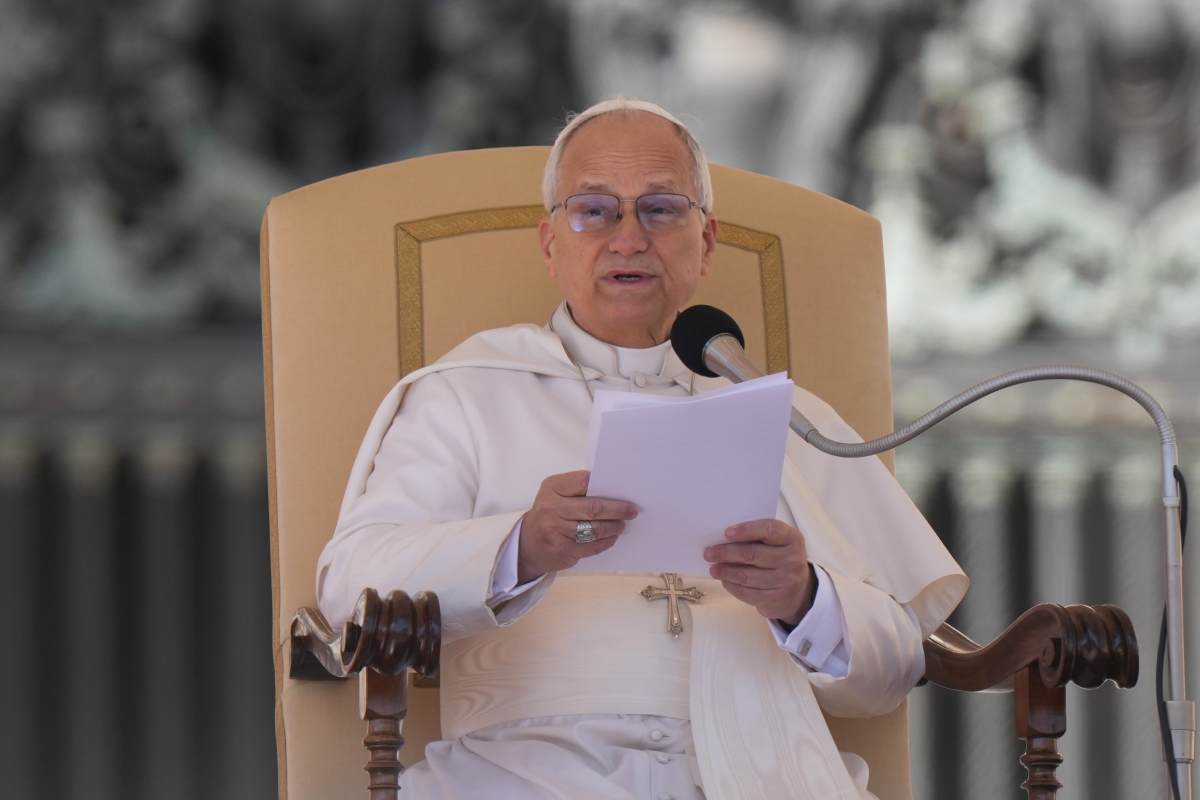
Pope Leo XIV delivers his speech during his weekly general audience in St. Peter's Square, at the Vatican, Wednesday, March 18, 2026. (AP Photo/Andrew Medichini)
Pope Leo XIV delivers his speech during his weekly general audience in St Peter's Square, at the Vatican, Wednesday, March 18, 2026 (AP Photo/Andrew Medichini)

Pope Leo apologizes for Church's role in slave trade

While the paper was largely about what the Pope clearly sees as humanity's risk-laden embrace of AI, the Pontiff offered a firsthand apology for the Vatican's role in facilitating and justifying the transatlantic slave trade. He called it "a wound in Christian memory." 

"For this, in the name of the Church, I sincerely ask for pardon," he wrote.

When the world’s first American-born pope, Pope Leo XIV, chose the name Leo last year, he did so to honor Pope Leo XIII, whose famous 1891 encyclical Rerum Novarum helped the Catholic Church respond to the social and economic changes brought by the Industrial Revolution.
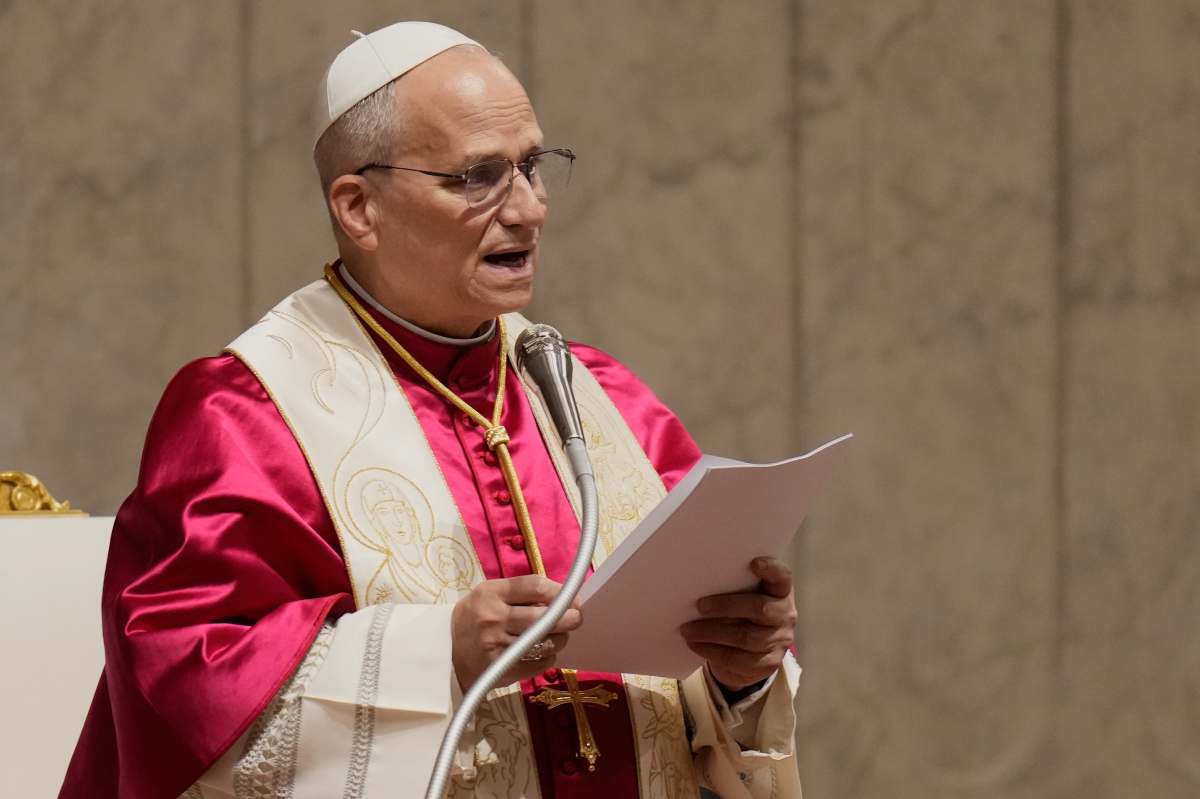
Pope Leo XIV delivers his message as he leads a vigil for peace inside St. Peter's Basilica at the Vatican, Saturday, April 11, 2026. (AP Photo/Gregorio Borgia)
Pope Leo XIV delivers his message as he leads a vigil for peace inside St Peter's Basilica at the Vatican, Saturday, April 11, 2026 (AP Photo/Gregorio Borgia)

More than 100 years later, the Chicago-born pope is now trying to guide the Church through another major transformation, the rise of artificial intelligence.
GET BREAKING U.S. NEWS & POLITICAL UPDATES
STRAIGHT TO YOUR INBOX.

MORE STORIES

Zelensky seeks renewed military aid, air defenses and economic pressure on Moscow at summit
11 hours ago
Twelve-point diplomatic text breaks secrecy, outlining concessions, releases, and ceasefire terms
14 hours ago
White House seeks to restore Tehran’s energy trade in 60 days amid defense hawk backlash
15 hours ago
Global markets face renewed uncertainty as West Asia truce ends Persian Gulf reprieve
17 hours ago
Trump criticizes civilian casualties while backing Syria’s transitional leadership
18 hours ago
Three instructors have since been charged with homicide as authorities investigate the fatal accident
1 day ago
Trump sends VP to Geneva summit as Iran accord excludes Israel-Lebanon conflict
1 day ago
Iran diplomat confirms Swiss accord path, warns mistrust will shape talks
1 day ago
US-Iran memorandum signed as both sides move to end four-month conflict
1 day ago
A reported 14-point draft deal includes sanctions relief, reconstruction aid and the release of $24 billion in frozen Iranian assets
2 days ago