Trump warns 'bombing starts' if Iran rejects deal, signals higher-intensity strikes
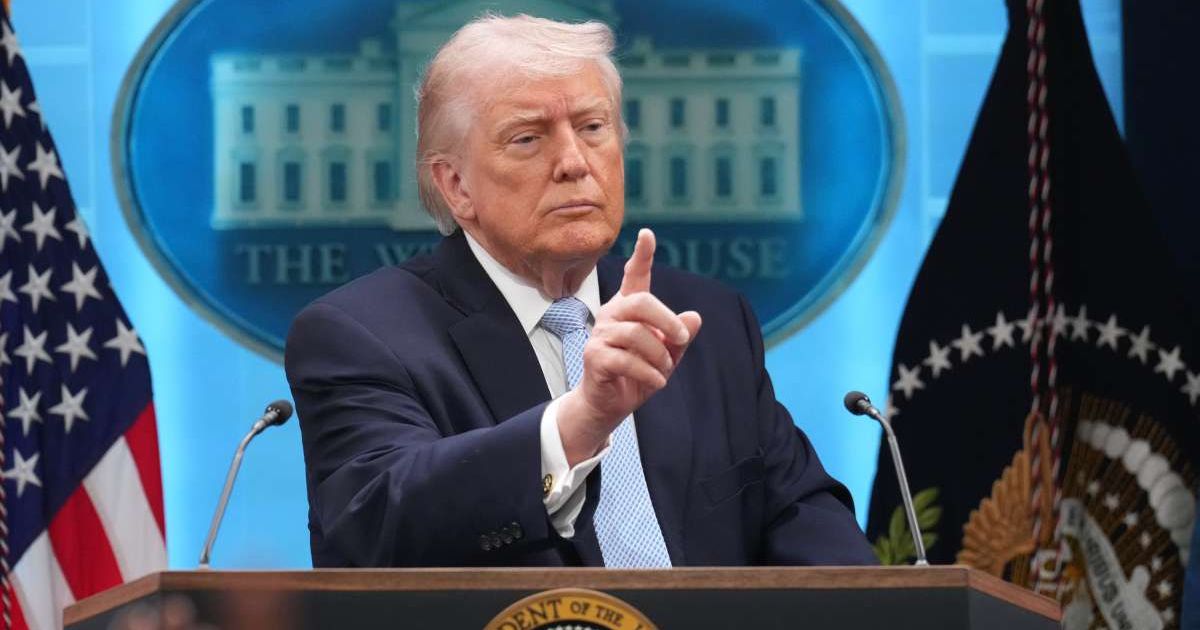
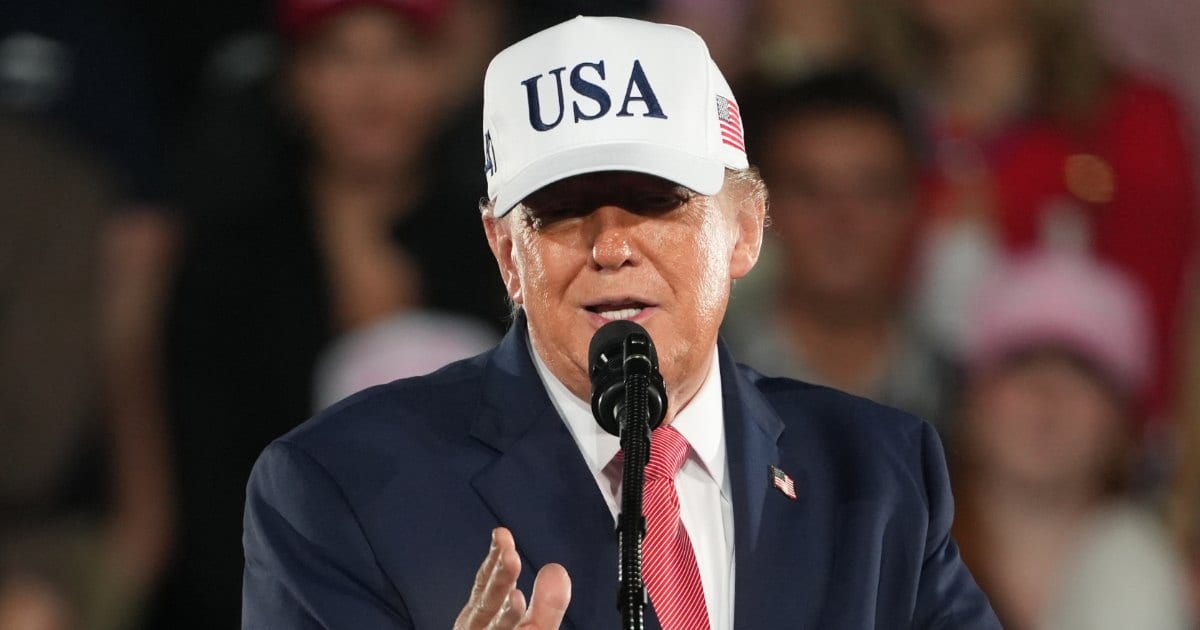
WASHINGTON, DC: President Donald Trump on Wednesday, May 6, warned Iran of renewed and intensified military action if ongoing negotiations fail to produce an agreement. In a post on Truth Social, Trump said the United States could escalate strikes to a “much higher level and intensity” if Tehran did not comply with terms under discussion.
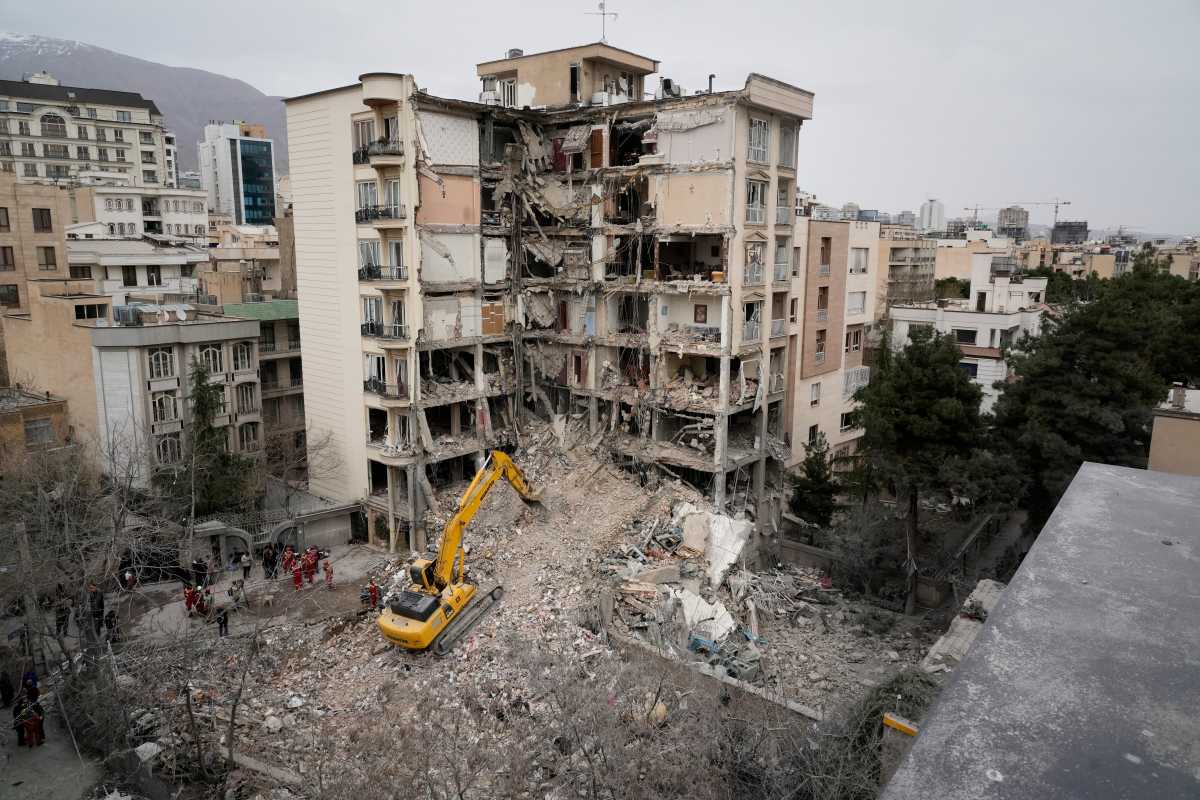
The warning comes amid reports of continued diplomatic efforts, with Iran reviewing a US peace proposal and Washington pausing certain military operations to allow space for negotiations. Officials from both sides have signaled uncertainty over the likelihood of a deal.
Trump warning and US position on negotiations
Trump issued a stark warning outlining potential consequences if Iran rejects a proposed agreement, while also indicating that a diplomatic resolution remains possible.
“Assuming Iran agrees to give what has been agreed to, which is, perhaps, a big assumption, the already legendary Epic Fury will be at an end, and the highly effective Blockade will allow the Hormuz Strait to be OPEN TO ALL, including Iran. If they don’t agree, the bombing starts, and it will be, sadly, at a much higher level and intensity than it was before,” Trump wrote.
The president’s remarks suggest that a deal could bring an end to US military operations, though he acknowledged uncertainty about whether Tehran would accept the terms.
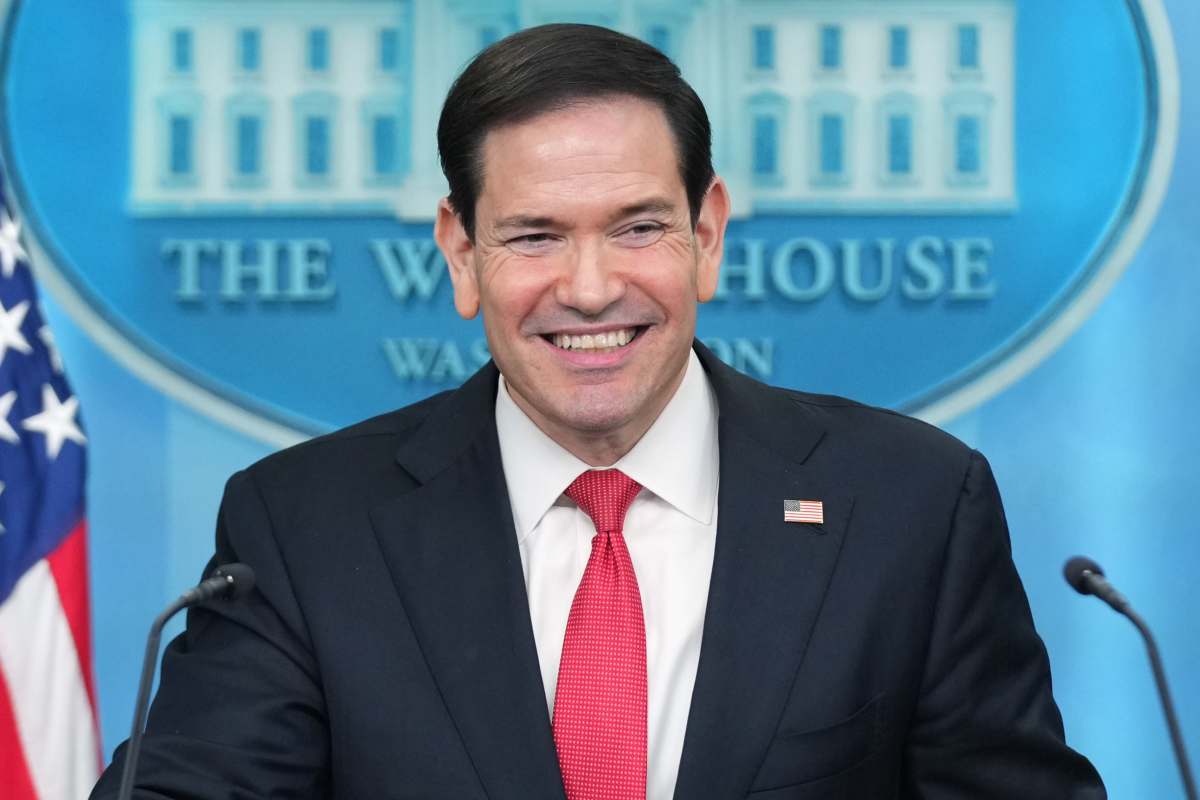
Secretary of State Marco Rubio said that the current phase of military action had already concluded. “The operation is over. Epic Fury, as the president notified Congress, we’re done with that stage of it,” Rubio told reporters during a briefing.
Trump also indicated caution regarding further diplomatic engagement. Speaking to the New York Post, he said it was “too soon” to consider another round of direct talks with Iran, despite reports that discussions facilitated by Pakistan had made progress.
“I don't think so,” Trump said when asked about the possibility of sending representatives for renewed face-to-face negotiations.
Nuclear program and regional tensions remain key sticking points
Iran confirmed it is reviewing the latest US peace proposal, signaling that a formal response is forthcoming. Foreign Ministry spokesperson Esmaeil Baqaei said Tehran would communicate its position through intermediaries in Pakistan after completing its assessment.
Neither side has publicly disclosed details of the proposal, which follows weeks of indirect negotiations.
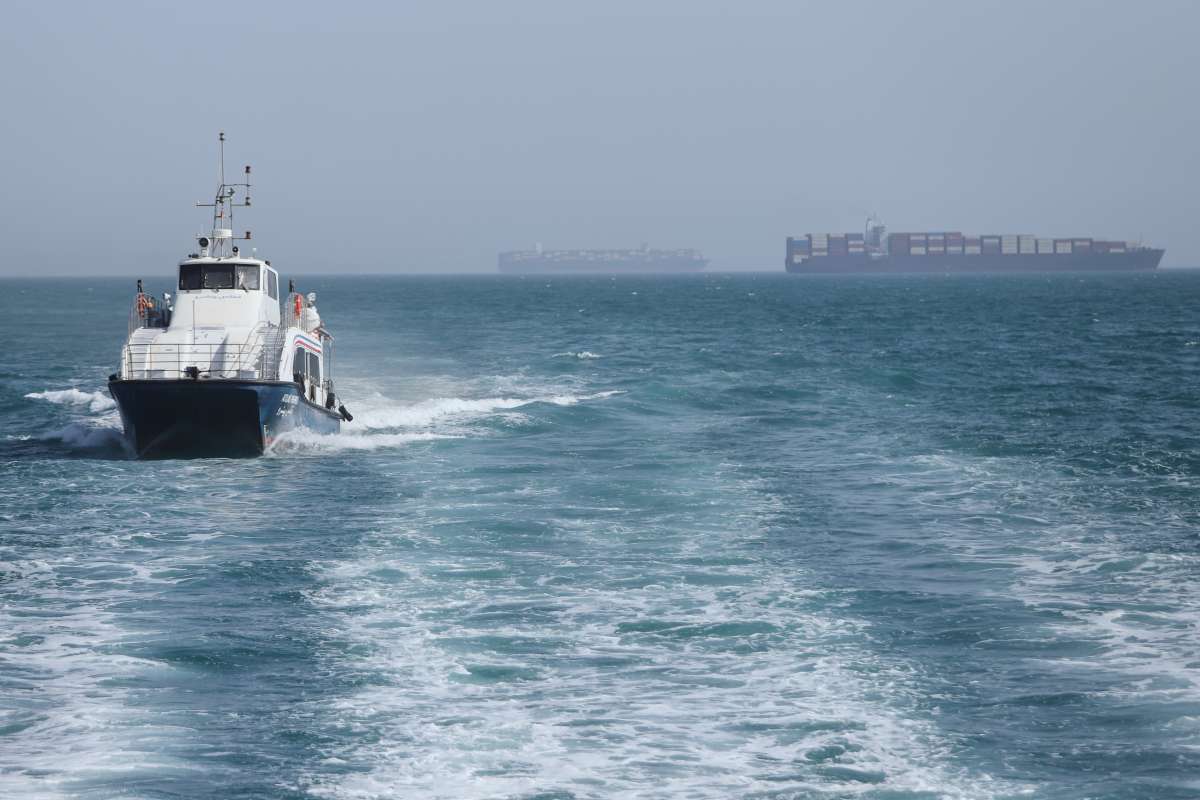
Key issues remain unresolved, including Iran’s stance on its nuclear program, regional tensions involving Iranian-backed groups, and security concerns surrounding maritime activity in the Strait of Hormuz.
Meanwhile, Iranian authorities indicated that commercial shipping could resume under revised conditions following the US decision to pause its maritime operation, known as “Project Freedom.”
The Revolutionary Guards’ Navy said safe passage through the strategic waterway is possible under “new procedures,” though specifics were not provided.
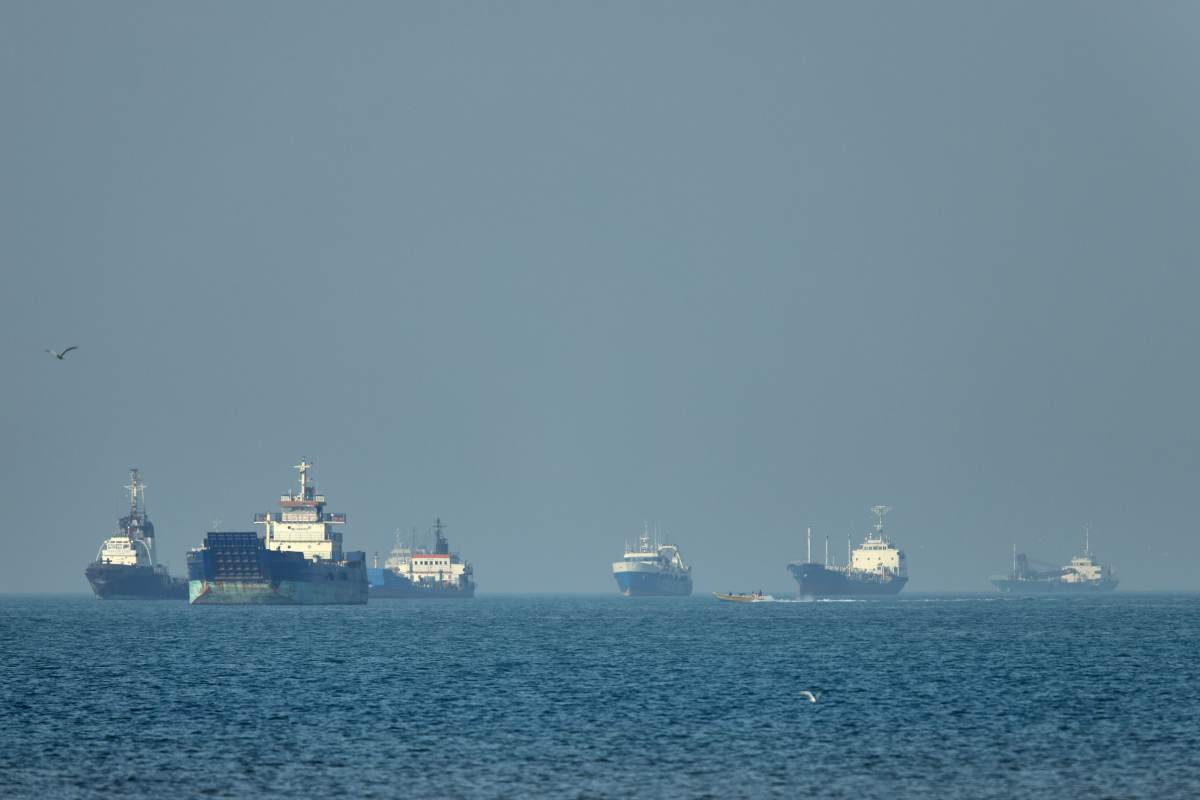
The Strait of Hormuz remains a focal point of tension due to its importance for global energy supplies.
Iran had previously asserted control over the waterway and suggested imposing transit fees on vessels, a proposal that has drawn concern from international leaders, citing maritime law implications.