Trump says Iran ‘playing games’ with US, defends higher oil prices as ‘small price to pay'
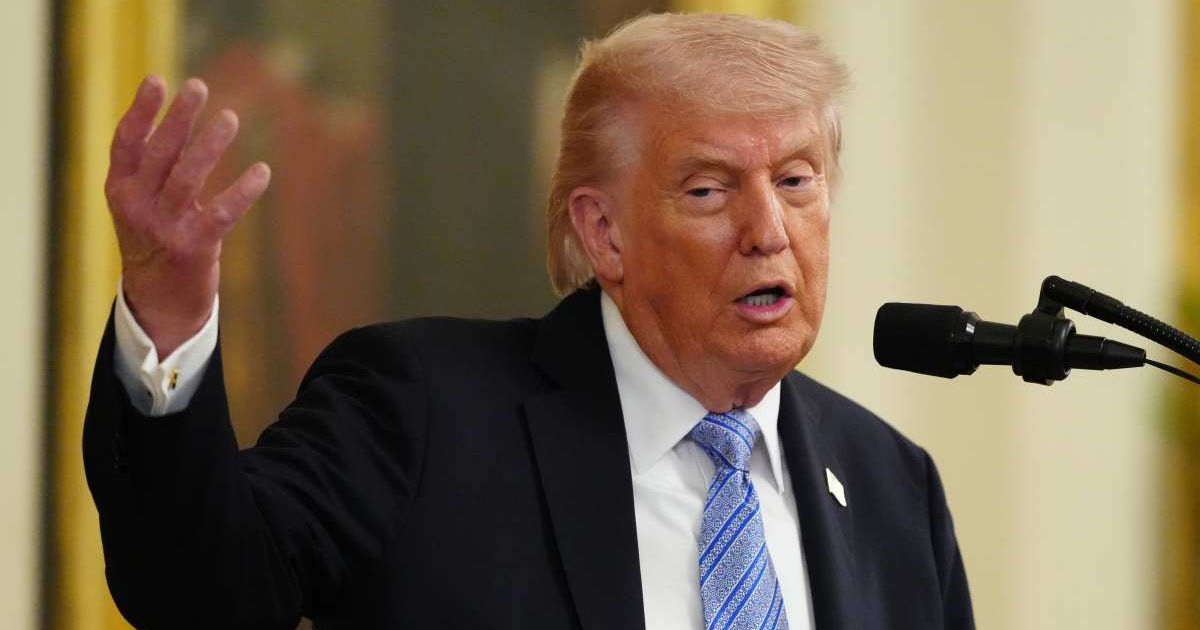
WASHINGTON, DC: President Donald Trump said on Tuesday, May 5, that Iran understands the consequences of violating the current ceasefire, while signaling that Tehran remains under pressure following weeks of military confrontation with the United States.
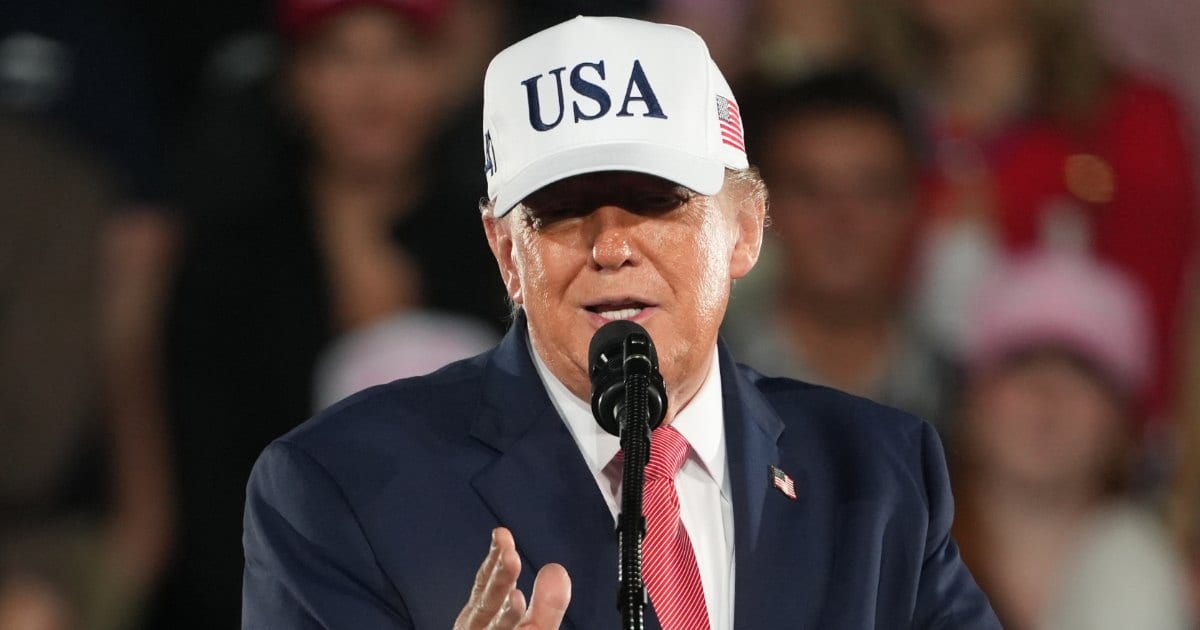
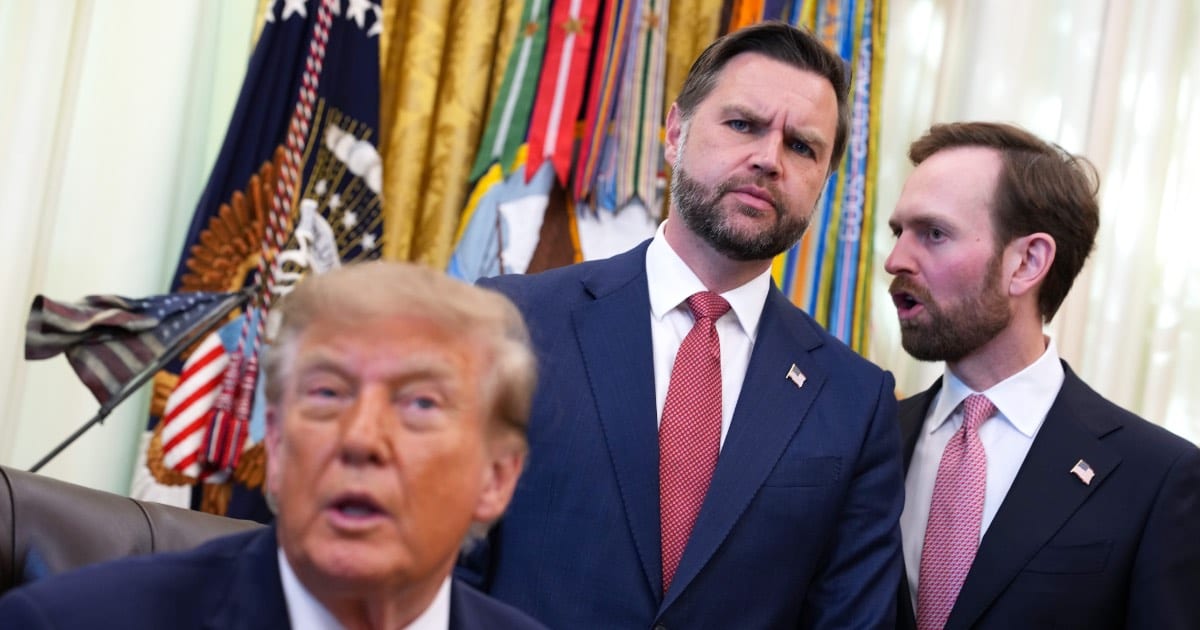
Speaking during an Oval Office event, Trump praised Defense Secretary Pete Hegseth for a Pentagon briefing earlier in the day and said Iran had shifted its approach under US military pressure.
His comments came as Washington and Tehran continue to navigate a fragile ceasefire after recent clashes in the Strait of Hormuz.
Trump, Iran understands limits under ceasefire
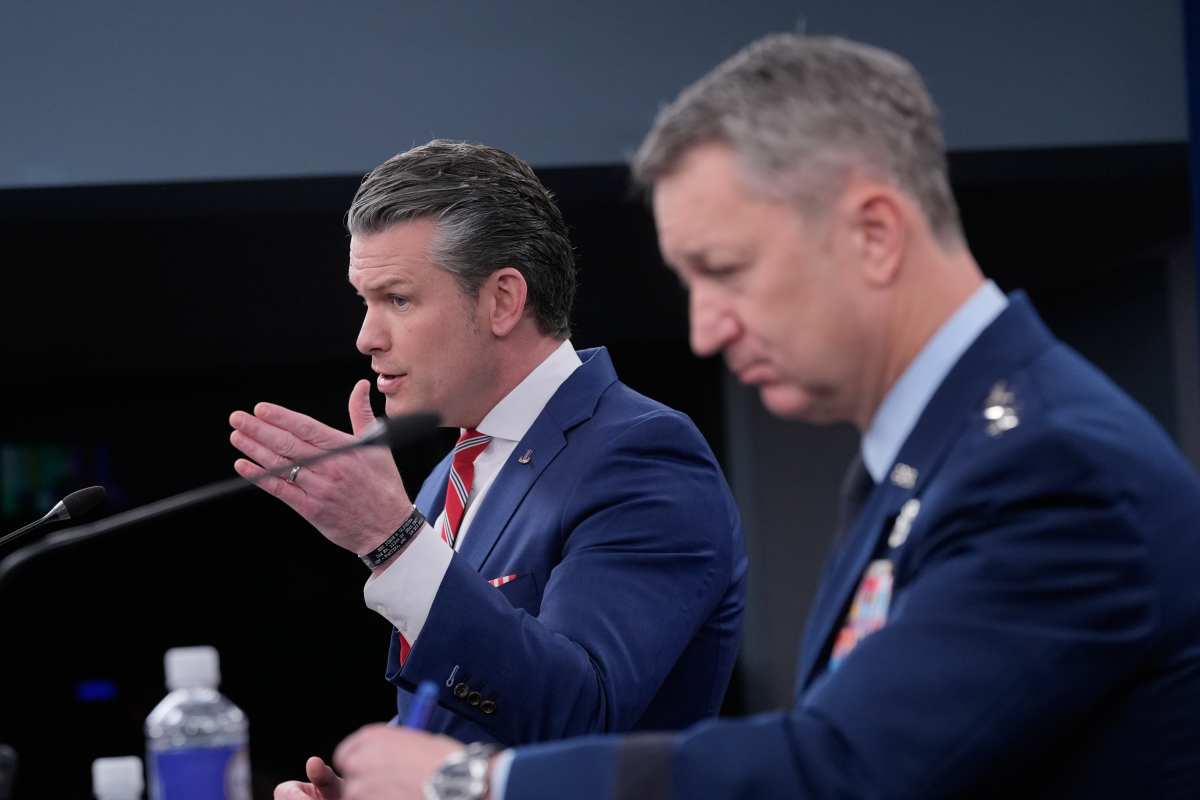
Trump opened the Oval Office event by commending Hegseth and Dan Caine for what he described as a successful Pentagon briefing on military operations and maritime security in the Gulf.
Trump said Hegseth gave a “great news conference” alongside Caine and pointed to what he described as the effectiveness of recent US military action.
“They don’t like playing games with us,” Trump said, referring to Iran. “They don’t like it at all. You’ll see that. As time goes by, you’re going to see it. I think you’ve already seen it.”
Donald Trump:
— Universal News (@universalnewsx) May 5, 2026
"I can say this: Iran wants to make a deal. What I don’t like about Iran is they’ll talk to me with such great respect, and then they’ll go on television and say, ‘We did not speak to the president!’ They play games." pic.twitter.com/PghyMQowzm
Trump also claimed the US had significantly degraded Iran’s military capabilities during the conflict.
“We basically wiped out their military in about two weeks,” he said. Asked what would constitute a ceasefire violation following the exchange of fire between US and Iranian forces on Monday, May 4, Trump declined to provide specifics but said Tehran was aware of the boundaries.
“You’ll find out because I’ll let you know,” he said. “They know what to do, and they know what not to do more importantly, actually.”
Donald Trump:
— Universal News (@universalnewsx) May 5, 2026
"I can say this: Iran wants to make a deal. What I don’t like about Iran is they’ll talk to me with such great respect, and then they’ll go on television and say, ‘We did not speak to the president!’ They play games." pic.twitter.com/PghyMQowzm
Trump also accused Iran of attempting to challenge US naval operations in the Gulf. “They’re looking around for little boats to try and compete with our great Navy,” he said.
Despite the ongoing tensions, Trump said Iran remains interested in negotiations. “Iran wants to make a deal,” he added.
Trump defends higher gas prices
Trump also addressed the economic effects of the conflict, particularly rising fuel costs in the United States, arguing that higher oil prices were a temporary consequence of the broader goal of limiting Iran’s military and nuclear capabilities.
“I also thought oil would go up to $200, $250, maybe $300, and I know it will be short term,” Trump said.
He noted that crude oil prices remained lower than he had anticipated. “I look today, it’s like at 102 (dollars),” he said.
Trump said the economic cost was justified in the context of US security objectives. “That’s a very small price to pay for getting rid of a nuclear weapon from people that are really mentally deranged,” he said.
Trump is telling Americans to be grateful their skyrocketing gas prices aren’t even higher:
— Headquarters (@HQNewsNow) May 5, 2026
"I also thought oil would go up to 200, 250, maybe 300, and I knew it would be short term, but I thought it would go. I looked today, it's, like, at 102. That's a very small price to pay" pic.twitter.com/0mB1hVQbpX
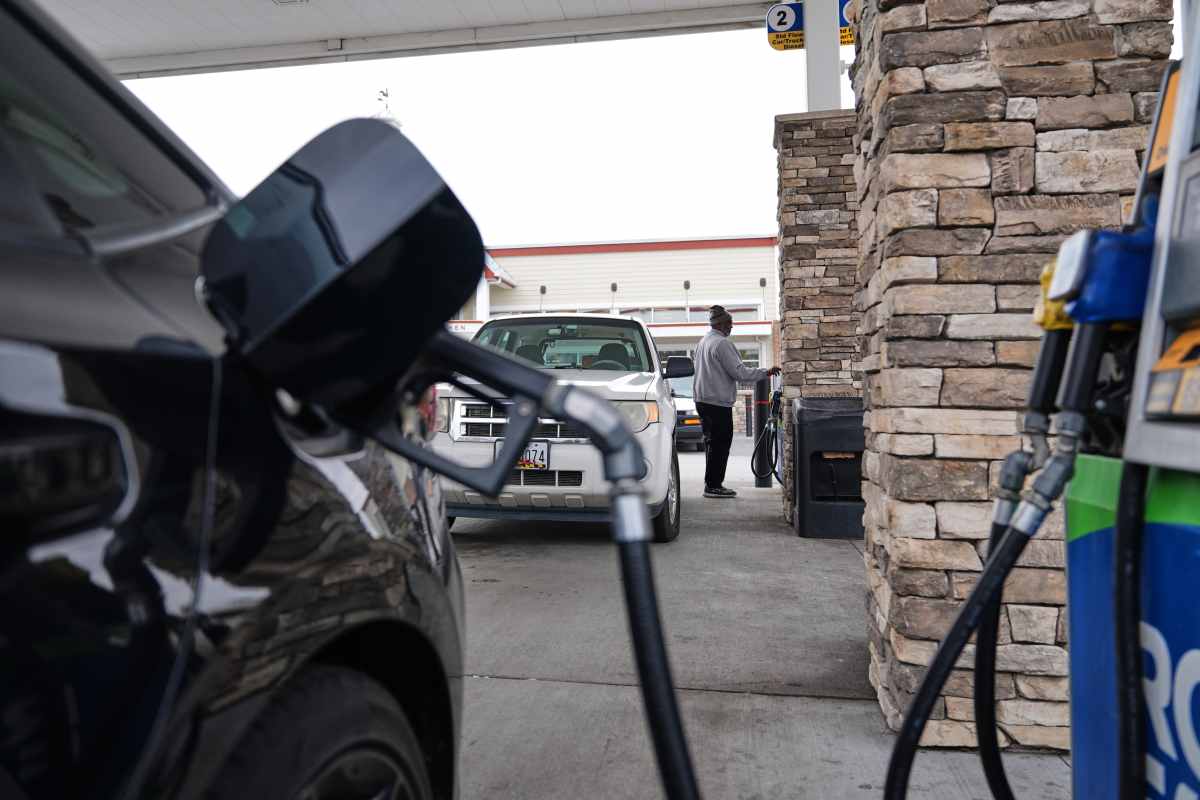
According to AAA, the national average price for regular gasoline has risen to $4.48 per gallon, up 30 cents from a week ago and roughly 50% higher since the start of the conflict.
Analysts say the rise reflects uncertainty around oil shipments through the Strait of Hormuz, a route that handles a significant share of global crude exports.
Trump said he expected oil prices to stabilize once the conflict formally ends. “When the war ends,” he said, “the price of oil just neutralizes.”