Hegseth says Congress approval not required as ceasefire in place
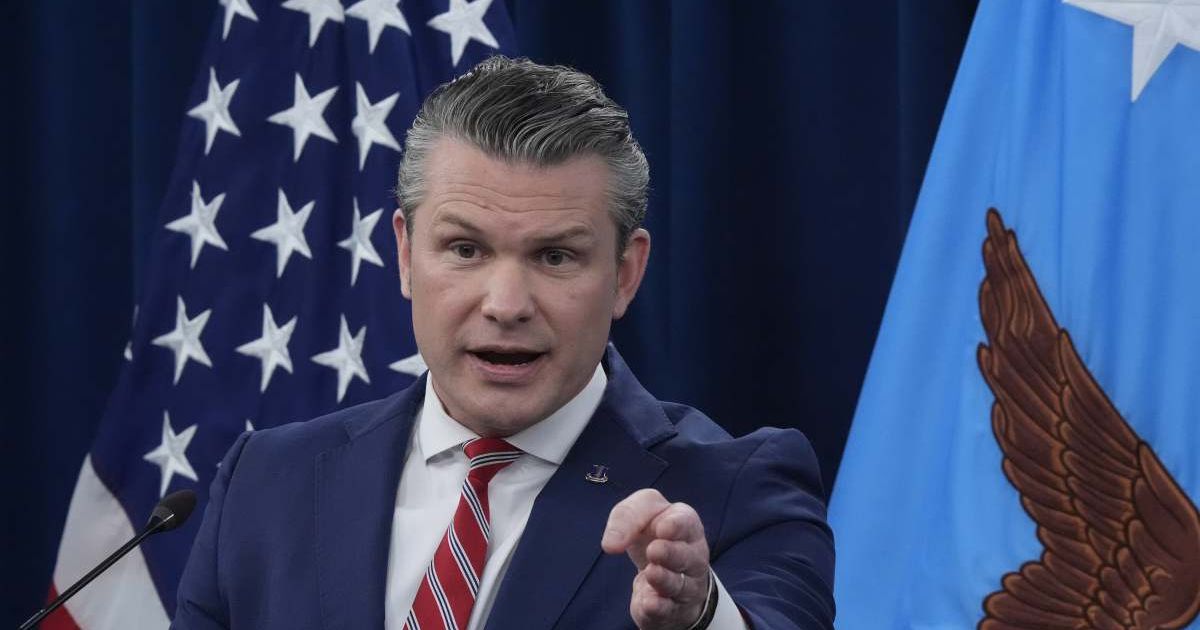
WASHINGTON, DC: US Defense Secretary Pete Hegseth has asserted that President Donald Trump does not need congressional approval to continue military engagement with Iran as long as the current ceasefire remains in place.
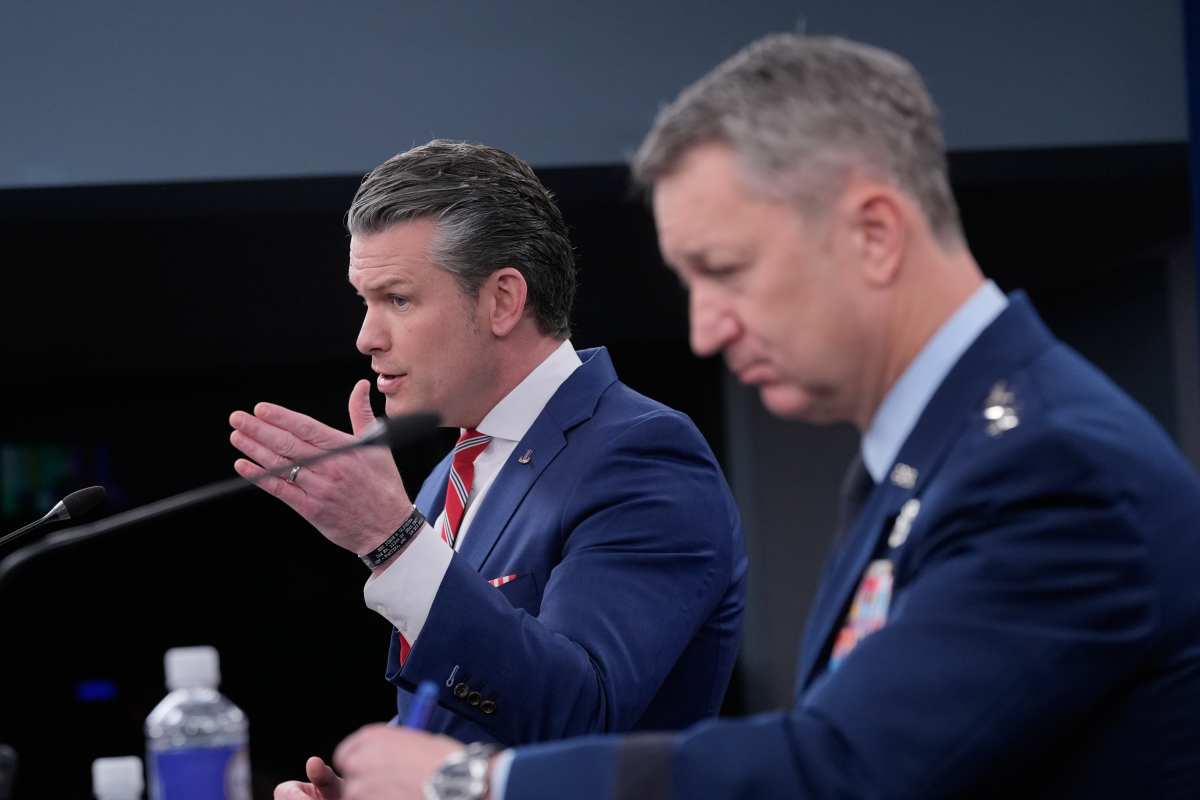
Speaking at a Pentagon briefing, Hegseth said the administration’s legal interpretation is that the ceasefire effectively pauses the timeline under the War Powers Resolution.
“Our view is that, ultimately, with the ceasefire, the clock stops,” Hegseth said, adding that any decision to resume hostilities would rest solely with the president.
Legal debate over 60-day deadline intensifies
Under the 1973 law, a US president can deploy military forces without congressional authorization for up to 60 days in response to an imminent threat or attack.
Beyond that, continued military action requires approval from Congress or must be terminated.
Many lawmakers argue that the 60-day window expired on May 1, counting from March 2, when Trump formally notified Congress of hostilities against Iran.
Hegseth’s remarks signal the administration’s rejection of that interpretation, framing the ceasefire as a legal buffer that suspends the countdown.

Option to resume combat remains open
Despite the pause in active fighting, Hegseth said that the administration retains full military readiness and the option to restart operations if Iran fails to uphold its commitments.
“That option is always there,” he said, warning that Tehran’s decisions in what he referred to as “Project Freedom” would determine the next course of action.
The defense secretary added that US forces are “postured, locked, loaded and ready to go,” stressing that while Washington prefers to avoid further escalation, it maintains expanded capabilities compared to the start of the conflict.
Hegseth’s comments reflect a dual-track approach by the Trump administration, maintaining diplomatic space through the ceasefire while preserving the threat of renewed military action.
The stance is likely to deepen tensions with lawmakers who argue that bypassing Congress undermines constitutional checks on war powers, even as the administration insists it is acting within legal bounds.