Hormuz mine scare sparks US 'self-defense' strikes as Trump admin insists diplomacy still alive
🚨 JUST IN: Iran was STRUCK by the US after the IRGC got caught laying MINES in the Strait of Hormuz
— Eric Daugherty (@EricLDaugh) May 25, 2026
The strikes took place in Bandar Abbas, home to a key Iranian base
Missile launch sites were also blasted to smithereens.
Fox is reporting this is NOT an end of the ceasefire,… https://t.co/8b8QTXc7Qk pic.twitter.com/X1OfJk87Zs
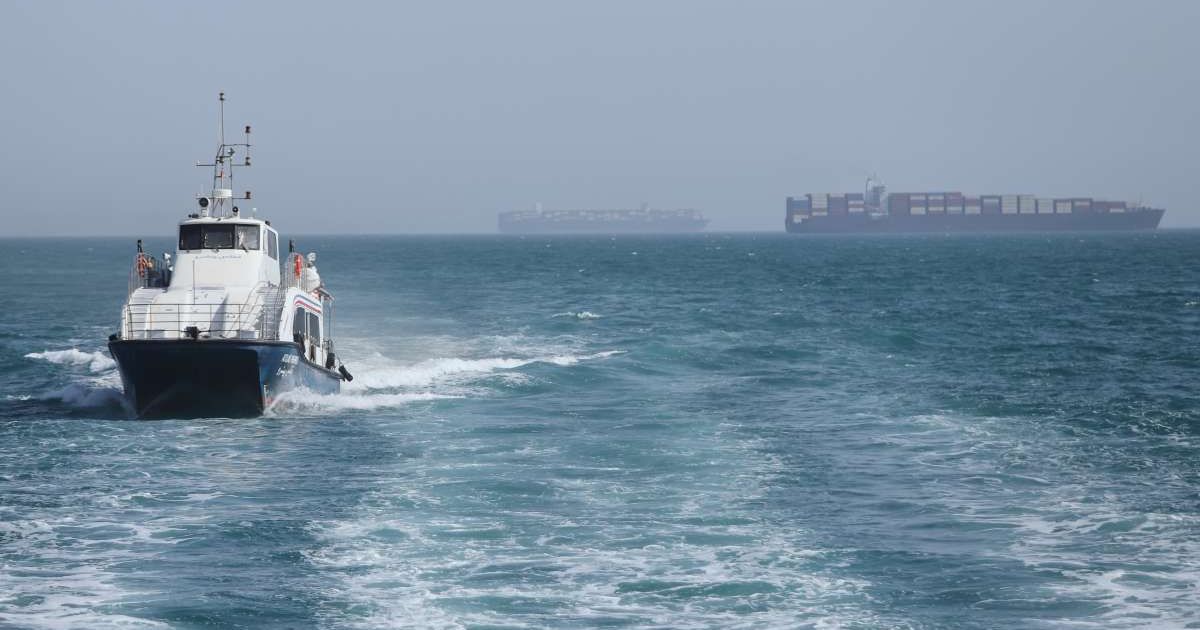
WASHINGTON, DC: The US military said it launched “self-defense strikes” against Iranian targets near the Strait of Hormuz after Iranian boats were allegedly laying mines in the strategic waterway, a move that reignited fears of escalation even as President Donald Trump's administration publicly insisted diplomacy with Tehran remained on track.
The strikes rattled nerves around one of the world’s most critical oil shipping lanes. Markets reacted quickly after reports suggested Washington and Tehran were still discussing a path to reopen the Strait of Hormuz and avoid a wider conflict.
US forces conduct self-defense strikes after a mine scare
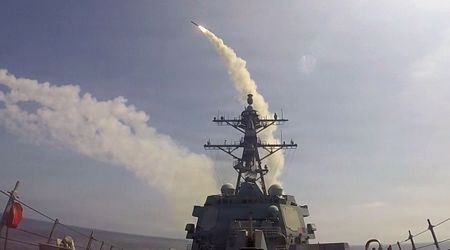
According to US Central Command, American forces targeted missile launch sites and Iranian boats in southern Iran after what officials described as direct threats to US troops and military aircraft operating near the region.
“US forces conducted self-defense strikes in southern Iran to protect our troops from threats posed by Iranian forces,” Capt Tim Hawkins, a CENTCOM spokesperson, said.
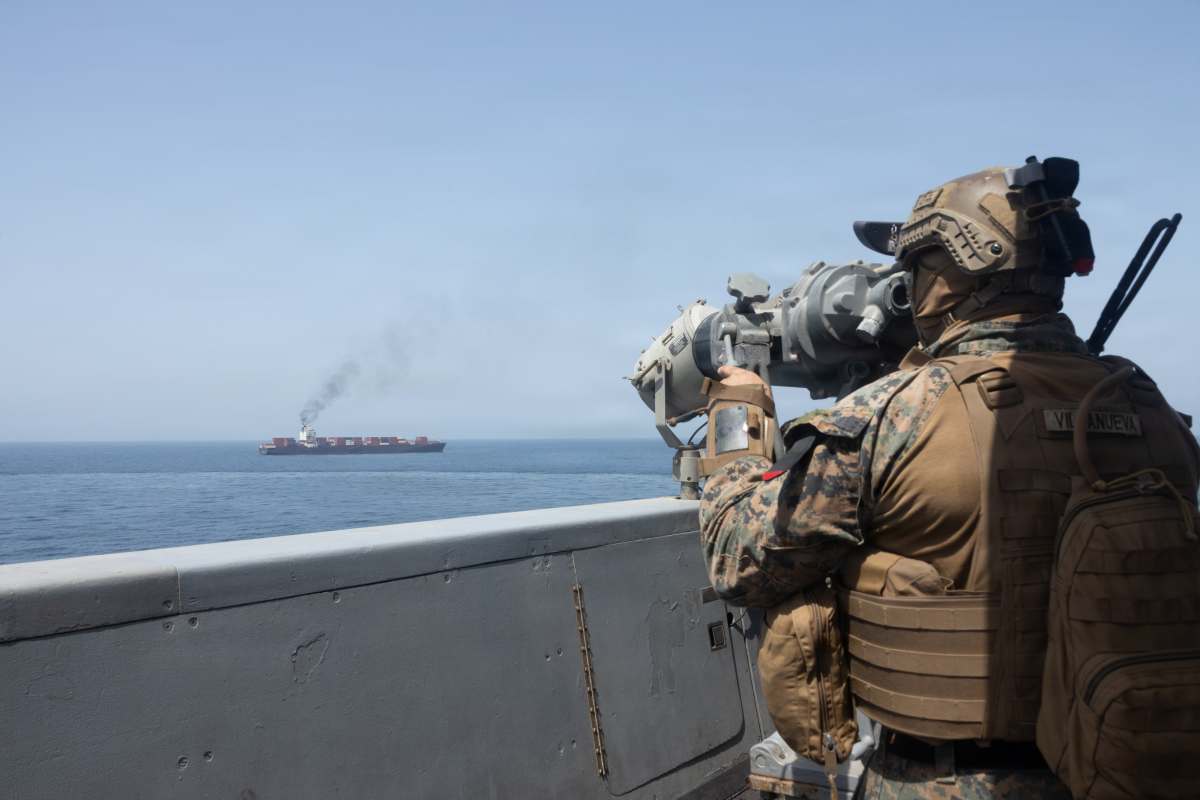
“Targets included missile launch sites and Iranian boats attempting to emplace mines,” Hawkins added, while stressing that “US Central Command continues to defend our forces while using restraint during the ongoing ceasefire.”
A senior US official told Fox News that two Iranian boats were seen laying mines in the Strait of Hormuz, prompting American forces to eliminate both IRGC vessels. The US also struck a surface-to-air missile site in Bandar Abbas after officials said it had targeted American warplanes.
“These were defensive strikes,” the official said, while two additional sources told the outlet the ceasefire with Iran was still intact.
Explosions were later reported near Bandar Abbas, Sirik, and Jask, areas close to the shipping route that has become central to both the military standoff and fragile diplomacy efforts.
Marco Rubio insists talks remain alive
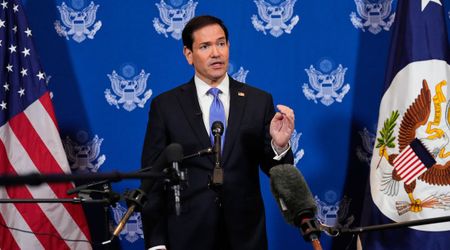
Despite the military action, Secretary of State Maco Rubio insisted negotiations with Tehran were still moving forward, even as delays continued to frustrate expectations of a breakthrough.
“We’re still a work in progress,” Rubio said while speaking at Palam Air Force Station in New Delhi. “As I said, we thought we might have some news last night, maybe today. I wouldn’t read too much into it.”
Rubio blamed the slow pace largely on Tehran’s response time but said the administration believed it had presented a workable proposal.
“We have what I think is a pretty solid thing on the table in terms of their ability to open up the straits, get the straits opened,” he said.
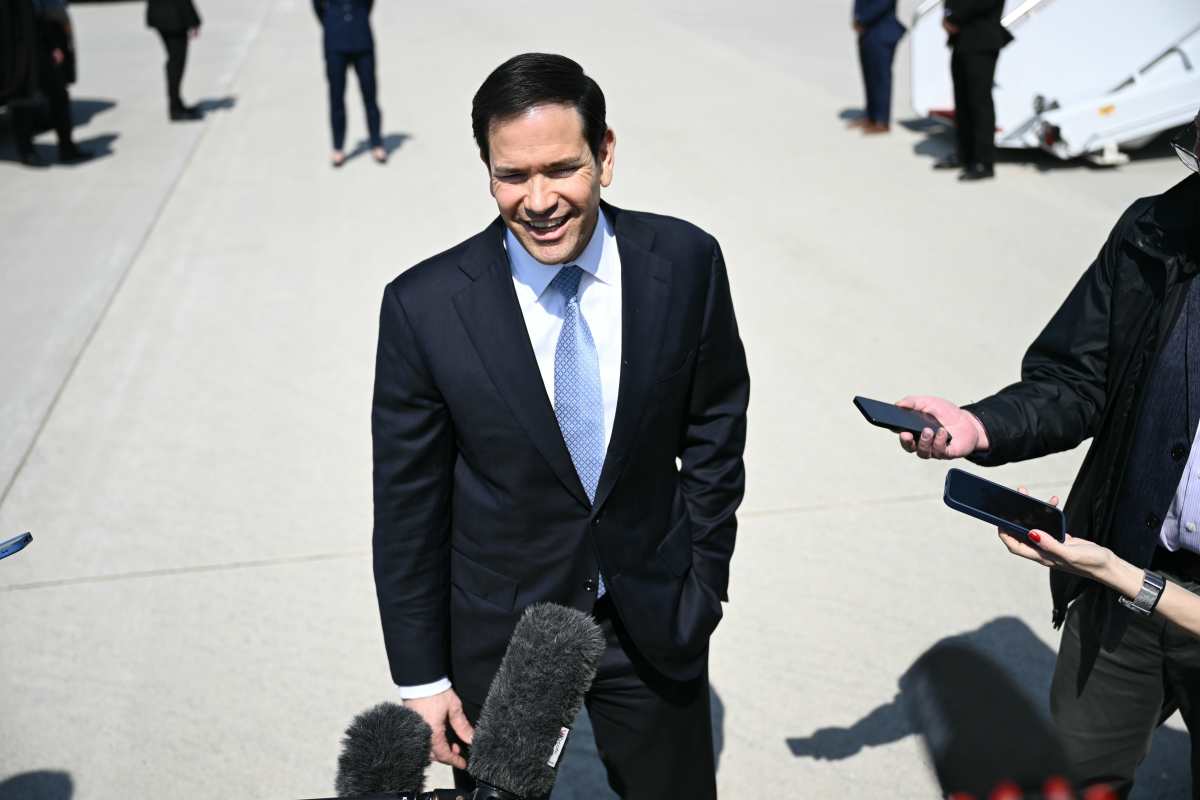
Rubio also warned there was urgency surrounding Iran’s nuclear program, saying, “There’s a very real, significant time limit on negotiations on the nuclear matter, and hopefully we can pull it off.”
Still, the administration signaled it wanted to avoid turning the Strait of Hormuz crisis into a broader military confrontation.
“We’re going to give diplomacy every chance to succeed before we explore the alternatives,” Rubio said. “We’d prefer to have a good agreement.”
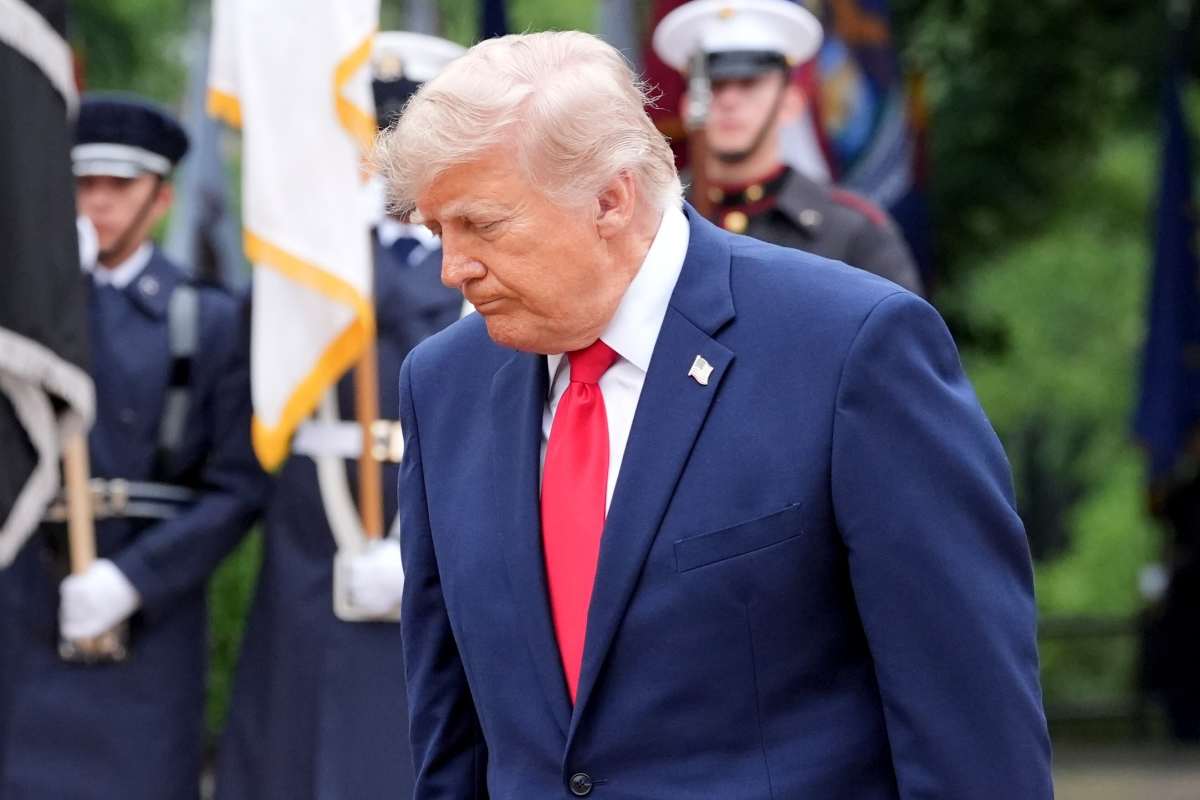
Trump added another layer to the negotiations when he said Iran’s enriched uranium stockpile would either be surrendered to the US or destroyed under international supervision as part of a future nuclear deal.
“The Enriched Uranium (Nuclear Dust!) will either be immediately turned over to the United States to be brought home and destroyed,” the POTUS wrote on Truth Social, calling the issue one of the key sticking points in negotiations with Tehran.