Trump pushes Abraham Accords expansion, warns of force if Iran talks collapse
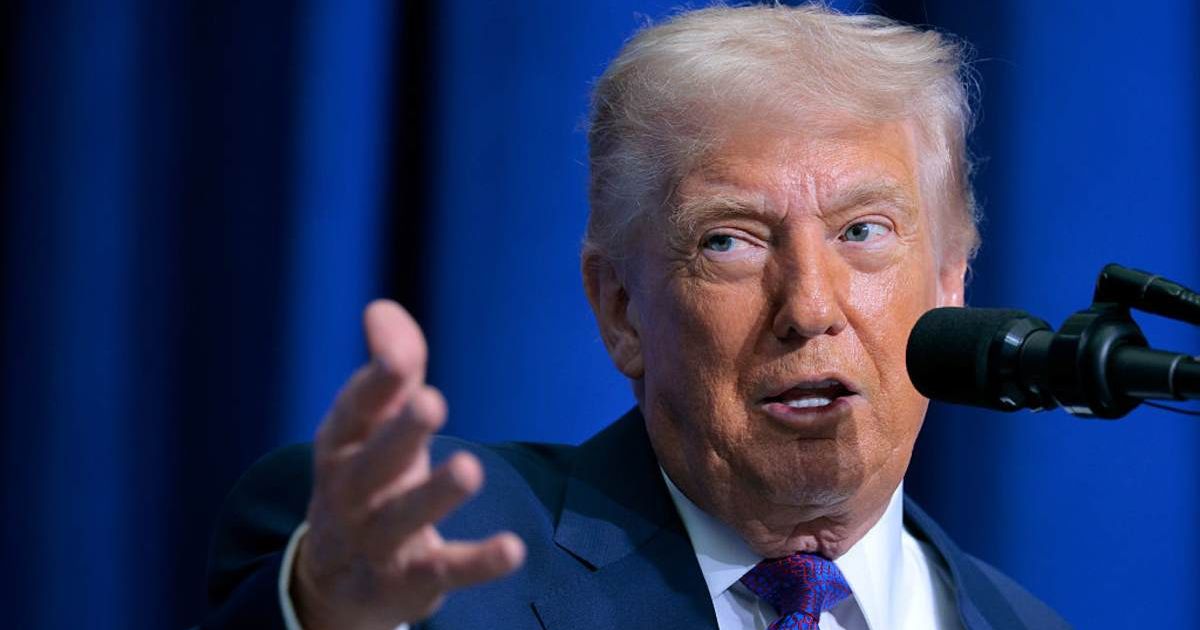
WASHINGTON, DC: US President Donald Trump on Monday, May 25, called for Middle Eastern and other countries to “immediately” join the Abraham Accords once an agreement to end the Iran conflict is secured, while also warning Tehran that military operations would resume with greater force if negotiations collapse.
In a lengthy post on Truth Social, Trump said he was “mandatorily requesting” that nations sign the Abraham Accords as part of what he described as an “unparalleled World Coalition.”
He added that it would be an “Honor” for Iran itself to become part of the framework if Tehran reaches a final agreement with Washington.
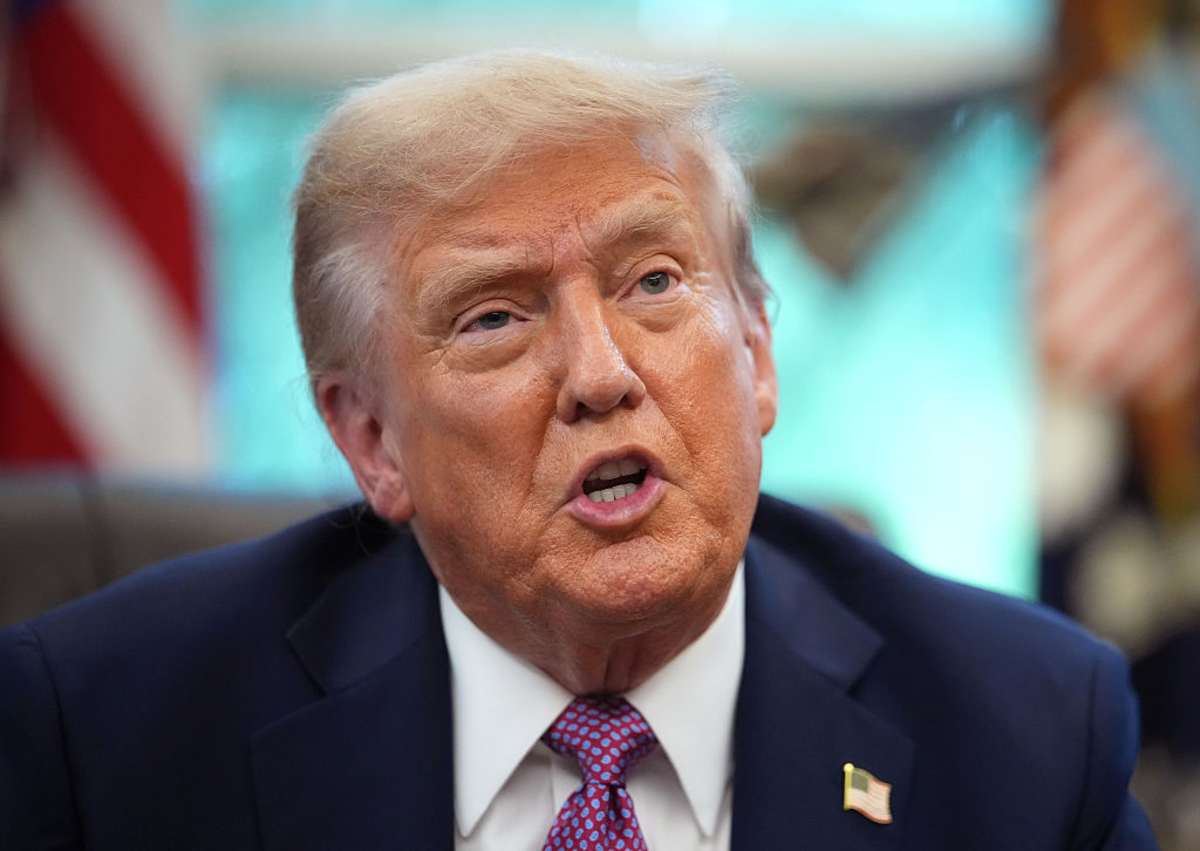
Trump calls held with regional leaders
Trump said he discussed the issue during conversations with leaders from Saudi Arabia, the United Arab Emirates, Qatar, Pakistan, Turkey, Egypt, Jordan and Bahrain.
NOW: President Trump has just dropped the ultimate masterpiece of global diplomacy that will rewrite 5,000 years of Middle East history !!:facepunch::us:
— Donald J Trump Posts TruthSocial (@TruthTrumpPost) May 25, 2026
President Trump demanded that Saudi Arabia, Qatar, Pakistan, Turkey, Egypt, and Jordan must sign the historic Abraham Accord.… pic.twitter.com/fSTOs2Knkr
The US President argued that after Washington’s efforts to broker peace in the region, participation in the Abraham Accords should effectively become a requirement for regional stability.
The Abraham Accords, first negotiated during Trump’s earlier term in office, normalized diplomatic relations between Israel and several Arab nations, including Bahrain and the UAE.
Supporters have described the agreements as a major geopolitical shift in the Middle East, while critics have argued they failed to address the broader Israeli-Palestinian conflict.
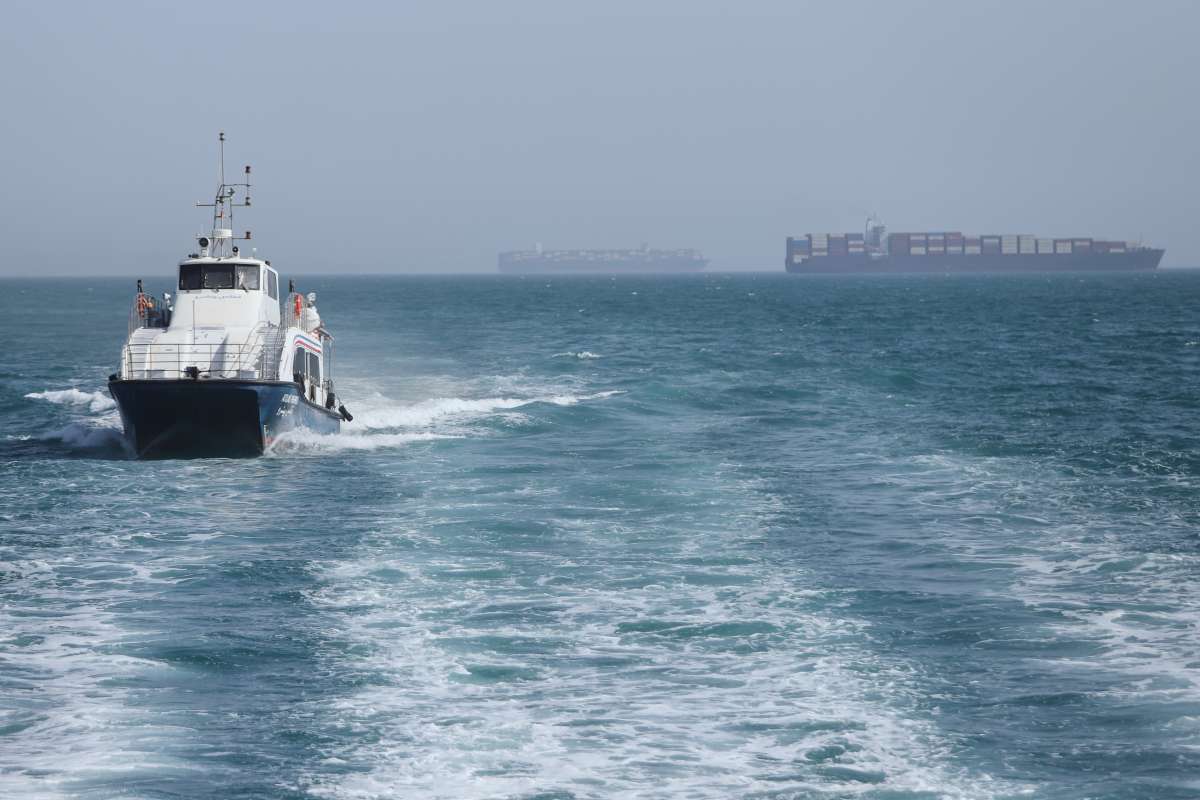
Trump says negotiations progressing 'nicely'
Despite his push for a broader regional coalition, Trump signaled that ongoing talks with Iran were making progress.
“Negotiations with the Islamic Republic of Iran are proceeding nicely,” Trump wrote, adding that any agreement must benefit all sides involved.
However, he coupled the diplomatic optimism with a renewed warning that failure to secure a deal would lead to renewed military confrontation.
“It will only be a Great Deal for all or, no Deal at all- Back to the Battlefront and shooting, but bigger and stronger than ever before,” Trump said.
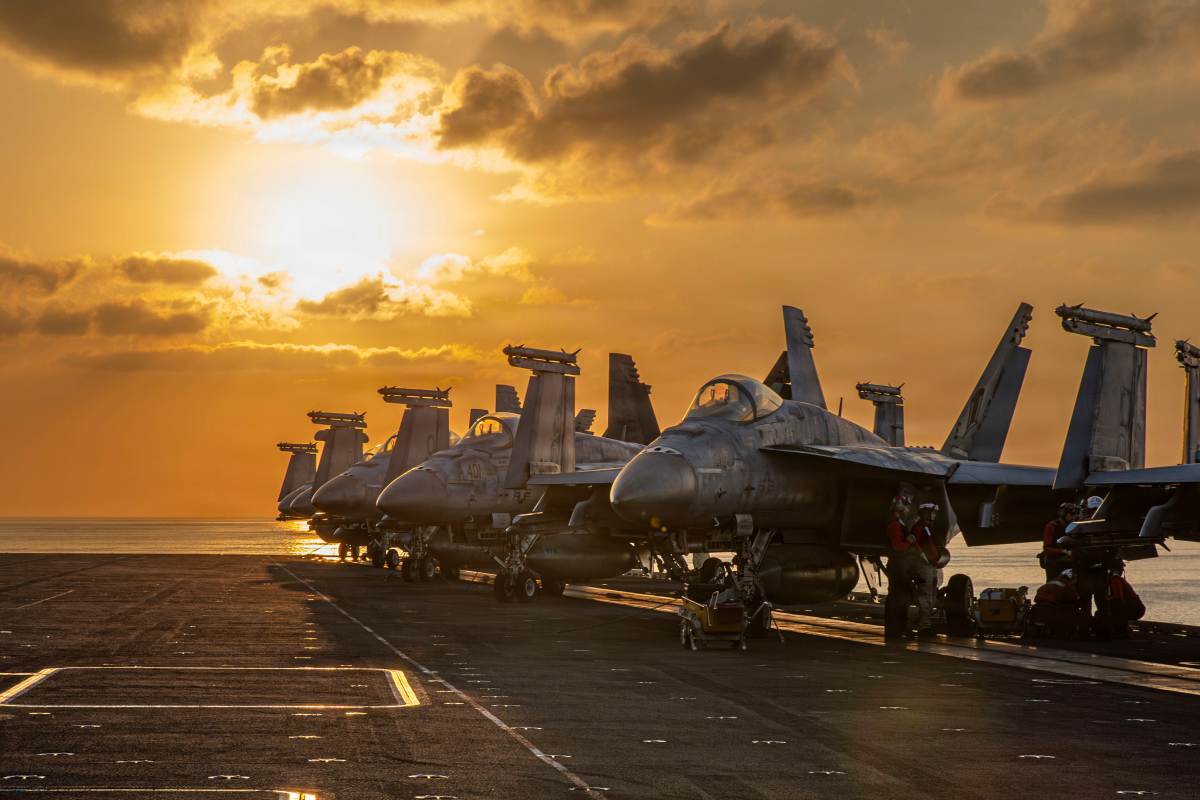
Regional tensions remain high
Trump’s remarks come amid heightened tensions across the Middle East following weeks of uncertainty over Iran’s nuclear ambitions, regional security concerns and the future of US involvement in the conflict.
The administration has increasingly framed a potential Iran agreement not only as a ceasefire arrangement but also as part of a wider effort to reshape diplomatic alignments across the region through expanded normalization agreements involving Israel and Arab states.
Analysts say the proposal could face resistance from countries wary of tying regional diplomacy directly to negotiations with Iran, particularly as concerns remain over security guarantees, nuclear oversight and the long-term stability of any agreement reached.