Democrats court Elizabeth Warren for 2028 as party rethinks 2024 losses and working-class strategy
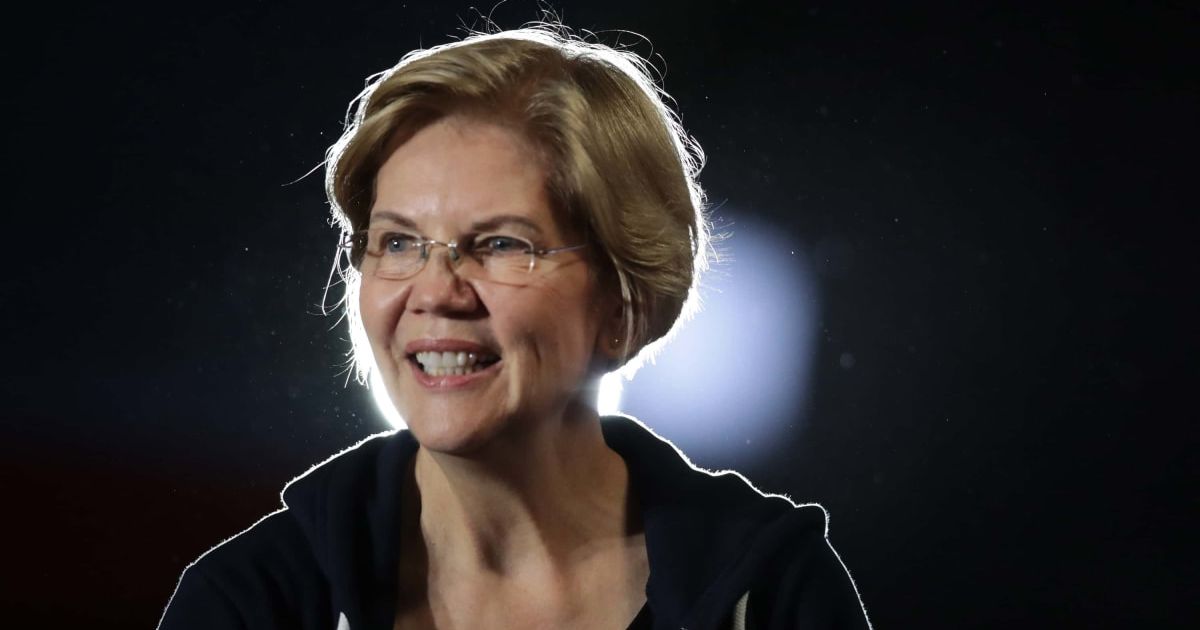
WASHINGTON, DC: As the party reflects on its recent election losses and how it might win back the support of working-class voters, several potential Democratic candidates for 2028 are drawing closer to Sen. Elizabeth Warren and progressive economic policies.
Recent reporting by Axios has found that Democratic figures eyeing future presidential runs have begun to court Warren and her progressive allies as frustration grows inside the party over economic messaging, corporate influence, and voter dissatisfaction with establishment politics.
Democrats shift toward economic populism after voter frustration
Reports suggest several Democrats now believe the party relied too heavily on anti-Trump messaging while failing to offer a clear economic vision that resonated strongly enough with swing voters.

Axios reported that Warren, one of the most influential figures in the progressive movement, is being courted publicly and privately by Democrats eyeing 2028 presidential bids, a sign potential candidates are trying to strengthen their standing with the party’s far-left flank.
Warren texts regularly with California Gov. Gavin Newsom (D) and had a private tea this month with Kentucky Gov. Andy Beshear (D), Axios reports.
They are both potential presidential candidates and are more moderate than Warren. The outlet also reported that Warren has been talking to former Biden and Obama officials about how a future Democratic president can reshape the federal government after President Donald Trump’s DOGE cuts.
This month, Newsom moved closer to Warren’s political network when he tapped Warren protégé Rohit Chopra to run a new consumer agency in California.
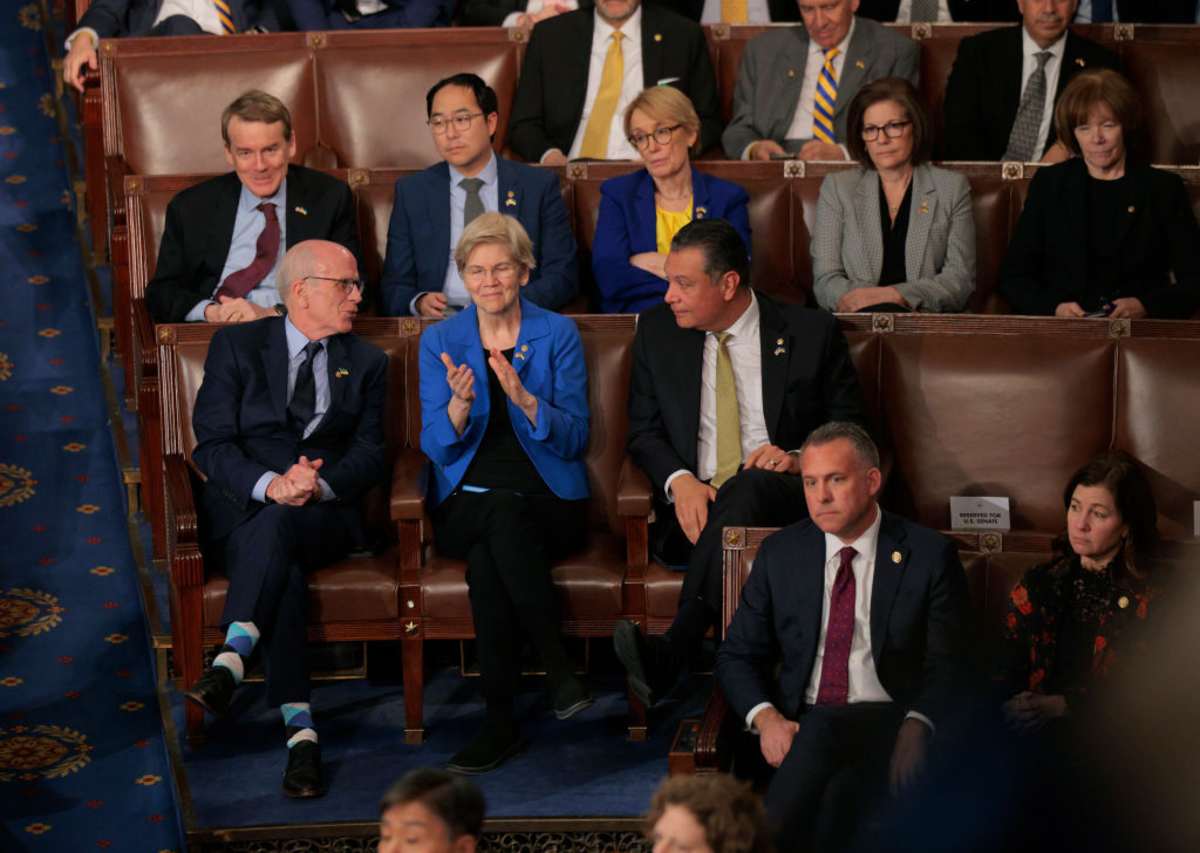
Warren’s influence has grown among younger Democratic activists and possible 2028 contenders who increasingly see economic populism as critical to rebuilding support with voters frustrated by rising living expenses.
The shift also reflects growing concern inside the Democratic Party about losing ground with working-class voters, including some Hispanic, Black, and younger voters who drifted away from Democrats during recent election cycles.
Warren’s long-standing criticism of corporate consolidation and billionaire influence is also being revisited by Democrats searching for ways to counter populist rhetoric from President Donald Trump and the Republican Party.
Elizabeth Warren’s growing influence signals broader Democratic rethink
The renewed attention surrounding Warren also signals a broader internal debate about the future direction of the Democratic Party heading into the next presidential cycle.
Warren has also worked with Rep. Alexandria Ocasio-Cortez (D-NY), another progressive and potential 2028 contender. In February, Ocasio-Cortez became the House co-lead on Warren’s bill to implement universal child care.
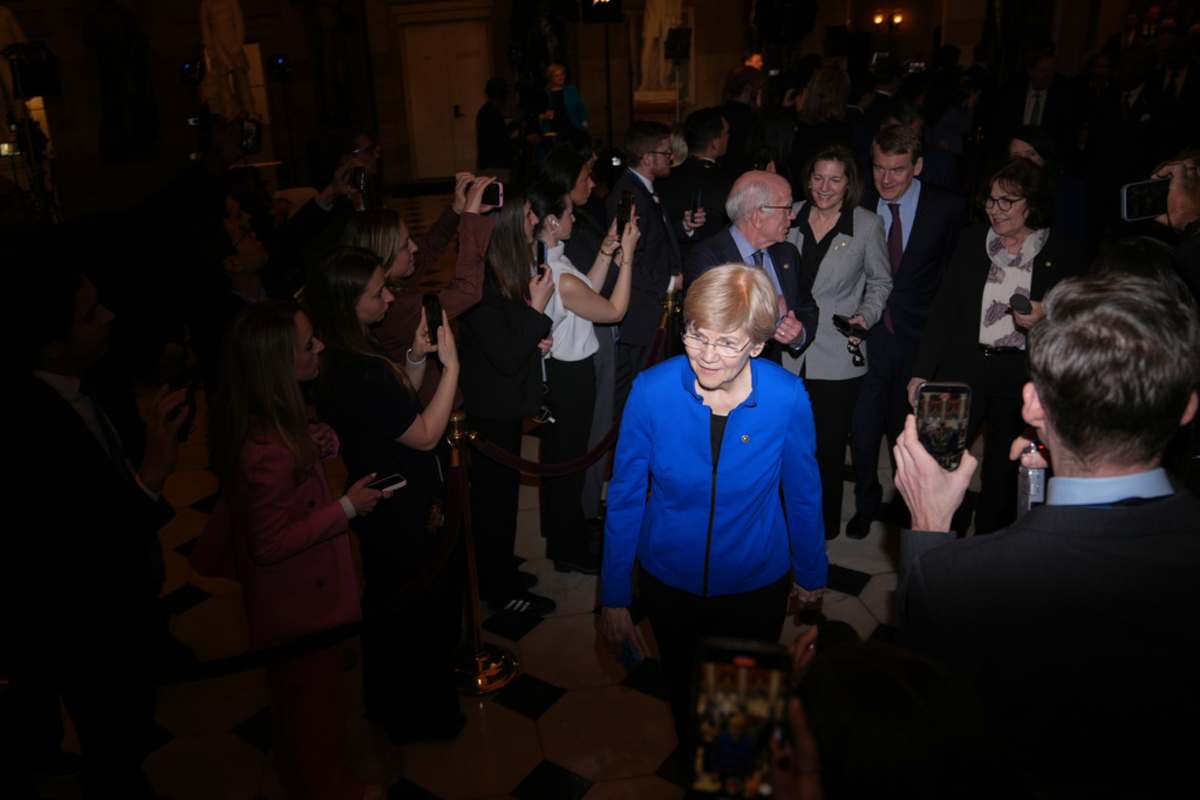
At a Center for American Progress summit in Washington, DC, last week, Warren argued that 2028 Democratic hopefuls should make child care a priority.
In another speech this year, she criticized former Vice President Kamala Harris’s “lukewarm approach” to former Federal Trade Commission chair Lina Khan, a Warren ally, during the 2024 campaign.
That reassessment has pushed more candidates toward policies traditionally championed by Warren, including stronger corporate regulation, tougher Wall Street oversight, expanded housing programs, and more aggressive action on healthcare costs and student debt.
Some Democrats are saying more and more that the party has not presented itself as focused enough on the economic pain felt by ordinary voters, particularly outside of major urban centers.

Others say Democrats relied too heavily on institutional messaging and underestimated voter anger over inflation, housing costs, and perceptions of elite political leadership.
Commentary after the 2024 election has added to the pressure on Democratic leaders to grapple with whether the party’s messaging became too focused on cultural and anti-Trump themes as economic anxiety continued to grow among key voter groups.