Trump escalates Hormuz standoff after warning Iran as US escort mission sparks fresh attacks
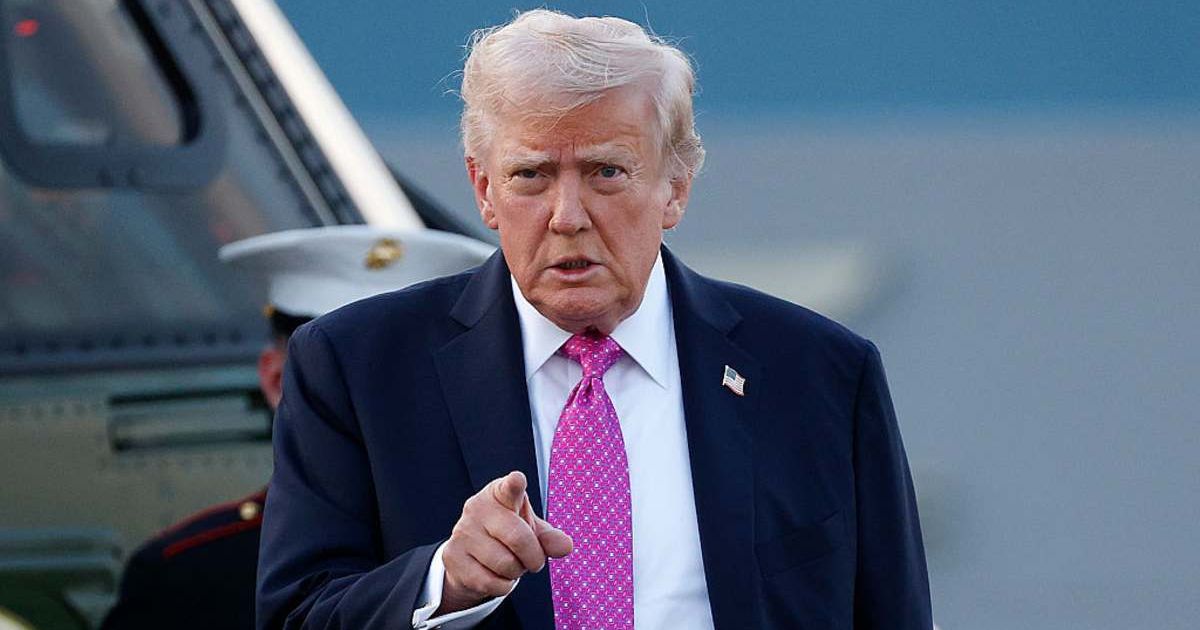
WASHINGTON, DC: The White House privately alerted Iran ahead of launching a new US naval operation in the Strait of Hormuz, signaling both caution and resolve as tensions escalated in one of the world’s most critical maritime corridors.
According to US officials, a senior Trump administration figure delivered a direct message to Tehran on Sunday, May 3, warning against interference with what Washington described as a defensive mission to guide ships safely through the strategic waterway.
The move came as the United States initiated “Project Freedom,” an effort to stabilize commercial shipping lanes after weeks of disruption linked to the ongoing conflict.
The Strait of Hormuz, through which a significant share of global oil flows, has remained under intense pressure, with security concerns limiting vessel movement and raising fears of broader economic fallout.
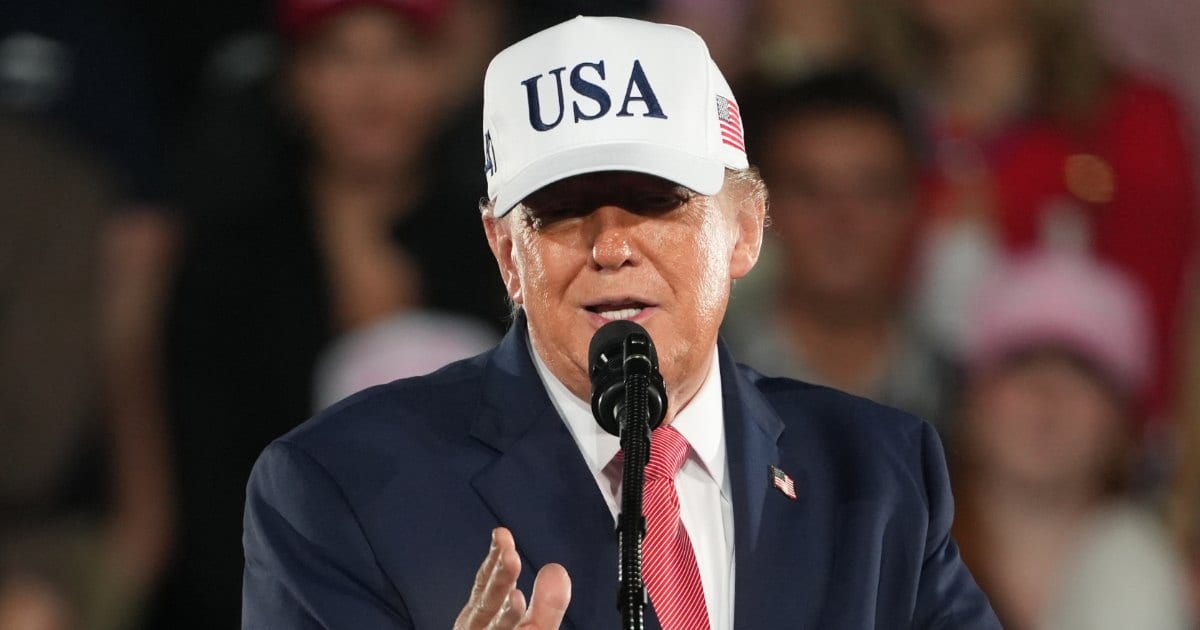
"Iran has taken some shots at unrelated Nations with respect to the Ship Movement, PROJECT FREEDOM, including a South Korean Cargo Ship... We’ve shot down seven small Boats or, as they like to call them, “fast” Boats. It’s all they have left." - President Donald J. Trump 🇺🇸 pic.twitter.com/dRpde52oWB
— The White House (@WhiteHouse) May 4, 2026
Despite the warning, Iranian forces launched multiple attacks on Monday targeting US Navy ships, commercial vessels, and locations in the United Arab Emirates.
The developments have placed the fragile ceasefire under renewed strain, even as US officials publicly maintain that large-scale hostilities have not resumed.
US warning precedes tense naval rollout
Officials confirmed that the private communication to Iran was intended to reduce the risk of escalation as US forces began escorting ships through the Strait.
The message coincided with a public statement by President Donald J Trump on Truth Social, signaling the start of the operation.
Defense Secretary Pete Hegseth said the US has been communicating “both overtly and quietly” with Iran to ensure the mission proceeds without interference.
However, the immediate response from Iranian forces has complicated that objective.
Caine: "Since the ceasefire was announced, Iran has fired at commercial vessels nine times and seized two container ships. They've attacked US forces more than 10 times. All below the threshold of restarting major combat operations at this point." pic.twitter.com/5EA1HMofB6
— Aaron Rupar (@atrupar) May 5, 2026
During the first day of operations, Iran targeted US Navy vessels transiting the Strait, along with other commercial ships and UAE-linked sites.
Joint Chiefs Chairman Gen. Dan Caine described the attacks as “below the threshold of restarting major combat operations,” while acknowledging the situation remains fluid.
Hegseth added that the administration anticipated some level of reaction at the outset.
“Right now, the ceasefire holds,” he said, noting that early disruptions were expected as the mission began.
Iranian attacks test fragile ceasefire
The latest strikes underscore the challenges facing both sides as diplomatic efforts continue alongside military activity.
US officials have indicated that President Trump could authorize a renewed military campaign if negotiations fail to produce progress in the coming days.
Hegseth pointed to the role of Iran’s Islamic Revolutionary Guard Corps, suggesting that some actions may fall outside the preferences of Iranian negotiators.
He stated that it would be Tehran’s responsibility to manage those internal dynamics to avoid further escalation.
Events in Hormuz make clear that there's no military solution to a political crisis.
— Seyed Abbas Araghchi (@araghchi) May 4, 2026
As talks are making progress with Pakistan's gracious effort, the U.S. should be wary of being dragged back into quagmire by ill-wishers. So should the UAE.
Project Freedom is Project Deadlock.
At the same time, Iranian officials have signaled a mixed response.
Parliament Speaker Mohammad Bagher Ghalibaf said the country had created a “new equation” following its actions. In contrast, Foreign Minister Abbas Araghchi said US-Iran talks mediated by Pakistan were “making progress.”
He urged Washington not to be “dragged back into quagmire.”
Despite those statements, the UAE reported a fresh missile and drone attack on Tuesday, with its air defense systems activated in response.
Shipping disruptions persist despite operation
Early indicators suggest that the US mission has yet to restore normal shipping levels.
US Central Command reported that only two US-flagged vessels passed through the Strait on Monday, with none recorded on Tuesday.
⚡️🇺🇸🇮🇷U.S. Secretary of War Hegseth delegated the task of reining in any rogue IRGC personnel to the Iranian negotiating team.
— War Monitor (@monitor11616) May 5, 2026
"There are some actions the IRGC takes sometimes that are outside the bounds of what maybe Iranian negotiators would like. That's their job to rein that… pic.twitter.com/201CYcBWol
Hegseth said “hundreds more … are lining up,” but acknowledged that shipping companies remain cautious, reflecting ongoing concerns about safety in the corridor.
“There are some actions… that are outside the bounds,” Hegseth said, urging Iran to act with restraint.
He emphasized that US forces remain prepared to respond quickly if directed.
The situation leaves the Strait of Hormuz at a critical juncture, with military operations, diplomatic negotiations, and commercial confidence all intersecting in a high-stakes environment that continues to evolve.