Hormuz ceasefire under pressure as US, Iran trade fire for second consecutive day
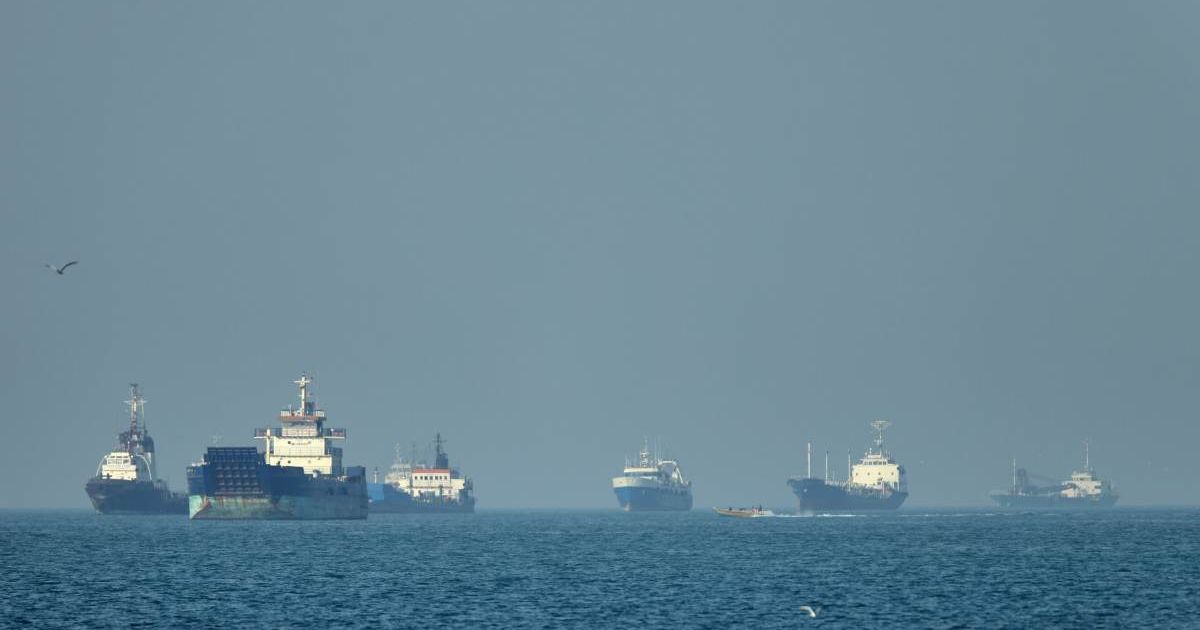
TEHRAN, DC: A fragile ceasefire in the Strait of Hormuz appeared increasingly untenable on Tuesday, May 4, as the United States and Iran traded strikes and threats for a second consecutive day under President Donald Trump’s controversial “Project Freedom” mission.
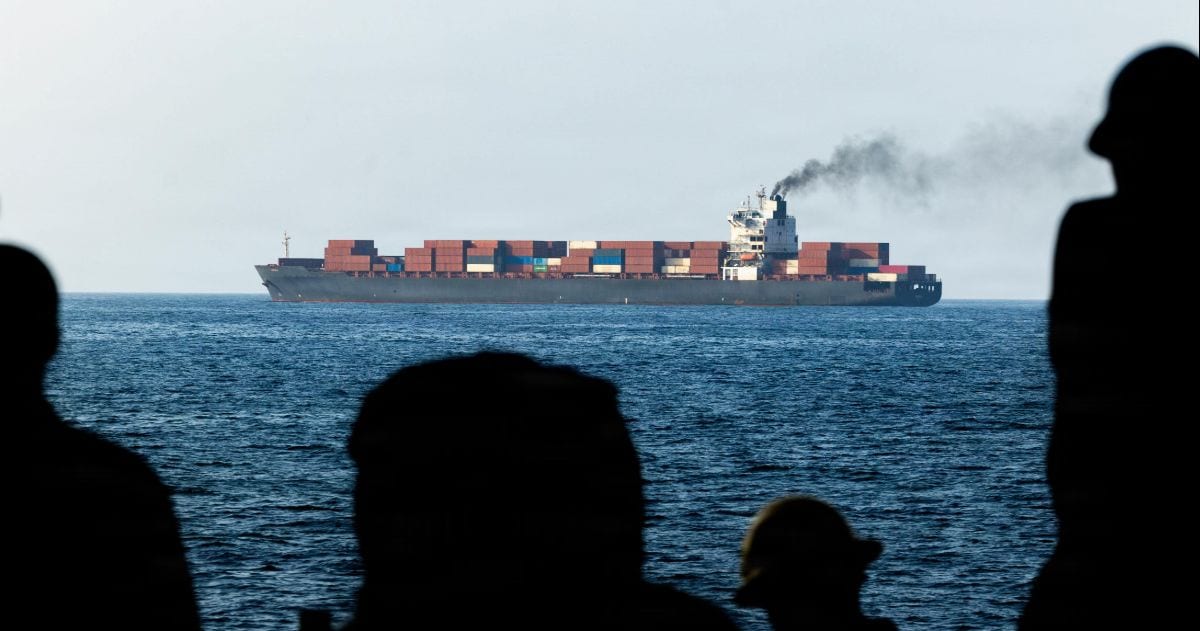
The operation aims to break Iran’s grip over the strategic waterway, a chokepoint for global energy supplies that has seen shipping disrupted and oil prices surge.
But Tehran’s resistance has intensified, with both sides reporting attacks even as Washington insists the ceasefire remains technically intact.
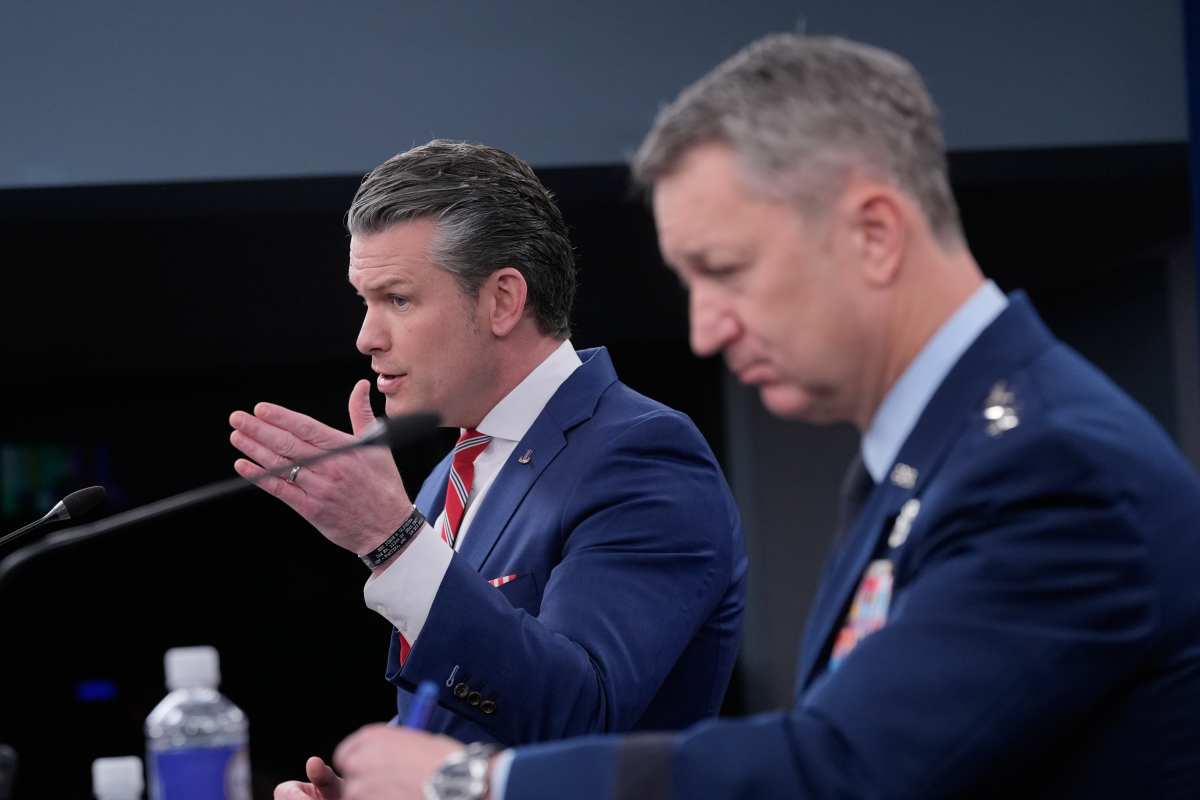
US Defense Secretary Pete Hegseth maintained that the truce was “not over,” despite mounting evidence of escalating hostilities.
US and Iran dispute scale of clashes
Chairman of the Joint Chiefs of Staff Dan Caine said Iran had launched more than 10 attacks on US forces since the ceasefire began, though he described them as “below the threshold” for a return to full-scale combat.
The US military reported that Iranian forces targeted Navy and commercial vessels with cruise missiles, drones and fast boats, while American forces destroyed multiple Iranian craft. Trump claimed eight Iranian boats were eliminated.
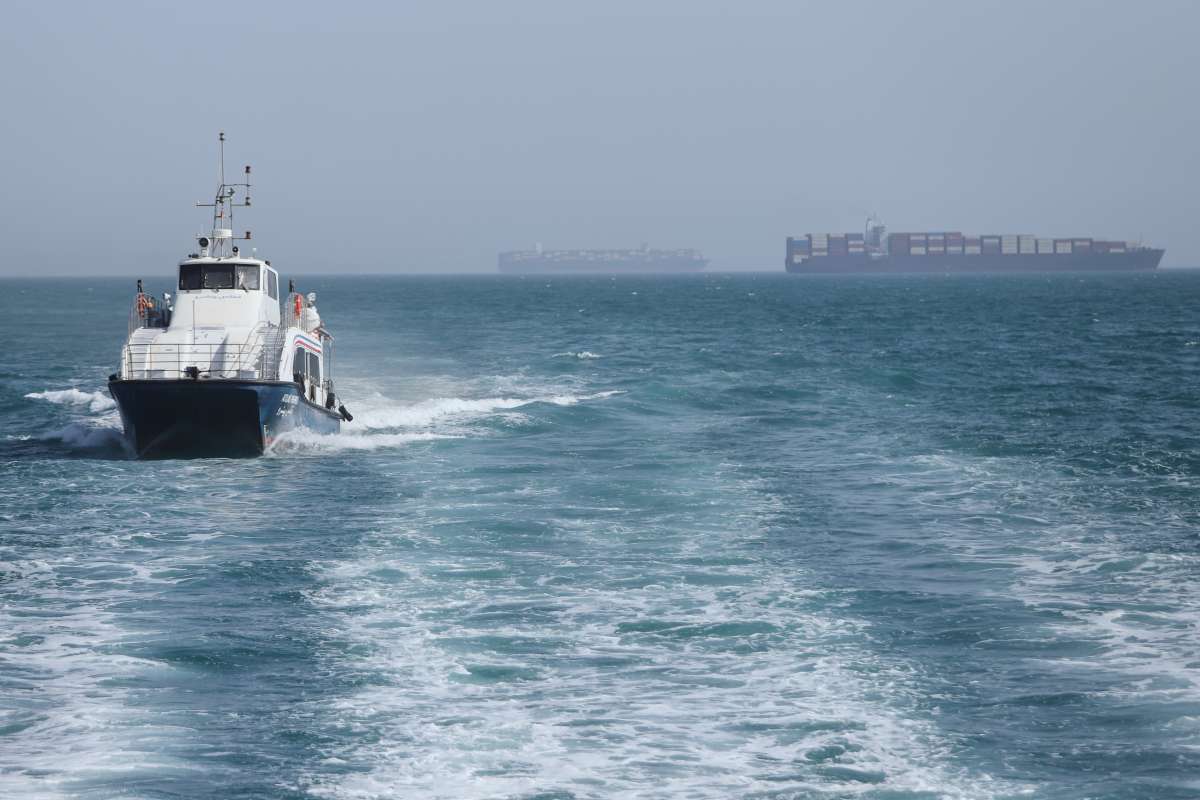
Washington also said two US-flagged merchant vessels successfully transited the strait under military escort, with shipping giant Maersk confirming one of its carriers exited safely.
Iran, however, denied that any commercial vessels or oil tankers had crossed successfully and rejected claims of damage to its naval fleet.
Gulf tensions widen with regional spillover
The confrontation spilled beyond the strait, with the United Arab Emirates reporting it had intercepted multiple missiles and drones launched from Iran.
The attack sparked a fire at an oil facility and injured three Indian nationals, drawing international condemnation.
Iran stopped short of confirming the strike but insisted it had no intention of targeting neighbouring states.
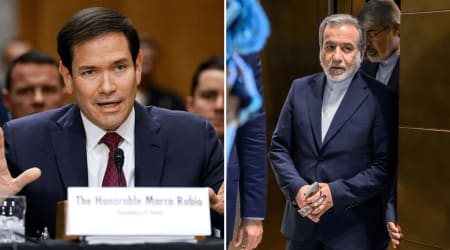
Foreign Minister Abbas Araghchi warned against being drawn into a broader conflict, calling the US initiative “Project Deadlock.”
Meanwhile, Parliamentary Speaker Mohammad Bagher Ghalibaf struck a defiant tone, saying Iran had “not even begun yet.”
Trump issues stark warning, seeks allies
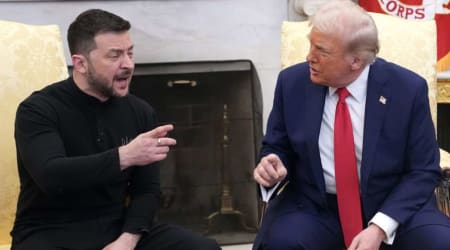
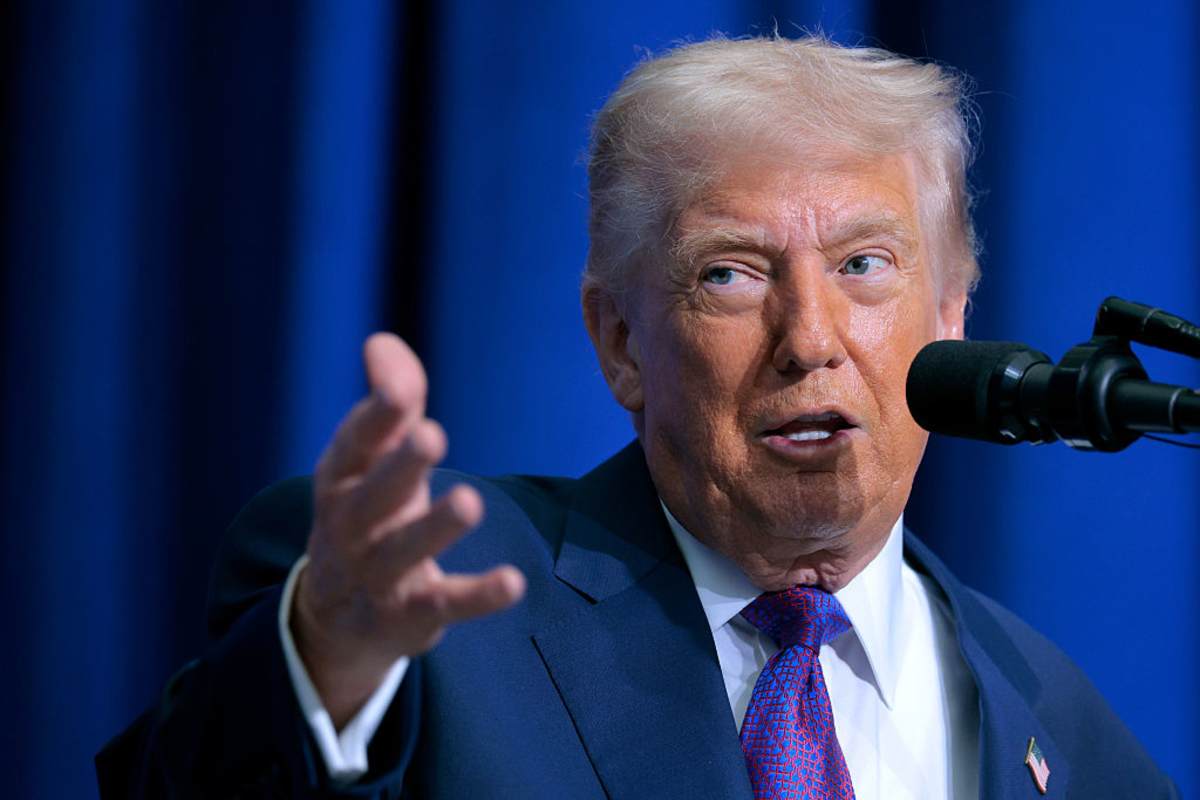
Trump warned that any further Iranian attacks on US vessels would trigger overwhelming retaliation, saying Tehran’s forces would be “blown off the face of the Earth.”
The crisis also drew in other nations. A South Korean-operated vessel was damaged in an explosion and fire, prompting Trump to call on South Korea to join the US-led mission. Seoul said it was reviewing the proposal.
Hegseth described the operation as temporary, aimed at restoring safe passage for global commerce, but urged international partners to share the burden.
Amid rising tensions, diplomatic efforts continued. Araghchi was scheduled to visit China, which faces pressure to leverage its ties with Tehran to de-escalate the crisis.