US and Iran trade shots in Strait of Hormuz in major ceasefire violation
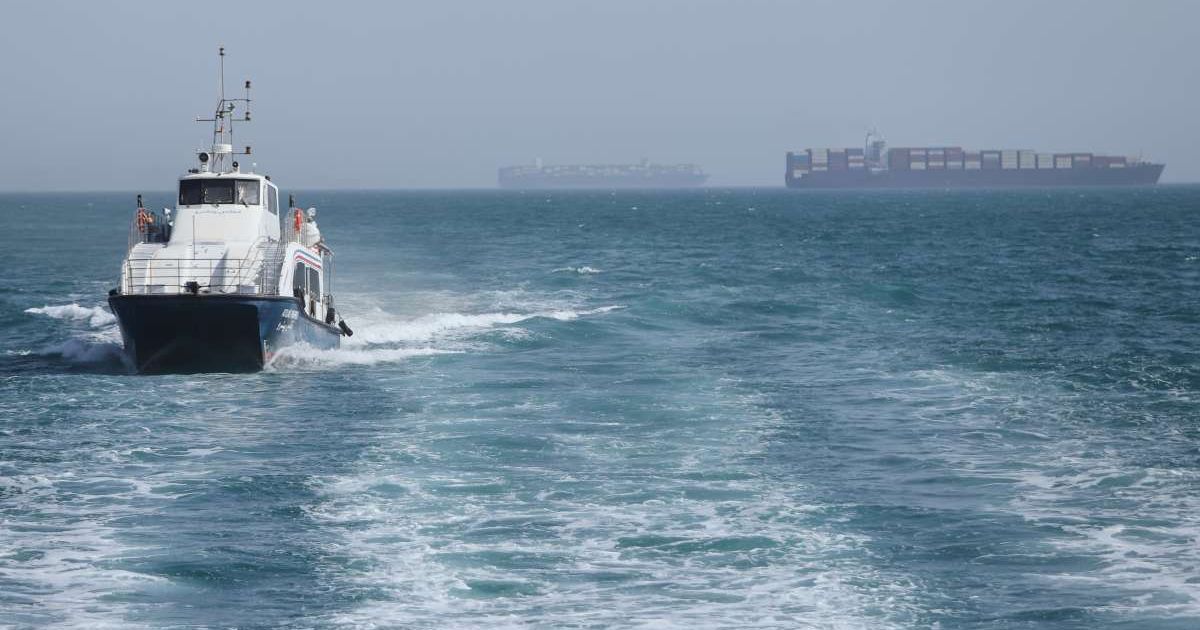
WASHINGTON, DC: Tensions in the Strait of Hormuz sharply escalated on Monday, May 4, after the United States military destroyed six Iranian vessels in response to what it described as a coordinated attack involving missiles, drones and fast-moving boats.
According to US Central Command Chief Bradley Cooper, Iranian forces launched “multiple cruise missiles, drones, and small boats” targeting US Navy ships as well as commercial vessels operating under American protection in the region.
The US response was swift and forceful, with American Apache attack helicopters and SH-60 Seahawk naval helicopters engaging and destroying the Iranian boats in the narrow and strategically vital waterway.
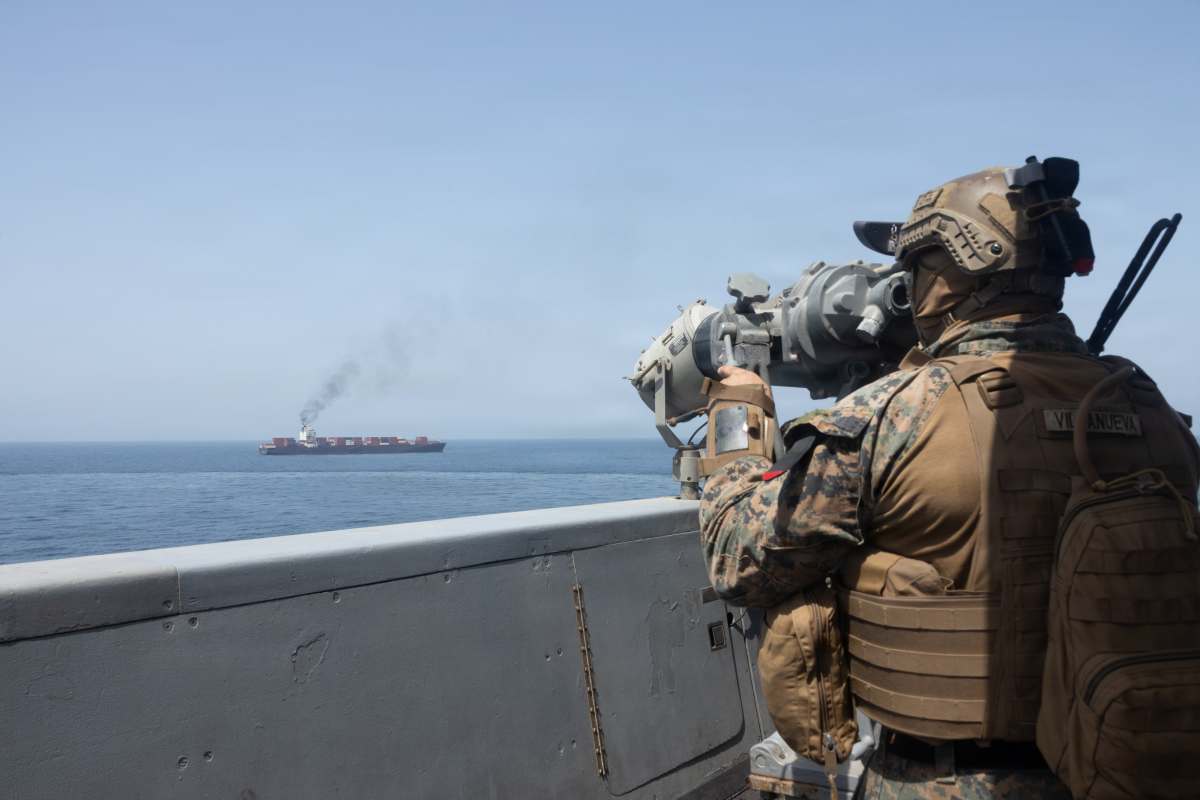
Multi-layered defense and not traditional escorts
Cooper emphasized that the US Navy is not conducting traditional one-on-one escort missions for commercial shipping through the strait, instead deploying a broader, layered defense architecture.
“If you’re escorting a ship, you’re playing kind of one-on-one,” he said, explaining that US forces are relying on an integrated system that includes warships, helicopters, fixed-wing aircraft, airborne early warning systems and electronic warfare capabilities.
This approach, he suggested, offers a more robust shield against the evolving threats posed by Iranian tactics, which increasingly rely on a mix of asymmetric tools such as drones and fast attack craft.

'One-way' corridor opened for stranded ships
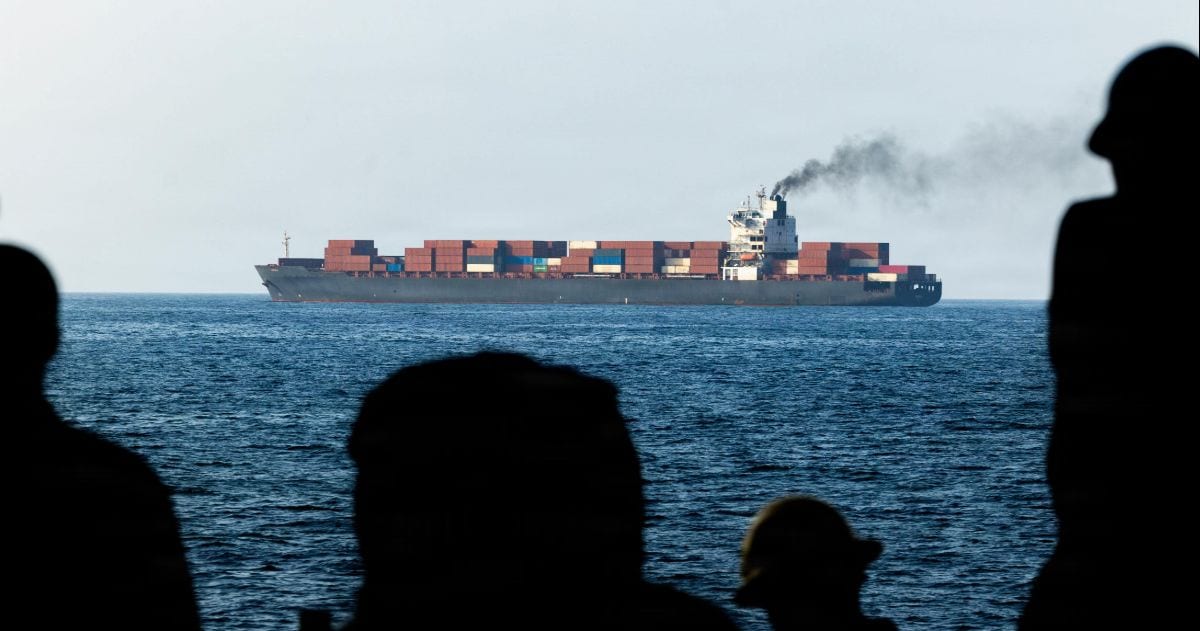
Amid the confrontation, the US military has established what Cooper described as a “one-way” transit corridor through the Strait of Hormuz. The route is intended to allow commercial vessels stranded for weeks in the Persian Gulf to exit the area safely.
Many ships have been effectively immobilized due to the heightened risk of attack and the broader standoff between Washington and Tehran.
While the US has not disclosed how many vessels have successfully used the newly cleared lane, the move is seen as an attempt to restore at least partial flow through the critical maritime chokepoint.
The Strait of Hormuz is one of the world’s most important corridors, with a significant share of global energy supplies passing through it daily.

Rising risks for global shipping
The latest exchange points to the growing volatility in the region, where military confrontation and commercial navigation are increasingly intertwined.
Iran’s use of missiles, drones and small boats highlights its strategy of leveraging asymmetric warfare to challenge US naval dominance, while Washington’s response signals a willingness to escalate militarily to secure maritime routes.
Shipping companies remain on edge, with insurers and operators closely monitoring the situation as risks to vessels and crews mount.
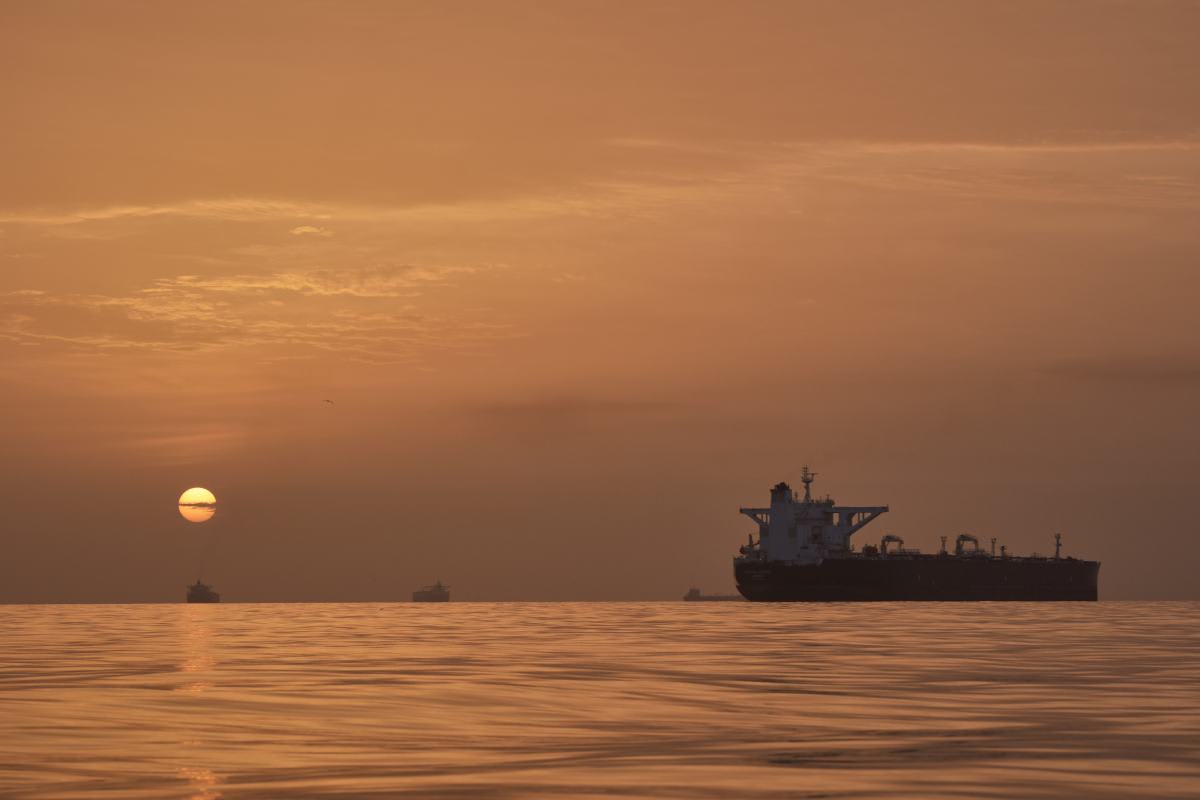
The confrontation comes at a time of already heightened geopolitical tensions, with broader disputes involving Iran, the United States and their allies feeding into instability across the Middle East.
Any prolonged disruption in the Strait of Hormuz could have far-reaching consequences for global energy markets, potentially driving up oil prices and impacting supply chains worldwide.