Germany says it shares ‘common goal’ with US on Iran after minister’s Tehran call
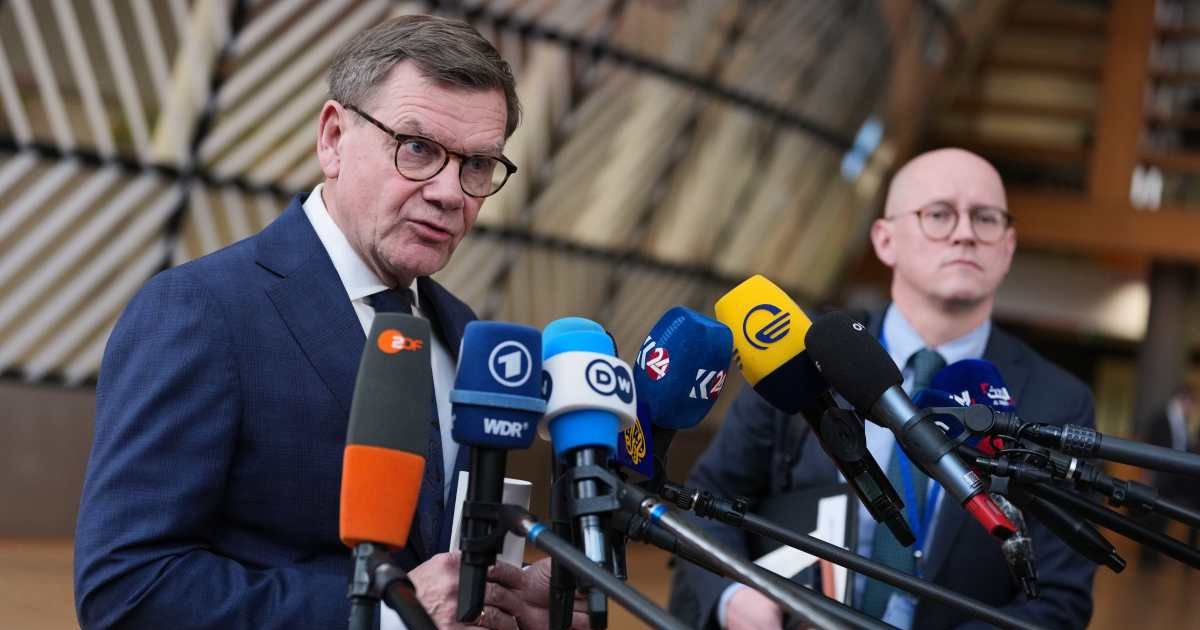
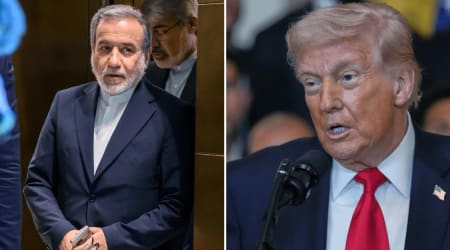
BERLIN, GERMANY: Germany’s foreign minister Johann Wadephul said on Sunday, May 3, Berlin and Washington remain aligned on their objectives regarding Iran, following a phone call with Iranian Foreign Minister Abbas Araghchi as diplomatic efforts continue to seek an end to the conflict.
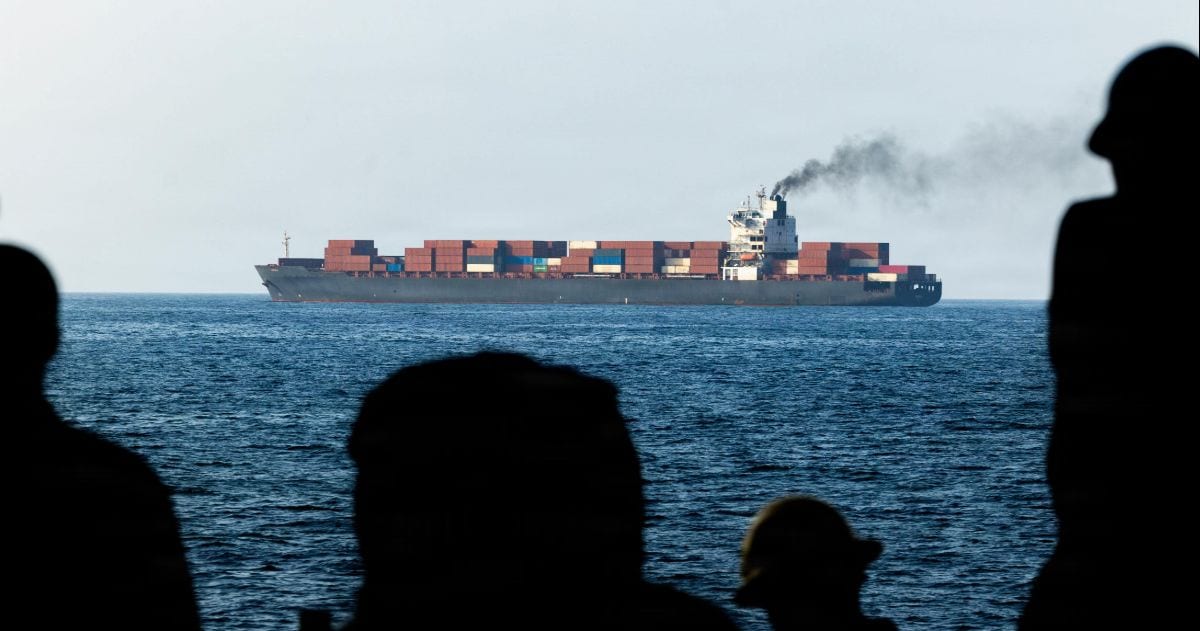
Wadephul said Germany supports a negotiated settlement but reiterated demands that Iran abandon its nuclear weapons ambitions and reopen the Strait of Hormuz.
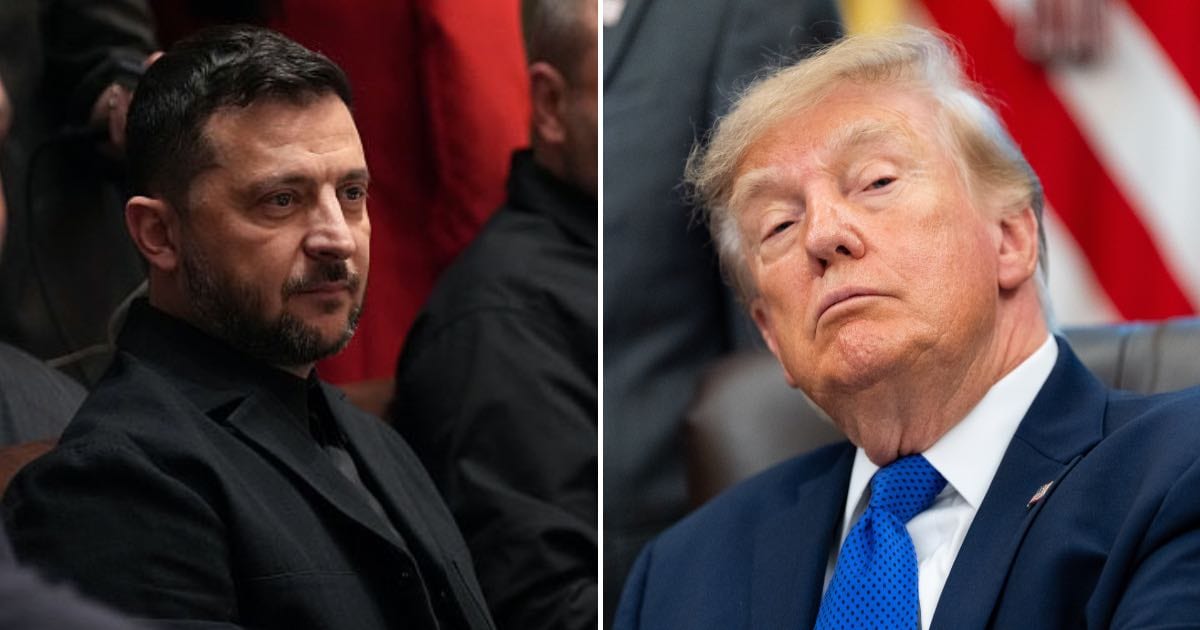
The remarks come at a sensitive moment in US-German relations, as President Donald Trump signaled a deeper reduction of US troop levels in Germany amid a widening political dispute with Chancellor Friedrich Merz.
Germany backs negotiations, on Iran demands
Wadephul said that he urged Iran to pursue negotiations in a call with his Iranian counterpart, Abbas Araghchi, while stressing that Berlin and Washington remain aligned on key strategic objectives. “I emphasized that Germany supports a negotiated solution,” Wadephul wrote in a post on X after the call.
“As a close US ally, we share the same goal: Iran must completely and verifiably renounce nuclear weapons and immediately open the Strait of Hormuz,” he added.
The statement places Germany in clear alignment with the United States on two of the central issues in the ongoing crisis: Iran’s nuclear programme and maritime access through the Strait of Hormuz, a key global oil transit route.
Im Telefonat mit @araghchi habe ich unterstrichen: 🇩🇪 unterstützt eine Verhandlungslösung. Als enger US-Verbündeter teilen wir das gleiche Ziel: Iran muss vollständig & nachprüfbar auf Kernwaffen verzichten & die Straße von Hormus sofort freigeben, wie es auch @SecRubio fordert.
— Johann Wadephul (@AussenMinDE) May 3, 2026
Araghchi gave only a brief account of the call, saying discussions focused on regional and international developments.
The call came as Iran continues to press diplomatic proposals aimed at ending the war, though its latest proposal reportedly leaves nuclear discussions for a later phase.

The exchange also comes amid a public dispute between German Chancellor Friedrich Merz and Trump.
Merz earlier said Iran was “humiliating” Washington in negotiations, comments that prompted sharp responses from the White House.
Trump says US troop presence in Germany to be reduced
Trump said on Saturday, May 2, that the United States would significantly scale back its military presence in Germany, going beyond the Pentagon’s previously announced withdrawal of 5,000 troops.
“We’re going to cut way down. And we’re cutting a lot further than 5,000,” Trump said.
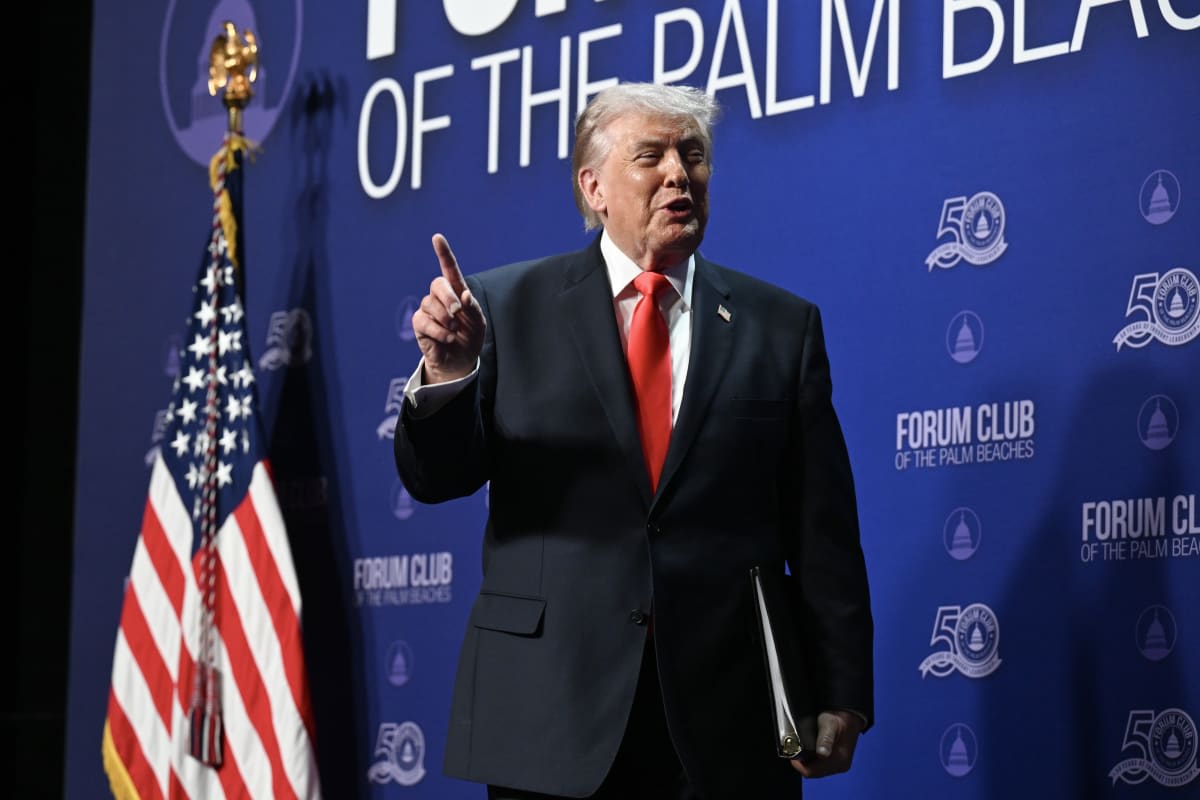
The announcement marked an escalation in tensions between Washington and Berlin, with the troop reduction seen by US defense officials as part of broader frustration over the level of European support during the Iran conflict.
Trump has repeatedly criticized Germany and other NATO allies for what he views as insufficient military and strategic support during the US-Iran conflict.
The administration has also signaled broader economic pressure on Europe, including higher tariffs on imported EU vehicles.