Trump tells Friedrich Merz to fix his 'broken country' after German leader questioned Iran plans
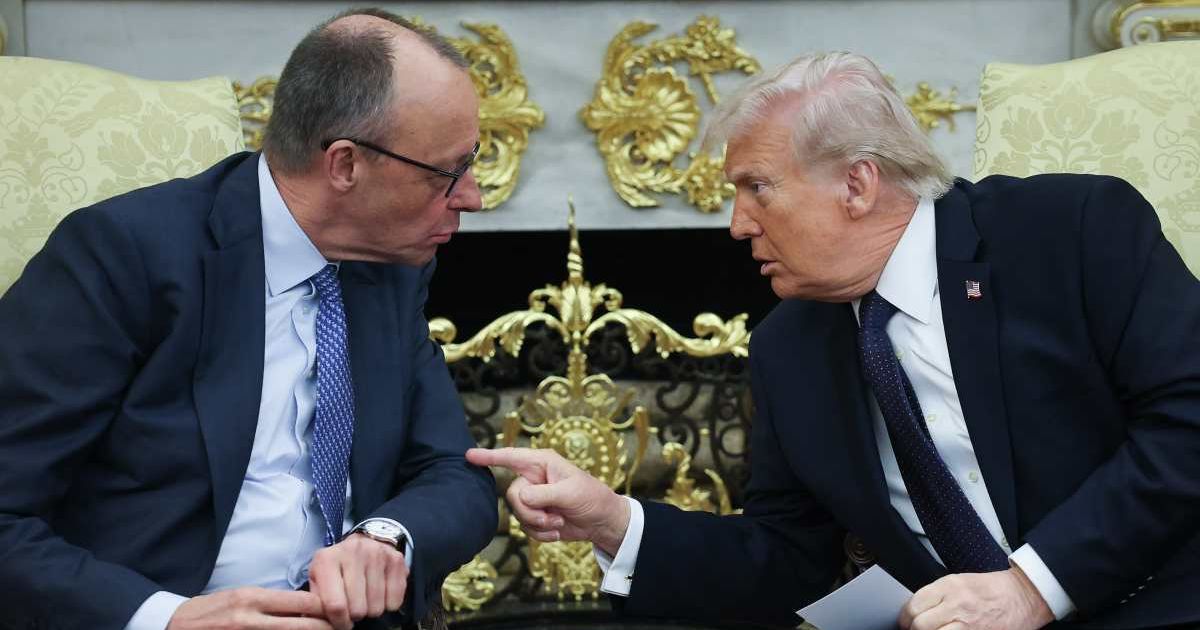
WASHINGTON, DC: President Donald Trump sharply criticized German Chancellor Friedrich Merz on Thursday, April 30, escalating a growing diplomatic dispute over the ongoing Iran conflict and broader Western strategy in the Middle East.
Trump accused Merz of focusing on US actions against Iran instead of addressing Germany’s domestic challenges and Europe’s role in the Russia-Ukraine war.
The remarks followed comments Merz made earlier this week, questioning Washington’s strategy toward Tehran and suggesting Iran had out-maneuvered US diplomacy.
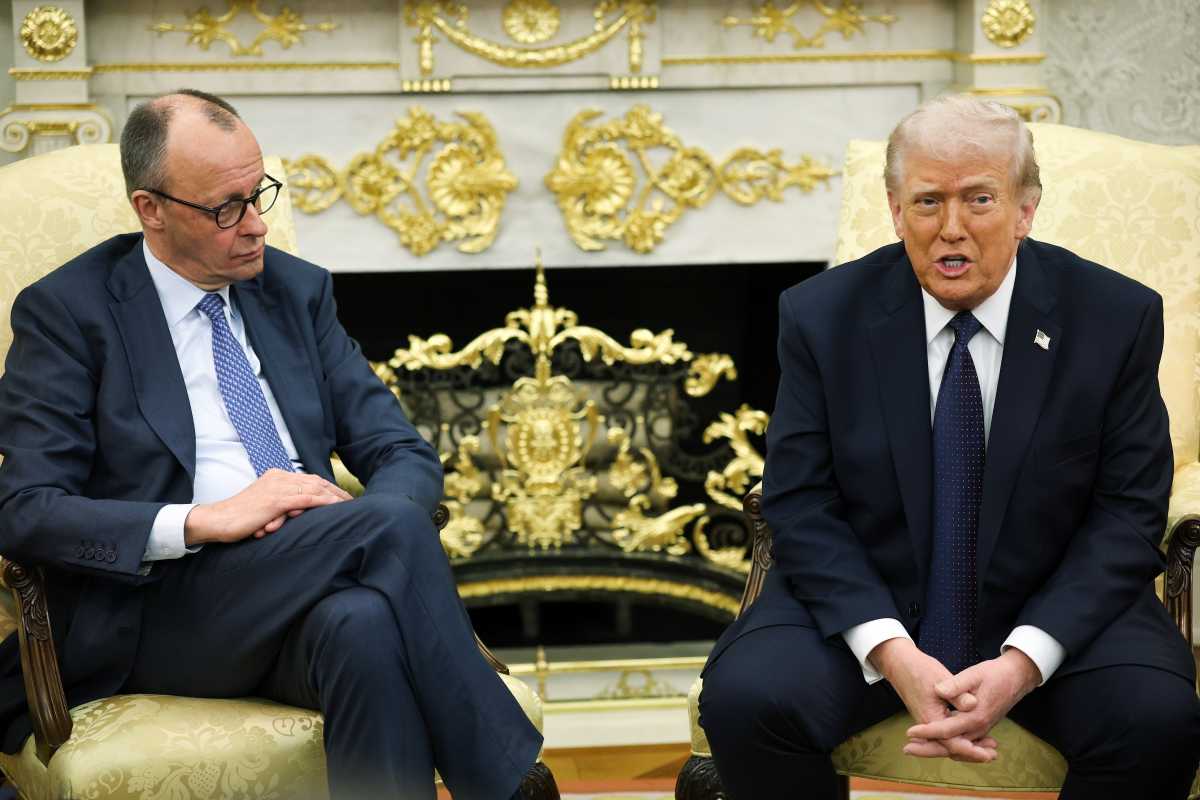
Trump attacks Friedrich Merz over Iran and Ukraine criticism
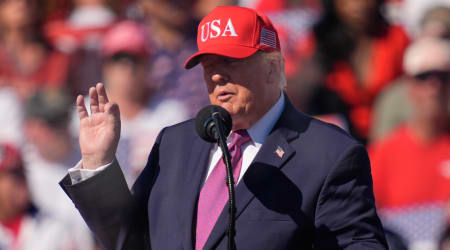
Trump directly responded to Merz in a Truth Social post, criticizing the German leader’s handling of the Russia-Ukraine conflict and domestic issues.
“The Chancellor of Germany should spend more time on ending the war with Russia/Ukraine (Where he has been totally ineffective!), and fixing his broken Country, especially Immigration and Energy, and less time on interfering with those that are getting rid of the Iran Nuclear threat, thereby making the World, including Germany, a safer place!” Trump wrote.
Trump’s criticism came after Merz told students in Germany earlier this week that the United States appeared to lack a clear strategic plan in dealing with Tehran.
Merz also pointed to failed diplomatic efforts involving proposed talks in Islamabad, where US envoys were reportedly withdrawn after no progress was made.
“Especially since the Iranians are negotiating very skillfully, or rather, very skillfully not negotiating,” Merz said, referring to Tehran’s diplomatic tactics.
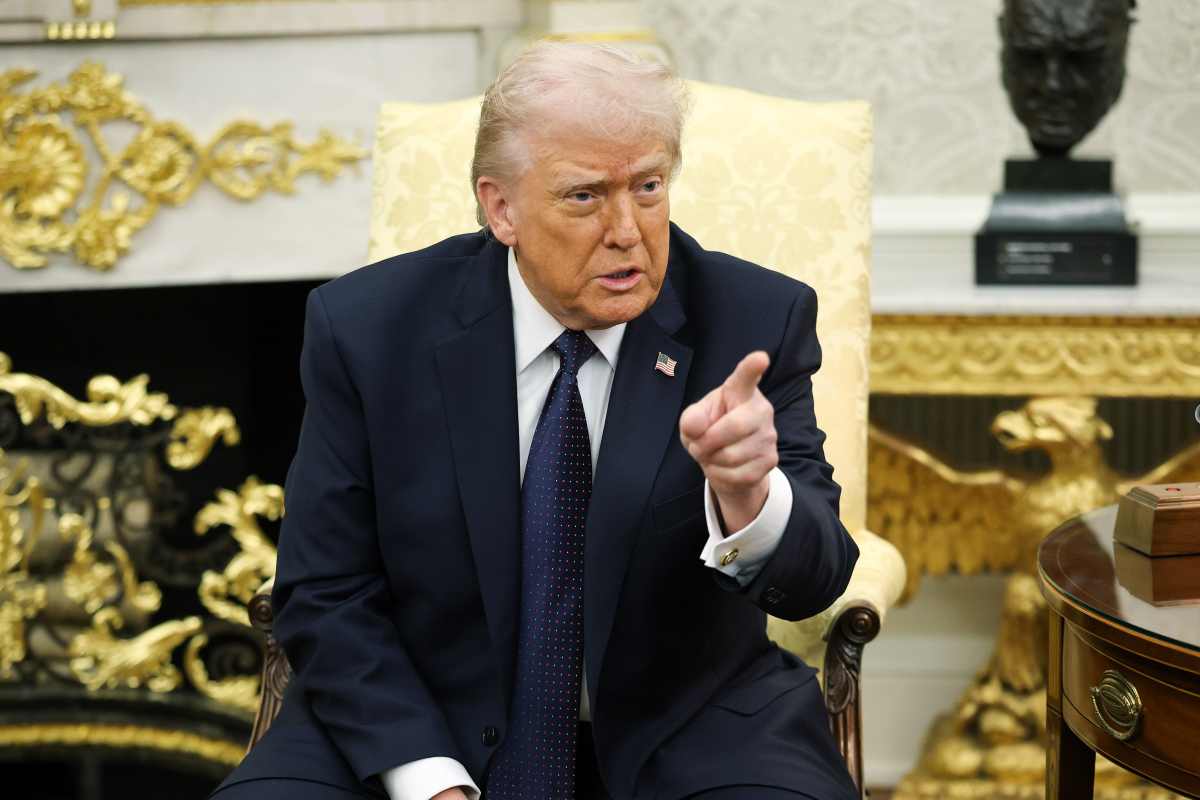
Trump had already criticized Merz earlier in the week, accusing him of misunderstanding the risks posed by Iran’s nuclear ambitions.
“He doesn’t know what he’s talking about!” Trump wrote in a separate post, reiterating his view that preventing Iran from acquiring nuclear weapons remains central to US policy.
Energy concerns and alliance strains grow
Despite the sharp exchange, Merz sought to downplay tensions on Wednesday, saying his relationship with Trump remained stable even as he maintained concerns about the direction of the Iran conflict.
“From my perspective, my personal relationship with the US president remains good,” Merz told reporters, while reiterating that he had doubts about the military and diplomatic path chosen in the conflict.
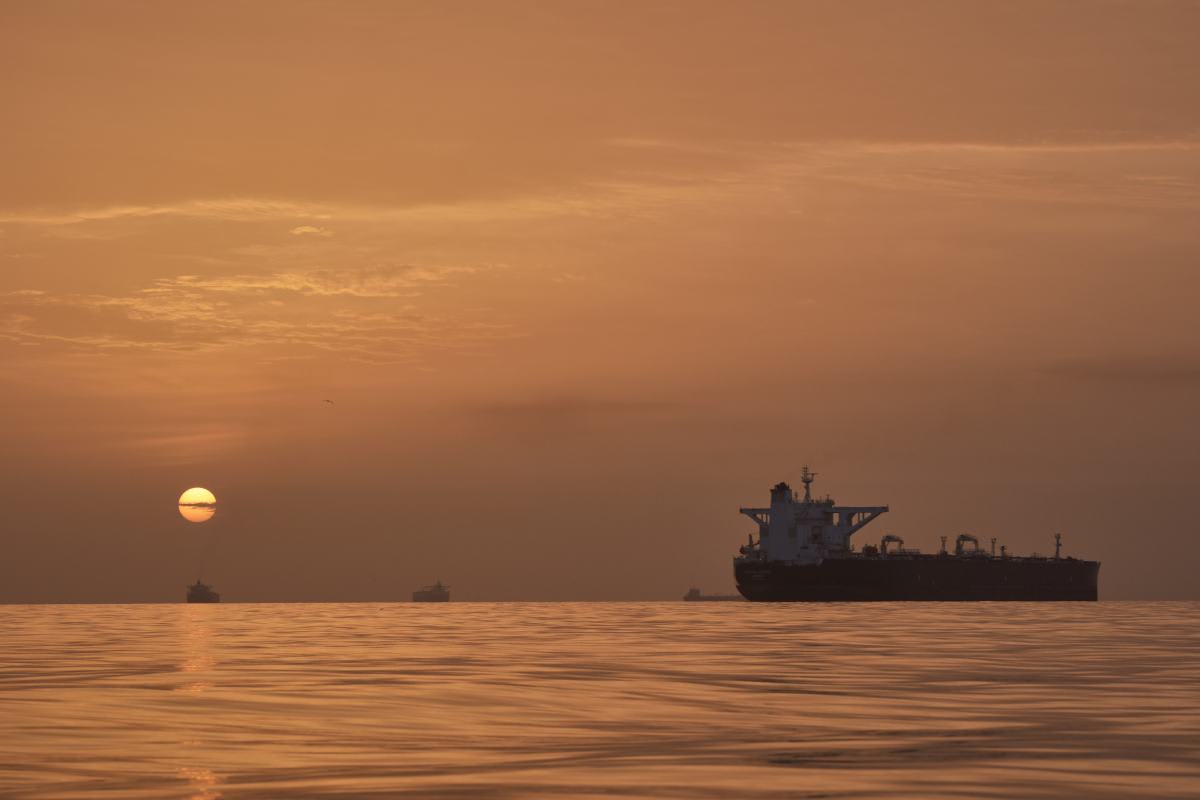
Merz also highlighted the broader economic consequences of the war, particularly for Europe, where the disruption of shipping through the Strait of Hormuz has added pressure to energy markets.
The waterway previously handled roughly one-fifth of the world’s oil supply, making its closure a significant concern for European economies reliant on Gulf exports.
“This has a direct impact on our energy supply and a huge impact on our economic performance,” Merz said.
Germany has indicated it could support post-conflict efforts to secure maritime routes, with Merz saying Berlin would consider deploying minesweepers to help reopen the strait once fighting ends.
Trump, however, has defended the blockade strategy as an effective tool to pressure Tehran into concessions.
Speaking on Wednesday, he said the strategy had weakened Iran’s economy and insisted the next move belonged to Tehran. “Now, they have to cry uncle; that’s all they have to do. Just say, ‘We give up,’” Trump said.