EU moves toward sanctions on Iran over Strait of Hormuz blockade, citing navigation threat

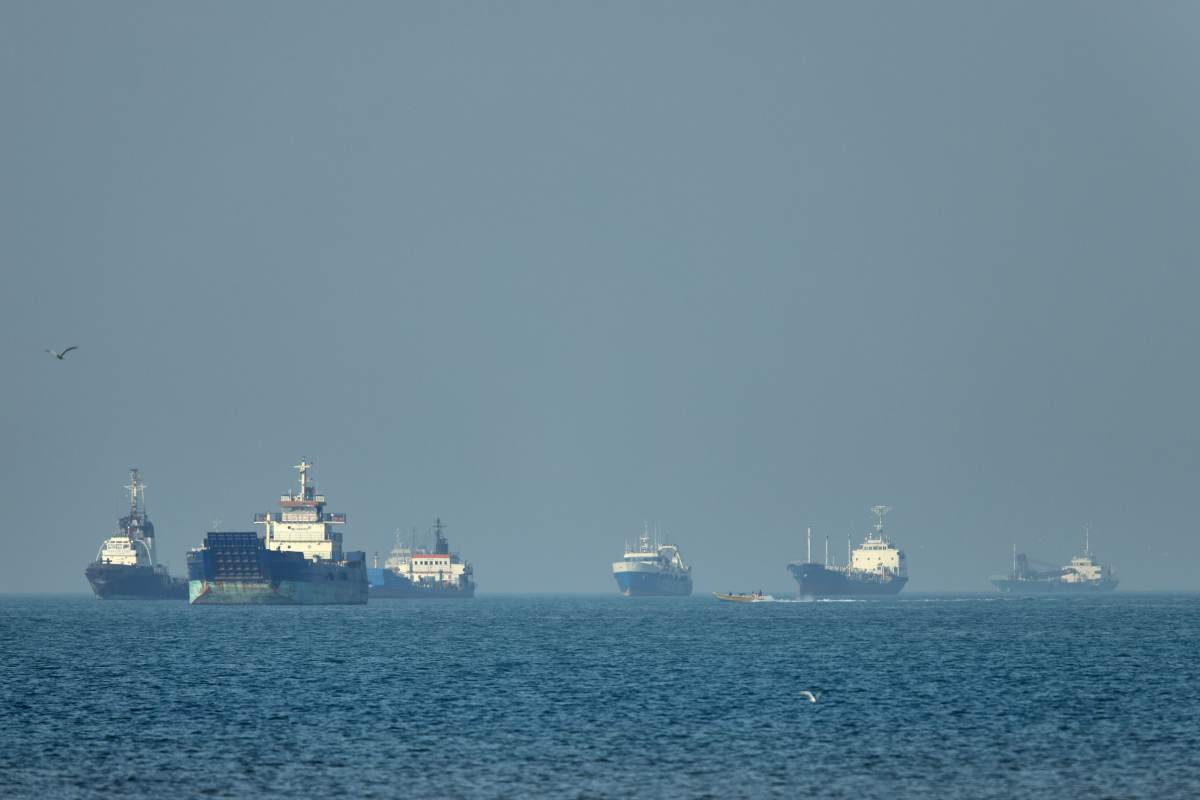
BRUSSELS, BELGIUM: European Union nations moved decisively on Friday, May 22, toward imposing punitive measures on Iranian officials and entities deemed responsible for orchestrating the blockade of the Strait of Hormuz.
Deeming the ongoing maritime trade restrictions to be entirely contrary to international law, EU governments took a vital technical step to fundamentally broaden the scope of their existing sanctions architecture.
Iran's actions against vessels transiting through the Strait of Hormuz are contrary to international law.
— EU Council (@EUCouncil) May 22, 2026
📢 From now on, the EU will be able to sanction individuals and entities threatening freedom of navigation in the Middle East.
Read more: https://t.co/IxmxvfCi55 pic.twitter.com/pfXXcXPbAA
"The E.U. will now be able to introduce further restrictive measures in response to Iran's actions undermining the freedom of navigation in the Strait of Hormuz," the European Council stated.
Previously, Brussels' targeted penalties focused on penalizing Tehran’s military support for Russia’s war in Ukraine, its backing of regional armed groups, and internal human rights violations.
The updated framework directly shifts European economic levers to address international shipping interference.
New framework enables targeted sanctions
The newly enacted technical expansion allows European authorities to rapidly list individuals responsible for the maritime chokepoint shutdown under their active enforcement matrix.
While the European Council did not immediately name the specific officials or entities to be penalized, the core structure of the incoming penalties is fully established.
Once finalized, the upcoming restrictive measures will consist of strict international travel bans and comprehensive asset freezes across European jurisdictions.
Furthermore, the updated mandate enforces a total prohibition on all EU citizens and domestic companies, banning them from making funds, financial assets, or any other economic resources available to those placed on the list.
Brussels condemns maritime curbs
The rapid realignment of European trade controls underscores growing international frustration over the shipping shutdown.
By legally designating the blockade as a direct violation of established global maritime laws, European leadership is preparing a unified economic front to pressure decision-makers in Tehran.
The upcoming asset seizures aim to target individuals who are directly profiting from or orchestrating the disruption of free transit through the global waterway.