Gabbard drops intel bomb on US-funded biolabs, warns of dangerous pathogen research
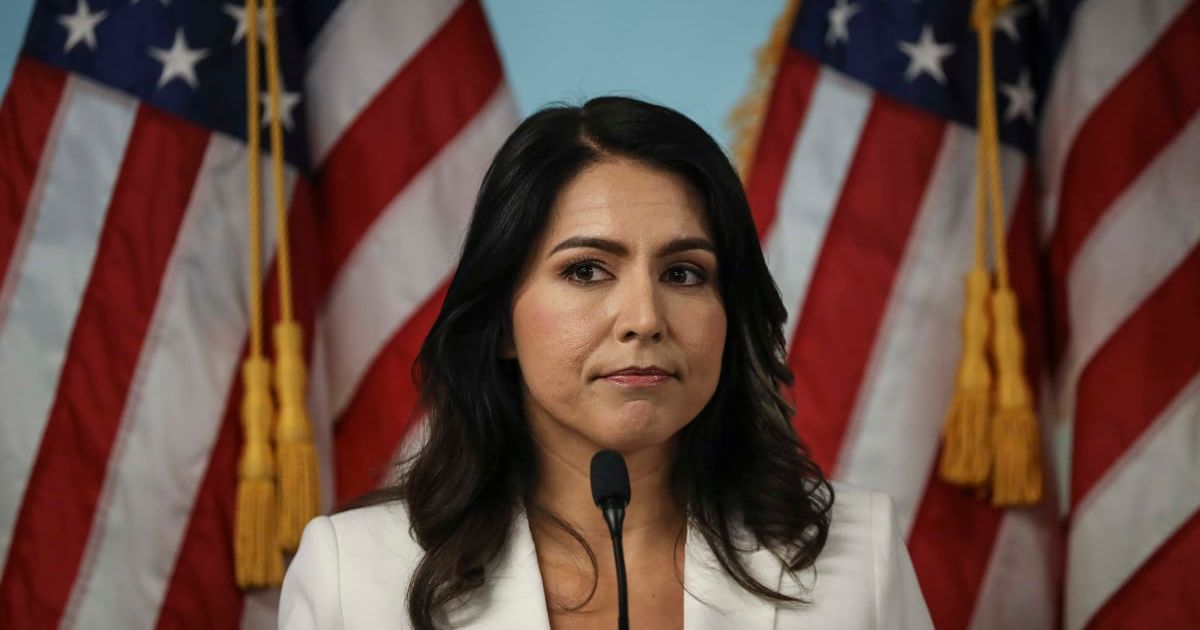
WASHINGTON, DC: Outgoing Director of National Intelligence Tulsi Gabbard ignited a fresh political firestorm on Friday, June 12, after unveiling what she described as evidence showing that the US government funded more than 120 biological laboratories across over 30 countries while powerful figures allegedly worked to keep the scope of those programs hidden from public scrutiny.
In a blistering statement, Gabbard accused government officials, public health leaders and members of the previous administration of misleading Americans about the existence and activities of taxpayer-funded biolabs, arguing that legitimate questions were dismissed for years instead of being openly addressed.
Today, I’m releasing never before seen intelligence revealing new evidence of past US government funding for more than 120 biolabs in over 30 countries, including Ukraine.
— DNI Tulsi Gabbard (@DNIGabbard) June 12, 2026
In support of President Trump‘s Executive Order to end federal funding of dangerous gain of function… pic.twitter.com/RkPHnAbka9
Tulsi Gabbard alleges years of secrecy
Rather than focusing solely on the labs themselves, Gabbard directed much of her criticism at what she characterized as a coordinated effort to downplay or deny their existence.
According to her statement, information regarding the laboratories was “knowingly withheld” from the public, while individuals raising concerns were branded as conspiracy theorists, foreign agents or threats to national security.
“Despite the obvious potential for catastrophic global impact,” Gabbard said, politicians, health officials and members of the previous administration's national security apparatus allegedly misled Americans about the extent of US-backed biological research programs.
Her remarks represent one of the strongest public accusations yet from a senior Trump administration official regarding the handling of information tied to biological research facilities overseas.

Ukraine emerges as a major focus
Among the most sensitive revelations highlighted by Gabbard were laboratories located in Ukraine.
She warned that facilities operating in an active conflict zone create unique security concerns, particularly if dangerous pathogens are stored within reach of military operations, sabotage attempts or territorial seizures.
According to information released by her office, dozens of Ukrainian facilities contained collections of disease-causing pathogens and biological materials dating back to the Soviet era.
Gabbard argued that ongoing instability in the region raises legitimate questions about safeguarding those materials during wartime.

The disclosure also thrusts gain-of-function research back into the spotlight.
Gabbard said some of the laboratories funded through US-backed programs were involved in research connected to highly infectious pathogens and operated with insufficient public visibility.
The materials released by Gabbard's office also pointed to cooperation between foreign laboratories and a network of American institutions.
Government agencies and multiple US universities were listed as participants in various scientific partnerships involving infectious disease research.
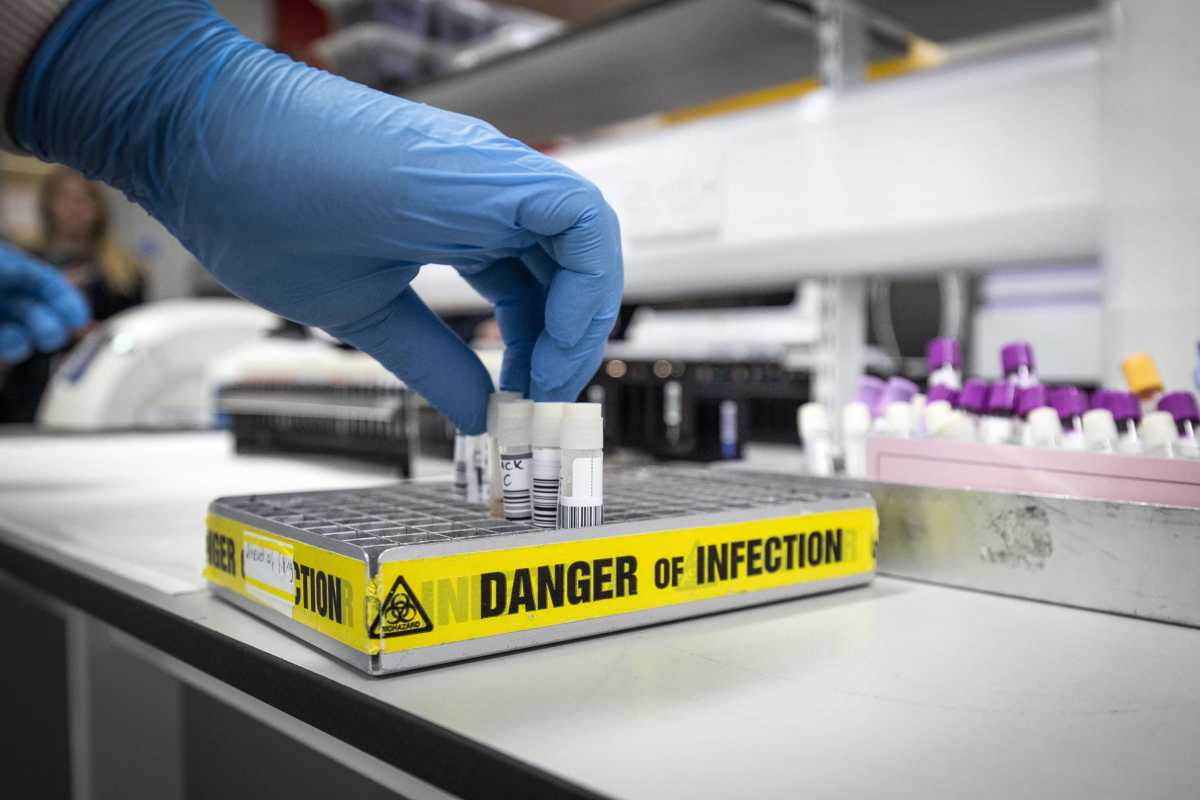 Clinical support technician Douglas Condie extracts viruses from swab samples so that the genetic structure of a virus can be analysed and identified in the coronavirus testing laboratory at Glasgow Royal Infirmary, Glasgow (Jane Barlow/PA Images via Getty Images)
The issue has become a growing priority for the Trump administration following the president's executive order restricting federal support for certain high-risk pathogen research projects.