RFK Jr drops bombshell on secret CDC ‘biosurveillance’ system, experts sound alarm
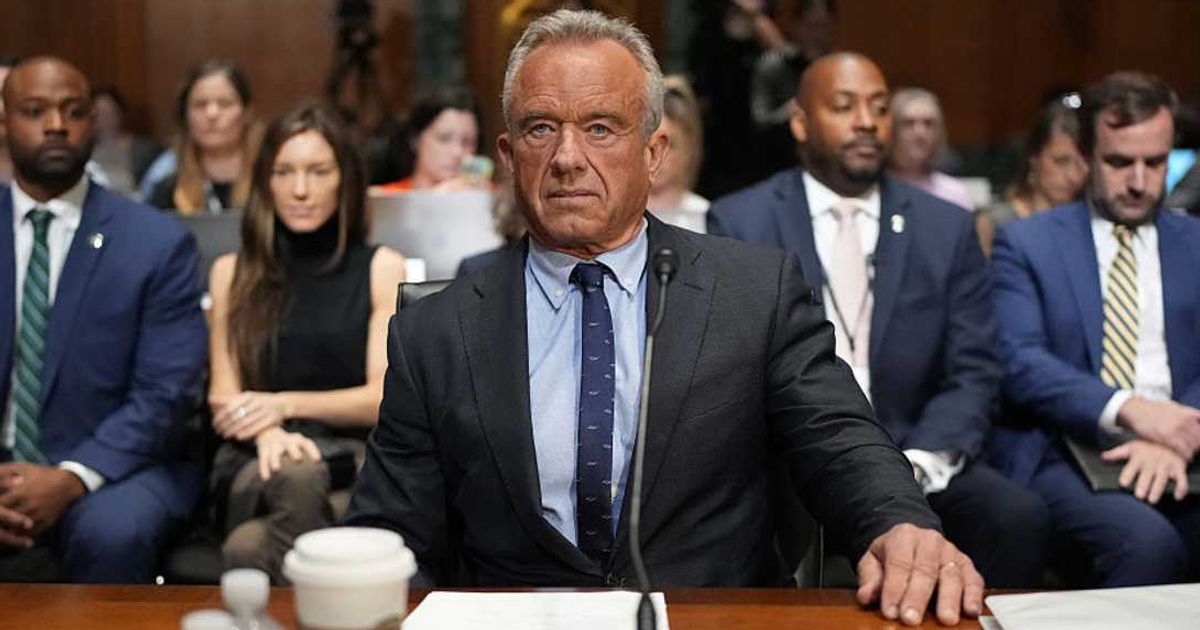
WASHINGTON, DC: Health and Human Services Secretary Robert F Kennedy Jr set off alarm bells after casually outing a mysterious “biosurveillance” program buried inside his own agency.
“I literally wondered what he was talking about,” Giga Gronvall, a Johns Hopkins Bloomberg School of Public Health professor who’s written extensively on synthetic biology, told NOTUS.
RFK Jr's surprise reveal on Biothreat Radar Detection System
It all started last week when RFK Jr dropped an op-ed in The Wall Street Journal, vowing to “restore public trust” in the CDC, which sits under his department.
Buried in the piece was a mention of a never-before-publicized gadget. RFK Jr spoke of the “Biothreat Radar Detection System,” describing it as an “advanced early-detection tool” for spotting pathogens before they spiral out of control.
“The CDC also now operates in 63 countries, monitoring biothreats before they reach our shores,” he wrote. “Its Biothreat Radar Detection System—an advanced early-detection tool—can spot pathogens like H5N1 or MERS early enough to prevent catastrophe."
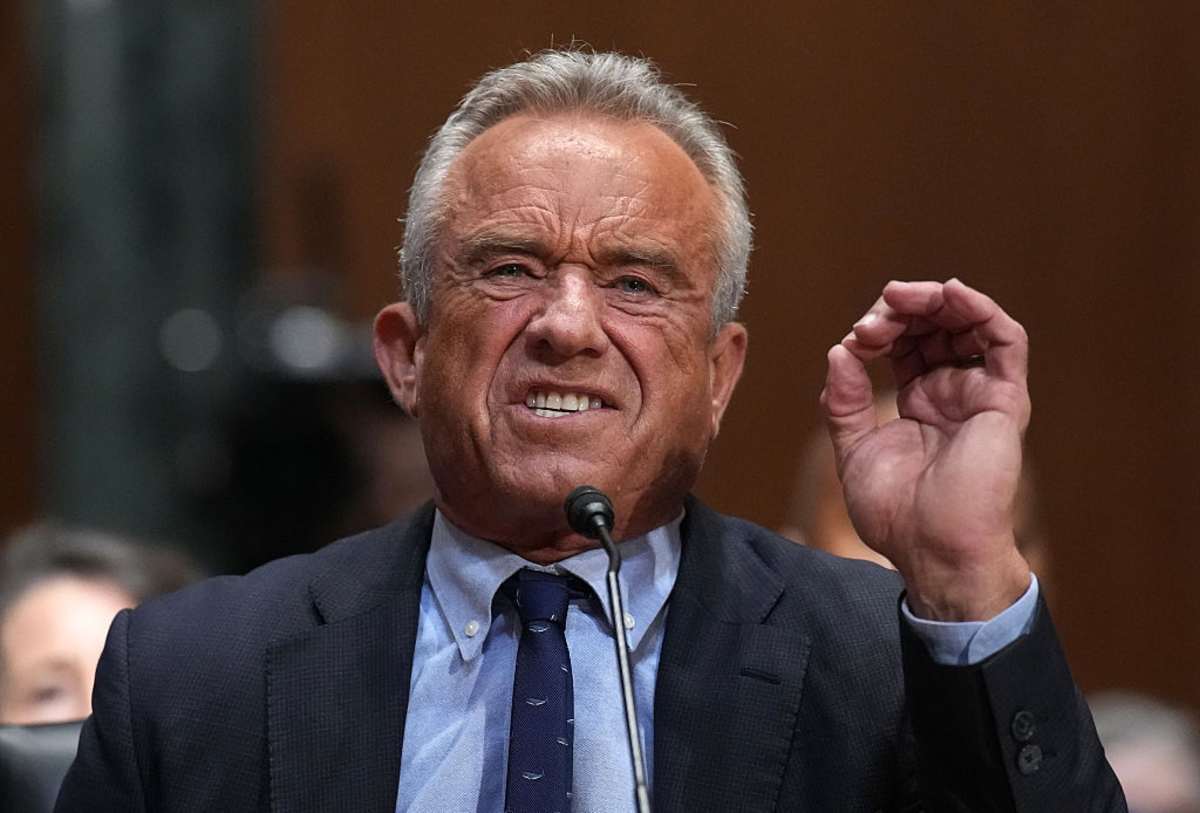
Turns out the idea isn’t new. The CDC’s 2026 fiscal budget references a Biothreat Radar Program that would use artificial intelligence to sniff out dangerous pathogens, building off advances in molecular detection to “rapidly identify emerging threats.”
The problem is that Congress hasn’t approved a budget yet, and NOTUS says there’s no evidence the radar program is actually funded.
Confusion inside the CDC
Even the CDC itself seems to be scratching its head. An anonymous staffer told NOTUS that while some in the biosurveillance wing knew there’d been chatter about a “biothreat radar,” nobody had seen the thing in action.
But RFK Jr apparently gave his own agency a heads-up days before his WSJ piece. “We will soon launch the Biothreat Radar Detection System to detect threats like H5N1 and MERS before they spread, strengthening our defenses against future pandemics," he wrote in an August 28 email to CDC employees, four days before the op-ed dropped.
The department didn’t answer directly when the Daily Beast pressed them about the supposed program, but instead described what the project is supposed to look like.
“The Biothreat Radar Detection System is a project designed to combine new technological capability with automated result interpretation by artificial intelligence systems,” an HHS official said. “Early systems for this exist and will serve as the base for an expanded effort, but the digitalized data will be subjected to higher-order processing to enhance sensitivity and automatic warning on a large national public health scale.”
HHS spokesperson Emily Hilliard offered NOTUS the same line about blending “new technological capability with automated result interpretation by artificial intelligence systems.”
Experts cry foul
That’s the part that set off red flags.
“There’s peril involved in that,” warned Jennifer Nuzzo, director of the Pandemic Center at Brown University’s School of Public Health, in her chat with NOTUS. She pointed to America’s checkered history of health-based immigration rules.
“It used to be that you couldn’t immigrate to the United States if you had HIV. Those rules were changed about 10 years ago, but you could imagine the same kind of tendencies that created that rule in the first place being misapplied," she said.
Others worried the system could be less “radar” and more “magic eight ball.” After budget cuts under the Donald Trump administration to public health and foreign aid, the data might not even exist for AI to analyze.
“AI can only give you an accurate analysis if you put real data into it to analyze,” Gronvall insisted. “The drastic cuts in actual surveillance that will affect all levels – international, states, local – will leave AI with nothing but hallucinations.”