Ro Khanna sees 'Epstein Files Transparency Act' as turning point for bipartisan accountability
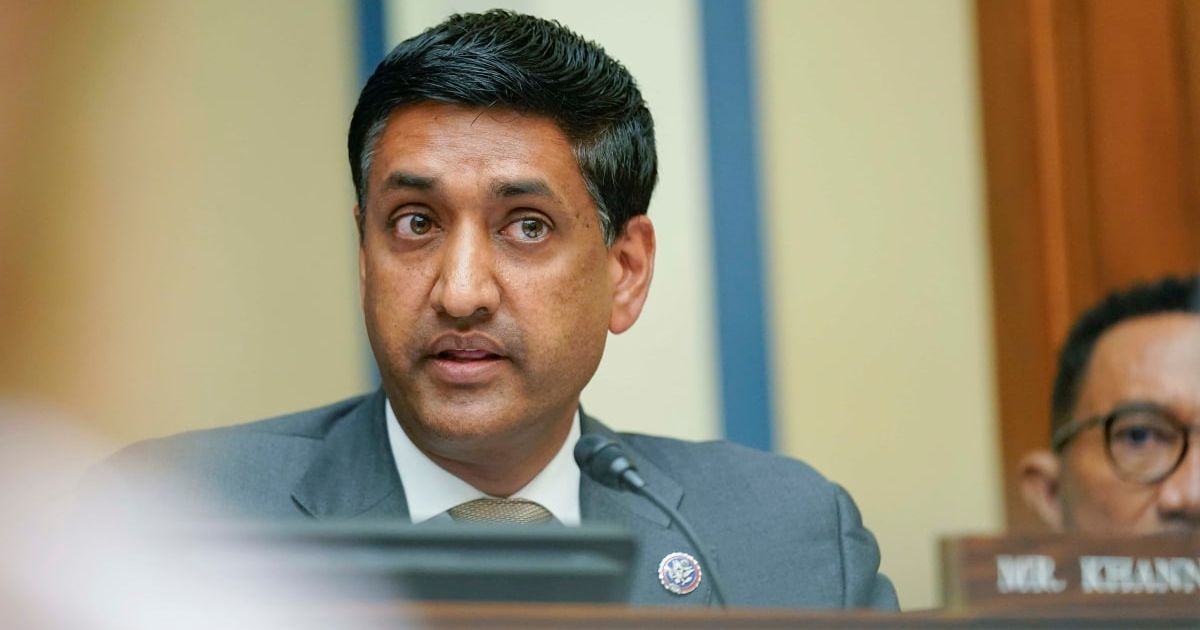
WASHINGTON, DC: Rep Ro Khanna, a Democrat from California, said that the release of records under the 'Epstein Files Transparency Act' marks a significant moment for public accountability, as the Justice Department met the law’s December 19 deadline to publish thousands of previously sealed documents.
Khanna said that the document release reflects broader concerns about elite accountability and transparency, themes he has increasingly emphasized in his legislative work.
The congressman also framed the passage of the Epstein legislation as evidence of a political strategy centered on bipartisan cooperation outside of traditional party leadership structures.
Ro Khanna finds 'common ground' with GOP lawmakers
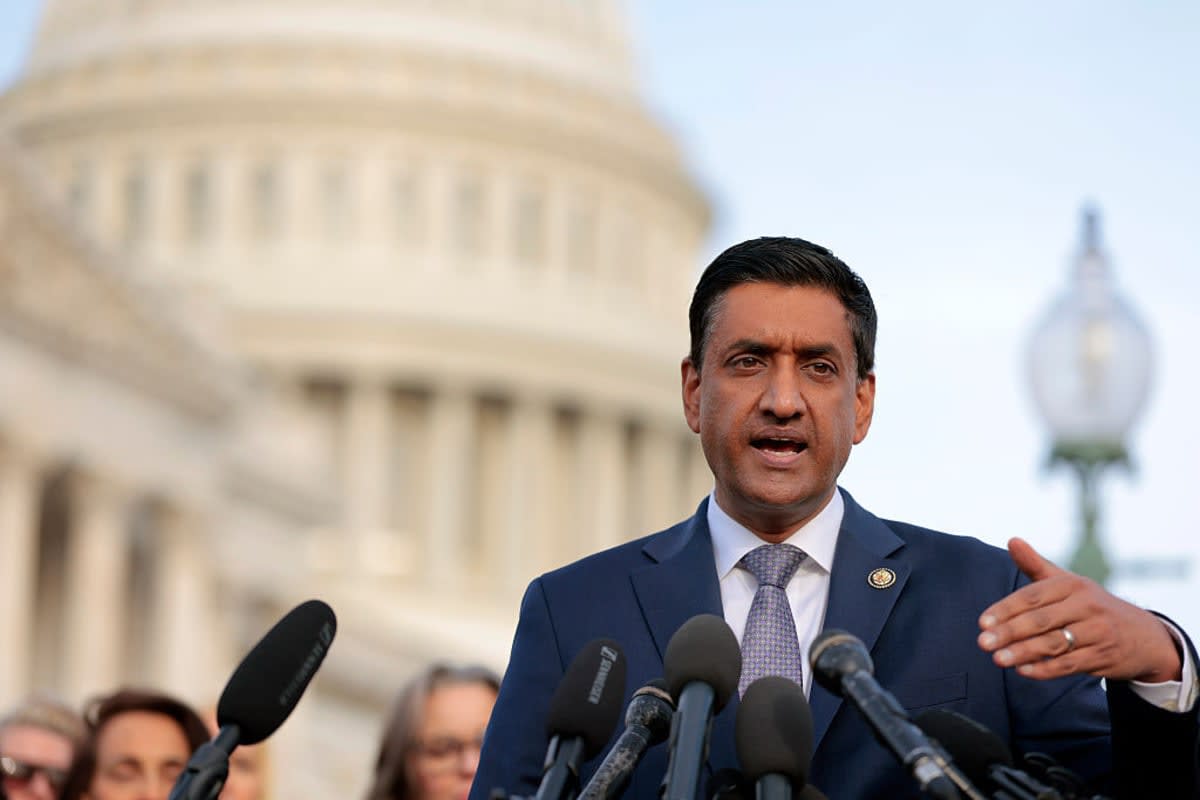
Khanna said his approach to bipartisan deal-making differs from conventional efforts that focus on the political center.
He said that cooperation is more likely among lawmakers on the ideological left and right who share skepticism toward entrenched institutions.
"The places where you can find common ground is not on incremental policy," Khanna said. "It also happens at the edges."
That approach has led Khanna to work with Republican lawmakers, including Reps Thomas Massie and, before her resignation, Marjorie Taylor Greene, on issues involving civil liberties, war powers, and government transparency.
The 'modern FDR coalition'
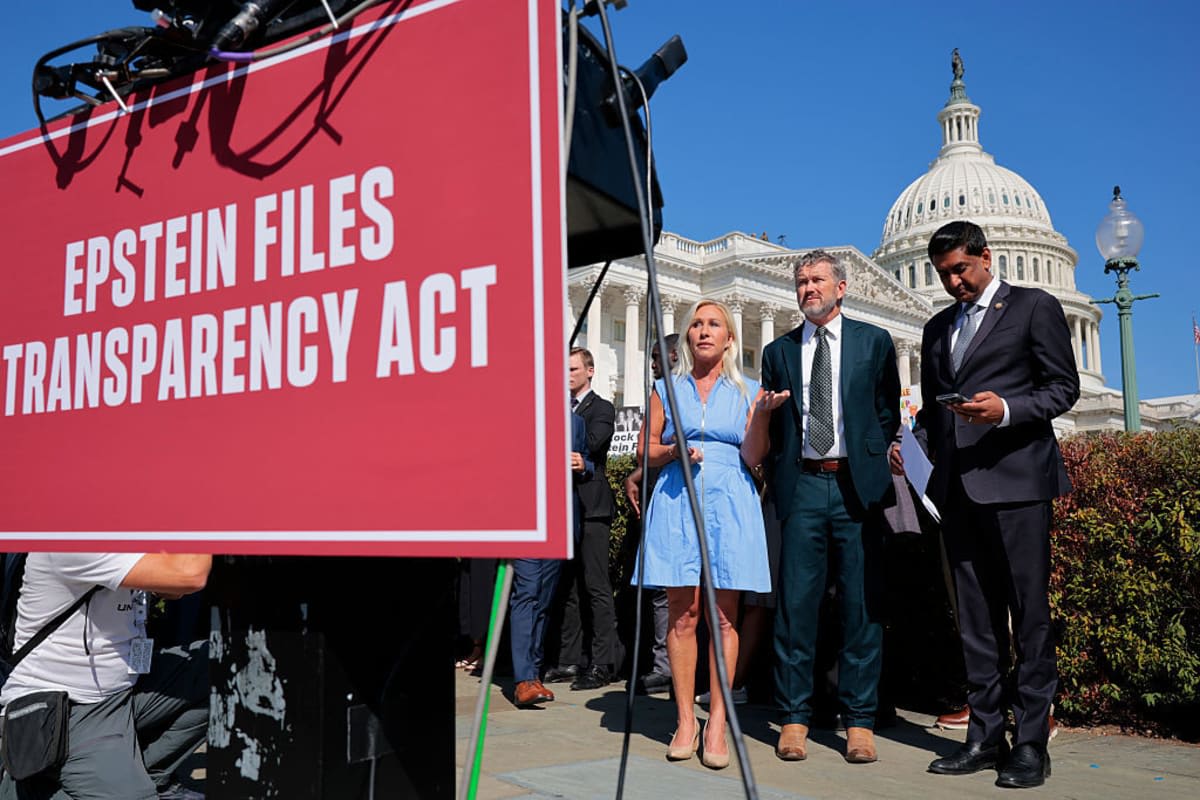
Khanna described his legislative priorities as part of what he calls a "modern FDR coalition," built around domestic economic investment, restraint in foreign military engagements, and accountability for powerful institutions.
He said that the framework is intended to appeal across ideological lines, including to progressive voters and conservatives critical of overseas intervention and corporate influence.
"This is how we build coalitions to fundamentally change the economic and political structure that has shafted the working class," Khanna said.
Ro Khanna cites proofs of bipartisan success
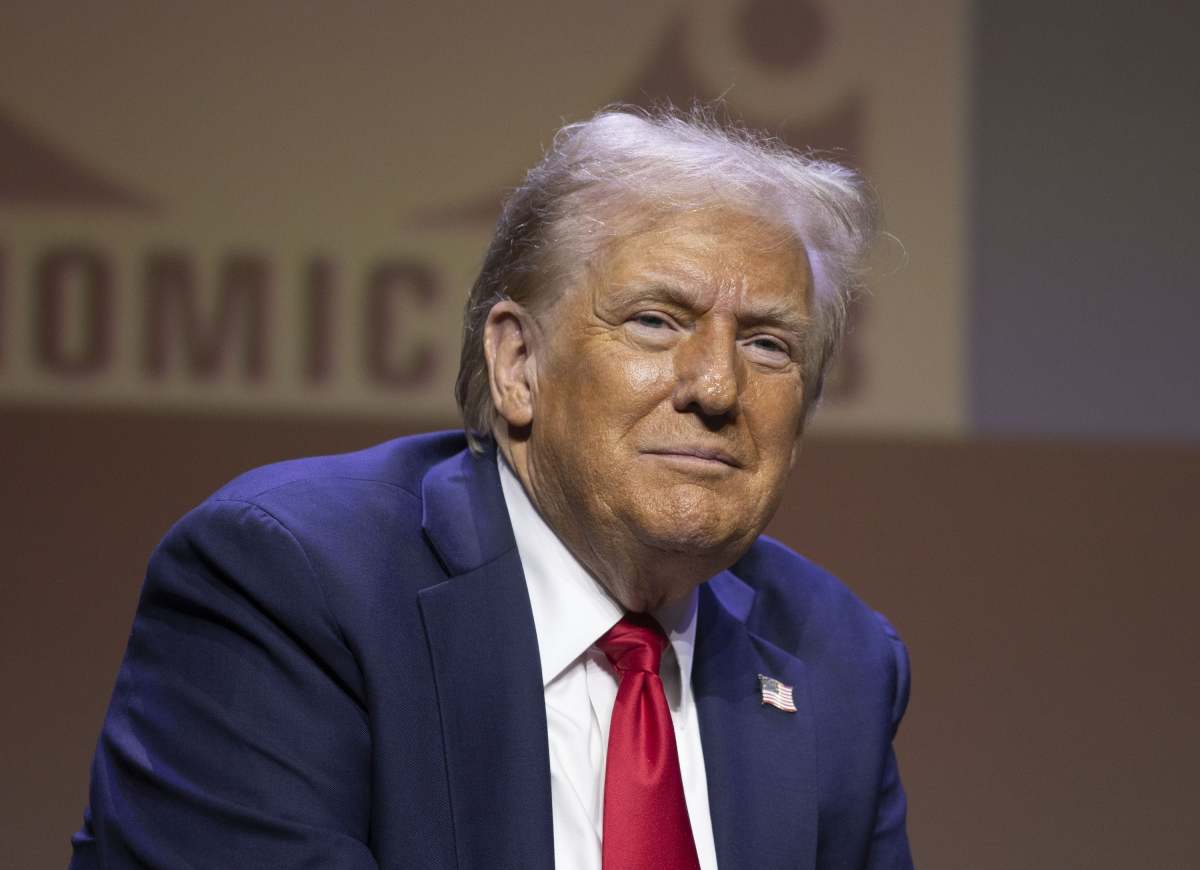
Khanna pointed to past legislative efforts as evidence that the strategy can succeed despite long odds.
He cited the 2019 'Yemen War Powers Resolution', which passed both chambers of Congress despite Republican control of the Senate and President Donald Trump occupying the White House at the time.
That effort involved cooperation with lawmakers, including Sens Rand Paul and Mike Lee, as well as Rep Massie.
Khanna also referenced the 'CHIPS and Science Act', which he said resulted from years of bipartisan negotiations that began during the first Trump administration.
Ro Khanna explains 'relationships of trust'

Khanna attributed the speed of the Epstein legislation to working relationships developed through prior bipartisan efforts.
"You’ve got to have people on the other side… who you develop relationships of trust," Khanna said.
He said those relationships allow lawmakers to coordinate informally and respond quickly when legislative opportunities arise.
Khanna noted that when he introduced the Epstein-related amendment, it initially secured limited Republican support, but that was enough to build broader backing.
The next fight is about Venezuela
Khanna said that he is now pursuing similar bipartisan cooperation on a proposed war-powers resolution related to Venezuela.
The measure seeks to limit US involvement in efforts aimed at regime change and has attracted support from Republicans concerned about executive authority in military matters.
Khanna acknowledged that such legislation often faces steep odds.
He said, however, that shared concerns over accountability and constitutional authority continue to motivate his approach to coalition-building across party lines.