Appeals court blocks Trump administration’s bid to delay massive tariff refund payouts
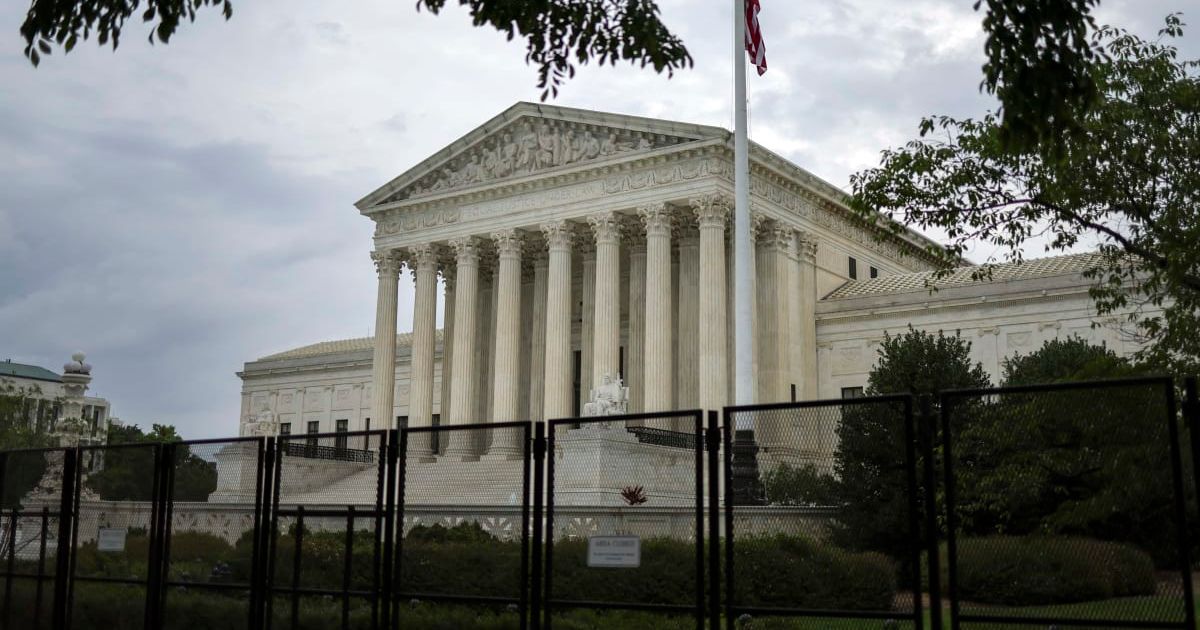
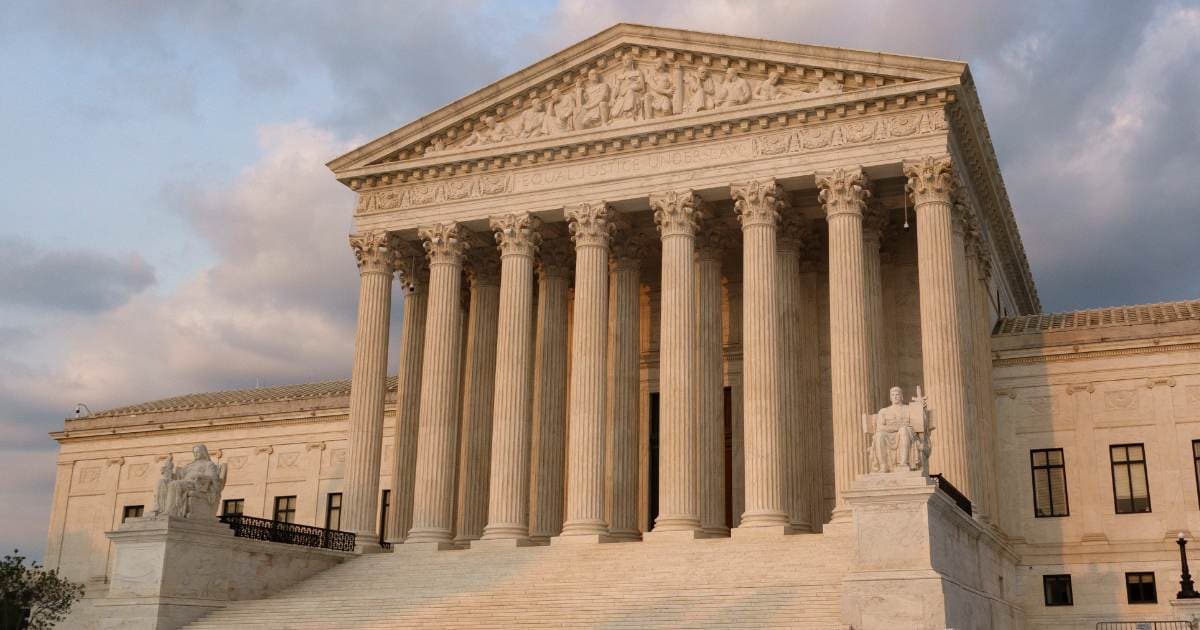
WASHINGTON, DC: A federal appeals court on Monday, March 2, rejected a push by the Trump administration to delay the start of the tariff refund process following a landmark Supreme Court defeat.
The US Court of Appeals for the Federal Circuit declined to grant a 90-day stay, allowing the US Court of International Trade to begin crafting relief for businesses that challenged the global levies.
The high court previously ruled 6-3 that the International Emergency Economic Powers Act (IEEPA) did not authorize the president to impose these tariffs, dismantling a primary pillar of the administration's economic agenda.
While the administration sought a three-month pause to "consider options," the court's mandate ensures the refund process begins swiftly.
Administration’s request for delay deemed "staggering"

The Trump administration argued for a 90-day delay to allow the "political branches" to evaluate the fallout of the ruling, despite having previously stipulated that duties would be returned if found unlawful.
Justice Department lawyers estimated that the complex refund process could take years to execute fully.
Lawyers for the small businesses successfully fighting the levies characterized the requested delay as "staggering."
They noted that the federal government is well-versed in issuing tariff refunds and emphasized that officials had repeatedly guaranteed these duties would be returned with interest if struck down.
Corporate giants join wave of lawsuits
The Supreme Court's decision has triggered a massive influx of litigation, with companies of all sizes seeking to recoup paid import duties.
High-profile corporations, including FedEx, Revlon, and Costco, have already moved to file claims before the Court of International Trade.
Attorneys for the plaintiffs argued that the proper time for the mandate is "now," rejecting any further interference with the relief owed to the American business community.
Neal Katyal, a lead attorney for the small businesses, confirmed his team will proceed "immediately" to secure the refunds.
IEEPA authority restricted by high court
The core of the dispute rests on the administration's use of emergency powers to tax nearly every US trading partner.
By ruling that IEEPA does not grant such broad tariff authority, the Supreme Court has fundamentally shifted the balance of power regarding international trade levies.
With the appeals court refusing to intervene, the focus now turns to the lower courts to manage the logistics of the multi-year refund effort.
The administration remains on the hook for significant sums as businesses nationwide begin the process of reclaiming their capital.