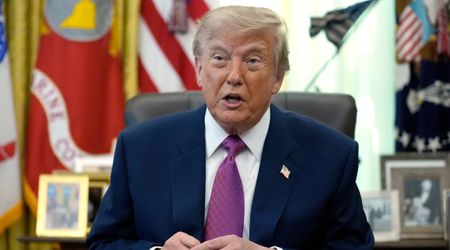
JD Vance says US, Iran making progress on deal but still ‘going back and forth’ on ‘nuclear stuff’
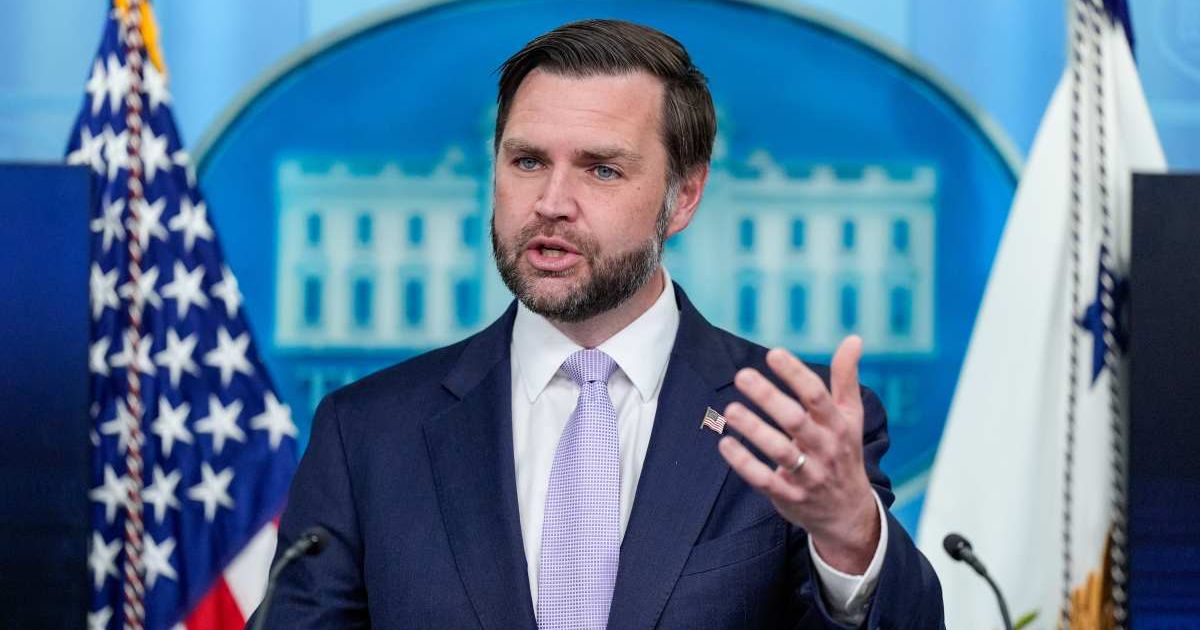
WASHINGTON, DC: Vice President JD Vance said on Thursday, May 28, that the United States and Iran are “very close” to reaching a major agreement, though negotiations remain tense over Tehran’s nuclear capabilities and uranium stockpile.
Speaking to reporters at Joint Base Andrews, Vance revealed that both sides were still “going back and forth” on several unresolved terms tied to Iran’s nuclear program.
JD Vance on Iran:
— Clash Report (@clashreport) May 29, 2026
We do think they're negotiating, at least so far, in good faith, and we're making some progress.
Hopefully, we'll continue to make progress. The president will be in a position where he can endorse the agreement, but obviously that's still TBD. pic.twitter.com/E7izVp7E6r
JD Vance says nuclear enrichment remains a major sticking point in Iran talks
Vance admitted that negotiations over Iran’s enriched uranium stockpile and enrichment capabilities remain highly sensitive.
“There are a couple of issues on the nuclear stuff, the highly enriched stockpile, and also the question of enrichment,” he said.
“We do think they’re negotiating, at least so far, in good faith, and we’re making some progress,” he added.
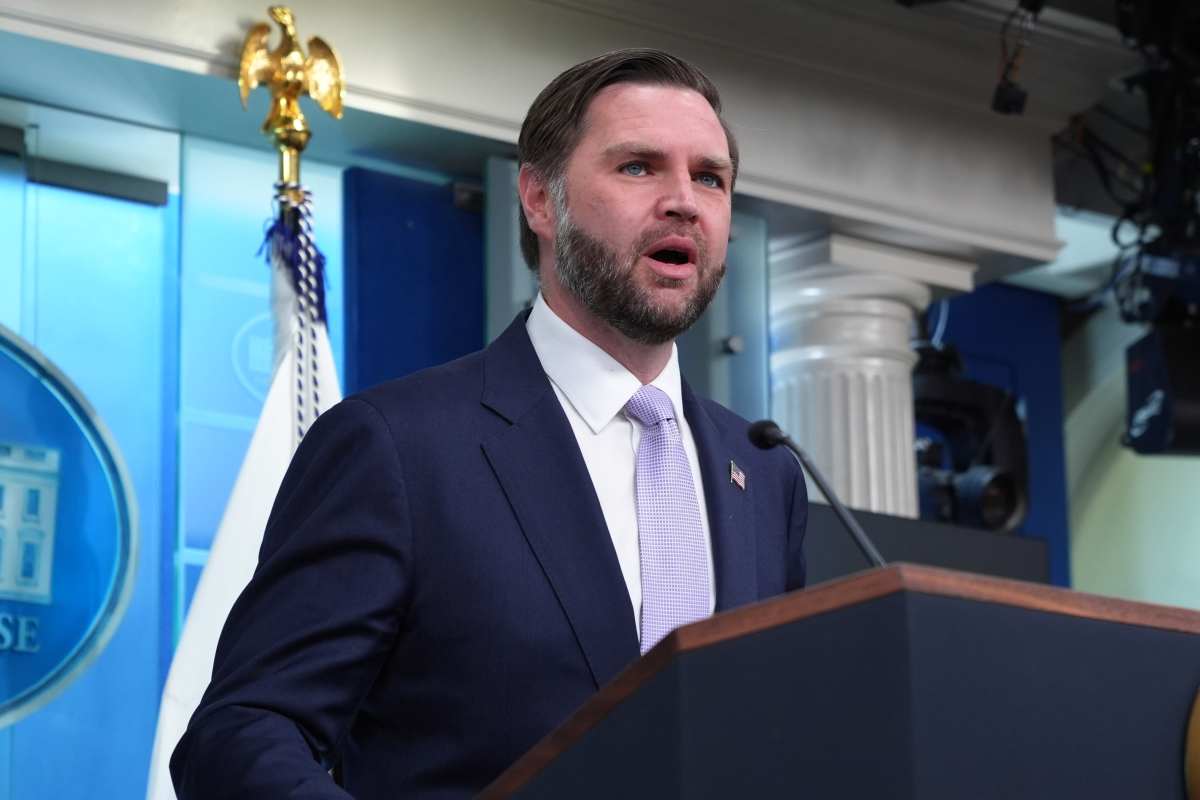
The vice president explained that the Trump administration was still reviewing whether the current version of the agreement would ultimately receive President Donald Trump’s approval.
“Hopefully, we’ll continue to make progress, and the president will be in a position where he can endorse the agreement, but obviously that’s still” to be decided, Vance said.
The proposed agreement would reportedly include a formal commitment from Tehran that it will not pursue development of a nuclear weapon while opening a fresh 60-day negotiation window for additional talks.
Trump administration and Iran remain divided after failed peace talks
The current negotiations come after earlier diplomatic talks between the two countries collapsed over disagreements involving Iran’s nuclear program.
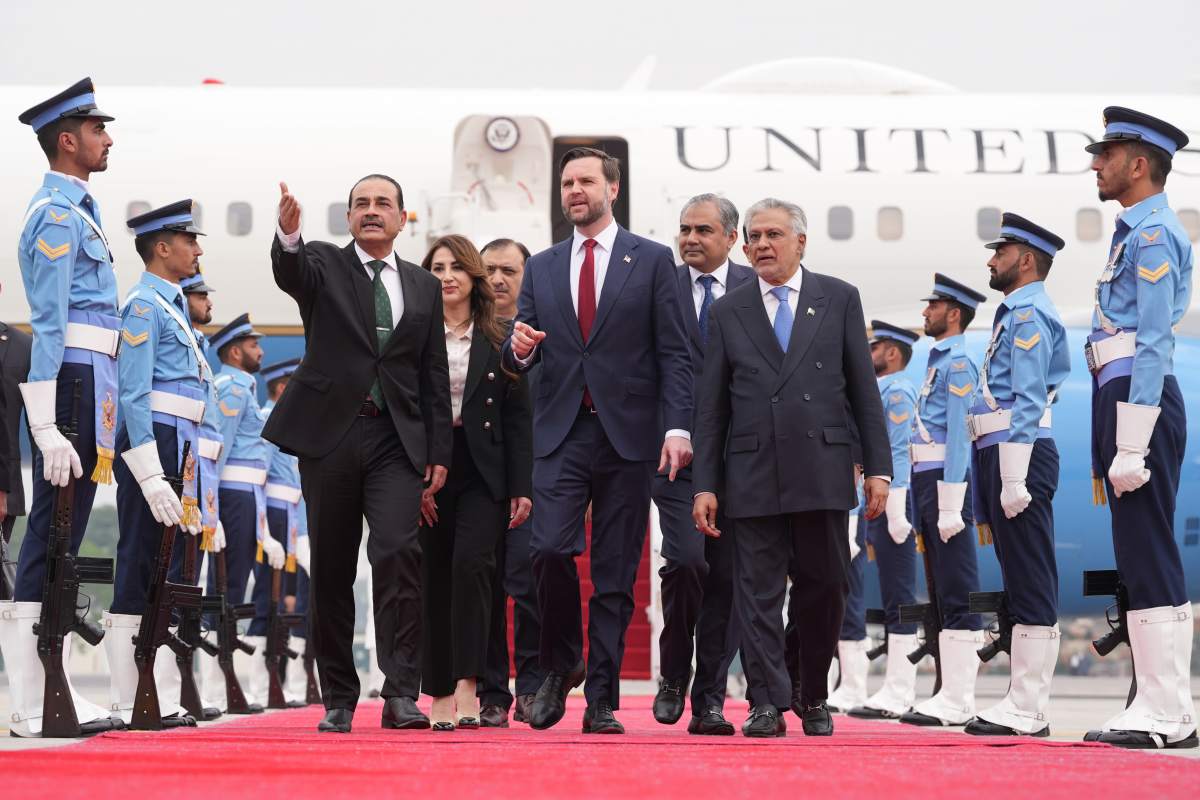
Last month, Vance led an American delegation to Islamabad, Pakistan, for the first direct peace negotiations between the US and Iran since 1979.
Those discussions ultimately broke down because neither side could fully agree on how Iran’s nuclear material should be handled.
On Thursday, Vance avoided giving direct answers about whether Iranian negotiators had agreed to remove enriched uranium from the country as part of the latest proposal.
“There are certain details that are going to have to be figured out that are going to take a little bit of time,” he said.
“Just take, for example, even if you come to an agreement on, let’s say, destroying the enriched stockpile. How do you do it? When do you do it? How do you actually get access to it?” Vance added.
The administration has made it clear that these technical questions remain central to whether a final agreement can move forward.
Trump floated removing or destroying Iran’s nuclear material
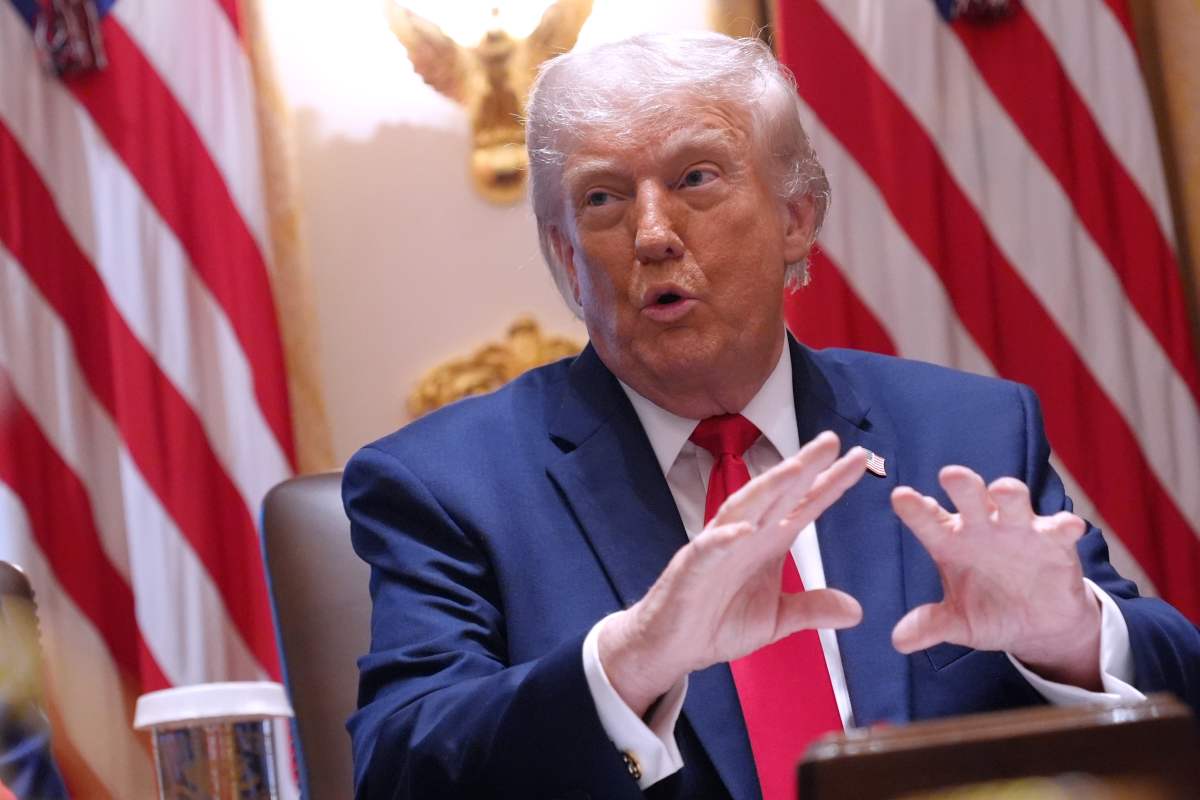
Trump has also publicly weighed in on possible solutions tied to Iran’s enriched uranium stockpile.
In a Truth Social post on Monday, the POTUS said the so-called “nuclear dust” could either be transferred to the US or destroyed “at another acceptable location.”
The Enriched Uranium (Nuclear Dust!) will either be immediately turned over to the United States to be brought home and destroyed or, preferably, in conjunction and coordination with the Islamic Republic of Iran, destroyed in place or, at another acceptable location, with the… pic.twitter.com/ZfQzlw3jqr
— Commentary Donald J Trump Truth Social Posts On X (@TrumpTruthOnX) May 25, 2026
Trump had previously considered the possibility of deploying US ground troops into Iran to remove radioactive material buried underground inside facilities damaged during joint US-Israeli strikes last June.
Despite the ongoing disagreements, Vance sounded cautiously hopeful that both sides could eventually settle on a final arrangement.
“We’re getting to a point where we could potentially sit down and settle these issues, but that requires us to make a little bit more progress,” the vice president said.
“I can’t guarantee that we’re going to get there, but right now I feel pretty good about it,” he added.