Trump delays final call as US-Iran ceasefire deal nears approval: Report
WASHINGTON, DC: President Donald Trump is reportedly delaying a final decision on a developing US-Iran ceasefire agreement despite negotiators nearing completion of a draft framework designed to halt hostilities and restart nuclear talks.
According to the report by Axios' Barak Ravid published Thursday, May 28, both sides have largely settled on the core structure of the proposal, but Trump has asked for additional time before personally signing off on the arrangement as pressure builds around the high-stakes negotiations.
🚨Scoop: U.S. and Iran reach deal but need Trump's final approval, two U.S. officials and a regional source involved in the mediation efforts told me. My story on @axios https://t.co/V8YwY6UY0X
— Barak Ravid (@BarakRavid) May 28, 2026
Trump taking time with draft
According to the report, US and Iranian negotiators have tentatively agreed to a 60-day ceasefire framework that would also launch broader talks surrounding Tehran’s nuclear program.
The proposed arrangement would reportedly include an Iranian commitment not to pursue nuclear weapons while negotiations continue over sanctions relief, access to frozen Iranian assets and the future of Iran’s enriched uranium stockpile.
Officials involved in the talks told Axios that the contours of the agreement had mostly been completed by Tuesday.
“Terms of the deal were mostly agreed to,” US officials reportedly said, adding that Iranian representatives later informed mediators they had secured approval from senior leadership and were prepared to move forward.

Iran, however, has not publicly confirmed that claim.
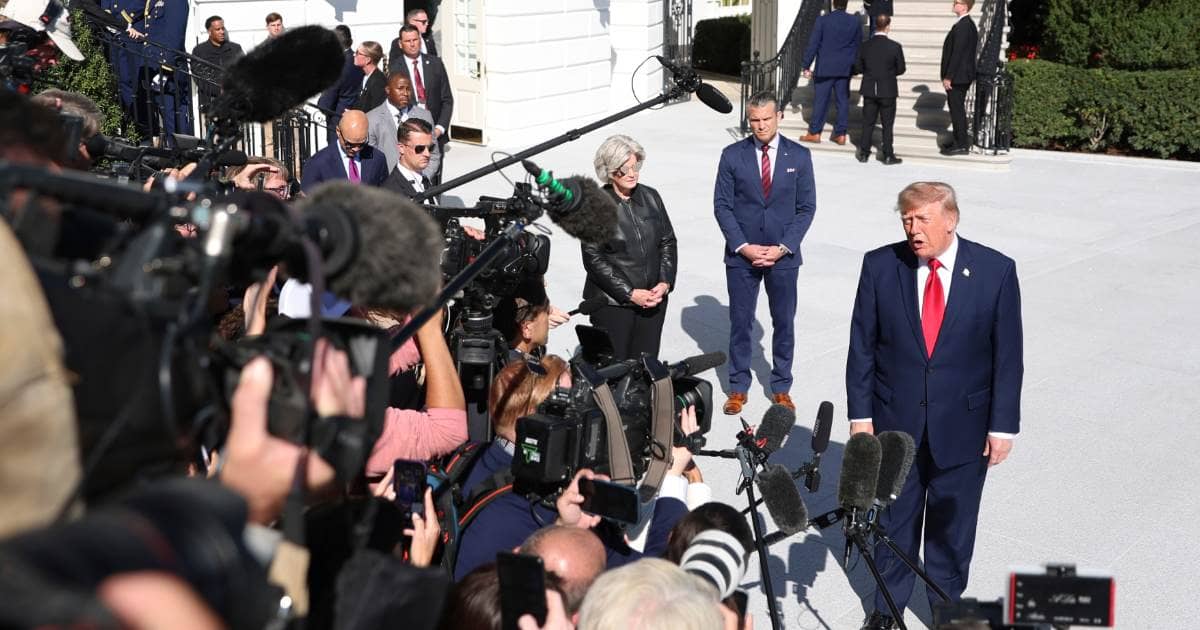
Despite the apparent progress, Trump has not yet formally approved the agreement after receiving a briefing from negotiators. “The president relayed to the mediators that he wants a couple of days to think about it,” one US official told the outlet.
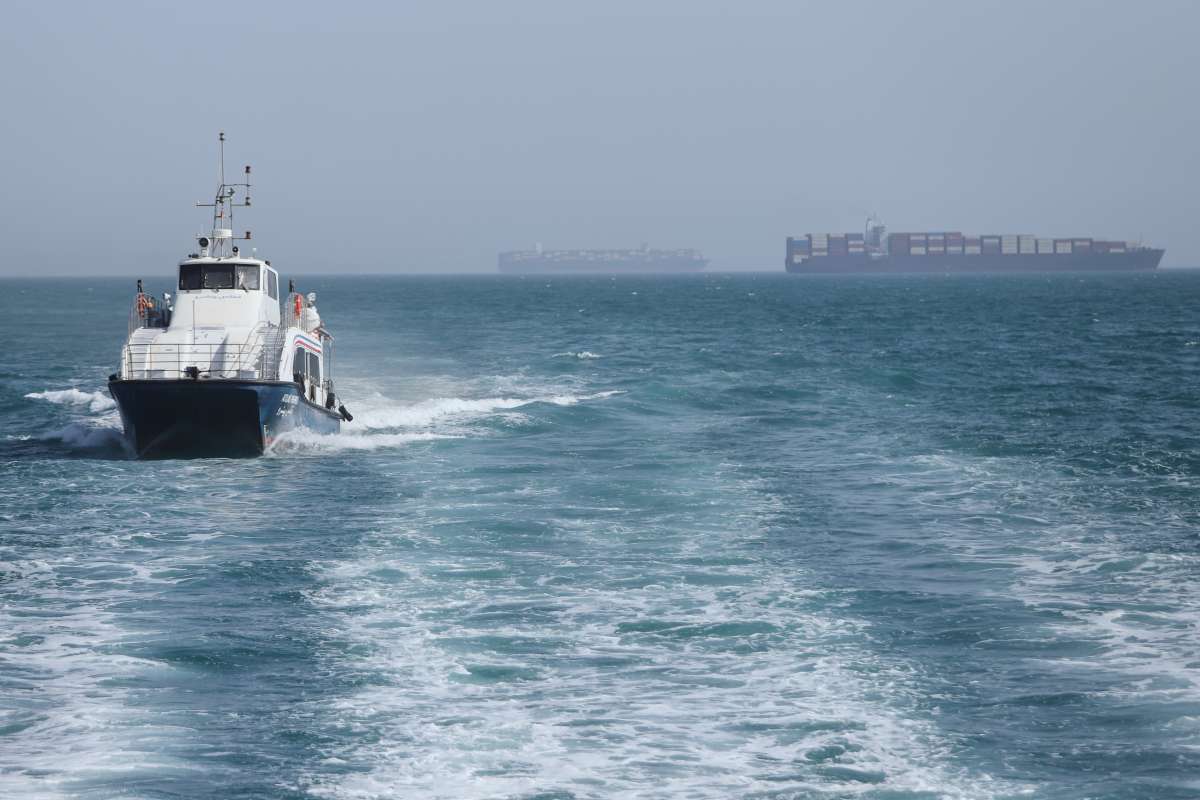
Under the draft framework, shipping traffic through the strategically critical Strait of Hormuz would resume without restrictions, with Iran reportedly expected to remove naval mines from the waterway within roughly 30 days.
🚨Behind the scenes: U.S. officials said terms of the deal were mostly agreed to as of Tuesday, but both sides still needed approval from senior leadership
— Barak Ravid (@BarakRavid) May 28, 2026
🚨The U.S. officials claimed the Iranians later came back and said they had the necessary approvals and were prepared to… https://t.co/1W9CcK1UkH
The proposal would also gradually ease the US naval blockade as commercial shipping activity returns to normal.
Deal emerges amid growing pressure
The reported breakthrough comes after weeks of escalating tensions and economic disruption tied to the conflict between the United States and Iran.
The Strait of Hormuz remains one of the world’s most important oil transit chokepoints, carrying a significant share of global energy shipments.
Concerns over shipping disruptions during the conflict contributed to rising fuel prices and growing international pressure for de-escalation.
Ravid first revealed details of the developing agreement on X, writing that “US and Iran reach deal but need Trump’s final approval,” citing officials and a regional source involved in mediation efforts.
So far, neither the White House nor Iranian officials have publicly released the full text of the proposed memorandum of understanding, and significant uncertainty remains over whether Trump will ultimately approve the deal in its current form.