Judge refuses to block Trump mail-in voting order as Democrats press legal challenge
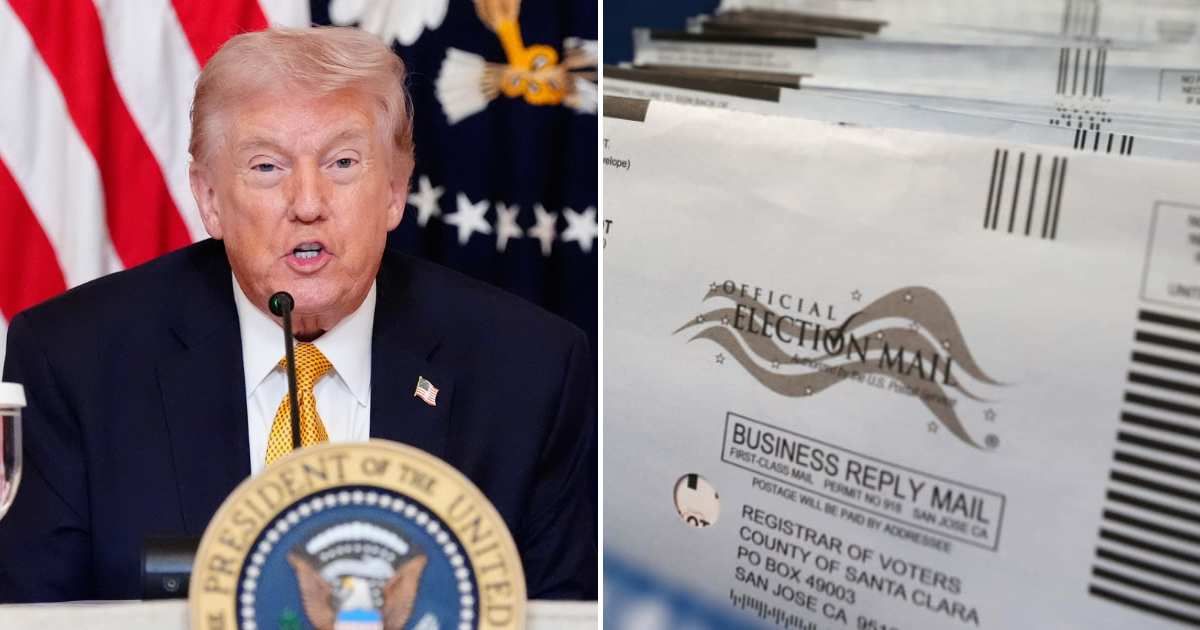
WASHINGTON, DC: A federal judge on Thursday, May 28, refused to block President Donald Trump's executive order tightening rules on mail-in voting, handing the administration a legal victory while leaving the door open for future challenges.
US District Judge Carl Nichols ruled that Democratic plaintiffs, including Senate Minority Leader Chuck Schumer, had sought judicial intervention too early because federal agencies had not yet implemented key provisions of the order.

Judge cites lack of immediate harm
In his ruling, Nichols said that the plaintiffs had not demonstrated that they had suffered any present injury from the executive order.
The judge noted that the administration had not yet produced the proposed citizenship lists referenced in the order and that the US Postal Service had not adopted any new procedures related to mail-in ballots.
Because no agency action had yet caused measurable harm, Nichols concluded that a preliminary injunction was not warranted at this stage.
However, he said the plaintiffs could return to court if future implementation of the order resulted in actions that they believed violated the law or threatened voters’ rights.
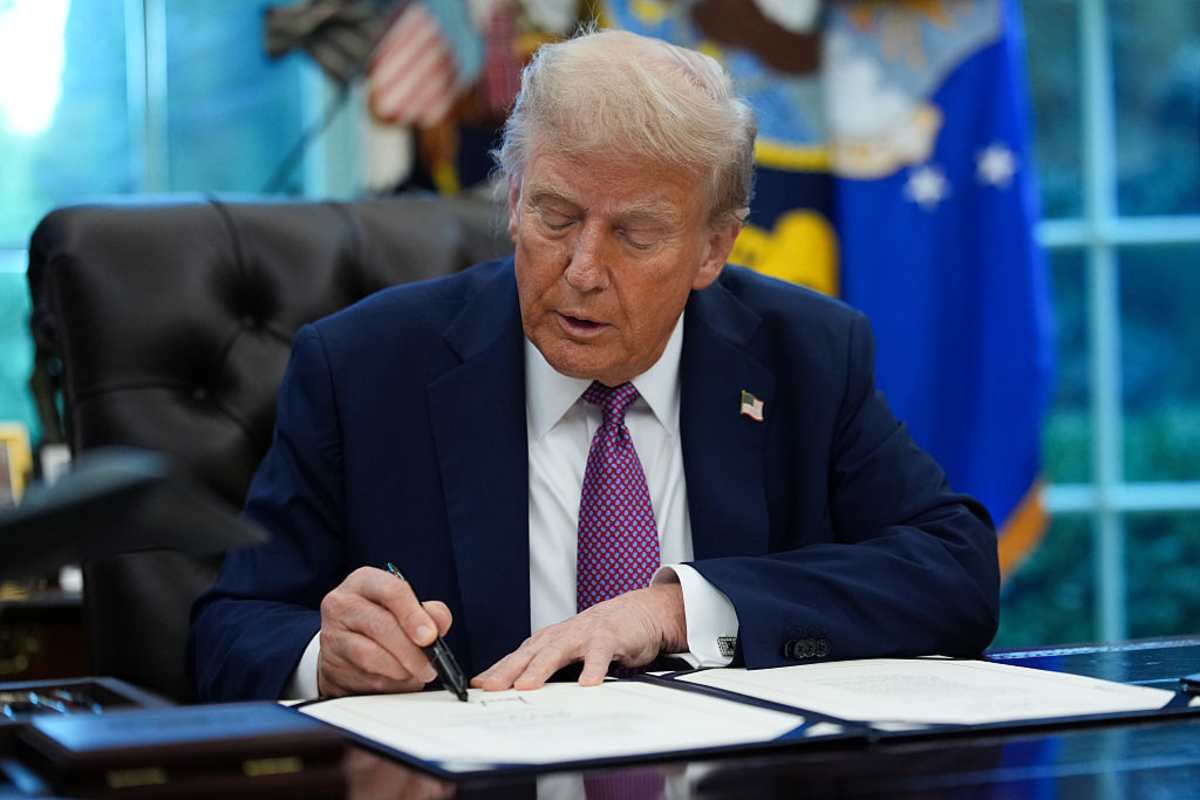
Trump signed the executive order to tighten voter verification
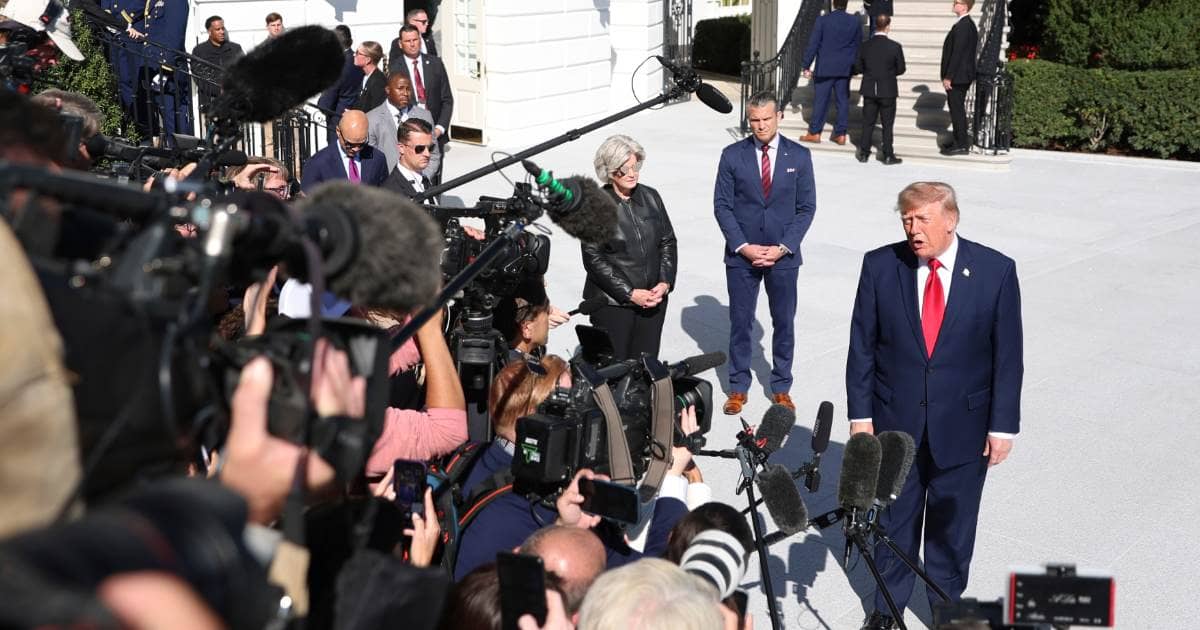
Trump signed the executive order on March 31 as part of a broader effort to tighten election administration and voter verification procedures.
The order directs federal agencies to compile information that could help states identify confirmed US citizens eligible to vote. It also calls for the use of federal databases to assist state election officials in verifying voter eligibility.
In addition, the measure instructs the US Postal Service to deliver ballots only to voters appearing on state-approved mail-in voting lists and requires states to preserve election-related records for five years.
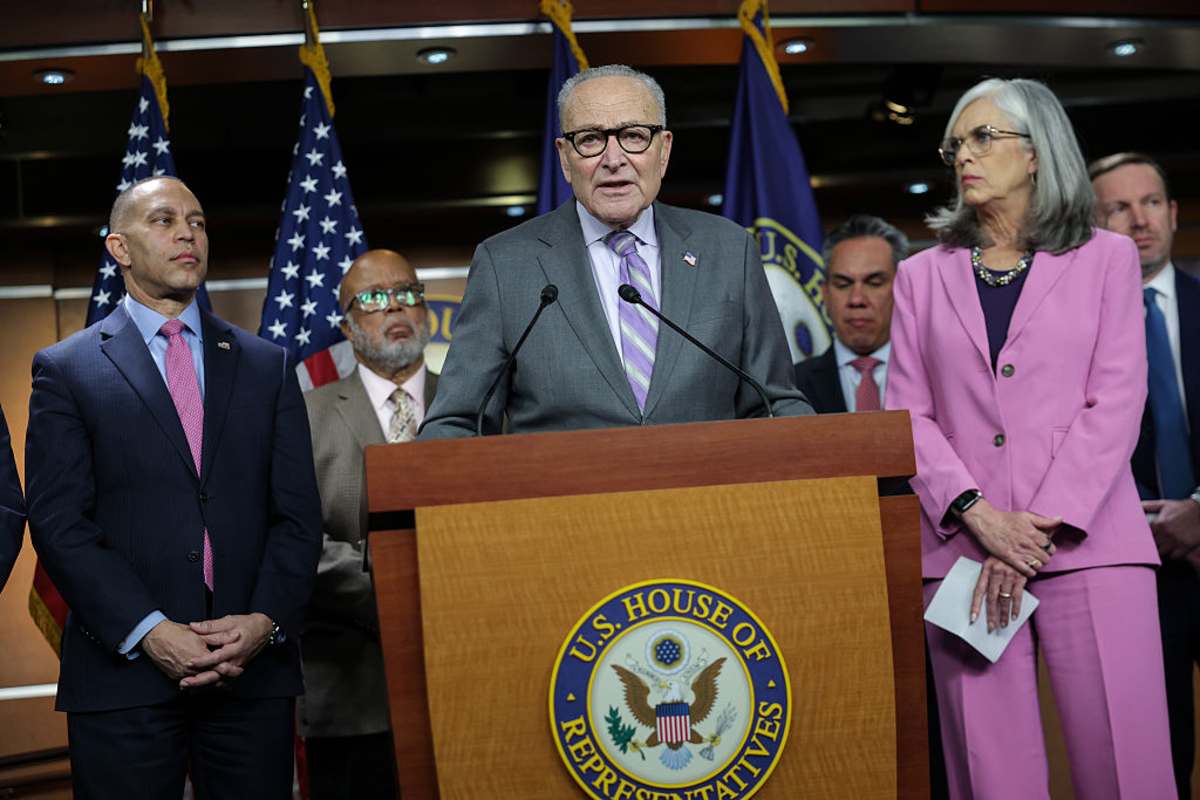
Democrats raise voting rights concerns
Democratic lawmakers and election advocates argue that the order exceeds federal authority and infringes on states’ constitutional role in administering elections.
They contend that relying on Department of Homeland Security and Social Security Administration databases could lead to errors because government records may be outdated or incomplete.
According to the plaintiffs, such inaccuracies could result in eligible voters being improperly flagged or excluded from voter rolls.
The lawsuit is part of a broader legal effort by Democrats to challenge the administration’s election policies ahead of the November midterm elections.
Court decision likely to pose additional legal battle
The Justice Department argued that the case was premature because the executive order had not yet been implemented.
A separate lawsuit filed by a coalition of Democratic-led states is also challenging the order in federal court in Boston. US District Judge Indira Talwani is scheduled to hear arguments in that case on June 2.
The competing cases are likely to shape the legal boundaries of the administration’s election policies as both parties prepare for a closely contested midterm campaign.