'Blow 'em up': Trump warns Oman against interference, says US will 'watch over' Hormuz
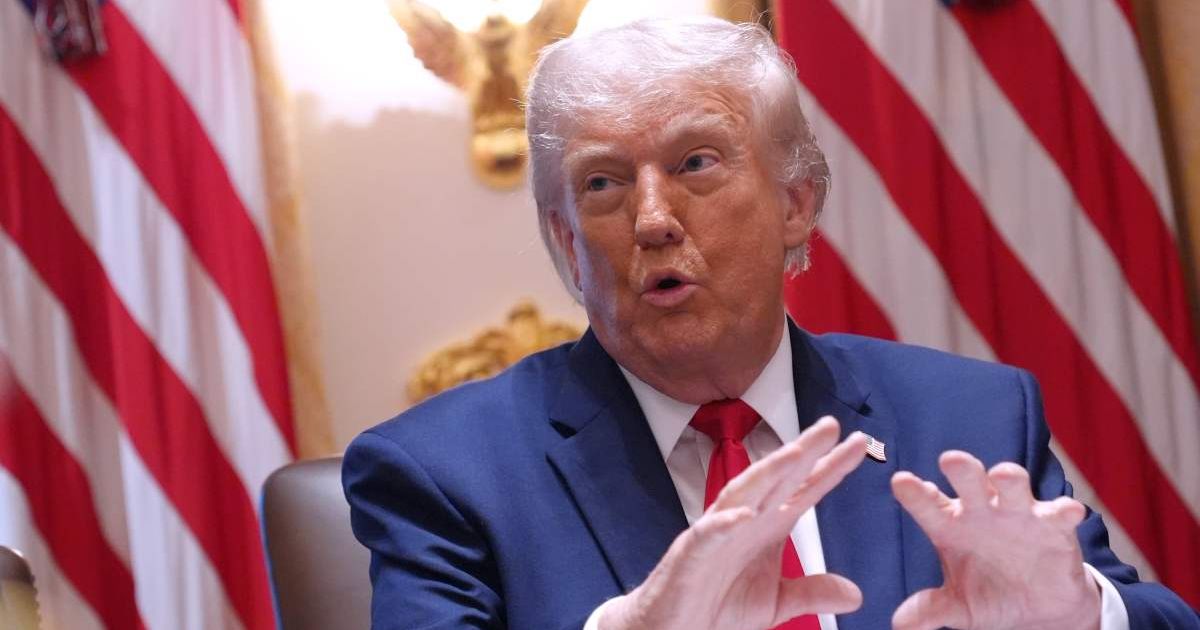
PRESIDENT TRUMP: The Strait is going to be open to everybody. It’s international waters. We’ll watch over it, but nobody’s going to control it.
— Department of State (@StateDept) May 27, 2026
Oman will behave like everybody else or we’ll have to blow them up. They understand that. pic.twitter.com/hCs1tIhZGP
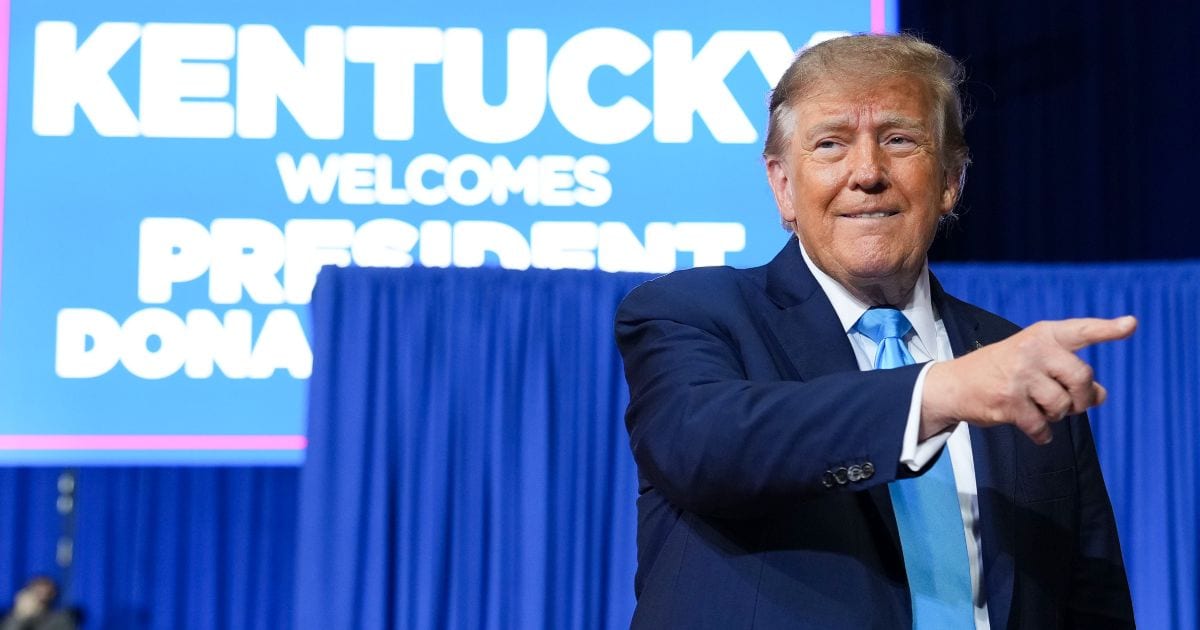
WASHINGTON, DC: President Donald Trump said on Wednesday, May 27, that the Strait of Hormuz would remain “open to everybody” and insisted that neither Iran nor Oman would control the strategically vital waterway.
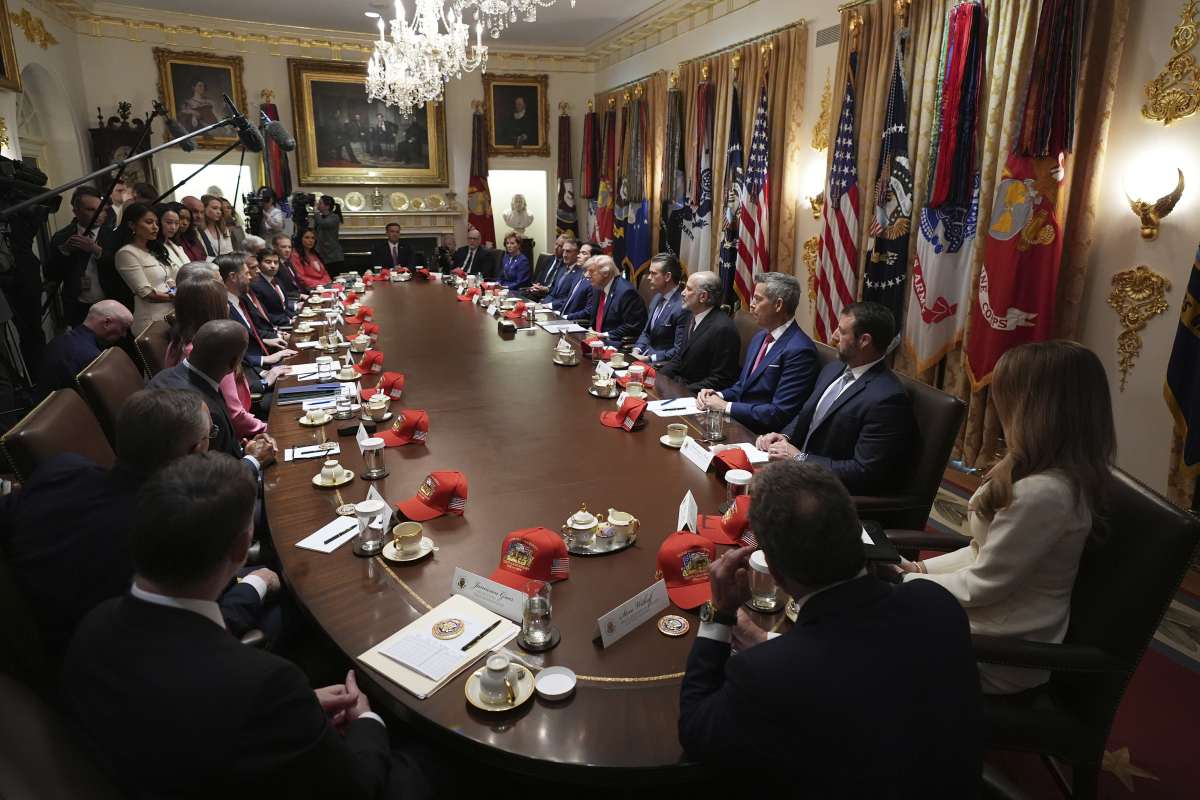
Speaking during a Cabinet meeting at the White House, Trump rejected the idea of any short-term arrangement that would allow Iran and Oman to oversee the Strait. “No, the Strait’s going to be open to everybody,” Trump said. “It’s international waters. Nobody’s going to control it.”
The president added that the United States would monitor the route as part of its broader negotiations with Tehran. “We’re going to watch over it. We’ll watch over it, but nobody’s going to control it,” he said.
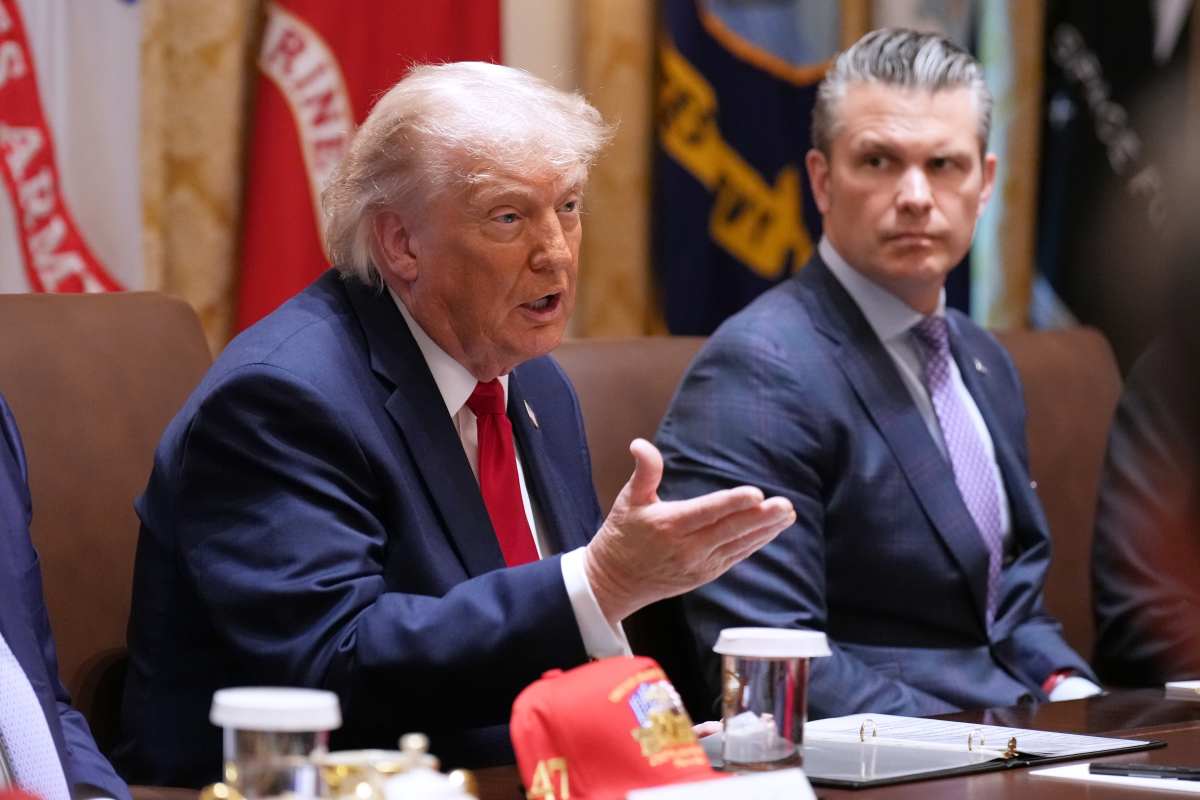
Trump warns Oman amid Gulf negotiations
Trump also issued a direct warning to Oman, which has historically acted as a diplomatic intermediary between Washington and Tehran.
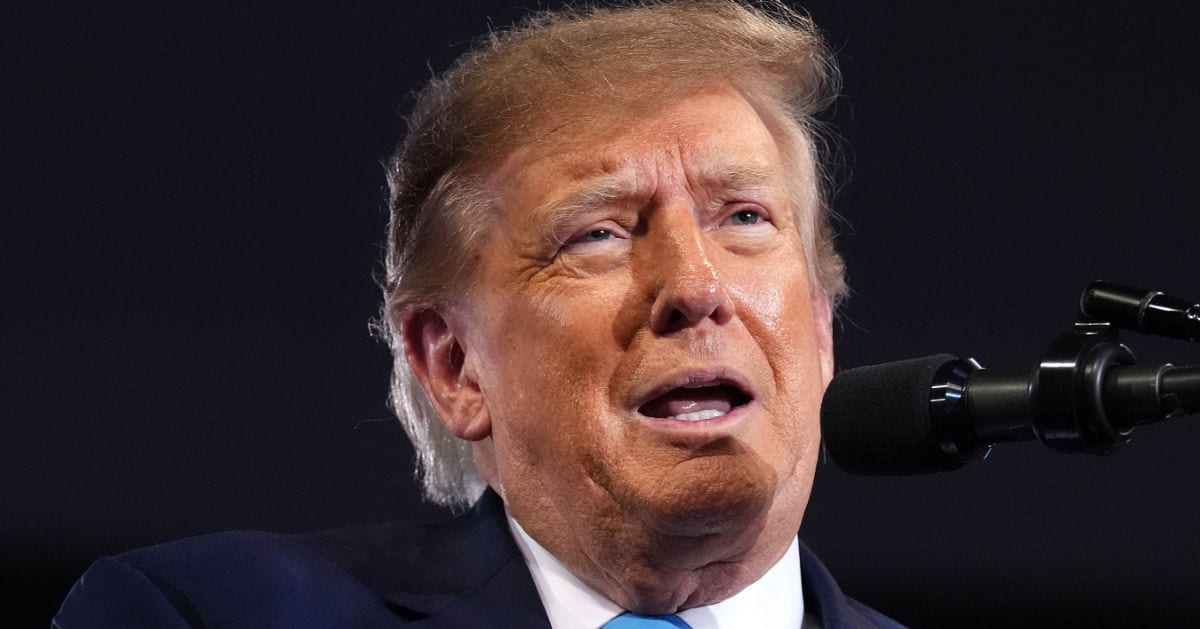
“Oman will behave just like everybody else, or we’ll have to blow ‘em up,” Trump said during the Cabinet meeting, escalating rhetoric surrounding the Gulf negotiations.
The comments came amid continuing discussions over regional security and maritime access in the Persian Gulf. The Strait of Hormuz remains one of the world’s most critical oil transit chokepoints, connecting the Persian Gulf with the Gulf of Oman and the Arabian Sea.
Any disruption to the passage could significantly impact global energy supplies and international trade.
Iran insists Gulf security is regional matter
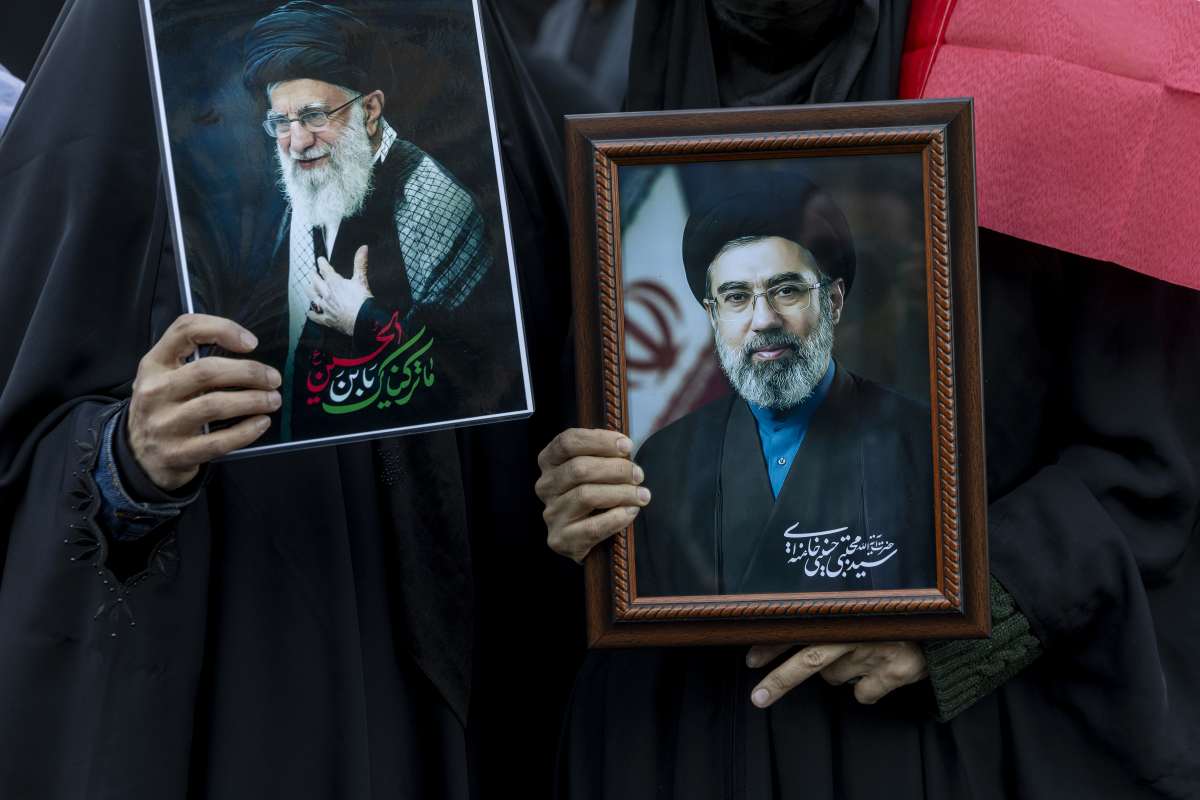
Iran has pushed back against any suggestion that the United States should play a role in managing the waterway.
Iranian Foreign Ministry spokesman Esmaeil Baghaei said on Monday that issues related to the Strait of Hormuz would be coordinated between Iran and Oman, not Washington.
Iranian officials have repeatedly argued that Gulf security should remain under the control of regional countries and free from outside intervention.
The latest exchange underscores growing tensions over maritime security as the US and Iran continue indirect negotiations over a possible agreement.
Abraham Accords emerge in Iran negotiations
Trump also suggested that expansion of the Abraham Accords could become part of the broader diplomatic framework tied to any agreement with Iran.
During the Cabinet meeting, he said Middle Eastern countries should join the US-backed normalization initiative with Israel and hinted that their participation could influence the outcome of talks with Tehran.
“That really would be a tremendous sign, and I think those countries owe it to us,” Trump said. “I’m not sure we should make the deal if they don’t sign.”
Trump says he thinks Middle East countries "owe it to us" to join the Abraham Accords, and adds, "I'm not sure we should make the deal if they don't sign" pic.twitter.com/QjHC86wgz0
— Aaron Rupar (@atrupar) May 27, 2026
Trump recently encouraged Saudi Arabia, Qatar and Pakistan to join the Abraham Accords framework established during his first term.
While acknowledging that a deal with Iran could still move forward, Trump indicated he was seeking a broader regional realignment before committing to a final agreement.
“We can make a good deal right now, but maybe not a great deal. And if it’s not a great deal, we’re not making it,” he added.