Justice Thomas denounces the tariff ruling as a serious constitutional misjudgment
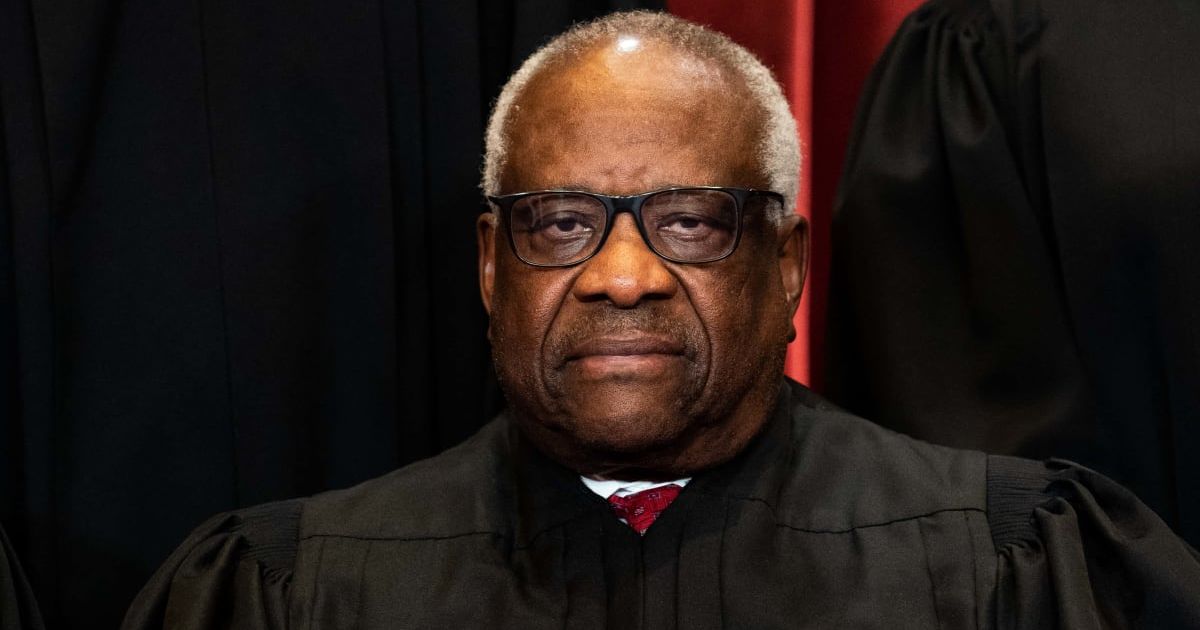
WASHINGTON, DC: Supreme Court Justice Clarence Thomas issued a forceful dissent from the court’s Friday decision blocking Trump’s use of emergency powers to impose sweeping global tariffs. Writing separately, Thomas contended that the 6–3 majority fundamentally misinterpreted both the governing statute and the Constitution’s separation of powers framework. The court had ruled that the International Emergency Economic Powers Act (IEEPA) of 1977 does not grant the executive branch the power to unilaterally impose duties.
Thomas joined Justices Samuel Alito and Brett Kavanaugh in dissent, asserting that the authority to "regulate importation" has historically encompassed the power to impose duties. The ruling comes after months of the President promoting the policy as a cornerstone of an "American manufacturing renaissance" aimed at increasing domestic employment and reducing costs for families.
Majority misinterprets clear statutory language
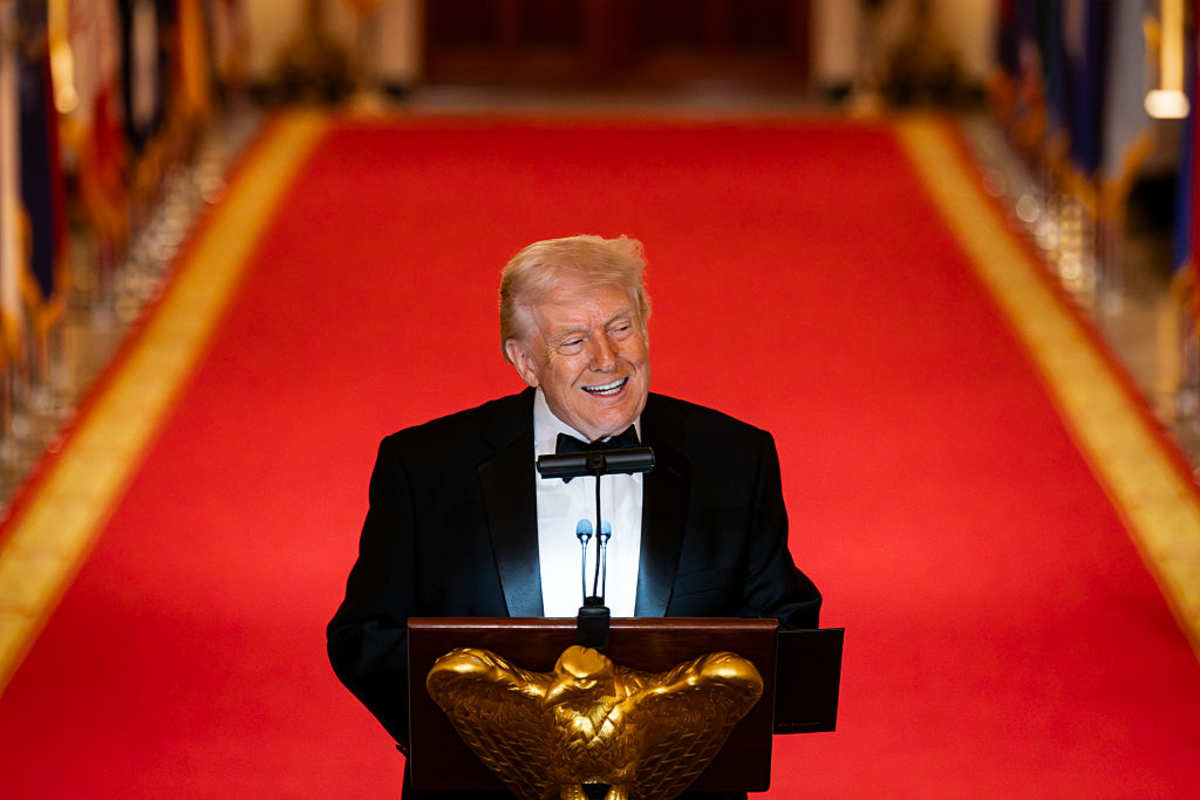
Justice Thomas contended that the court’s decision cannot be reconciled with conventional principles of statutory interpretation. He pointed out that Congress explicitly authorized the President to "regulate... importation" within the IEEPA, a phrase he believes beyond doubt includes the power to set tariffs. Thomas noted that this language was enacted shortly after high-profile, similar duties were upheld under the IEEPA’s predecessor statute, the Trading with the Enemy Act.
The majority, led by Chief Justice John Roberts, argued that because the President asserted "extraordinary power" to impose tariffs of unlimited scope, clear congressional authorization was required but not found. Thomas countered this by stating that the meaning of the phrase "regulate... importation" was well-established by the time Congress passed the 1977 law.
Nondelegation doctrine misapplied in trade
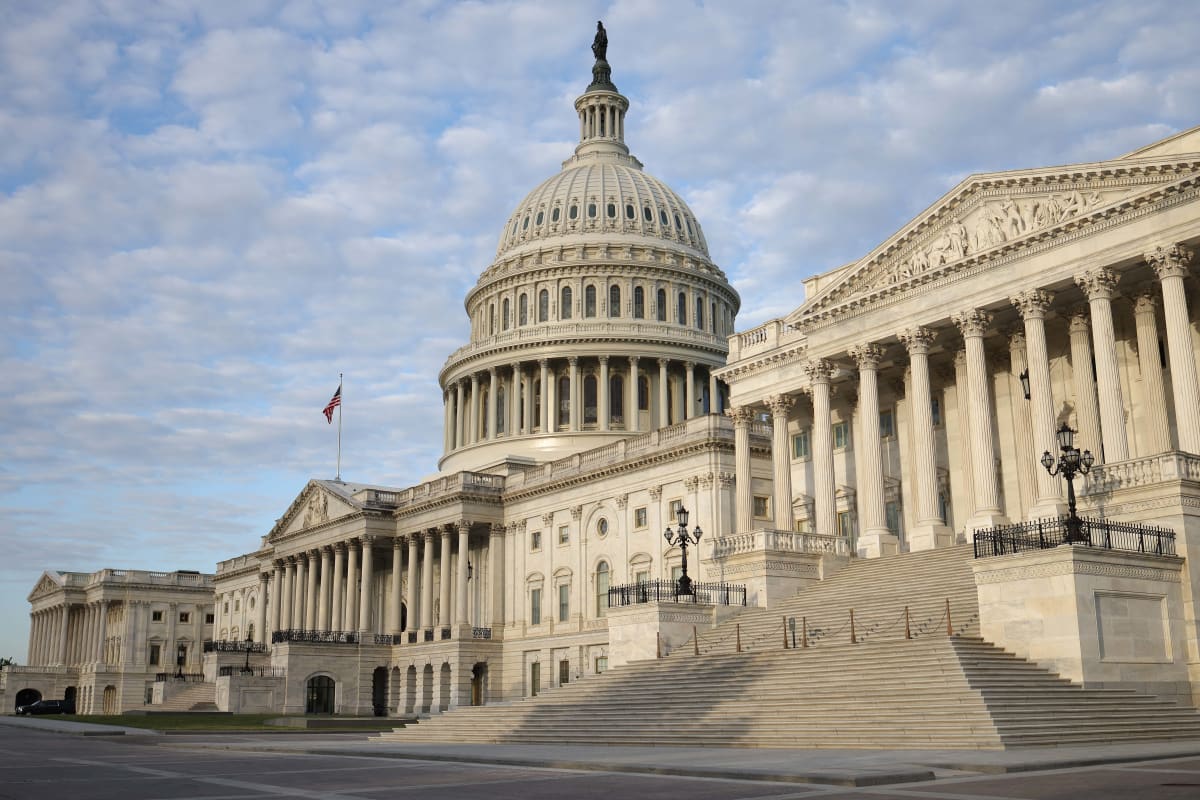
A central point of Thomas’s dissent was the misapplication of the nondelegation doctrine, a principle that forbids Congress from transferring core legislative powers to the President. Thomas argued that the doctrine is a narrow constraint that applies only when Congress delegates the power to make rules that deprive citizens of "life, liberty, or property." He maintained that the doctrine does not apply to the "area of foreign trade," including the imposition of import duties.
"Therefore, to the extent that the Court relies on ‘separation of powers principles’ to rule against the President is mistaken," Thomas wrote. He emphasized that the court erred in concluding that Congress had to speak more clearly to transfer tariff-and-tax power to the executive branch in the context of foreign threats.
Historical precedent supports executive authority
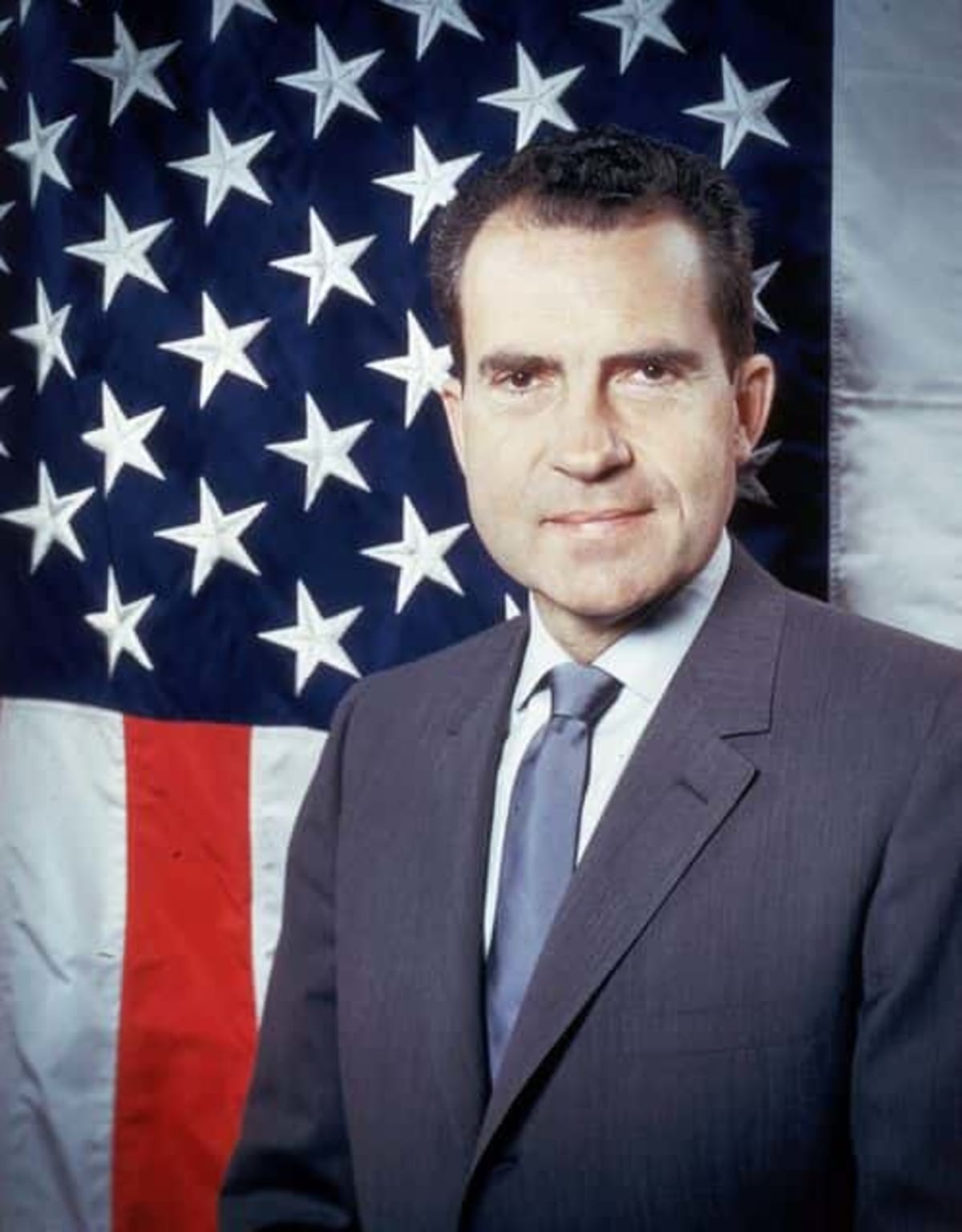
Thomas pointed to President Richard Nixon’s 1971 import surcharge as a critical real-world test case for his argument. Nixon’s 10% across-the-board surcharge was upheld in 1975 by the US Court of Customs and Patent Appeals under identical "regulate... importation" language. Thomas argued that Congress was fully aware of this precedent when it used the same terminology in the IEEPA two years later.
While the court’s ruling is a setback for the President’s specific use of IEEPA, the administration has already pivoted. Shortly after the decision, Trump announced a 10% global tariff under different authorities, underscoring that the court "merely overruled a particular use" of the emergency law rather than the concept of tariffs itself.