Supreme Court delivers major blow, strikes down Trump's tariff strategy under emergency law
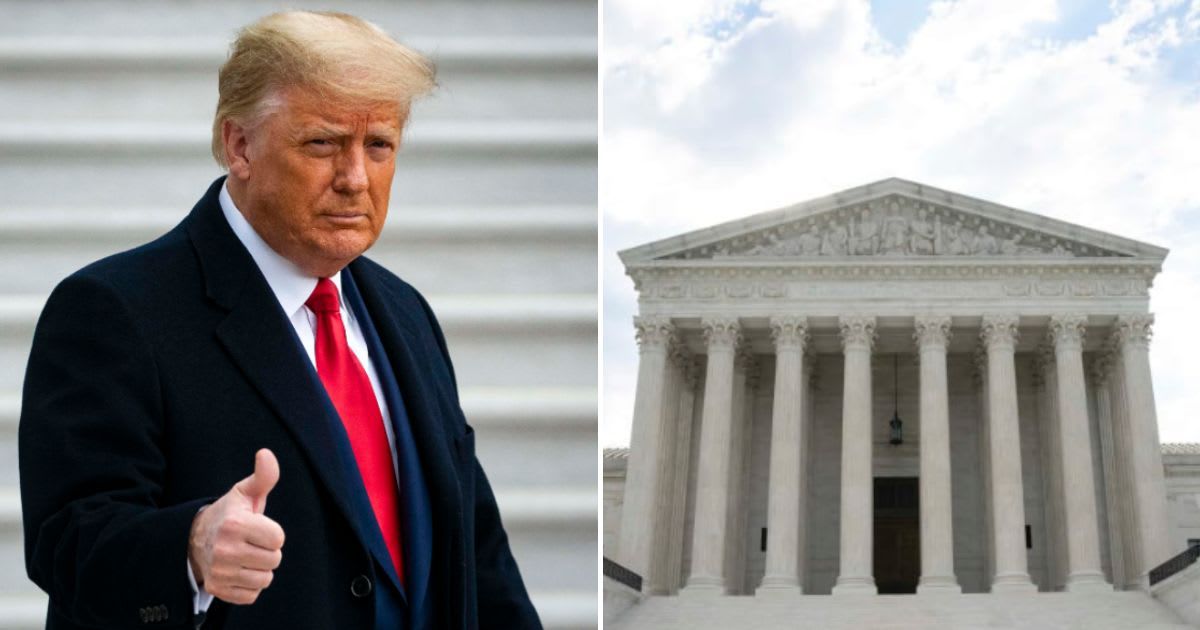
WASHINGTON, DC: The Supreme Court ruled on Friday, February 20, that President Donald Trump does not have the authority to impose broad global tariffs under a 1977 federal emergency powers law, delivering a major legal setback to the administration’s trade strategy.
In a 6-3 decision, the court held that the International Emergency Economic Powers Act (IEEPA) does not authorize the imposition of tariffs. Justices Clarence Thomas, Samuel Alito, and Brett Kavanaugh dissented.
The ruling affirmed an earlier judgment by the US Court of Appeals for the Federal Circuit, which found the tariffs unlawful and outside the scope of the statute’s intended powers.
Court limits reach of emergency powers

The case marked the first time the Supreme Court directly evaluated a second-term Trump policy on its merits.
While the court had previously allowed temporary enforcement of certain administration initiatives during litigation, Friday’s decision invalidated the use of IEEPA for sweeping tariff measures.
Writing for the majority, the court determined that the law’s authority to “regulate or prohibit” international transactions did not extend to setting broad trade duties.
The decision established a clear boundary on how national emergency declarations could be used in shaping trade policy.
Other trade authorities remain legally intact
Despite the setback, the ruling did not eliminate the president’s broader ability to impose tariffs. The court noted that other trade statutes remained available for targeted duties.
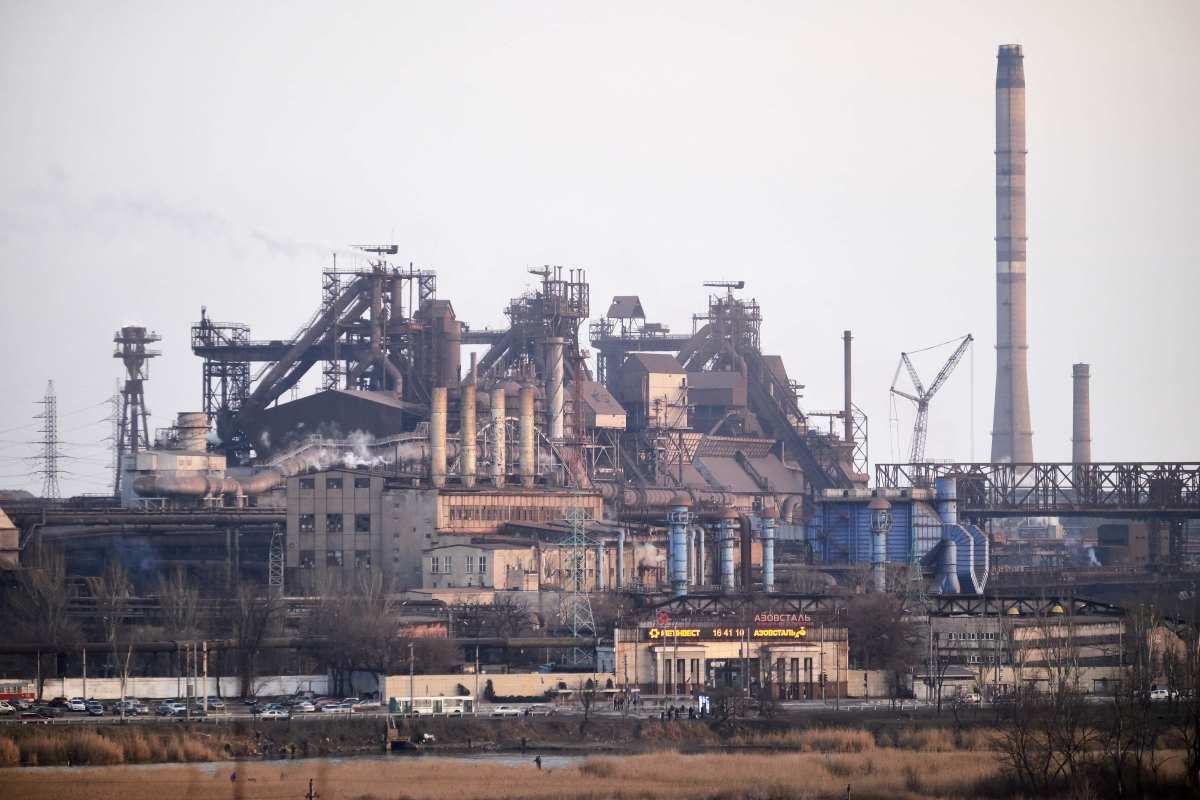
The administration had already relied on alternative authorities to impose tariffs on specific imports, such as copper, steel, and aluminum.
This distinction allowed the White House to continue pursuing protection-focused trade measures on a narrower basis, though without the flexibility provided by the emergency powers framework.
Supreme Court weighs key cases on presidential authority
The tariff decision came amid several high-profile cases involving presidential authority that are currently before the Supreme Court.
The justices are also considering whether the president can dismiss officials at independent federal agencies without cause. In addition, arguments are scheduled for April on the legality of the administration’s plan to end birthright citizenship.
These pending cases are expected to further define the scope of executive authority and the limits of unilateral policymaking under federal law.
Impact on Trump's second-term agenda
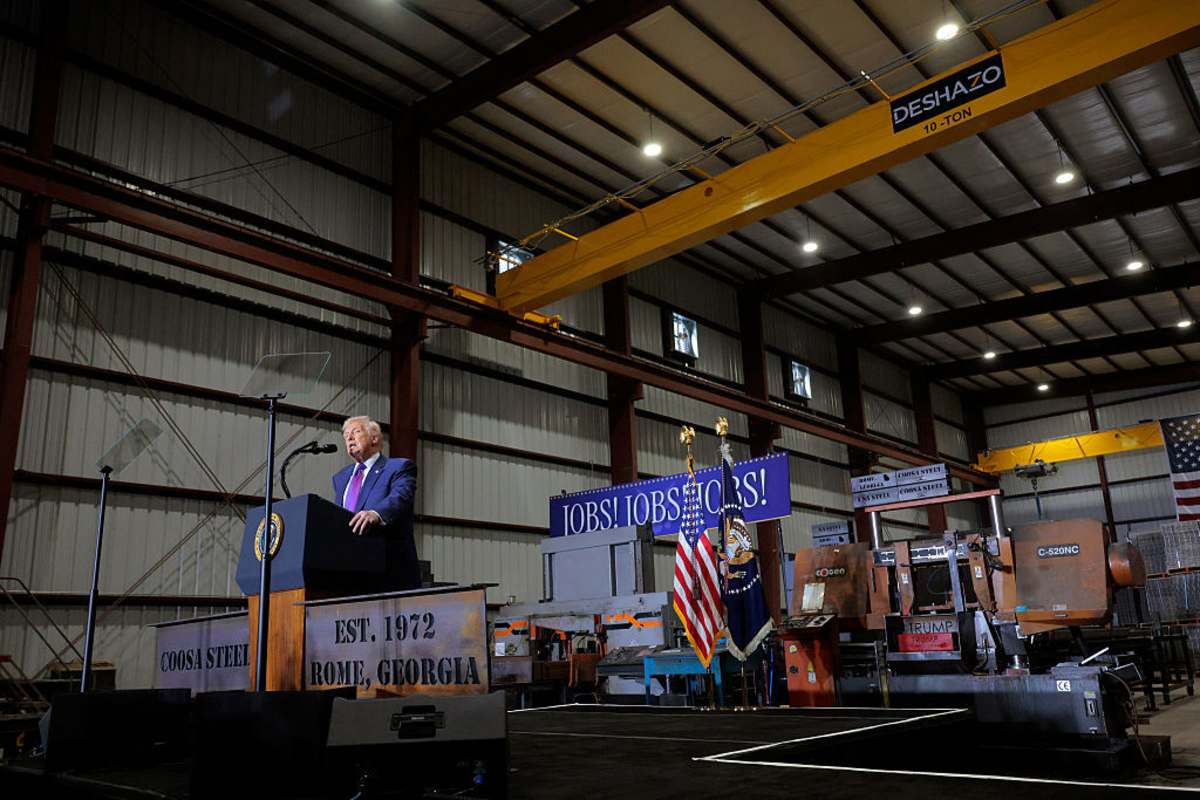
The ruling removed a key legal mechanism the administration had used to justify universal tariffs as part of its economic strategy. Without IEEPA as a tool, future trade actions could require reliance on more targeted statutes or legislative support from Congress.
The White House has not detailed its next steps following the decision. Legal observers noted that the outcome underscored the judiciary’s role in interpreting statutory limits on emergency powers and shaping the boundaries of executive action in economic policy.