Scott Bessent says Iran war costs are ‘not something we have to worry about’

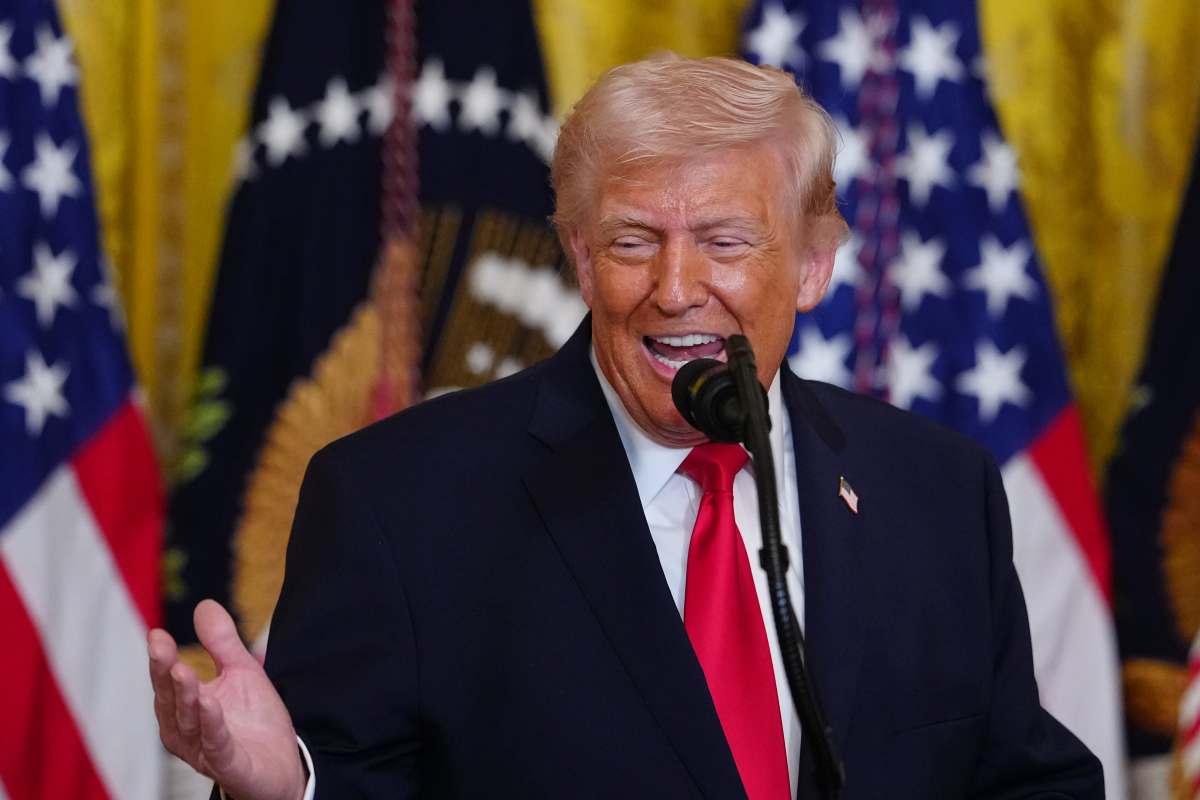
WASHINGTON, DC: Scott Bessent, the US Treasury secretary, said that Washington can handle the financial cost of the war with Iran, even though the Pentagon says it has already cost more than $11 billion in its first week.
In an interview, Bessent said the cost of the early stages of the war was high, but it wasn’t a big deal for the US government because of the size of the US economy and defense budget.
Bessent praises Trump, lauds military preparedness
The war began after joint US and Israeli strikes targeted Iranian military facilities, missile sites, and infrastructure linked to Tehran’s regional network of armed groups.
Sky’s @WilfredFrost will be speaking to U.S. Treasury Secretary Scott Bessent in an exclusive interview.
— Ridge & Frost (@RidgeandFrost) March 12, 2026
🗣️ They will be covering the economic cost of the Iran war, tariffs, the U.S. special relationship with the UK and a lot more.
Watch the interview on Sky News soon ⏰ pic.twitter.com/o4DVBkRSwD
“President Trump is the commander-in-chief of the US Forces. Being in the situation room with him, you see the seriousness with which he leads to protect the lives of our service people. Anything that upsets that, upsets him,” Bessent said.
Pentagon officials recently told lawmakers that the first six days of fighting cost about $11.3 billion, driven largely by heavy use of advanced munitions, missile defense systems, and large-scale air operations across the Middle East.
“Again, that $11 billion is a lot of money, but we have cushions built in, and it’s not something that we have to worry about over this horizon,” he said.
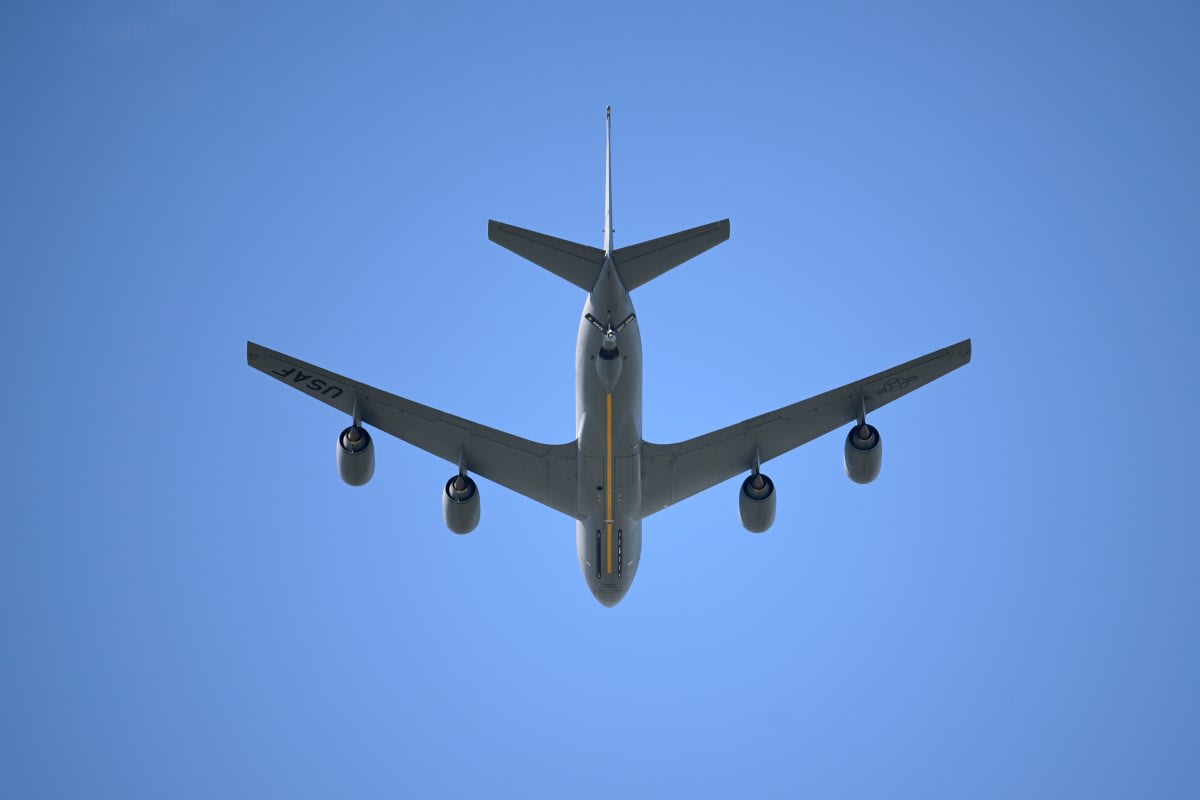
The estimate covers only the opening phase of the campaign and does not include the cost of deploying additional forces to the region before the strikes began. Analysts say the total bill could rise significantly if the conflict continues for weeks or months.
Oil prices soar, Bessent comments on Iran
As American and Israeli strikes continue, and Iran attacks Persian Gulf shipping and energy infrastructure, oil prices have soared back above $100 a barrel.
Iran’s Supreme Leader Ayatollah Mojtaba Khamenei issued his first statement on the war on Thursday, saying Iran should close the Strait of Hormuz and keep pressuring its Gulf neighbors.
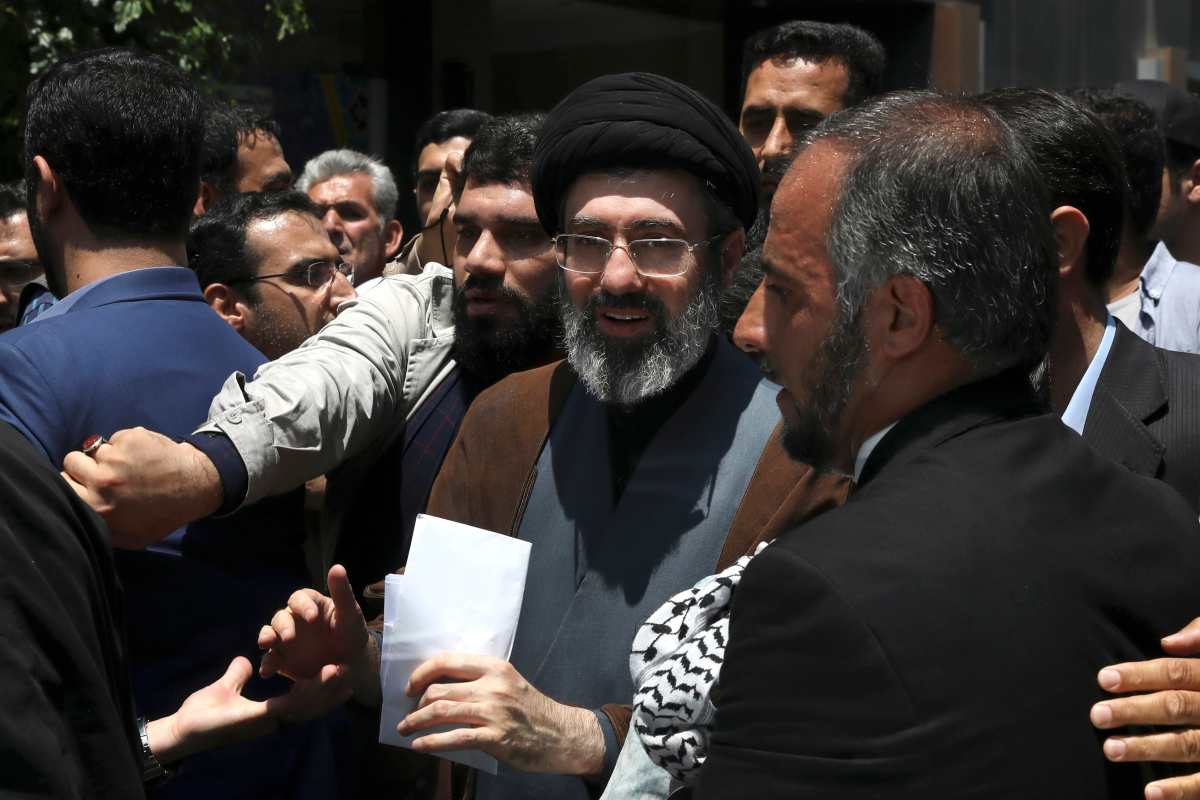
Khamenei also called on people in Gulf countries to “shut down” US bases, saying promised US protection is “nothing more than a lie.”
Bessent said the administration believes the campaign is making steady progress against Iran’s military capabilities.
“Every day we are moving ahead of plan, and Iran is degraded,” he said.
Bessent also said the administration is exploring measures to stabilize global oil flows, including potentially allowing additional Russian crude to reach global markets to ease price pressures.
Initial days of strike cost a lot
The initial strikes relied on sophisticated and expensive precision-guided weapons, including the AGM-154 Joint Standoff Weapon, a glide bomb that can cost between $578,000 and $836,000 per unit.
The US Navy purchased roughly 3,000 of the munitions nearly two decades ago.
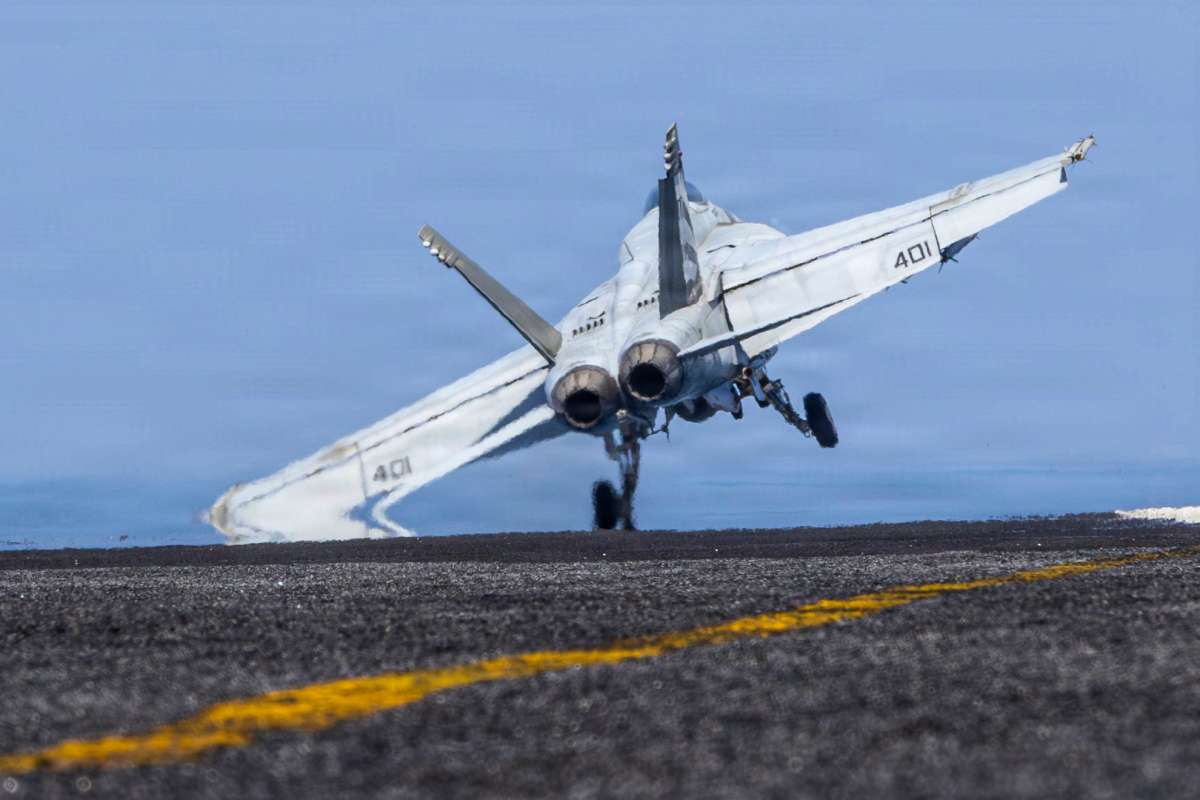
As the campaign has progressed, the Pentagon has switched to less expensive munitions, including the Joint Direct Attack Munition, or JDAM.
The smallest JDAM warhead costs about $1,000, while the guidance kit that converts conventional bombs into precision weapons costs roughly $38,000.